

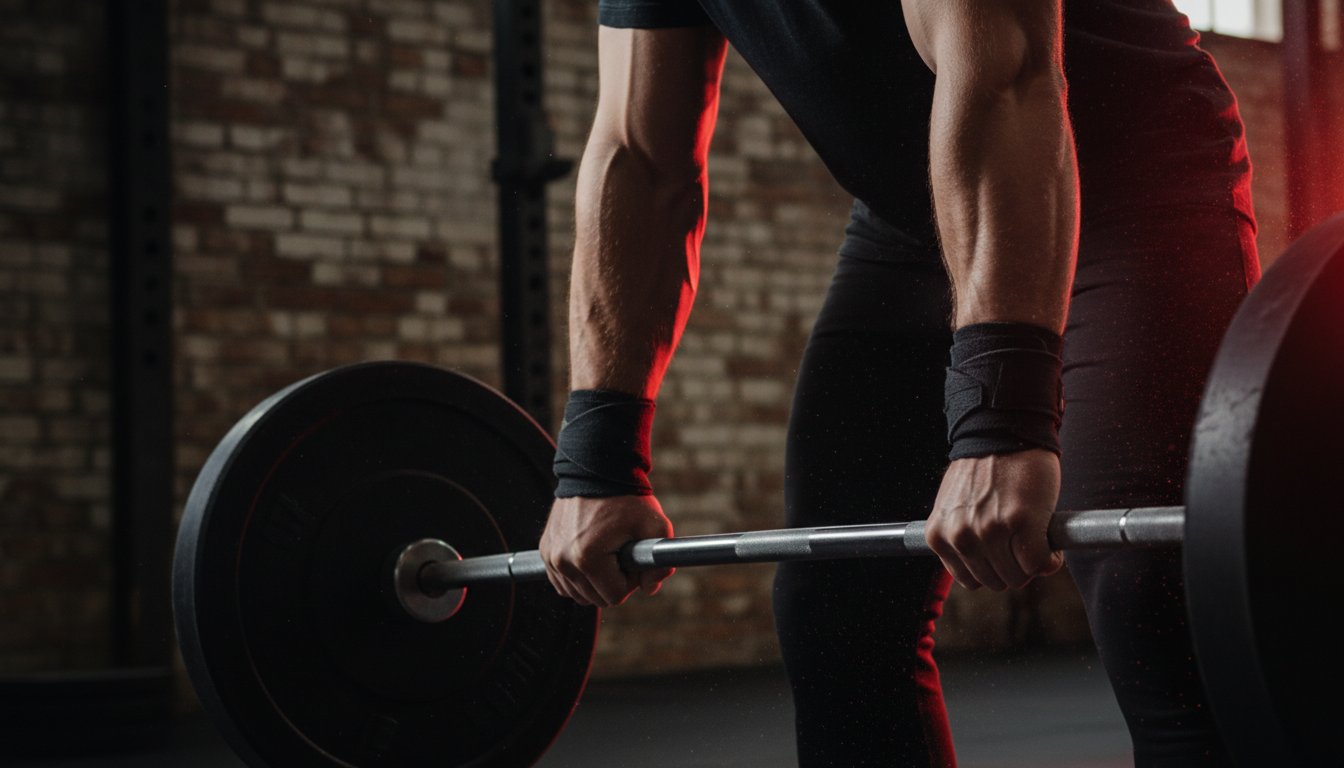
Your grip might be firm, but if your wrist alignment is off by just five degrees during a heavy overhead press, you are losing up to 10% of your power output. Most lifters accept joint discomfort as a standard part of heavy training. You've likely felt that sharp twinge or a sense of instability when the weight moves past your comfortable threshold. It is frustrating to let small joint limitations hold back your major muscle groups. High-quality wrist wraps are not just accessories; they are essential tools for maintaining structural integrity under load.
By applying the technical standards we value at Team Industry, you'll learn how to use these tools to stabilise your joints and increase your bench press capacity. We promise to help you master the science of wrist support so you can protect your anatomy and shatter your personal bests with professional-grade guidance. This guide provides a practical breakdown of how to choose the right length and stiffness for your specific needs. You'll learn how to eliminate training pain and finally understand the difference between support wraps and lifting straps to ensure your 2026 season is your strongest yet.
Key Takeaways
- Understand how to stabilise the carpal bones under vertical compression to prevent joint strain during heavy pressing movements.
- Identify whether stiff or flexible material blends best suit your training style, balancing comfort for high-volume work with the rigidity required for personal bests.
- Learn the professional "Joint-Coverage" rule for applying wrist wraps to ensure the support system crosses the actual wrist break for maximum stability.
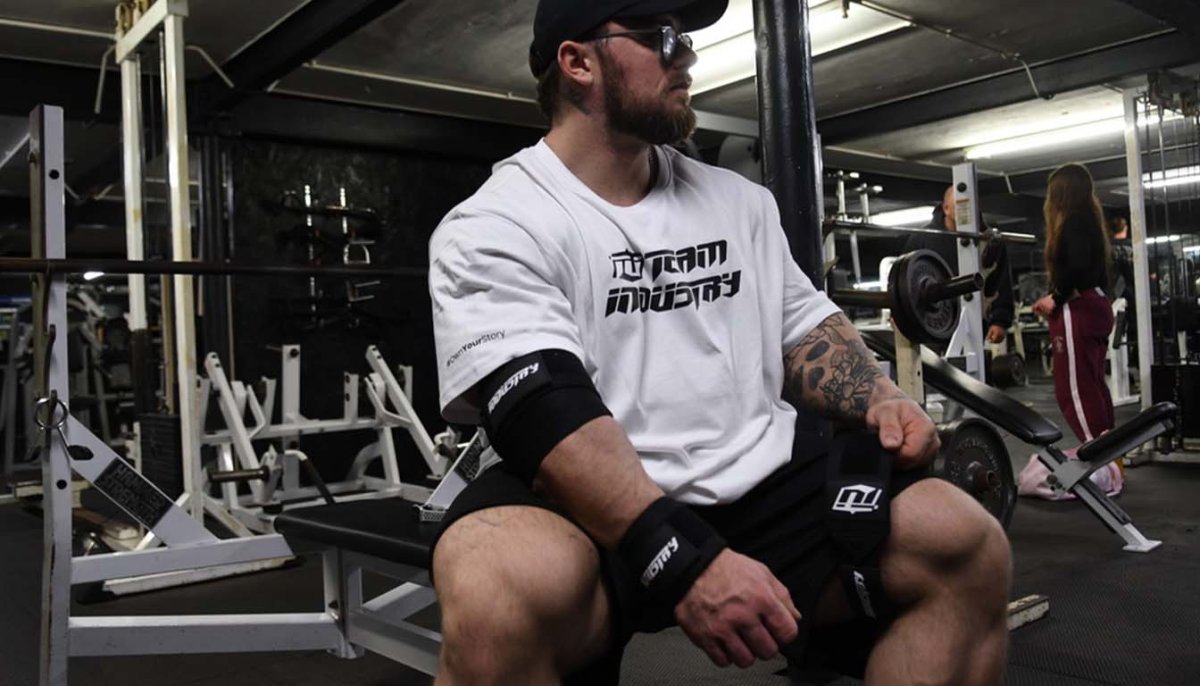
- Discover how integrating heavy-duty cotton support with elbow sleeves creates a dependable, total-arm stability system for the most demanding lifting environments.
- Master the mechanics of external support to effectively transfer more power into the bar and shatter your current bench press records.
Do Wrist Wraps Actually Improve Your Bench Press?
Wrist wraps act as an external support system designed to stabilise the eight carpal bones in your wrist during heavy lifting. Unlike lifting straps that assist your grip, these tools wrap tightly around the joint to create a rigid cast. This stabilisation is vital because the wrist is a relatively small joint tasked with supporting massive loads during pressing movements. Understanding How Wraps Protect the Carpal Joint helps lifters appreciate why structural rigidity is vital for force transfer. When the wrist remains neutral, the weight of the barbell sits directly over the forearm bones, allowing for a more efficient drive.
The primary mechanism of a wrap is the prevention of excessive wrist extension. When a barbell settles into the palm, the weight naturally wants to peel the hand back toward the forearm. This extension creates a "kink" in the kinetic chain, which reduces the power you can put into the bar. By using wrist wraps, you ensure that the force generated by your chest, shoulders, and triceps travels in a straight line from the palm into the barbell. At Team Industry, we prioritise this structural alignment to help our athletes move more weight with less joint strain.
A common misconception suggests that using wraps will weaken your natural grip. This is factually incorrect. Grip strength is a product of the flexor muscles in the forearm, whereas wraps provide passive support to the joint capsule itself. You aren't replacing muscle function; you're protecting the structural integrity of the joint. Using support doesn't make you weak, it makes your training more sustainable by preventing the micro-trauma that leads to chronic tendonitis.
The Performance Benefit: Stability vs. Strength
The performance boost from wraps is often psychological as much as it is physical. When the Central Nervous System (CNS) detects joint instability, it instinctively throttles power output to prevent injury. By providing a secure, rigid environment, wraps allow the CNS to "unlock" higher levels of force. This confidence allows you to grip the bar harder and focus entirely on the press rather than worrying about your wrists folding under the load.
Wrist wraps eliminate energy leakage by ensuring the barbell remains stacked directly over the radius and ulna throughout the eccentric phase. This efficiency is why high-quality support is essential for a heavy bench press. Without that stability, you lose several kilograms of potential force just trying to keep the bar balanced in your hands.
When Should You Start Wearing Wraps?
We recommend the 70% Rule: keep your wrists bare for warm-up sets and only apply your wrist wraps once the load exceeds 70% of your one-rep max. This approach ensures you still develop the necessary stabiliser strength in your forearms during lighter work. You should listen to your body and identify the signs of fatigue, such as a dull ache or a "shaky" feeling during the lockout, which differ significantly from the sharp pain of an actual injury.
- Warm-ups (0-60%): No wraps needed; focus on raw stability.
- Working Sets (70-90%): Apply wraps for consistent joint positioning.
- Max Effort (95%+): Use maximum tension for peak CNS output.
Beginners should spend their first six months of training focusing on fundamental form before adding heavy-duty gear. Once you move into intermediate strength territory, Team Industry gear provides the reliable safe pair of hands needed to push your limits safely. Mastering the basic mechanics first ensures that when you do add wraps, they function as a performance enhancer rather than a mask for poor technique.
The Mechanics of Support: How Wraps Protect the Carpal Joint
The human wrist isn't naturally designed to support hundreds of kilograms in a static, extended position. Under heavy vertical compression, the eight carpal bones can lose their structural integrity. Wrist wraps act as an external ligament, providing the tension necessary to keep these bones in a tight, secure formation. This mechanical support is vital for anyone investing in strongman training gear uk, where loads are often unstable or off-centre.
Beyond structural bracing, the compression from a wrap generates heat. This localized warmth increases the viscosity of synovial fluid, ensuring the joint remains lubricated during high-volume sessions. By limiting excessive range of motion, you reduce the strain on the tendons. This proactive approach helps prevent common ailments like tendonitis and carpal tunnel syndrome, which often sideline athletes for 4 to 6 weeks. Using wrist wraps provides a reliable safety net that allows you to focus on the lift rather than joint discomfort.
Force Transfer and Joint Alignment
Optimal power output requires a "stacked" joint position: your knuckles must sit directly over your wrist, which sits directly over your elbow. If your wrist collapses backward, the bar rolls toward your fingers, creating a longer lever arm and increasing the risk of a failed lift. A 2022 study on wrist straps and wraps highlighted how external support reduces perceived exertion by stabilizing these joint angles. When the wrist stays neutral, your triceps can engage fully during the lockout phase of a bench press or overhead extension, rather than wasting energy stabilizing a shaky joint.
- Prevents the bar from migrating toward the palm's edge.
- Eliminates energy leaks in the kinetic chain.
- Ensures the force is driven vertically through the forearm.
Injury Prevention in High-Impact Movements
In movements like the Log Press or a heavy dumbbell snatch, the shearing forces on the carpal joint are immense. A 50kg dumbbell doesn't just push down; it pulls the wrist into lateral deviations. Wraps mitigate this force by creating a rigid sleeve that absorbs the initial impact of the "clean" position. For athletes focusing on longevity, integrating these tools from our joint support collection ensures that your connective tissue doesn't become the bottleneck in your progress. If you're pushing for a new personal best this season, ensure your equipment matches your ambition by choosing a wrap that offers both stiffness and comfort.
Choosing Your Support Level: Stiff vs. Flexible Material
Selecting the right wrist wraps is a technical decision based on your specific lifting discipline. The material composition is the primary factor that dictates performance. Most professional equipment utilizes a specific blend of heavy-duty polyester, cotton, and elasticated rubber. Polyester provides the structural foundation for durability. Cotton offers essential moisture-wicking properties for long sessions in the gym. The rubber content is what determines the tension and "snap back" of the wrap.
Team Industry focuses on professional-grade, heavy-duty fabrics because standard high-street alternatives often fail under the 100kg plus loads common in UK strength facilities. When you choose a wrap, you are balancing two main factors:
- 12-inch wraps: These offer localized support while maintaining joint mobility. They are ideal for movements that require a degree of wrist extension.
- 24-inch wraps: These allow for multiple revolutions around the joint. This creates a "casting" effect that is essential for max effort attempts where zero joint movement is the goal.
Our commitment to quality means we don't use thin, single-ply fabrics. We understand that a wrap is a safety tool, not just an accessory. It has to perform consistently every time you step onto the platform.
Flexible Wraps for Bodybuilding and Hypertrophy
Hypertrophy training requires high-volume sets where comfort is as important as support. Flexible wraps allow for slight joint movement. This is beneficial during dumbbell pressing or high-rep accessory work where a rigid "cast" would be counterproductive. These wraps prevent the dull ache of repetitive strain without restricting your natural lifting mechanics. They are a practical choice for lifters who need to move quickly between exercises. For a cohesive training setup, integrate these with performance-focused mens gym clothes to ensure your gear doesn't hinder your range of motion during intense supersets.
Stiff Wraps for Powerlifting and Strongman
Elite strength athletes require maximum rigidity. Stiff wraps utilize a higher percentage of reinforced rubber to create the "Cast Effect," effectively turning the hand and forearm into a single, unyielding unit. This setup is vital for heavy bench presses or overhead axles where any wrist extension could lead to a failed lift or injury. Professional-grade wraps often feel uncomfortable initially. You should expect a break-in period of 10 to 15 sessions before the fabric moulds to your joint shape. While standard high-street accessories might feel soft immediately, they typically lose 30% of their tension within the first 4 months of heavy use. Team Industry gear is built to withstand the operational reality of a competitive strength environment, providing a reliable safe pair of hands for your heaviest sets.

The Professional Wrapping Technique: Step-by-Step for Maximum Stability
Positioning is everything. Start by placing the thumb loop over your thumb and laying the wrap across the inside of your wrist. Your first revolution should be firm but not at full tension. This sets the anchor. If you start too tight on the first turn, you'll often find the wrap shifts as you continue.
Follow the Joint-Coverage rule. A common error is wrapping the forearm like a bandage. To provide actual support, the wrist wraps must cross the actual wrist break. This creates a cast effect that prevents the joint from collapsing under load. As you dial in the tension, aim for a level that feels restrictive but doesn't cause immediate numbness. Secure the Velcro with a flat, even pull to ensure zero-slip during your heaviest sets.
Finally, remove the thumb loop before you touch the bar. Leaving it on changes your grip mechanics and is against the rules in most competitive lifting circles across the UK, including British Powerlifting. It's a safety habit that separates the amateurs from the professionals.
Common Wrapping Mistakes to Avoid
Wrapping too low on the forearm is the most frequent mistake we see in UK gyms. If the joint can still move freely, the support is non-existent. You should also avoid keeping your wraps tight between sets. Restricted blood flow for extended periods can lead to nerve compression and reduced grip strength. Lastly, check your gear for dead elastic. If the wrap feels thin or doesn't snap back, it’s time to replace it. Most high-quality wraps last about 12 to 18 months with regular heavy use before the structural integrity fades.
Customising Tension for Different Lifts
Your wrapping style should change based on the movement. For low bar squats, you need maximum rigidity to stop the wrist from peeling back under the bar's weight. For the bench press, some lifters prefer a criss-cross pattern. This involves angling the wrap slightly during the second revolution to cover a wider surface area of the lower palm and upper wrist. In a competition environment, speed is vital. Practice your technique so you can apply them in under 15 seconds between your final warm-up and the platform. This efficiency keeps your focus on the lift rather than your equipment.
Upgrade your kit with professional-grade support by exploring the full range of Team Industry wrist wraps today.
Optimising Your Kit: Why Team Industry Wraps Are Built for Heavy Duty
Performance in strength sports relies on the reliability of your equipment. Team Industry gear is engineered for athletes who demand more than just basic support. We utilise a high-density cotton blend combined with reinforced double-stitching to ensure our wrist wraps withstand the immense pressure of maximal loads. Whether you are prepping for a 200kg bench press or a heavy overhead log, our wraps provide the necessary rigidity to keep your joints aligned. Professional athletes across the UK trust our equipment because it acts as a safe pair of hands during high-stakes national events like the British Powerlifting Championships.
Stability shouldn't stop at the wrist. For total arm security, many elite lifters integrate their wraps with elbow sleeves to create a unified support system. This combination reduces joint shear and allows for better force transfer during heavy pressing movements. Our commitment to quality means we don't use thin, flimsy materials that lose their elasticity after a few sessions. We focus on industrial-grade durability that supports your progress from your first local meet to the national stage.
Durability and Maintenance of Professional Gear
Proper care extends the life of your equipment and maintains its supportive properties. We recommend washing your wrist wraps every 10 to 12 sessions in a cool, 30-degree cycle. Always use a mesh laundry bag to prevent the Velcro from snagging or damaging other apparel. Never tumble dry your wraps; high heat is the primary cause of elastic degradation, which can reduce support by up to 25% over time.
Storage is equally vital for longevity. You should never leave damp wraps rolled up in a gym bag after a session. This traps moisture and bacteria, leading to material breakdown and unpleasant odours. Instead, lay them flat or hang them up to air dry in a well-ventilated area. If you need a fresh set of high-performance gear, check out our full range of wrist wraps here.
Building the Ultimate Strength Foundation
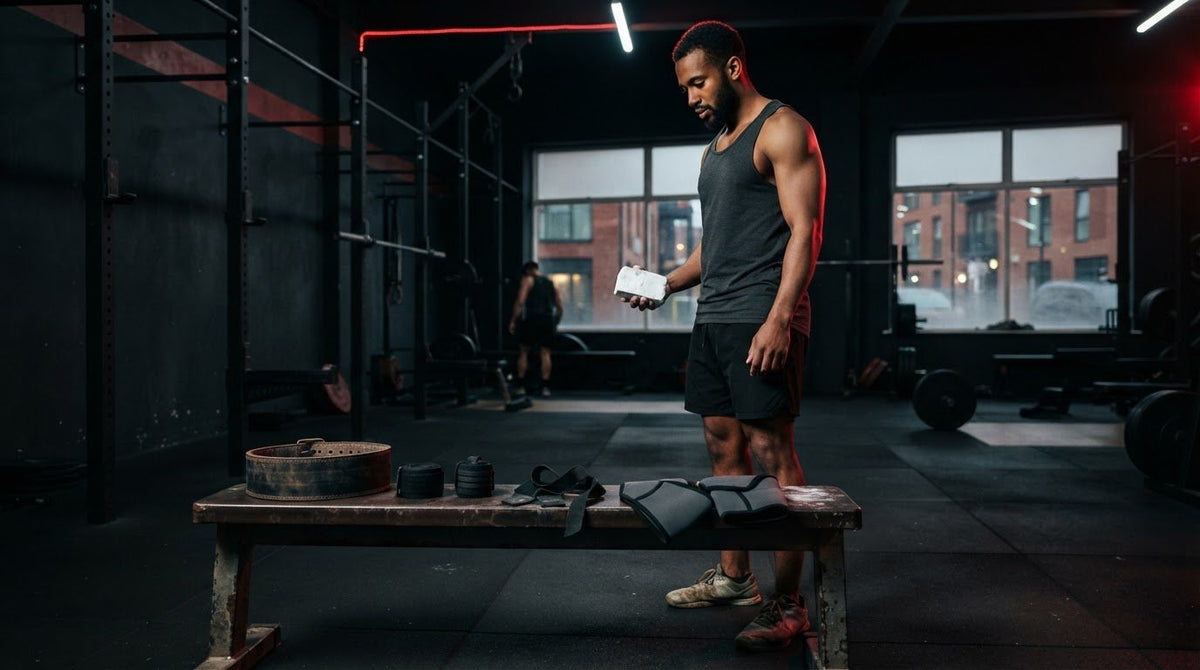
A complete strength kit functions as a cohesive unit. Combining your wraps with a professional weight lifting belt provides the internal and external bracing needed for heavy compound movements. While wraps secure your push, selecting the right lifting straps is essential for your heavy pulls, ensuring your grip isn't the limiting factor during deadlifts or rows.
Team Industry is dedicated to providing the reliable infrastructure required for operational excellence in the gym. We don't rely on hype; we rely on grit and quality manufacturing. Join the Team today and upgrade your gear to a standard that matches your ambition.
Maximise Your Pressing Potential for 2026
Securing your carpal joints isn't just about safety; it's a fundamental requirement for transferring maximum force into the bar. By selecting the right material stiffness and applying a professional wrapping technique, you reduce energy leaks and keep the weight moving vertically. This guide demonstrates that choosing high-quality wrist wraps is the most direct way to stabilise your foundation before a heavy set. Proper support ensures your focus stays on the drive rather than joint discomfort.
At Team Industry, we don't believe in flimsy equipment. We've built our gear using heavy-duty industrial-grade elastic and reinforced thumb loops to ensure they withstand the rigours of a busy gym or a competitive platform. These wraps are tested by UK Strongman athletes to guarantee they meet the standards required for 300kg+ loads. While other brands provide basic elastic support, our equipment is designed for those who value reliability and industrial-strength durability. Our reinforced Velcro ensures the fit remains secure from the first rep to the final lockout.
Upgrade your pressing power with Team Industry Professional Wrist Wraps
Your next heavy session is the perfect time to put these practical tips into action and lift with total confidence in your kit.
Frequently Asked Questions
What is the difference between wrist wraps and lifting straps?
Wrist wraps provide external support to the joint, while lifting straps secure your hand to the bar. Use wraps for pressing movements like the bench press to keep your wrists neutral. Straps are for pulling movements like rows or deadlifts where grip strength might fail before the target muscle. At Team Industry, we design our equipment to handle the 200kg loads common in professional UK gyms.
Are wrist wraps allowed in powerlifting competitions?
Most powerlifting federations allow wrist wraps provided they meet specific technical requirements. The International Powerlifting Federation (IPF) typically limits the length to 1 metre and the width to 8 centimetres. Our Team Industry competition range is built to these exact specifications, ensuring you remain compliant on the platform during your 1RM attempts.
How tight should my wrist wraps be during a heavy set?
You should tighten your wraps until they significantly restrict wrist extension without causing numbness. Apply them 30 seconds before your heavy set and release them immediately after you rack the bar. If you can wear them comfortably for a full 10 minute warm-up, they aren't tight enough for a maximal effort lift.
Can wrist wraps help with carpal tunnel or existing wrist pain?
Wraps provide stability that can reduce discomfort during heavy loading, but they won't cure carpal tunnel syndrome. They function by keeping the joint in a neutral position, which reduces the 15 degree extension that often triggers pain. If symptoms persist for more than 14 days, consult a specialist to address the underlying issue.
How long do professional-grade wrist wraps usually last?
Professional-grade wraps typically last between 6 and 12 months when used for 4 sessions per week. The elastic fibres eventually break down, and the hook-and-loop fasteners lose their grip. We use industrial-strength Velcro to ensure our gear survives the high-volume training programmes required for British regional qualifiers.
Should I use wrist wraps for every exercise in my workout?
Don't use wraps for every exercise, as this can lead to a reliance on external support. Reserve them for compound movements where you're lifting 80% or more of your one-rep max. Building raw wrist strength during your accessory work ensures your 50kg dumbbell rows don't become a weak point in your training.
Do I need different wrist wraps for strongman and bodybuilding?
Strongman athletes require stiffer, longer wraps for events like the Log Press, while bodybuilders often prefer more flexible options. A 60cm wrap provides a balance of support and comfort for high-volume hypertrophy work. Team Industry offers different stiffness levels so you can choose the right tool for your specific lifting discipline.
Why do some wrist wraps have thumb loops and others do not?
Thumb loops are designed solely to help you anchor the wrap while you tension it around your joint. It's a common mistake to leave them on during the lift, but federation rules require them to be removed. Once you've achieved the desired tightness, simply slip the loop off your thumb and tuck it under the wrap before you start your set.
Share:
Men’s Gym Vests: The Ultimate Buying Guide for Strength Athletes
How to Choose a Lifting Belt for Squats: The Professional 2026 Guide