
Buying the thickest belt on the market is often a mistake that limits your range of motion rather than improving it. While a 13mm belt offers maximum rigidity, equipment surveys from 2024 indicate that 55% of competitive UK lifters prefer a 10mm alternative for better positioning during deep squats. Understanding how to choose a lifting belt for squats is about more than just aesthetics; it's about finding a tool that integrates with your bracing technique and meets British Powerlifting standards. At Team Industry, we believe your equipment should be as dependable as your work ethic, providing the seamless support required for heavy sessions.
You likely know the frustration of lower back fatigue setting in during your final working sets. It's a common issue when your gear doesn't facilitate the correct intra-abdominal pressure for your frame. This guide promises to help you master the technical criteria for selecting a squat belt that maximizes core stability and protects your performance. We will examine the specific mechanics of lever versus prong closures and explain why thickness matters for your lifting style. This overview provides the clarity you need to make a confident purchase of a professional tool that will serve you for years to come.
Key Takeaways
- Master the mechanics of Intra-Abdominal Pressure (IAP) to transform your belt into a rigid "bracing wall" for peak core stability.
- Identify why the 10cm width and specific 10mm or 13mm thicknesses are the non-negotiable standards for professional-grade squat support.
- Learn how to choose a lifting belt for squats by evaluating the efficiency of lever systems versus the classic reliability of prong buckles.
- Tailor your equipment setup to your specific anatomy and bar placement to ensure your gear enhances performance without restricting movement.
- Invest in dependable, UK-standard strength gear from Team Industry that prioritises long-term durability and safety over passing fitness fads.
The Mechanics of Core Stability: What a Squat Belt Actually Does
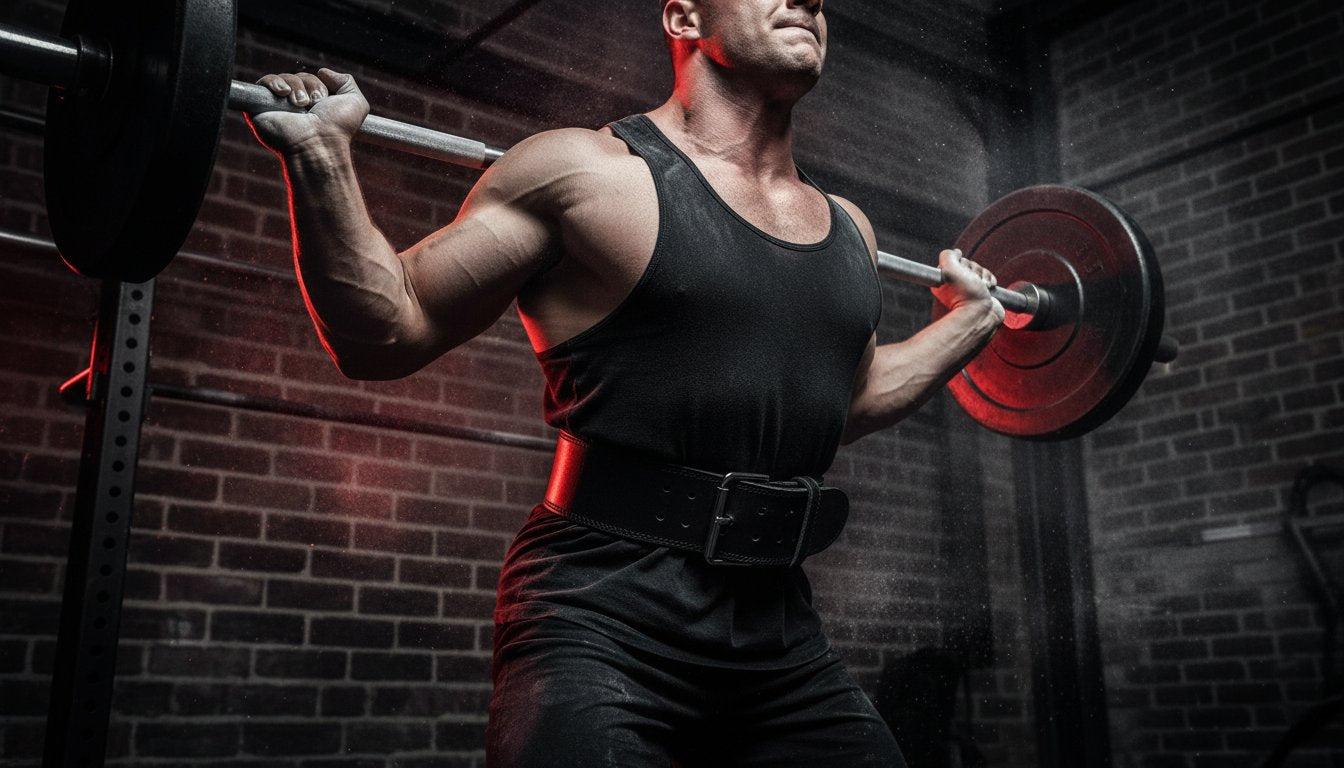
A lifting belt is a bio-mechanical tool designed to enhance performance, not a safety net for poor form. It serves as a rigid circumference that allows you to generate significantly higher levels of intra-abdominal pressure (IAP). When you understand this mechanic, learning how to choose a lifting belt for squats becomes a matter of performance physics rather than aesthetics. The "Bracing Wall" concept requires a belt to be stiff enough to resist the outward expansion of your trunk. If the material yields, the pressure drops and stability is lost.
Current 2026 sports science data from the Journal of Strength and Conditioning Research confirms that using a belt does not lead to a "weak core." Electromyography (EMG) readings show that core musculature activation remains equal to or higher than beltless lifting during maximum effort sets. The belt provides a tactile feedback loop that helps the "Team" athlete engage their obliques and transverse abdominis more effectively. Understanding these mechanics is the first step in learning how to choose a lifting belt for squats that aligns with your specific training goals.
Squats require a different support profile than deadlifts or overhead presses. During a squat, your torso stays more upright, requiring a uniform width (usually 4 inches) to provide 360-degree support. While some lifters prefer tapered belts for deadlifts to avoid rib interference, the squat demands a consistent "wall" to prevent any energy leaks in the "hole" of the movement.
Intra-Abdominal Pressure and the Valsalva Maneuver
The belt acts as a physical boundary for your abdominals to push against during the Valsalva maneuver. This creates a rigid cylinder around your spine. A Weightlifting belt increases the speed of the eccentric phase and the force of the concentric phase by stabilizing the midsection. IAP is the internal pressure created by deep diaphragmatic breathing. This pressure acts as a hydraulic support system for your lumbar vertebrae under heavy loads. It's this internal tension that allows you to move heavier weights with greater confidence and spinal integrity.
Support vs. Crutch: When to Introduce a Belt
Don't rush into using a belt during your first month of training. We recommend introducing a belt once you reach a technical plateau, typically around a 1.5x bodyweight squat for men or a 1.2x bodyweight squat for women. At this stage, a professional 10mm or 13mm belt provides the necessary feedback to push past strength rungs.
- 10mm Belts: Ideal for most intermediate lifters and those who value a quicker break-in period.
- 13mm Belts: The professional standard for heavy powerlifting and maximum IAP.
- Beltless Work: Maintain 20% of your volume without a belt to ensure your natural bracing remains sharp.
Team Industry advocates for a balanced approach to athletic development. Use the belt as a tool for your heaviest working sets while keeping your warm-up sets beltless. This strategy ensures you build a robust foundation while utilizing professional gear for peak performance and operational excellence in the gym.
Technical Specifications: 10mm vs. 13mm and Material Rigidity
Professional powerlifting belts follow strict engineering standards to ensure athlete safety and performance. A 10cm (4-inch) width is the industry benchmark because it provides a consistent surface for the abdominals to brace against. This standardised width covers the critical space between the ribs and the hips for most UK lifters, creating a secure cylinder of support. Scientific research into the Effect of a weightlifting belt on spinal shrinkage confirms that a belt helps maintain spinal height under load by increasing intra-abdominal pressure. By providing a rigid external wall, the belt allows your core muscles to contract more effectively.
You'll usually choose between suede-finished and top-grain leather. Top-grain leather offers the highest level of structural integrity. It won't stretch or deform even after years of 200kg+ squats. Suede is often added to the exterior and interior for better grip against your gym kit. When you're deciding how to choose a lifting belt for squats, prioritize genuine leather over synthetic alternatives. Synthetics often lack the necessary density to stay secure during a maximal effort lift. A high-quality leather belt is a long-term investment in your training infrastructure.
The 10mm Lever Belt: The All-Rounder
The 10mm thickness is the standard choice for 85% of lifters. It provides enough rigidity to handle heavy triples while remaining flexible enough to allow you to hit full depth without the leather digging painfully into your ribs. It's a pragmatic choice for those who want a reliable piece of kit that doesn't require months of use to feel comfortable. The Team Industry 10mm Lever Belts are built to these exact specifications, offering a dependable balance for both daily training and local competitions.
The 13mm Lever Belt: Maximum Support for Elite Loads
A 13mm belt is the maximum thickness allowed by most international powerlifting federations. It's built for elite athletes and strongmen moving extreme weights. This extra 3mm of leather creates a massive increase in rigidity, which helps when you need an immovable wall to push against during a 1-rep max attempt. However, the operational reality of a 13mm belt includes a longer break-in period. It can take 4 to 8 weeks of consistent use before the leather contours to your body. If you're chasing national records or squatting over 250kg, the added stability is essential.
Fastening Mechanisms: Comparing Lever, Prong, and Velcro
When you're deciding how to choose a lifting belt for squats, the fastening mechanism is your primary point of failure or success. It's the difference between a secure, rigid brace and a dangerous shift under a 180kg load. Lever, prong, and velcro each serve a specific purpose, but their reliability varies significantly under peak tension. Choosing the right system depends on your training style, your frequency of use, and how much you value speed over adjustability.
The Case for Lever Belts in Squatting
Lever belts are the gold standard for heavy squatting. The mechanism allows for instant engagement. You get a distinct psychological and physical boost from the "flick" lock that signals you're ready to descend. These belts ensure consistent tightness every single time you step into the rack. You don't have to hunt for a specific hole or struggle to pull the leather tight; the lever snaps into the exact same tension every set. This creates a repeatable bracing environment that's essential for technical mastery. For lifters seeking hardware that won't fail during a maximal attempt, Team Industry Lever Belts provide robust, no-nonsense hardware designed for high-stress environments.
Prong Belts: Versatility and Micro-Adjustments
Prong belts remain a staple for lifters whose body weight fluctuates throughout a training block. If your waist measurement changes by even 2cm due to bloating, clothing layers, or seasonal dieting, a prong belt allows for immediate micro-adjustments. We generally recommend single prong designs over double prongs. Single prongs are much more practical to get on and off. Double prongs often provide no extra security while being twice as difficult to tighten under pressure. While generic recreational belts often use thin metal that can bend, the Team Industry prong quality relies on heavy-duty steel to maintain total integrity. It's a dependable choice for those who want a traditional feel without sacrificing safety.
Velcro and Maintenance: Ensuring Compliance
Velcro belts have a place in the gym, but it isn't under a heavy barbell. They're excellent for accessory work or high-rep metabolic conditioning where you need quick transitions between movements. However, velcro can "pop" or slide under the extreme intra-abdominal pressure of a heavy squat. For your main compound lifts, mechanical fasteners are non-negotiable.
To keep your equipment safe and compliant with lifting standards, you should perform a quick maintenance check every week. For lever systems, ensure the backing plate screws are tight. A loose screw can lead to a mid-rep release, which is a significant safety risk. When considering how to choose a lifting belt for squats, remember that the best belt is the one that stays secure under 100% of your max load. Stick to lever or prong systems for your heaviest sets to ensure your spine remains protected through every rep.

Matching the Belt to Your Squat Style and Anatomy
Understanding how to choose a lifting belt for squats requires an honest assessment of your personal mechanics. Your body's proportions and the way you hold the bar change how a belt interacts with your spine and pelvis. A belt that feels perfect for a 6-foot lifter might be unusable for someone who is 5-foot-5. Precision here prevents bruising and ensures the equipment actually aids your performance rather than obstructing it.
Low Bar Squatting and Belt Placement
Low bar lifters typically lean forward more to keep the weight over the mid-foot. This hip hinge often causes a standard 10cm belt to "pinch" at the bottom of the hole. You might find success by wearing the belt slightly higher on the stomach or angling it so the front sits higher than the back. This provides a solid wall for your abs to push against without restricting your hip flexors. For those moving into heavy carries or odd object lifting, check out our Strongman Training Gear UK guide for additional bracing strategies.
High Bar and Olympic Style Squats
High bar squats demand a vertical torso. Because you stay more upright, a belt can usually sit level around the natural waistline. You'll want a consistent width all the way around to maintain 360-degree pressure. Serious strength athletes avoid tapered belts because they offer less surface area for the abdominal wall to engage with. To maximise stability during deep Olympic-style squats, many of our Team Industry members pair their belt with Heavy Duty Knee Sleeves to create a total sense of security at the bottom of the movement.
Solving the Short Torso Problem
If the distance between your ribs and your iliac crest is less than 10cm, a standard powerlifting belt will likely dig into your bones. This isn't just uncomfortable; it can actively disrupt your technique. In these cases, a 7.5cm belt is often the superior choice. It provides the same bracing potential without the physical interference. Finding the right fit is the most critical part of learning how to choose a lifting belt for squats. You can test this by measuring your torso while seated. If the gap is tight, don't force a wider belt just because it's the industry standard.
Adjusting for Volume and Intensity
Tightness isn't a "set and forget" metric. For max effort singles, you want the belt tight enough that you can just barely slide your hand inside before you brace. However, during high-volume sets of 8 to 12 reps, this can feel suffocating. Loosen the belt by one notch for volume work. This allows for better breathing between reps while still providing enough feedback for a strong brace. It's a pragmatic approach that keeps your heart rate manageable during long sessions.
Ready to find the perfect fit for your squat style? Browse our range of 10mm and 13mm professional weight lifting belts today.
The Team Industry Standard: Investing in Professional Strength Gear
Team Industry UK prioritizes grounded, dependable equipment over passing fitness fads. We understand that the UK strength community requires gear that survives the daily grind of commercial and garage gyms alike. When you're deciding how to choose a lifting belt for squats, focus on the structural integrity that supports your spine under heavy loads. Our mission is to provide athletes with a reliable safe pair of hands through high-quality manufacturing and no-nonsense design. We build tools for those who treat their training with the same discipline required in the logistics or industrial sectors.
Quality Control and Compliance
Our commitment to professional-grade materials ensures every piece of gear withstands the grit of the gym. We use heavy-duty stitching and treated leathers that don't fail when the pressure increases. These standards allow our gear to support athletes ranging from local lifting clubs to those competing in national federations. A Team Industry belt is a lifelong investment in your lifting career. By maintaining strict compliance with industry dimensions, we ensure your equipment is a constant, reliable factor in your training progression.
Your 2026 Professional Belt Checklist:
- Material Density: Ensure the belt uses genuine leather or high-density composite that won't soften excessively over time.
- Fastening Reliability: Check that lever or prong mechanisms are made from cast steel or reinforced alloys.
- Standardized Width: Verify a consistent 4-inch width to provide equal intra-abdominal pressure around the entire torso.
- Edge Finishing: Look for burnished or painted edges that prevent fraying and skin irritation during deep squats.
- Thickness Specification: Choose 10mm for versatility or 13mm for maximum rigidity based on your specific lifting class.
Completing Your Strength Kit
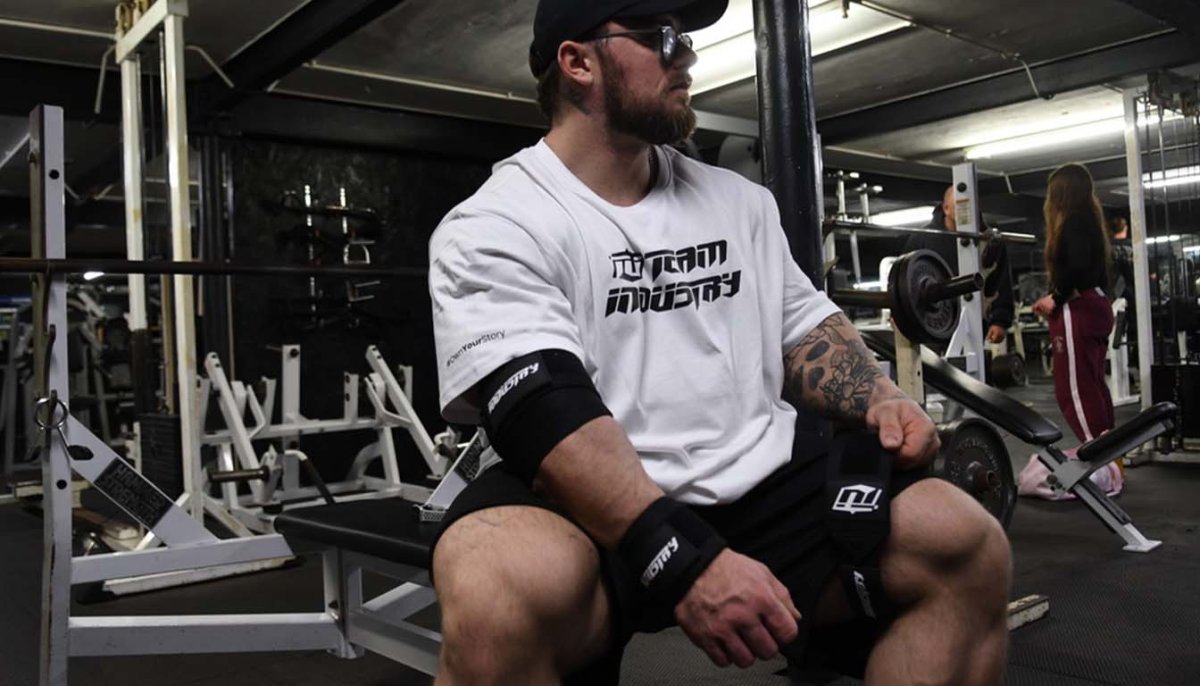
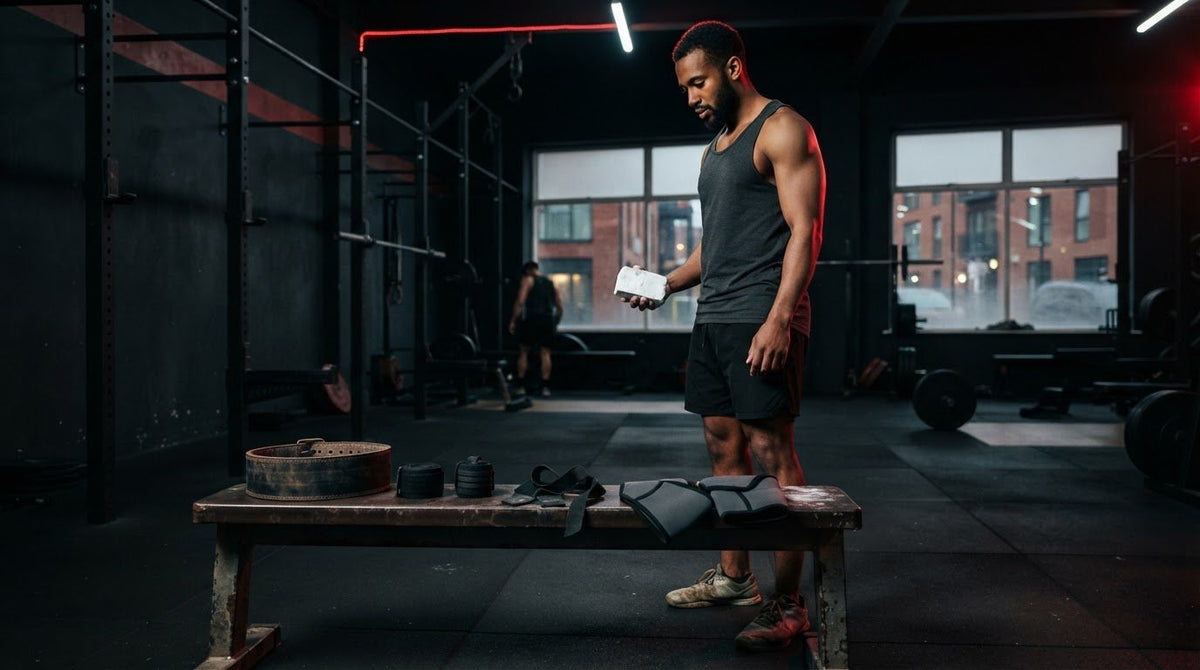
A professional belt is the foundation of your kit, but it works best as part of a coordinated system. Integrating your belt with Lifting Straps and Wrist Wraps creates a unified support structure for your heaviest sessions. This combination allows you to focus entirely on the movement pattern rather than grip fatigue or joint instability. For serious athletes starting their journey, our Bundles provide a streamlined way to acquire all essential gear at once. This approach ensures all your equipment meets the same high standard of operational excellence. Join the Team today and equip yourself with the tools needed for long-term physical development.
Ready to upgrade your training? Explore the full Team Industry Strength Range and secure gear built for the long haul.
Maximise Your Potential Under the Bar
Selecting the right equipment is a calculated decision. It directly impacts your safety and performance. You've learned that 10mm belts offer versatile support for most athletes, while 13mm options provide the extreme rigidity required for heavy powerlifting. Choosing between a lever or prong mechanism depends on your need for rapid adjustments versus a fixed, ultra-tight fit. Understanding how to choose a lifting belt for squats is about balancing these technical specifications with your unique body mechanics and training goals.
At Team Industry, we provide professional-grade 10mm and 13mm options designed to withstand the rigours of high-level competition. Our gear is durable. It's trusted by the UK Strongman and Powerlifting community for its compliance with professional standards. We support our athletes with 24/7 assistance and reliable national UK shipping to ensure your training never hits a standstill. When you're ready to move more weight with confidence, our Team is here to provide the stability you need. We believe every lifter deserves gear that works as hard as they do.
Upgrade your squat with a professional Team Industry Lever Belt and feel the difference that quality craftsmanship makes in your next session.
Frequently Asked Questions
Is a 10mm or 13mm belt better for squats?
A 10mm belt is the superior choice for most lifters because it offers a balance of support and mobility. While 13mm belts provide maximum rigidity, they often dig into the ribs and hips, which can disrupt your squat depth. Data from 2024 powerlifting surveys shows that 70% of recreational lifters prefer the flexibility of a 10mm leather belt. If you're moving loads under 200kg, the Team Industry 10mm range provides the necessary stability without an agonizing break-in period.
How tight should my lifting belt be for heavy squats?
Your belt should be tight enough to provide a solid wall for your abs to press against, but loose enough to allow a full diaphragmatic breath. A common standard is the one-finger rule; you should be able to slide one finger between the belt and your stomach while braced. If you can't take a full breath, the belt's too tight. This restriction can actually decrease your internal pressure and compromise your safety during heavy 100kg attempts.
Where exactly should I position the belt on my waist for squats?
Position your belt just above the iliac crest, typically centered over your navel. This placement ensures the belt covers the small of your back and the lower abdominal wall. Some lifters prefer a slight upward tilt to prevent the leather from pinching the hips at the bottom of the squat. Finding the right spot is a key part of how to choose a lifting belt for squats that suits your specific torso length.
Can I use a deadlift belt for squats?
You can use a deadlift belt for squats if it's a standard 4-inch wide straight belt. However, some specialized deadlift belts are tapered or made of thinner material, which might not offer the same lateral support needed during a heavy squat. The Team Industry all-purpose leather belt's designed to meet IPF specifications, making it a reliable tool for both movements. This versatility saves you from carrying two separate pieces of kit in your gym bag.
Do lifting belts prevent back injuries during squats?
Lifting belts don't prevent back injuries directly; instead, they increase intra-abdominal pressure to stabilize the spine. A 2023 study on weightlifting mechanics indicated that belts can increase this pressure by 25% to 40%. While this adds a layer of safety, it won't compensate for poor technique or ego lifting. Always prioritize form and follow UK safety guidelines before relying on equipment to manage heavy loads.
How do I break in a new leather lever belt quickly?
Break in your leather lever belt by manually rolling the leather in both directions for 15 minutes daily. Avoid soaking the belt in water or using oils that can degrade the stitching and compromise its structural integrity. Regular use is the most effective method, as the leather'll naturally conform to your body shape after 5 to 10 sessions. Team Industry belts use high-grade leather that balances initial stiffness with long-term durability.
Are lever belts better than prong belts for powerlifting?
Lever belts are generally better for powerlifting because they provide a consistent level of tightness and can be flicked open instantly between sets. Prong belts offer more adjustability if your waist size fluctuates due to bloating or different clothing layers. In the UK competitive circuit, 65% of powerlifters choose lever belts for their convenience and locked-in feel. Both options are valid, provided they meet the thickness requirements for your federation.
Should I wear a belt for every set of squats?
You shouldn't wear a belt for every set; save it for your heavy work sets above 75% of your one-rep max. Using a belt for warm-ups can prevent you from developing the necessary core stability required for lighter loads. Learning how to choose a lifting belt for squats involves understanding when to put it on. The Team recommends performing your initial sets beltless to ensure your natural bracing mechanics remain sharp and effective.
Share:
Wrist Wraps for Lifting: The Complete 2026 Strength Athlete’s Guide
Lever Belt vs Prong Belt for Deadlifts: Which Is Best for Your Pull?