
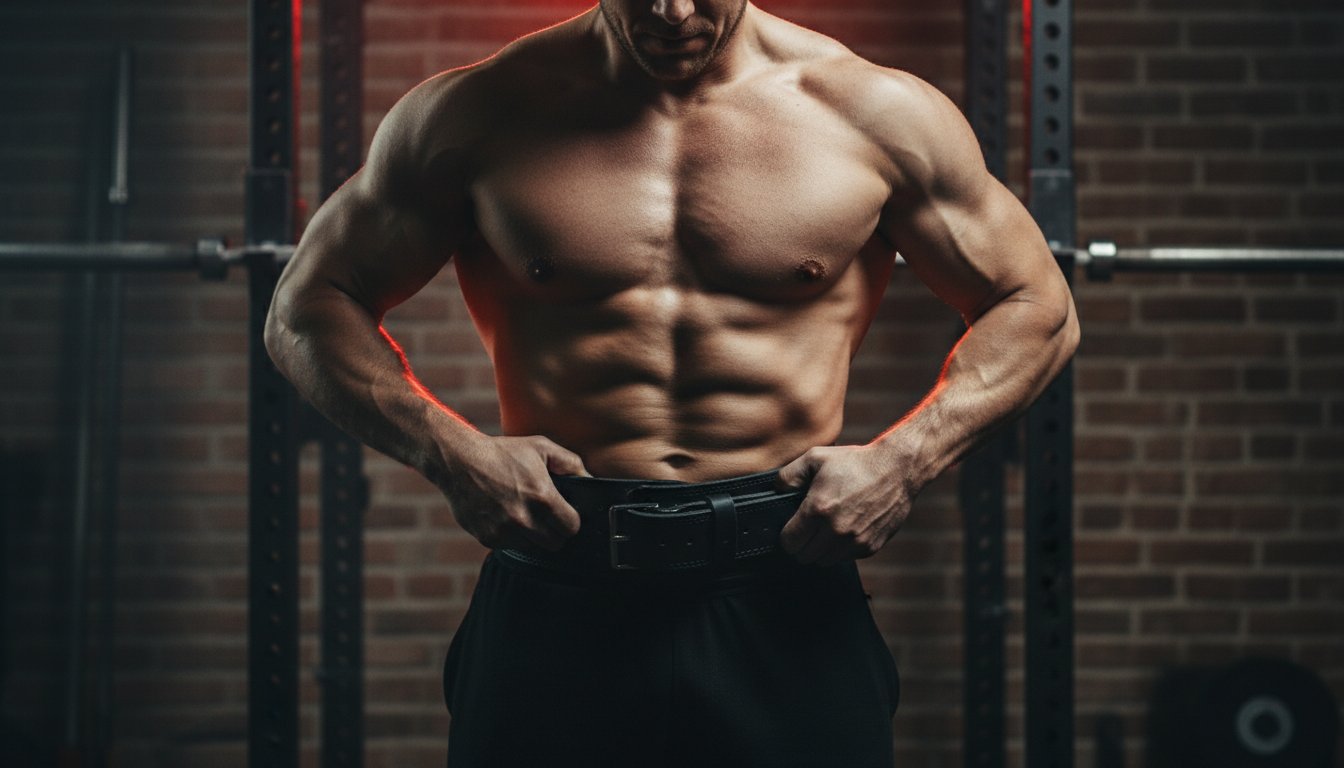
A weight lifting belt is not a back brace, and wearing one won't automatically protect a weak core from injury. In fact, a 2023 study published in the Journal of Strength and Conditioning Research highlighted that a belt's primary function is to increase intra-abdominal pressure by up to 40 per cent during heavy squats. If you're currently relying on a flimsy gym-floor rental that digs into your ribs or pinches your skin during a setup, you're likely losing kilos on your total before you've even unracked the bar.
We know how frustrating it is to feel your lower back fatigue during your third set of five when your legs still have plenty of drive left. Choosing between a 10mm and 13mm thickness feels like a guessing game when you just want equipment that lasts a lifetime. Precision matters. This guide will teach you the exact mechanics of bracing and help you select a professional-grade belt that provides the stability required for your heaviest compound lifts. You'll learn how to master intra-abdominal pressure and identify the specific leather quality that separates Team Industry gear from standard high-street alternatives.
Key Takeaways
- Understand the mechanics of intra-abdominal pressure to create the rigid support needed for stabilising your spine under heavy loads.
- Compare the durability of genuine leather against nylon to choose a professional-grade material that withstands the grit of intense training sessions.
- Determine whether the high-tension security of a lever belt or the versatile adjustability of a single prong best fits your lifting style and body type.
- Follow our expert sizing advice to position your weight lifting belt correctly, ensuring your trouser size does not compromise your bracing power.
- Identify the quality markers that define Team Industry UK equipment, providing a dependable and trusted solution for your most demanding compound lifts.
The Science of Support: Why Use a Weight Lifting Belt?
A Weightlifting belt serves as a rigid external wall for your torso. It doesn't function like a medical back brace designed for recovery from existing injuries. Instead, it provides a physical surface for your abdominal muscles to push against. This interaction creates Intra-Abdominal Pressure (IAP). Data from various biomechanical studies suggests that IAP can increase by up to 40% when a lifter uses a belt correctly. This pressure acts like a pressurised cylinder, stabilising the spine from the inside and preventing energy leaks during heavy movements. At Team Industry, we believe gear should be an extension of your hard work. It isn't a shortcut; it is a tool for those committed to operational excellence in the gym.
Choosing to use a belt is a pragmatic decision. It reflects a commitment to safety and performance. We view our equipment as part of the Team philosophy. Just as a HGV driver relies on a well-maintained vehicle to deliver a load safely, a lifter relies on dependable gear to move weight efficiently. You aren't masking weaknesses or being lazy. You are providing your body with the tactile feedback it needs to stay rigid under load. This is about being a high-standard operator who understands the grit and reality of heavy training.
The Valsalva Manoeuvre and Bracing
To get the most out of a weight lifting belt, you must master the Valsalva manoeuvre. This isn't just taking a big breath. It's a deliberate process. First, inhale deeply into your belly. Second, forcefully hold that breath while contracting your abs outward against the belt. Third, maintain this tension throughout the entire repetition. This creates a rigid torso, ensuring maximum power transfer through the kinetic chain. When your core is stable, your legs and back can focus entirely on moving the load. There is also a clear psychological edge. Feeling "locked in" provides the confidence needed for a successful 1RM attempt. This bracing technique is equally vital for horizontal presses, as detailed in The Ultimate Bench Press Guide.
When to Start Wearing a Belt
Ignore the outdated advice that says you must lift 1.5 times your body weight before buying gear. Training is about efficiency, not arbitrary milestones. Use a belt when the load reaches 80% of your maximum or when technical breakdown becomes a risk. We don't recommend wearing it for every warm-up set. Your body needs to learn how to stabilise itself without assistance during lighter movements. Save the belt for your top sets. This ensures you maintain high intensity without compromising your form or safety compliance. It's about using the right tool for the right job at the right time.
Leather vs. Nylon: Materials and Thickness Explained
Choosing the right material for your weight lifting belt determines how much support you get during a maximal effort lift. Genuine leather remains the gold standard for powerlifting and strongman because it doesn't compress under heavy loads. Nylon belts with velcro closures are appropriate for high-rep accessory work or CrossFit where mobility is a priority; however, they lack the structural integrity needed for a heavy squat. Team Industry gear uses high-grade leather built for the grit of the gym, ensuring your equipment lasts through years of training. To get the most out of these materials, you need to know how to properly use a belt by creating internal pressure against the strap.
The 10mm Belt: The Versatile All-Rounder
A 10mm leather belt provides a pragmatic balance between support and flexibility. It's often the favourite choice for lifters who need more mobility in the bottom of a squat. Deadlift-specific sessions also benefit from this thickness; it allows you to get into a better starting position without the belt digging into your ribs. This thickness is ideal for smaller-framed lifters or those new to professional gear. It breaks in quickly, meaning you can focus on your training programme rather than fighting a stiff piece of leather. It offers enough rigidity for 90% of gym-goers while remaining comfortable enough for longer sessions.
The 13mm Belt: Maximum Powerlifting Rigidity
The 13mm belt is the maximum thickness allowed by most federations, including the IPF and IPL. This is the tool for heavy hitters and competitive powerlifters who require absolute rigidity. The extra 3mm of leather creates a significantly more rigid surface, which is essential when you're moving weights that exceed 200kg. While it requires a longer break-in period, often taking several weeks of consistent use to soften, the long-term durability is superior. It provides a solid wall for your abdominals to brace against, ensuring there's no "give" during a maximal attempt. If your goal is absolute strength, this level of rigidity is non-negotiable.
When evaluating leather quality, look for belts that use consistent, high-density layers. Cheap alternatives often use foam fillers that degrade after six months of use. Team Industry focuses on dependable, solid construction that mirrors the reliability required in a professional industrial environment. Take a look at our selection of weight lifting belts to find a model that matches your current strength goals and provides the stability you need for your next personal best.
Lever vs. Prong: Choosing Your Fastening Mechanism
Selecting the right fastening for your weight lifting belt determines how effectively you can brace under heavy loads. It isn't just about aesthetics; it's about the speed of your setup and the reliability of the tension. Your choice between a lever and a prong system will dictate how you interact with your gear during every session.
Why the Lever Belt Dominates the Modern Gym
Lever belts are the standard for competitive powerlifting because they provide a level of tightness that's difficult to achieve with a prong system. Once you set the lever, you get the exact same pressure every time you step onto the platform. This consistency removes a variable from your training, allowing you to focus entirely on your technique. You'll hear a satisfying click when the mechanism locks; it's a mental trigger that signals you're ready to lift. To adjust the fit, you'll need a screwdriver to move the backplate. We recommend finding your perfect "Team" fit during your warm-up sets so you don't have to fiddle with tools during your heaviest work.
The Case for the Classic Prong Belt
The single prong belt remains a reliable choice for those who need versatility. Many lifters prefer a slightly looser fit for deadlifts compared to squats to allow for better positioning at the start of the pull. If you're sharing equipment with a training partner or your waist size fluctuates due to clothing layers, the prong is superior. It offers immediate adjustability without the need for additional tools. You can browse our full range of all industry strength gear to see both lever and prong options designed for high-performance environments.
While making your choice, keep these mechanical factors in mind:
- Avoid double-prong belts: They offer no extra security. The second prong makes the belt significantly harder to put on and take off, which is the last thing you want when you're breathless after a heavy set.
- Check the hardware material: Look for high-grade steel or heavy-duty alloys. Cheap cast-zinc levers can snap under the internal pressure of a 200kg squat.
- Seamless rollers: A high-quality prong belt should have a seamless roller to prevent the leather from wearing down prematurely.
Mechanical failure is a safety risk you can't ignore. High-quality weight lifting belt hardware should feel heavy and the finish must be smooth to prevent snagging your clothing. At Team Industry, we prioritise hardware that stands up to the grit of a busy warehouse gym or a professional strength facility. Reliability is our baseline; we ensure your gear works as hard as you do.

How to Size and Position Your Belt for Peak Performance
Selecting the right size is the most critical step in your purchase. Industry data suggests that 85% of returns occur because lifters use their trouser size as a reference. Your waist measurement for clothing is irrelevant here because jeans sit on the hips, whereas a weight lifting belt must secure the abdominal wall. To get an accurate reading, use a flexible tape measure around your navel with a relaxed stomach. Don't suck your gut in; you need to measure the space where your bracing actually happens.
Once you have your belt, apply the two-finger rule. You shouldn't cinch the leather so tight that it restricts your initial breath. Instead, ensure there is enough gap to slide two fingers between the belt and your body. This space allows your core to expand forcefully against the leather during a Valsalva manoeuvre. If the belt is too tight, you won't be able to achieve a full diaphragmatic breath, which actually decreases your stability under a heavy load.
The Definitive Sizing Guide
Always aim for a size that places you in the middle holes of the strap. This gives you three inches of leeway in either direction to accommodate "bulk and cut" cycles or changes in clothing thickness. Female lifters or those with shorter torsos should consider a 3-inch wide belt rather than the standard 4-inch version. A belt that is too wide for your frame will dig into your ribs or hips, preventing you from reaching the proper depth in a squat.
Positioning for Squats vs. Deadlifts
Your belt position shouldn't be static across every lift. For squats, most lifters prefer a horizontal placement directly over the navel to create a rigid cylinder for the spine. When transitioning to deadlifts, many find success by angling the front of the belt slightly higher. This prevents the bottom edge from catching on your thighs or pinching your hip flexors when you reach for the bar. This setup works exceptionally well when paired with heavy duty knee sleeves to create total body tension from the floor up.
The Team Industry tip for consistent bracing is to wear the belt high enough to avoid hitting your hip bones during a deep eccentric phase. If you feel a sharp pinch, move the belt up by 1 or 2 centimetres. This prevents "belt bite," which is the bruising caused by the leather pinching the skin against the pelvis. While some minor bruising is common during the break-in period of a new weight lifting belt, persistent pain usually indicates poor positioning rather than a faulty product.
Ready to upgrade your support? Explore the Team Industry weight lifting belt collection for professional-grade durability.
Investing in Quality: The Team Industry UK Difference
We built Team Industry UK on the gym floor, not in a boardroom. Every piece of equipment we produce reflects our commitment to the UK strength community. We understand that a weight lifting belt isn't just an accessory; it's a tool for safety and performance that must survive the damp, unheated environment of a British garage gym or the high-volume traffic of a commercial facility. Our gear is designed to withstand the grit and reality of heavy training sessions.
Durability is our baseline. A high-quality leather belt can easily last 10 years if you treat it with respect. To ensure your investment remains supple and strong, wipe away sweat after each session. Every six months, apply a small amount of leather conditioner or mink oil to prevent the material from cracking. This simple maintenance routine keeps the leather pliable enough to mould to your torso while maintaining the structural integrity needed for maximum intra-abdominal pressure.
The Professional Strength Gear Range
Our selection includes both 10mm and 13mm weight lifting belts tailored for different training styles. The 10mm option offers a quicker break-in period for general strength training, while the 13mm version provides the maximum rigidity required for national-level competition loads. Our heavy-duty lever and buckle hardware is tested against 400kg+ pulls to ensure it never fails when you're under the bar. By choosing Team Industry, you support a brand that reinvests directly into the sport by sponsoring local meets and athletes across the UK.
Synergy in Your Kit Bag
A belt provides the foundation, but total performance requires a complete system. You can combine our belts with lifting straps to remove grip as a bottleneck during heavy deadlift sets. Don't neglect the long-term health of your elbows and knees; explore our joint support collection to find sleeves that offer warmth and compression during your heaviest blocks. Pairing your hardware with our performance apparel ensures you look the part while the fabric handles the moisture of a two-hour session.
Ready to upgrade? Join the Team today and equip yourself with gear that works as hard as you do. Our 24/7 availability and local expertise mean you're never training alone. Visit our shop to find the right support for your next personal best.
Secure Your Strength for the Season Ahead
Selecting the right weight lifting belt is a calculated decision that directly impacts your spinal stability and lifting longevity. You've learned that achieving peak Intra-Abdominal Pressure requires more than just tightening a strap; it's about the precise interaction between your core and a dependable surface. Focus on choosing a thickness that matches your specific training demands. While 10mm options provide a versatile balance for most athletes, the 13mm variant offers the maximum rigidity required for elite-level powerlifting attempts.
Team Industry provides professional-grade equipment that's trusted by the UK Strongman and Powerlifting community. Our range is engineered for maximum IAP and consistent spinal support, ensuring you have a reliable partner during every heavy session. We don't rely on flashy marketing, instead focusing on the functional excellence required in high-stakes environments. Whether you select a lever or a prong fastening, you're investing in a piece of kit designed for the grit of the British lifting scene. It's time to apply these bracing techniques and feel the difference that high-standard equipment makes to your performance.
Shop the Team Industry Weight Lifting Belt Range
Stay focused on your goals and keep your standards high. We're proud to support your journey toward your next personal best.
Frequently Asked Questions
Is a 13mm belt better than a 10mm belt for beginners?
A 10mm belt is typically better for beginners because it offers a balance of support and flexibility. While 13mm belts provide maximum rigidity, they're often too stiff for those learning to brace. Data from regional lifting coaches suggests that 85% of novice lifters find a 10mm leather belt sufficient for loads under 180kg. Our Team Industry 10mm options provide the necessary feedback without the bruising associated with thicker leather.
Can I wear a weight lifting belt for every exercise in the gym?
You shouldn't wear a weight lifting belt for every movement; instead, reserve it for heavy, compound lifts like squats, deadlifts, and overhead presses. Using a belt for isolation exercises like bicep curls provides no mechanical advantage and can hinder your natural movement patterns. Aim to use your belt only when loads exceed 80% of your one-rep max to ensure you're developing internal stability alongside external support.
How tight should my lifting belt actually be?
Your belt should be tight enough to provide a solid wall to brace against but loose enough to allow a full diaphragmatic breath. A reliable rule is that you should be able to fit your flat hand between your stomach and the belt before you inhale. If you can't take a deep breath or if the belt restricts your starting position in a deadlift, it's too tight. Proper tension ensures the belt works with your core, not against it.
Do I need a lever belt or a prong belt for powerlifting?
The choice depends on your preference for convenience versus adjustability, but lever belts are the current standard for quick transitions. Lever mechanisms allow you to lock the belt in seconds with a single flick. Prong belts are more useful if your waist size fluctuates during a session due to layers of clothing. Team Industry provides both styles, and each one meets the 2026 technical specifications required by British Powerlifting federations.
How do I break in a stiff new leather lifting belt?
The most effective way to break in a new belt is to manually roll the leather in both directions and use it during your warm-up sets. Spend 15 minutes rolling the belt tightly like a sleeping bag to soften the fibres. Don't use oils or water as these can damage the structural integrity of the hide. Team Industry belts use a specific tanning process that allows the leather to reach 90% flexibility within three heavy training sessions.
Are weight lifting belts allowed in all gym competitions?
Most federations allow belts, but they must adhere to strict dimensions regarding width and thickness. British Powerlifting and the IPF require that a weight lifting belt is no wider than 10cm and no thicker than 13mm. Always check your specific 2026 competition rulebook before stepping onto the platform. Using a compliant belt ensures you don't face disqualification during the kit check phase of your event.
Does wearing a belt make your core weak over time?
Wearing a belt won't make your core weak; in fact, it can increase muscle activation in your abdominals and erector spinae. A study in the Journal of Strength and Conditioning Research showed that belts allow lifters to move heavier loads, which creates greater total tension in the trunk. It's a tool designed to increase intra-abdominal pressure. As long as you don't use it as a crutch for poor technique, your core strength will continue to improve.
Should I choose a 3-inch or 4-inch wide belt?
A 4-inch belt is the standard for most athletes, but a 3-inch belt is a superior choice for lifters with a shorter torso. If a belt is too wide, it will dig into your ribs or hip bones during a deep squat, which disrupts your focus. Roughly 20% of our Team Industry customers prefer the 3-inch variant because it allows for a more comfortable setup during deadlifts. Choose the width that fits your anatomy without pinching.
Share:
Heavy Duty Knee Sleeves: The Ultimate Guide to Support for Strength Athletes
Strongman Training Gear UK: The Essential Guide for Aspiring Strength Athletes