
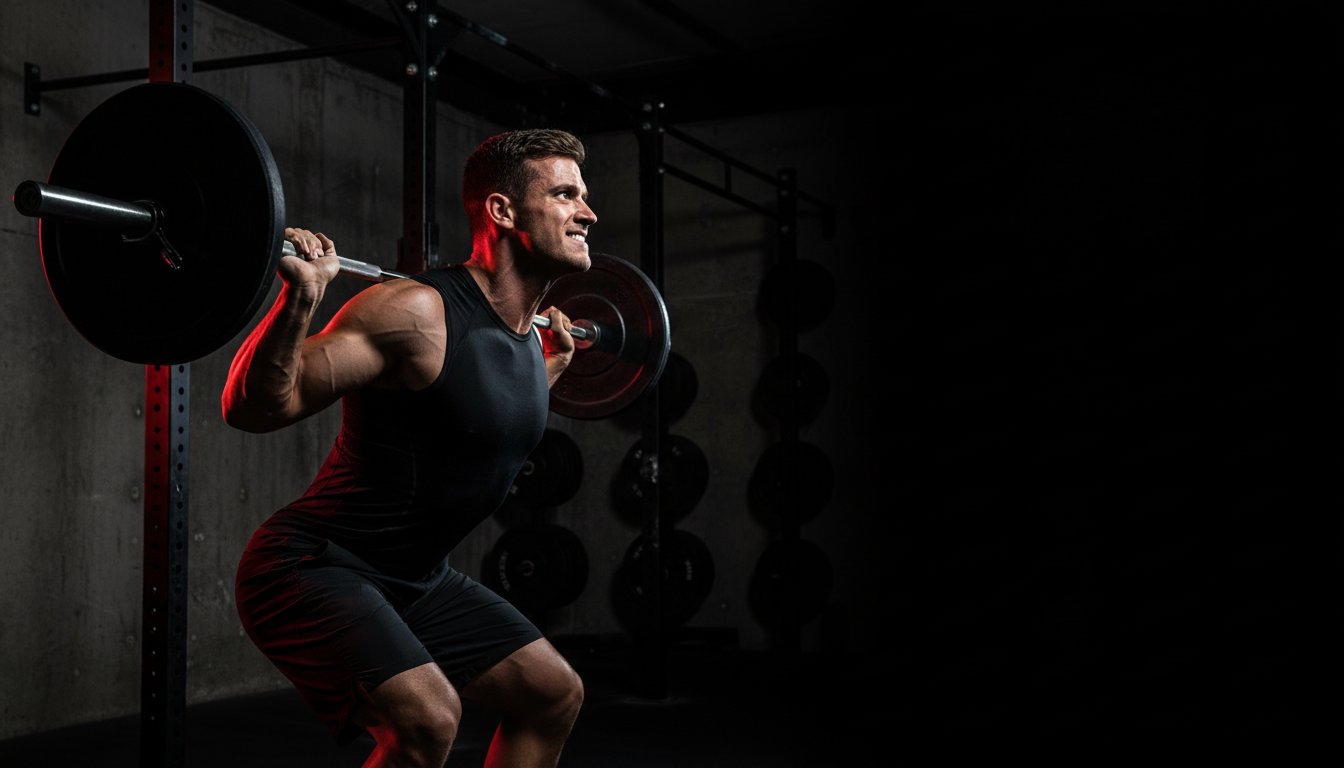
With the incidence of lower back pain among weightlifters reaching as high as 40.8%, that sharp ache in your lumbar spine isn't just a sign of a hard session; it's a signal that your support chain is failing. If you are focused on avoiding lower back pain during squats, you've likely realised that pushing through the pain only leads to stagnant progress and a fear of genuine injury. It's frustrating when your legs feel strong, but your spine feels vulnerable under the load.
We understand that back pain is rarely an isolated issue. It's typically a failure of the bracing system and the support chain. This guide will teach you the exact bracing techniques and mobility fixes required to eliminate discomfort and lift with absolute certainty. You'll gain a clear understanding of the mechanics behind spine safety and how to apply them to your next training session for immediate results.
We will also discuss choosing the right gear, such as a Team Industry UK 13mm Lever Belt, to provide the dependable support needed for heavy loads. This article delivers the practical steps to help you squat heavy without pain and maintain the consistency required for long-term strength gains. Let's get your training back on track with a focus on stability and safety.
Key Takeaways
- Master the "Canister Position" to align your ribcage and pelvis, ensuring your spine remains neutral and supported under heavy loads.
- Identify the mechanical causes of the "butt wink" and implement mobility drills to improve ankle and hip range of motion for a safer squat depth.
- Understand how to use a Team Industry UK Lever Belt as a tactical tool for avoiding lower back pain during squats by increasing intra-abdominal pressure.
- Learn how to use tempo squats and specific accessory movements to pinpoint form breakdowns and build a resilient, pain-free posterior chain.
Understanding Why Squats Cause Lower Back Pain
Lower back pain isn't just "bad luck" or a side effect of training hard. It's usually a mechanical failure. Most issues stem from lumbar compensation, a process where your spine takes on the load intended for your legs and glutes. This happens when your primary movers are fatigued or your bracing has failed. For a comprehensive overview of the squat and its biomechanical demands, it's clear the spine should function as a rigid pillar, not a primary mover.
One of the most frequent causes of injury is the "Butt Wink," or posterior pelvic tilt. This occurs when the pelvis tucks under at the bottom of the squat, forcing the lumbar spine to round while under significant load. This movement creates shear force on the vertebrae, specifically at the L4-L5 and L5-S1 levels. These two areas account for approximately 93% of localized back pain in lifters. When the spine moves from a neutral to a flexed position under a heavy bar, you're no longer lifting; you're risking a disc herniation.
The "lever arm" also plays a massive role in your safety. If the bar path deviates forward from your mid-foot, the distance between the weight and your lower back increases. This creates a longer lever, which puts massive torque on your lumbar spine. Keeping the bar in a straight vertical line is essential. Using a Team Industry UK Lifting Belt can help you maintain this rigid torso by providing a physical cue to brace against, shortening that effective lever arm and keeping the load over your centre of gravity.
You must learn to distinguish between "good" and "bad" pain. A dull, symmetrical ache in the muscles on either side of the spine is usually just muscle soreness. However, sharp, localized, or radiating pain is a red flag. If you feel a "zing" or a sudden catch, your bracing has likely failed. Avoiding lower back pain during squats requires the discipline to stop a set the moment your form degrades.
Common Technical Errors for Lifters
Hyper-extending the spine is just as dangerous as rounding it. Many lifters attempt a "stripper squat," where the hips rise faster than the chest, forcing the back to "good morning" the weight up. This puts immense pressure on the facet joints. Your bar placement also matters. High bar squats require an upright torso, while low bar squats require a forward lean. Choosing the wrong style for your hip anatomy is a primary reason for avoiding lower back pain during squats becoming a struggle. Match the bar position to your mobility to keep the spine stacked and safe.
Mastering the Bracing Sequence and Spine Neutrality
Bracing is often misunderstood as simply "sucking in" the stomach to look thinner. In reality, this mistake is a primary reason why lifters fail to protect their vertebrae. True bracing requires the creation of 360-degree intra-abdominal pressure (IAP). Intra-abdominal pressure is the primary internal support for the lumbar spine. By filling the abdominal cavity with high-pressure air, you create a rigid internal support system that stabilises the spine from the inside out. Following proper squat form to prevent back pain involves more than just leg drive; it requires mastering this internal pressure before the descent begins.
To maximise this pressure, you must achieve the "Canister Position." This means aligning your ribcage directly over your pelvis. If your ribs flare up or your lower back arches excessively, the canister "leaks" pressure, and your spine loses its structural integrity. A neutral spine acts as a rigid pillar for force transfer. It ensures that the power generated by your legs travels directly to the bar without being absorbed by your lower back. For lifters moving significant weight, a Team Industry 10mm Lever Belt provides a firm, dependable surface to brace against, which helps maintain this canister alignment throughout the rep.
The 3-Step Bracing Method
Mastering the sequence is essential for avoiding lower back pain during squats. Use this checklist on every set:
- Step 1: The Diaphragmatic Breath. Draw air deep into your belly and obliques rather than your chest. Your waistband should feel tight all the way around.
- Step 2: The Brace. "Crunch" down slightly to engage the abdominals and lock the ribcage and pelvis together. This solidifies the torso into a single, immovable unit.
- Step 3: The Root. Grip the floor with your feet and rotate your knees outward slightly. This creates external rotation torque in the hips, further stabilising the pelvis.
This systematic approach ensures your spine remains a neutral, rigid pillar. It prevents the lumbar compensation discussed earlier and allows you to focus entirely on the lift. Consistency in this sequence is what separates a safe, heavy squat from a potential injury.

Mobility and Gear: The Support System for a Healthy Spine
Mobility is the mechanical foundation that allows your bracing system to function. If your joints cannot move through the required range, your body will find that movement elsewhere, usually by forcing the lower back to round. Ankle dorsiflexion is often the hidden culprit. When your calves are too tight, your shins cannot tilt forward sufficiently. This shifts your centre of mass backward, making it impossible to stay upright and forcing the lumbar spine to compensate. Correcting this restriction is a vital step in avoiding lower back pain during squats.
Similarly, hip mobility dictates how deep you can "sit" into the movement without losing pelvic neutrality. Drills that target the hip flexors and adductors allow you to maintain the "Canister Position" we established earlier. Without this flexibility, the pelvis will inevitably tuck under, creating the dangerous shear forces mentioned in section one. High-quality gear acts as a secondary support system, providing the proprioceptive feedback your nervous system needs to stay rigid under load.
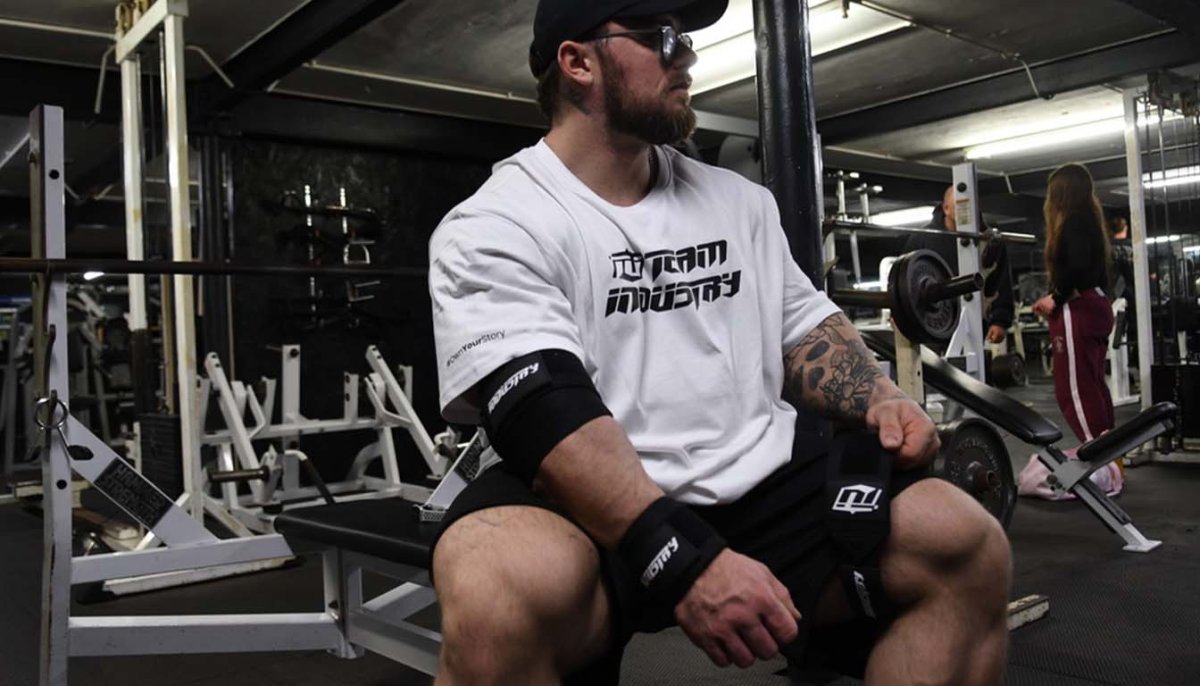
Integrating Team Industry Lifting Belts into your training offers a physical cue to maintain your brace. The belt doesn't do the work for you; it provides a firm surface for your abdominal wall to push against. This interaction significantly increases intra-abdominal pressure and ensures your spine remains a stable, rigid pillar throughout the entire rep.
The Role of Lifting Belts and Knee Sleeves
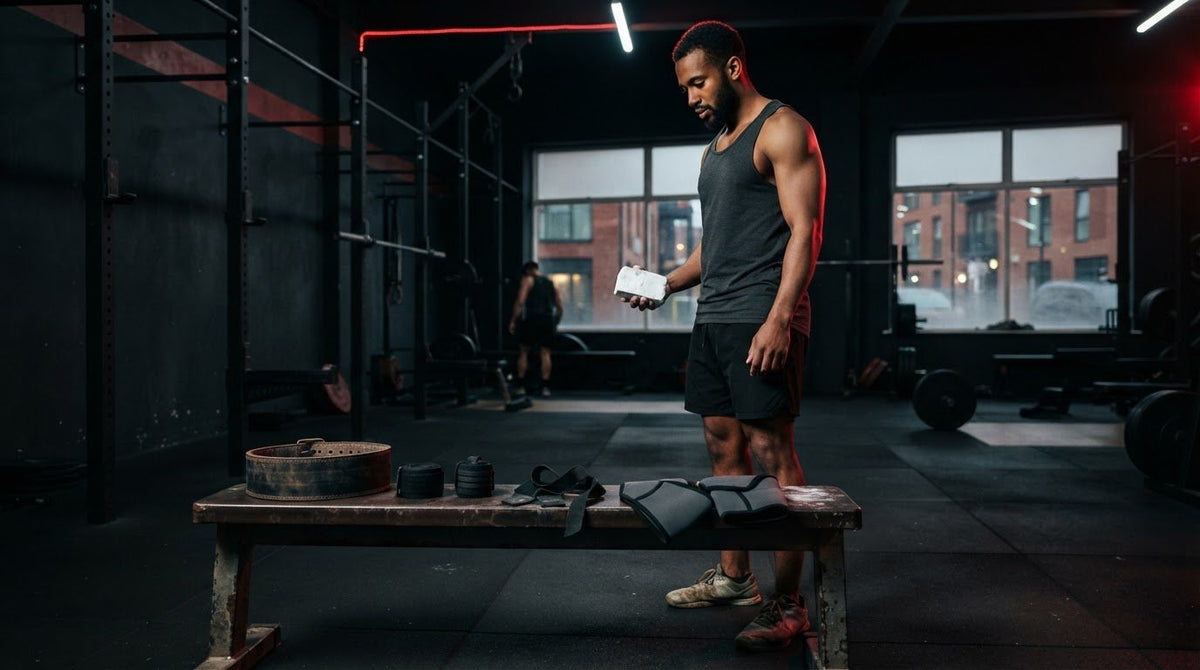
Choosing the right equipment depends on your specific lifting style and body type. A 10mm lever belt is often ideal for most lifters as it offers a balance of support and flexibility, while a 13mm belt provides maximum rigidity for competitive powerlifting. Using Heavy Duty Knee Sleeves also plays a tactical role in spine safety. By providing compression and warmth, they improve your "feel" for the bottom of the squat, giving you the confidence to drive upward without shifting the load onto your lower back.
If you're ready to secure your form and protect your spine, explore our full range of professional strength gear to find the perfect fit for your training needs.
Building Sustainable Strength Without the Aches
Achieving long-term progress requires more than just grit; it demands a tactical approach to movement quality. Tempo squats are one of the most effective tools for avoiding lower back pain during squats. By slowing down the eccentric phase, typically using a three-second descent, you can identify exactly where your bracing fails or your hips lose neutrality. This diagnostic approach allows you to fix technical flaws before they manifest as chronic lumbar discomfort.
Your accessory work should focus on bulletproofing the posterior chain. Romanian Deadlifts (RDLs) are essential for building hamstring and glute strength, which helps take the load off your lower back. Reverse Hypers are another dependable choice, as they provide active decompression for the spine while strengthening the erectors. For more technical insights, you can read our guide on Mastering the Squat: Common Mistakes to Avoid to ensure your movement patterns remain efficient.
A structured warm-up is non-negotiable. Focus on glute and core activation to ensure your primary movers are ready to support the load. Simple movements like bird-dogs or dead bugs prime the "canister" alignment we discussed earlier. This preparation signals to your nervous system that the spine is protected, allowing for a more confident and powerful lift.
Programming for Longevity
Fatigue is the primary driver of technical breakdown. When you're tired, your bracing softens and your hips may rise too early, shifting the weight onto your lumbar spine. Manage your volume and intensity to stay within your technical limits. Training to failure isn't necessary for strength gains and often increases injury risk. We recommend staying just below the point of failure for better long-term results. This approach aligns with the 2026 ACSM guidelines that emphasize consistency over complexity.
At Team Industry, we believe in the power of the "Team" philosophy. Record your sets from a side-on angle to review your bar path and pelvic tilt. Sharing these videos with a trusted partner or coach provides the external feedback needed to catch subtle errors you might not feel during the set. This commitment to operational excellence in your training ensures you remain a high-standard lifter for years to come.
Take Control of Your Squat Progress
Mastering your squat mechanics is about more than just moving weight; it's about ensuring every rep is a stable, controlled effort that protects your longevity. By prioritising the canister position and mastering a true 360-degree brace, you remove the burden from your lumbar spine and place it back on your legs. Consistency in these technical habits, paired with a focus on hip and ankle mobility, is the most reliable strategy for avoiding lower back pain during squats. Implementing tempo work and structured warm-ups ensures your body is always ready for the load.
At Team Industry, we provide the tools to help you lift with absolute confidence. Our heavy-duty accessories are designed by lifters, for lifters, ensuring they meet the high standards required in a safety-conscious environment. Our professional-grade 13mm Lever Belts are built for maximum bracing and are trusted by the UK Strongman and Powerlifting community to handle extreme loads. We are dedicated to providing the stability you need to push your limits safely.
Don't let discomfort stall your progress. Upgrade your support with Team Industry Strength Gear today and start training with the reliability you deserve. Your strongest, pain-free sets are still ahead of you.
Frequently Asked Questions
Is it normal for my lower back to be sore after squats?
Mild muscle soreness in the erector spinae is a common response to a heavy training session. It should feel like a dull ache that dissipates within 48 to 72 hours. However, sharp, localized, or radiating pain is a red flag for a technical failure or injury. If the discomfort feels deep in the spine rather than the surrounding muscle, you should reassess your bracing and load management to ensure you're effectively avoiding lower back pain during squats.
Does a lifting belt actually protect your back from injury?
A lifting belt protects your back by providing a rigid surface to brace against, which increases intra-abdominal pressure. It acts as a tactical cue for your core to stay tight. Using a Team Industry 10mm or 13mm Lever Belt helps maintain the canister position under heavy loads. While it isn't a substitute for good form, it significantly reduces the risk of lumbar compensation by reinforcing your spinal stability during the lift.
What is "butt wink" and how do I fix it during a squat?
"Butt wink" is a posterior pelvic tilt that occurs when the pelvis tucks under at the bottom of a rep. This movement forces the lumbar spine into flexion under load, which is a primary cause of disc issues. To fix it, you should improve your ankle dorsiflexion and hip mobility. Experimenting with a slightly wider stance or using heel-elevated shoes can also help you stay more upright, keeping your spine neutral.
Should I stop squatting if I have lower back pain?
You don't always need to stop squatting entirely, but you must modify your training intensity. If you experience sharp or radiating pain, stop the session immediately. For dull aches, try reducing the load or switching to variations like box squats or tempo squats to manage the stress on your spine. The goal is to maintain movement while avoiding lower back pain during squats by staying within your current technical and pain-free limits.
Can tight hip flexors cause back pain when I squat?
Yes, tight hip flexors often pull the pelvis into an anterior tilt, which leads to excessive arching in the lower back. This position puts the facet joints under unnecessary pressure before you even begin the descent. Incorporating dynamic stretches for the psoas and rectus femoris during your warm-up helps restore pelvic neutrality. This allows you to stack your ribcage over your pelvis, ensuring a safer and more efficient lift for your spine.
Share:
Top Weightlifting Brands: Key Benefits and Expert Selection
Common Deadlift Mistakes and How to Fix Them: The Professional Lifter’s Guide