

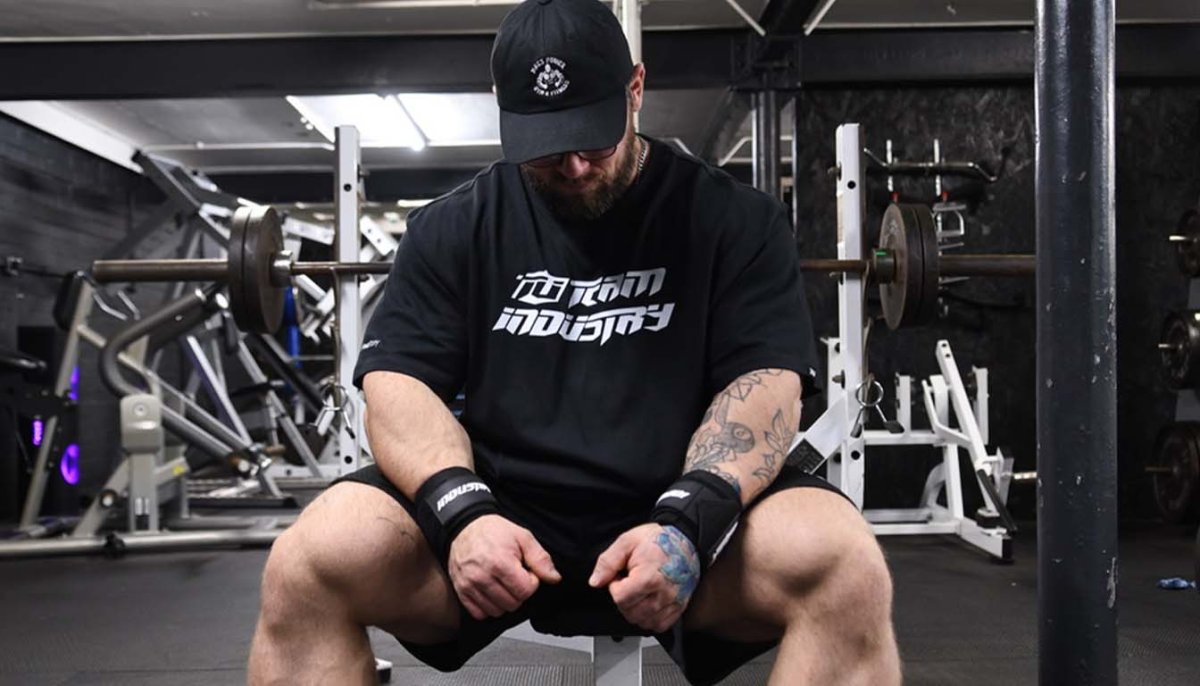
Did you know that nearly half of all gym-goers have experienced "gym anxiety" at some point? Walking into a fresh facility often feels like stepping onto a stage where you don't know the layout or the social script. You might worry about being judged by more experienced lifters or feel confused by unfamiliar equipment layouts. We understand that feeling confident in a new gym isn't just about showing up; it's about arriving with a sense of technical readiness and personal stability. It's common to feel out of place during your first month, but you can overcome that uncertainty by preparing like a professional.
This guide provides a pragmatic roadmap to help you transition from a newcomer to a gym regular within your first week. We'll show you how to eliminate anxiety by combining a solid technical plan with gear that signals competence. Mastering your equipment, such as knowing when to strap on a Team Industry Lifting Belt or how to utilize Figure 8 Lifting Straps, removes the guesswork that leads to hesitation. We'll preview the essential mental shifts and the physical "armour," including the Industry Oversized Tee, that will help you focus on your performance rather than your surroundings.
Key Takeaways
- Understand how the psychological concept of "enclothed cognition" helps you succeed when feeling confident in a new gym.
- Master your professional gear, such as a Team Industry Lifting Belt, at home to eliminate technical uncertainty and fumbling on the floor.
- Learn the essential rules of gym etiquette to gain immediate respect from experienced lifters and navigate crowded training areas with ease.
- Implement a structured first-week action plan that prioritizes environmental familiarity and operational consistency over raw training intensity.
Understanding "Gymtimidation" and the Power of Your Armour
Entering an unfamiliar weight room can trigger a physiological response similar to other high-stakes social interactions. This phenomenon, often called "gymtimidation," is a natural hurdle for many lifters. Understanding 'Gymtimidation' as a form of social anxiety helps normalize the experience. It isn't a personal failure; it's an evolutionary reaction to an environment where you feel evaluated by others. You aren't alone in this. Data suggests that 47% of Americans have experienced some form of gym anxiety.
One effective strategy for feeling confident in a new gym involves leveraging "enclothed cognition." This psychological theory posits that the clothes you wear don't just change how others see you. They change how you think and act. When you wear technical gear designed for performance, your brain adopts a more focused, professional mindset. You stop feeling like a spectator and start feeling like an operator.
To better understand how to approach your first sessions with a beginner-friendly mindset, watch this helpful video:
Selecting the right mens gym clothes functions as a form of psychological armour. Professional-grade apparel signals that you understand the environment. This isn't about vanity; it's about operational readiness. Choose apparel that balances physical comfort with a professional strength-sport aesthetic. This helps bridge the gap between being a newcomer and an established regular.
The Industry Oversized Tee as a Psychological Tool
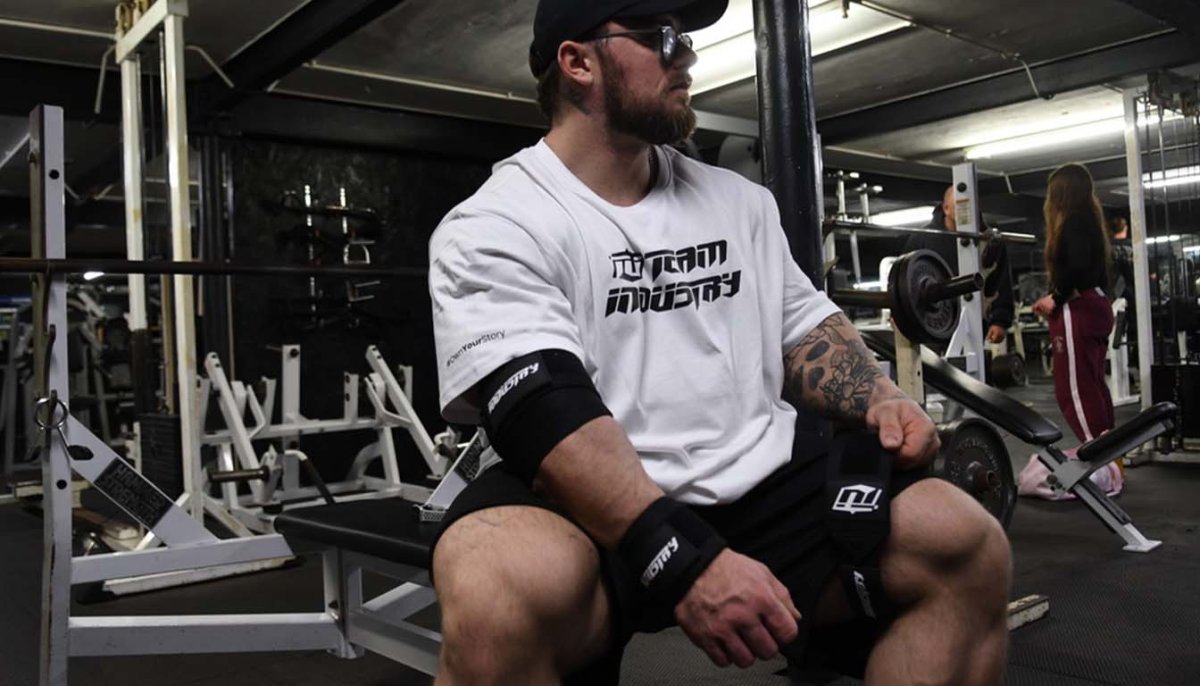
Serious lifters often prefer oversized fits. These garments provide a specific silhouette while allowing for a full range of motion during heavy compound movements. Wearing a brand rooted in strength culture, like the Industry Oversized Tee, creates an immediate connection to the community. It is a reliable first-day choice that ensures you stay mobile and focused during your training session. It provides the coverage you need while signaling that you're here to work.
Technical Competence: Master Your Gear to Eliminate Uncertainty
Fumbling with equipment is the primary cause of feeling self-conscious when you're feeling confident in a new gym. If you spend several minutes trying to figure out how to tighten a lever or wrap a strap, you draw unnecessary attention to your status as a newcomer. Technical competence with your own kit is the fastest way to signal that you belong on the floor. It allows you to move between stations with the efficiency of a regular.
We recommend mastering your personal gear at home before taking it to the training floor. Adjusting your weight lifting belt in a private setting ensures you can operate it quickly and efficiently during a rest period. This physical stability translates directly into mental focus. Professional gear acts as a functional bridge between novice efforts and the focused intensity required for intermediate training levels.
Mastering Lifting Straps and Grip Aids
The difference between a novice and a lifter often rests on grip management. If your hands give out before your back during heavy rows, your session is compromised. Learning how to use lifting straps properly allows you to focus entirely on the target muscle group. For heavy pull days, Industry Figure 8 Lifting Straps provide a secure connection to the bar that eliminates the fear of a slip. This technical advantage removes one more variable that could cause hesitation in a new environment.
The Role of Joint Support
Joint support tools like wrist wraps and knee sleeves provide more than just injury prevention. They offer "tactile certainty." When your joints feel compressed and supported, you can dedicate your full attention to the movement rather than nagging discomfort. Knowing your equipment limits allows you to ignore the environment and execute your technical plan with precision. If you're looking to upgrade your setup, explore our full range of strength gear to find the right support for your next session.
Mastering Gym Etiquette: Navigating the Floor Like a Regular
Operational excellence on the gym floor depends on mutual respect and spatial awareness. When you're feeling confident in a new gym, your behavior should signal that you understand the flow of a high-performance environment. This starts with a no-nonsense approach to personal space. Never crowd a lifter during a heavy set. Whether they are at a power rack or the bench press station, maintain a respectful distance until their bar is safely racked.
Re-racking your weights is the most direct way to earn respect from the local community. It demonstrates that you value the facility and the time of other members. If you're using multiple plates, return them to their designated pegs. When you need to "work in" or ask for a spot, wait for the person to finish their set completely. Make eye contact, keep the request brief, and be ready to move quickly to maintain the training tempo.
The Unwritten Rules of Strength Sports
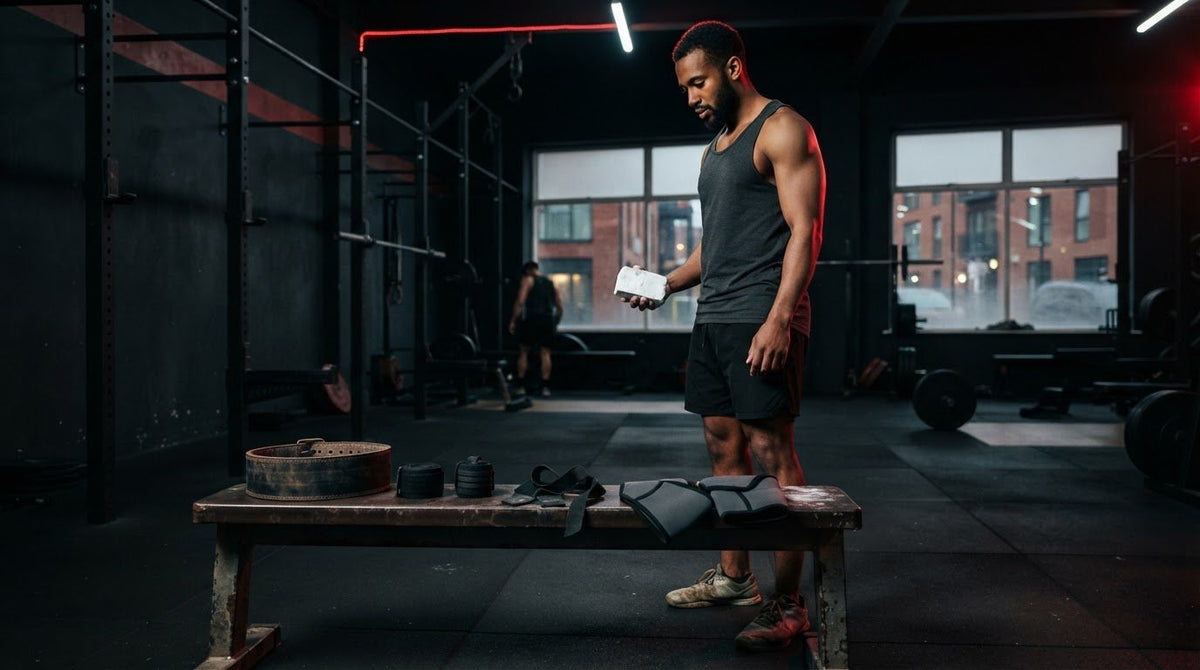
Respect the visual field of other lifters. Avoid walking directly between a lifter and the mirror, as they are likely using that reflection to monitor their technical form. Mirrors in a strength facility are operational tools, not vanity stations. Additionally, manage your equipment footprint. If you use liquid chalk to secure your grip, ensure you aren't leaving a mess for the next person. Liquid options are generally preferred in professional gyms because they provide superior grip without the airborne dust associated with traditional blocks.
Aim to be a "quiet specialist." The most respected individuals on the floor aren't usually the loudest; they are the ones who execute their technical plan with steady focus and minimal disruption. This professional demeanor helps you integrate into the local culture far faster than any hyperbolic display of intensity. To maintain your focus and keep your gear organized between stations, consider upgrading to one of our tactical back packs for your next session.
A Step-by-Step Action Plan for Your First Week
Transitioning from a visitor to a regular requires more than just showing up. You need a structured operational checklist to ensure you're training effectively while feeling confident in a new gym. Focus on consistency over intensity during your first three sessions. This isn't the time for a personal best; it's the time for environmental familiarisation. Establishing a rhythm early prevents the return of anxiety and sets the stage for long-term progress.
A prepared lifter is a confident lifter. Maintain a "Go-Bag" with all your essentials ready to go. This reduces the friction of getting out the door and ensures you aren't searching for gear in a new locker room. Using Team Industry Accessories, such as a dedicated shaker or tactical storage, keeps your equipment organised. When your gear is ready, your mind can stay on the workout.
Day One: The Reconnaissance Mission
Treat your first session as a reconnaissance mission. Success on day one is measured by your ability to navigate the space, not the weight on the bar. Follow these three steps:
- Arrive with a simple 3-exercise plan: This prevents decision fatigue. If the squat racks are full, you'll know exactly what your backup movement is without hesitation.
- Map the layout: Locate the racks, plate trees, and water stations early. Knowing where the essential tools sit prevents aimless wandering between sets.
- Wear your armour: Put on your Industry Oversized Tee. It provides a familiar physical sensation that anchors your identity as a lifter, even in a new space.
Building Long-Term Stability
Shift your internal focus from social evaluation to performance metrics by logging every set. When you focus on "am I progressing?" instead of "who is looking at me," your anxiety naturally dissipates. Integration into the community happens through steady presence. A simple, respectful nod to the regulars signals that you're part of the collective without being disruptive.
Consistency is the ultimate authority on the gym floor. You'll find that feeling confident in a new gym comes quickly when you respect the process and the people around you. Remember that Team Industry UK was founded by lifters who've all been the new person on the floor. We build gear for people who value the grit and reality of the training process, regardless of where they are in their journey.
Execute Your Plan and Own the Floor
Transitioning into a new training environment doesn't have to be a source of stress. By mastering your personal gear and respecting the unwritten social scripts of the weight room, you turn a high-stakes situation into a standard operational procedure. You've learned that feeling confident in a new gym is a direct result of preparation. It comes from arriving with a structured action plan and the right technical armour to support your performance.
We design our equipment with the grit and reality of the training floor in mind. Our gear is professional-grade and trusted by UK strength athletes because it's designed by lifters, for lifters. Whether you're wearing our high-quality Industry Oversized Tees for maximum comfort or utilizing our heavy-duty supports, you're signaling a commitment to excellence. Don't leave your first session to chance. Equipping yourself with the right tools provides the physical and mental stability you need to focus on your progress from day one.
Shop the full Team Industry Strength Collection to prepare for your next session
Stay focused on your technical goals and remember that every regular on the floor started exactly where you are today. We're here to help you bridge that gap with reliability and quality. You've got the plan; now it's time to execute.
Frequently Asked Questions
What should I wear to my first day at a new gym to feel confident?
Wear professional-grade apparel that balances physical comfort with a strength-sport aesthetic. An Industry Oversized Tee is a reliable choice because it provides a familiar silhouette and a full range of motion. This gear helps you blend into the local lifting community and signals that you're there for a serious session. Choosing the right uniform is a practical step toward feeling like a regular within your first week.
How do I avoid looking like a beginner when using lifting gear?
Master your personal equipment at home before bringing it to the training floor. If you're using a Team Industry Lifting Belt, ensure you can tighten and release it quickly without fumbling. Technical competence with your kit is a primary factor in feeling confident in a new gym. It prevents you from drawing unnecessary attention and allows you to focus entirely on your training performance.
What is the best way to ask someone how many sets they have left?
Wait for the lifter to finish their set completely and step away from the equipment before approaching. Keep the interaction brief and professional by asking, "Excuse me, how many sets do you have left?" If they have several left, ask if you can "work in" during their rest periods. This demonstrates respect for their training tempo and shows you understand the operational flow of a high-performance facility.
Is it normal to feel anxious before entering a new strength-focused gym?
It is extremely common, with data showing that 47% of Americans have experienced gym anxiety. This reaction is a natural response to a high-stakes social environment where you feel evaluated. You can mitigate this by arriving with a structured 3-exercise plan and wearing gear that makes you feel prepared. Overcoming this initial hesitation is a standard part of transitioning from a newcomer to a regular member.
Should I bring my own lifting straps and belt to a new gym?
You should absolutely bring your own gear to maintain consistency in your training. Using your own Weight Lifting Straps or knee sleeves ensures you know exactly how the equipment responds under load. Bringing a "Go-Bag" with your personal kit signals that you're a committed lifter. It helps you maintain physical stability in an unfamiliar environment while ensuring you have everything needed for a successful session.
Share:
Wrist Wraps vs Lifting Straps: The Ultimate Buying Guide for Strength Athletes
Do I Need Lifting Straps for Rack Pulls? Maximising Overload Without Grip Failure