

Your grip strength should never be the factor that dictates the growth of your back or the success of your deadlift max. It's a common frustration for strength athletes to feel their hands giving out long before their primary muscles are fatigued; similarly, joint instability often leads to unnecessary pain during heavy pressing sessions. Understanding the practical differences between wrist wraps vs lifting straps is the first step toward eliminating these bottlenecks and protecting your long-term physical integrity.
We know you value equipment that is dependable and compliant with the latest standards. This guide provides a calculated look at which gear suits your training goals, whether you're looking to isolate a muscle group or stabilize a heavy bench press. You'll learn the technical mechanics of each tool, gain clarity on federation rules like the 2024 USPA equipment policy shift, and discover how to select durable gear that performs under pressure. This approach ensures your investment in equipment is as pragmatic and results-oriented as your training program.
- Determine if your training bottleneck is joint instability or grip fatigue to select the correct mechanical intervention.
- Evaluate material friction and durability, prioritizing leather or heavy-duty nylon for consistent performance in professional environments.
- Use our technical comparison of wrist wraps vs lifting straps to choose equipment that meets your specific sport and joint safety requirements.
- Verify that your gear complies with current regulatory standards, such as the 2024 USPA Featured Equipment guidelines.
- Invest in professional-grade tools from Team Industry UK, such as our Wrist Wraps or Figure 8 Lifting Straps.
Understanding the Limiting Factor: Wrist Wraps vs Lifting Straps
Successful lifting requires identifying exactly which part of your kinetic chain is failing first. When comparing wrist wraps vs lifting straps, the distinction lies in whether you need to stabilize a joint or secure your connection to the weight. A wrist wrap acts as a rigid support for the joint during heavy pressing. Conversely, a lifting strap serves as a mechanical anchor. This prevents the bar from slipping out of your hand when your forearm muscles fatigue.
To determine your immediate gear requirement, apply the "Limiting Factor" test. If your wrist buckles or feels unstable during a heavy bench press, you're facing a stability issue. If your grip fails during a heavy deadlift before your back is fully taxed, you're facing a tactile bottleneck. Understanding the core purpose of wrist wraps vs lifting straps helps you address these specific failures with precision. While many strength athletes own both, they serve opposite functions; you'll rarely find a scenario where you need to cast your wrist and anchor your grip on the same individual movement.
To better understand this concept, watch this helpful video:
When to Reach for Wrist Wraps
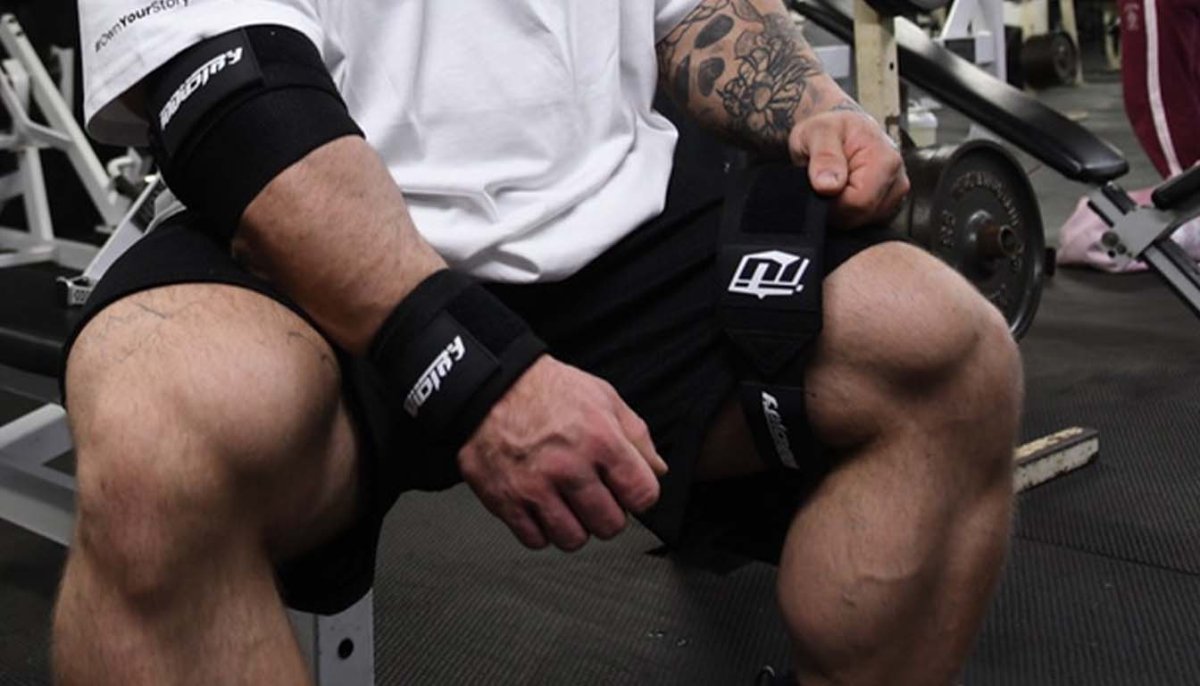
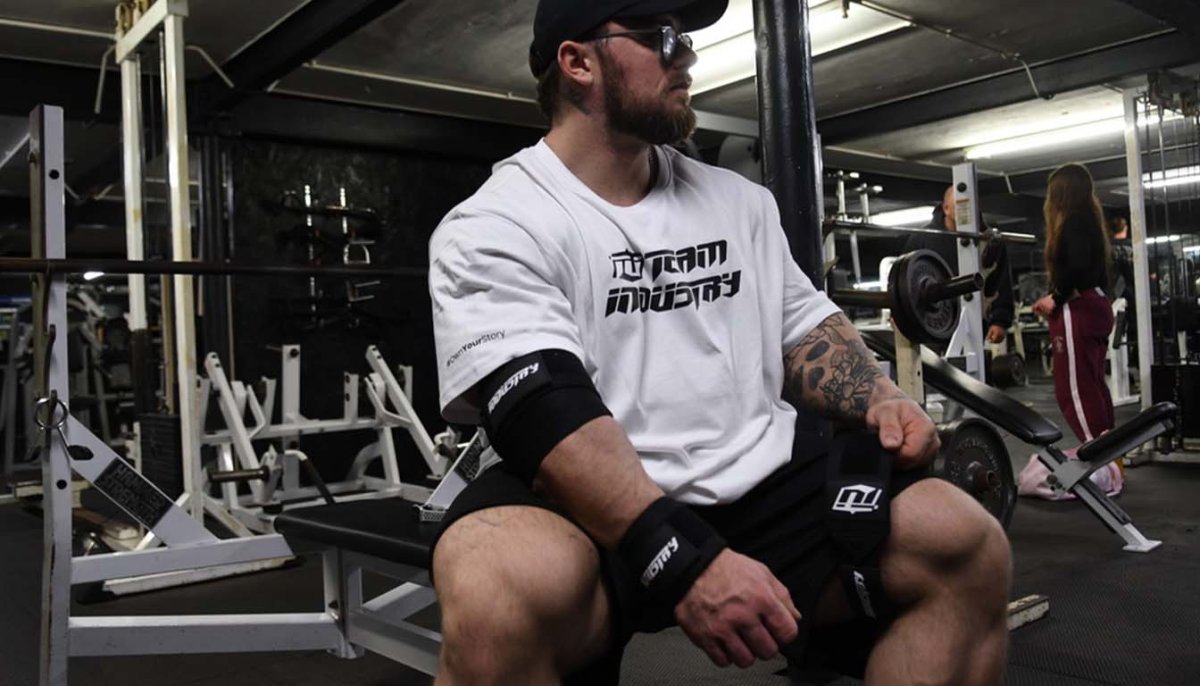
Wrist wraps are essential for "Push" movements including the bench press, overhead press, and even low-bar squats where the wrists take significant load. These tools prevent painful hyperextension by keeping the joint in a neutral, stacked position. Wrist wraps function as a tension-based casting system for the carpal bones. By wrapping the material tightly, you create a structural column that transfers force directly from your palm through your forearm. For maximum stability, professional athletes often rely on heavy-duty Wrist Wraps to maintain alignment during max-effort attempts.
When Lifting Straps are Essential
For "Pull" movements like deadlifts, heavy rows, and shrugs, Lifting Straps are the industry standard for bypassing forearm fatigue. These aids ensure your target muscles reach true failure without being limited by your hand strength. This is vital for high-volume bodybuilding or max-effort pulls where the grip often gives out first. Using Figure 8 Lifting Straps allows you to focus entirely on the pull rather than the hold. For a deeper look at optimizing your technique, see our guide on Mastering Your Pull: The Ultimate Guide to Lifting Straps.
Technical Specifications: Materials, Stiffness, and Durability
Selecting the right equipment requires a pragmatic look at material science. For lifting straps, cotton is a common entry point due to its comfort, yet it tends to stretch under extreme loads. Nylon offers superior durability and a thinner profile, though it can feel slick on the bar without proper knurling. Leather Weight Lifting Straps provide the most consistent "bite" and durability; they mold to your hand over time for a professional, custom fit. When evaluating wrist wraps vs lifting straps, remember that material integrity directly impacts your safety during max-effort attempts.
Stiffness levels in wrist wraps are equally critical. Flexible wraps allow for some joint mobility, making them ideal for high-rep bodybuilding or accessory movements. Stiff wraps are designed specifically for powerlifting, providing a rigid cast that prevents any joint deviation. High-standard gear utilizes industrial-grade Velcro and reinforced thumb loops to ensure the wrap stays secure under high tension. Avoid "one size fits all" claims. Professional strength gear is built to specific lengths and stiffness ratings to meet individual biomechanical needs.
Strap Variations: Lasso, Figure 8, and Hooks
- Lasso Straps: These are the versatile all-rounders. They wrap securely around the bar and are easily adjustable for most pulling movements.
- Figure 8 Straps: A Strongman staple, Figure 8 Lifting Straps anchor you to the bar so securely that the weight becomes "un-droppable," which is essential for max deadlifts.
- Weightlifting Hooks: These are specialized tools for lifters with hand injuries or those who prefer a hook-and-loop system over traditional wrapping.
Wrist Wrap Length and Tension
Length dictates the level of support. A 12-inch wrap provides moderate support for accessory work, while 18-inch wraps are the industry standard for general strength training. For competitive benching, 24-inch wraps offer maximum revolutions around the joint for ultimate compression. To apply correctly, start with the thumb loop and pull the material with steady tension. You want the joint to feel compressed and supported without losing sensation in your fingers. If you're looking for dependable support, consider upgrading to professional-grade Wrist Wraps for your next session.
The Buying Guide: Selecting Gear for Your Specific Sport
Selecting the right equipment depends entirely on your competitive discipline. When weighing the utility of wrist wraps vs lifting straps, bodybuilders often prioritize the mind-muscle connection. By using Weight Lifting Straps, they remove the forearm as a limiting factor during high-volume back sessions. Powerlifters, however, must consider technical specifications and federation rules. Since the USPA moved to a "Featured Equipment List" in 2024, athletes are responsible for ensuring their gear meets rulebook standards. For these lifters, a stiff wrap is the priority for maintaining joint integrity during the bench press. Strongmen require even more specialized tools, often opting for Figure 8 Lifting Straps to survive high-rep axle deadlifts and rapid medley transitions.
Avoid the mistake of purchasing gear that's too soft for your strength level. If you're moving heavy loads, flexible wraps won't provide the casting effect needed for joint safety. Similarly, wraps that are too long for your wrist size create unnecessary bulk that can interfere with your grip position. Choosing the right tool requires a pragmatic assessment of your current lifting numbers and future goals.
Evaluating Build Quality
Look for reinforced box-stitching rather than single-thread patterns. This ensures the material doesn't fray under the extreme tension of a max-effort pull. The "bite" or friction of the material on the barbell is also vital; leather and heavy-duty nylon offer a superior grip compared to cheap, slick synthetics. Professional gear should feel like an extension of the body, not a distraction.
Maintenance and Longevity
Keep your gear functional by hand-washing it in cold water with mild detergent. Never put wraps in a dryer, as high heat destroys the elastic fibers and compromises the Velcro's grip. Retire your equipment once you notice significant elastic thinning or if the Velcro fails to hold under load. To ensure your equipment remains a reliable partner on the platform, invest in professional-grade Team Industry UK strength gear today.
Top Picks: Professional Strength Gear from Team Industry UK
Investing in professional-grade equipment is a calculated decision that goes beyond immediate performance gains. High-quality gear acts as a vital safety measure, reducing the risk of acute injury during max-effort attempts. When choosing between wrist wraps vs lifting straps, the quality of materials determines how much force the equipment can actually absorb. Team Industry UK has engineered its range to withstand the specific rigors of the platform and the commercial gym floor alike.
The Industry Wrist Wraps - Blackout provide 18 inches of heavy-duty support, offering the rigid casting required for serious benchers and overhead pressers. For those focusing on the pull, the Figure 8 Lifting Straps are designed for maximum security, ensuring the barbell stays locked in place even when your grip reaches its limit. If you're a bodybuilder focused on high-volume hypertrophy, the Industry Classic Lifting Straps offer a durable cotton construction that provides comfort without sacrificing the "bite" needed for heavy rows.
Why Team Industry UK Gear Stands Out
Our equipment isn't just manufactured; it's tested in the toughest UK strength environments. We design every piece of gear to be a dependable partner for athletes who understand the grit of heavy lifting. By using industrial-grade materials and reinforced stitching, Team Industry UK ensures its products withstand years of operational abuse. You can browse the full Wrist Wraps Collection to find the specific stiffness and length that matches your training goals.
Complete Your Kit
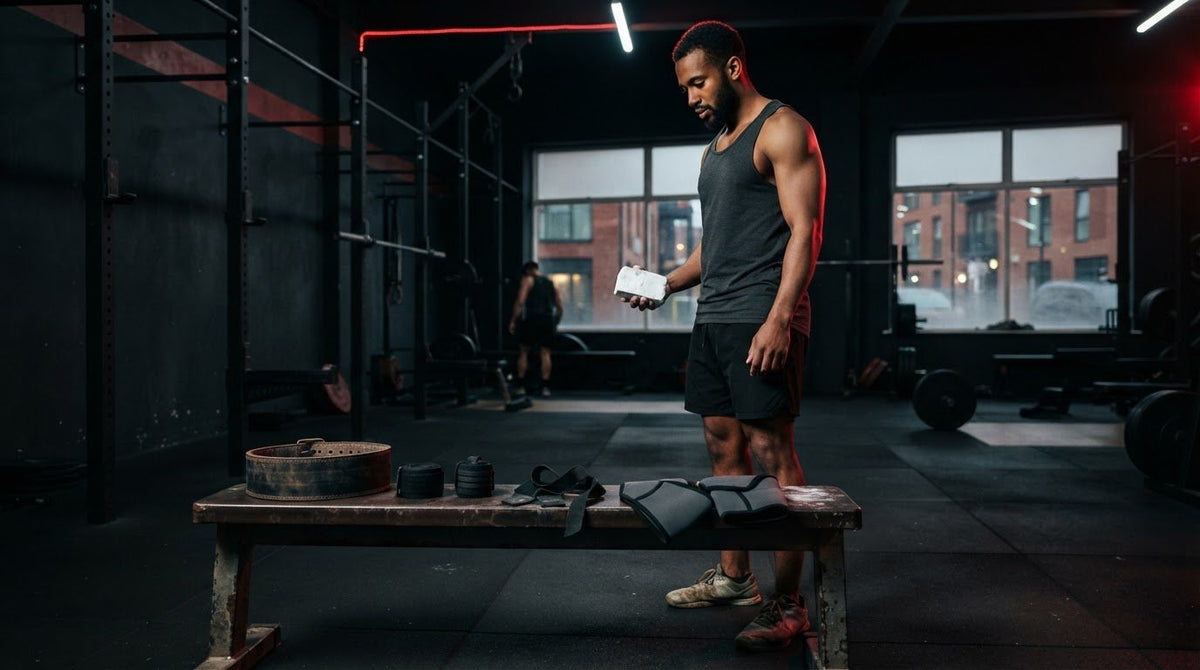
Achieving total joint protection requires a holistic approach to your equipment. We recommend pairing your wraps with Heavy Duty Knee Sleeves to stabilize the lower body during compound movements. Additionally, using Liquid Chalk alongside your straps creates a bulletproof grip by removing moisture and increasing friction. Don't leave your safety to chance. Shop the professional range at Team Industry UK and secure your next personal best with confidence.
Secure Your Next Personal Best
Selecting the right support is a calculated step toward operational excellence in the gym. Whether your focus is on stabilizing a max-effort bench or securing a heavy pull, understanding the mechanics of wrist wraps vs lifting straps ensures your equipment never becomes the weak link. This tactical choice allows you to push past previous plateaus while maintaining the joint integrity required for a long-term lifting career. By addressing your specific training bottlenecks with professional gear, you ensure every session is productive and safe.
As a dedicated UK-based strength specialist, Team Industry UK provides the industrial-grade tools needed for these high-stakes environments. Our gear is designed for the specific durability requirements of Powerlifting and Strongman, ensuring stability when it matters most on the platform. Don't let subpar gear hinder your progress or compromise your safety. Upgrade your training with Team Industry UK Wrist Wraps and approach your next session with the quiet confidence of a well-equipped athlete. Keep pushing your limits and stay focused on your goals.
Frequently Asked Questions
Do wrist wraps make your wrists weaker over time?
No, using joint support does not inherently weaken your wrists if you manage your training loads correctly. These tools are designed to provide a mechanical advantage during max-effort attempts where the weight exceeds your natural joint stability. To maintain your baseline strength, perform your warm-up and accessory sets without support. Only apply your wraps once you reach approximately 80% of your maximum capacity to ensure your connective tissues still experience enough stress to adapt.
Can I use lifting straps for bench press?
You should never use lifting straps during a bench press or any other pressing movement. Straps are engineered to anchor your hands to the bar for pulling exercises; using them while pressing creates a significant safety risk by preventing you from safely releasing the bar in an emergency. When evaluating wrist wraps vs lifting straps for "push" days, always opt for wraps. They provide the necessary joint compression while allowing your hands to remain free for safety.
How tight should my wrist wraps be during a set?
Your wraps should be tight enough to create a rigid, cast-like sensation around the carpal bones without causing numbness or tingling in your extremities. You want to feel a high level of compression that prevents the joint from bending backward under load. It's vital to loosen the Velcro immediately after you finish your set. This allows blood flow to return to the hand and prevents nerve irritation during your rest periods between heavy attempts.
What is the difference between lasso straps and figure 8 straps?
Lasso straps utilize a single loop around the wrist with a tail that you wrap around the barbell, offering a balance of security and a quick release. Figure 8 Lifting Straps use a double-loop design that locks your hand firmly against the bar. While lasso straps are more versatile for general bodybuilding, figure 8 straps are the preferred choice for Strongman and heavy deadlifts because they make the weight virtually impossible to drop.
Are wrist wraps legal in powerlifting competitions?
Yes, wrist wraps are legal in almost all major powerlifting federations, though you must adhere to specific technical requirements regarding length and width. Most federations, such as the IPF, limit wrap length to 1 meter and width to 8cm. Following the 2024 USPA equipment policy change, it's now the athlete's responsibility to ensure their gear meets the technical specifications in the rulebook. Always check your federation's featured equipment list before your competition date to confirm compliance.
Share:
Best Lifting Gear for Bodybuilding: The 2026 Essential Guide
Feeling Confident in a New Gym: The Lifter’s Guide to Physical and Mental Prep