
What if your grip strength is the primary factor holding back your lat development? It's a frustrating reality when your forearms give out during a heavy set of rows long before your target muscles reach fatigue. Finding the best lifting gear for bodybuilding isn't about looking for a shortcut. It's about using professional-grade tools to isolate specific muscle groups and remove the physical bottlenecks that stall hypertrophy. Many athletes struggle with joint discomfort or get caught using powerlifting equipment that doesn't quite serve bodybuilding goals.
We agree that your focus should remain on the mind-muscle connection, not on whether your equipment will hold up. With commercial equipment prices surging by nearly 45 percent since 2024, investing in dependable gear like a Team Industry Lifting Belt or Heavy Duty Knee Sleeves is a pragmatic move for your longevity. This guide will help you discover how the right professional-grade gear can isolate target muscles, enhance safety, and accelerate your hypertrophy goals. We'll preview the essential kit you need to bridge the gap between heavy compound movements and precision muscle isolation.
Key Takeaways
- Learn how to identify physical "limiting factors" and why professional equipment is designed to bypass them for superior muscle stimulation.
- Discover how to select the best lifting gear for bodybuilding by matching specific tools like Liquid Chalk and Weight Lifting Straps to your current strength levels.
- Understand the mechanical advantages of using Figure 8 Lifting Straps to ensure your back muscles reach failure before your grip does.
- Gain technical insights into using a Team Industry Lifting Belt and Heavy Duty Knee Sleeves to maximize safety and proprioception during heavy sets.
- Follow a logical, step-by-step guide to building a professional-grade kit that scales with your hypertrophy goals and training intensity.
Why Bodybuilders Use Specific Lifting Gear for Muscle Growth
Bodybuilding is a game of precision. Unlike general fitness, it requires you to isolate specific muscles to create a symmetrical and aesthetic physique. The best lifting gear for bodybuilding serves as a specialized toolset designed to remove "limiting factors." These are the secondary muscles or physical constraints that fail before the primary muscle group is fully stimulated. If your forearms give out during a set of heavy rows, your back muscles miss out on the necessary growth stimulus. By using professional-grade equipment, you shift the load back to where it belongs.
There is a significant psychological advantage to using high-quality gear. When you feel secure in your setup, you can dedicate your full mental energy to the mind-muscle connection. This internal focus is critical for hypertrophy. In the UK, professional-grade equipment should meet specific durability standards to ensure it handles the rigors of high-volume training. Consulting a comprehensive list of exercise equipment helps clarify how specialized tools differ from basic gym accessories. Reliability in your kit means you aren't distracted by a slipping grip or a shifting belt during your most intense sets.
To better understand how specific grip aids impact your training, watch this helpful video:
The Difference Between Bodybuilding and Powerlifting Gear
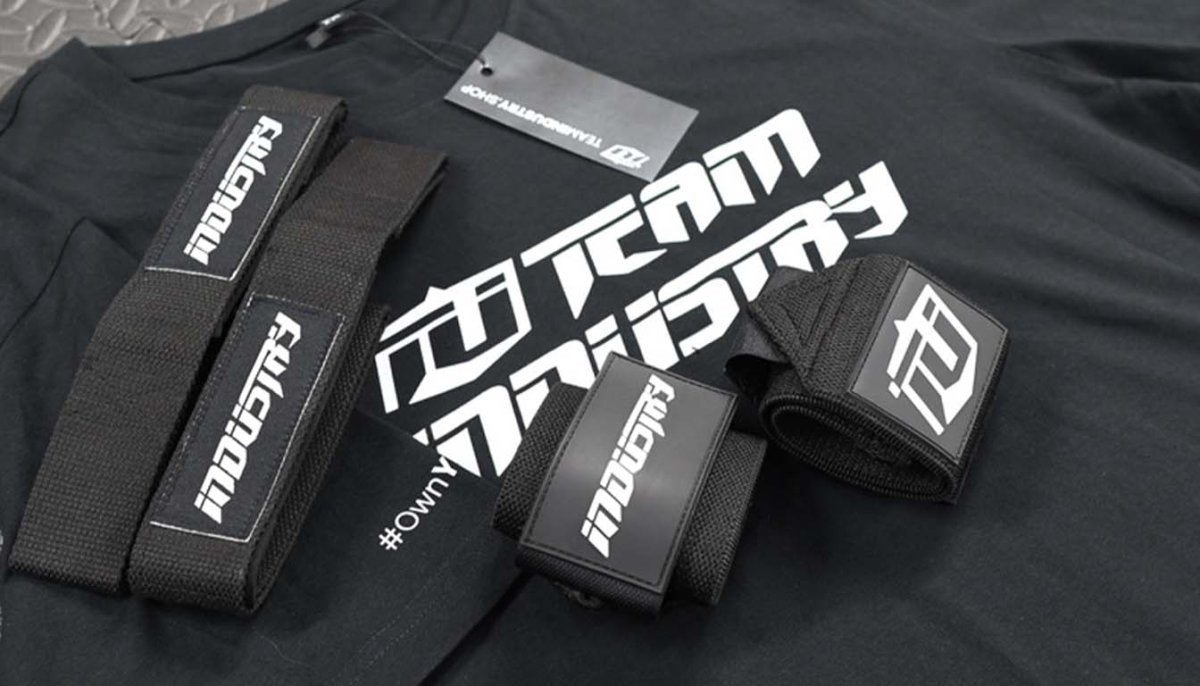
Powerlifting gear is built for a single purpose: moving the maximum amount of weight for a single repetition. It's often rigid and designed to provide a mechanical rebound effect. Bodybuilding gear prioritizes target muscle fatigue and time under tension. You need equipment that supports multiple reps and varied angles. For instance, Industry Figure 8 Lifting Straps are specifically engineered to lock you into the bar. This allows you to perform high-volume pulling movements without your grip becoming the weak link. It's the difference between lifting for a total and lifting for a look.
Maximising Hypertrophy: The Role of Lifting Straps and Grip Aids
Relying on raw grip strength often limits your potential during heavy pulling sessions. To build a world-class physique, you must understand that your hands are merely hooks. Using the best lifting gear for bodybuilding allows you to bypass forearm fatigue and place the tension exactly where it belongs. There are three primary ways to achieve this: Lasso straps for versatility, Figure 8s for absolute security, and Pro Hooks for pure isolation. Each serves a specific role in a professional training program.
Deciding between Liquid Chalk and mechanical straps depends on your specific goal for the set. Chalk is ideal for maintaining a natural feel while preventing sweat from ruining your grip. However, for maximum hypertrophy, mechanical straps are often superior. When using a classic strap, ensure you wrap it toward you, over the bar, and pull it tight like a motorbike throttle. This creates a secure bond without restricting blood flow to your hands.
For athletes who struggle to "feel" their lats, Team Industry Pro Hooks provide a unique solution. They remove the need to squeeze the bar entirely. This shift in mechanics allows you to focus exclusively on the elbow drive, which is the secret to a thick, wide back. By removing the hand's grip as a limiting factor, you can ensure the target muscle reaches true failure.
Isolation Tactics for Back Day
Effective back training requires you to treat your arms as cables. When you eliminate the need to crush the bar with your hands, you can better initiate movements with your lats. This is especially true during pulldowns and rows. Similarly, Lifting Straps are a non-negotiable tool for high-rep Romanian Deadlifts. Your hamstrings and glutes can handle far more weight than your grip can sustain for 10 to 12 reps. Using straps ensures your posterior chain reaches failure, not your fingers. If you're looking to upgrade your kit, consider browsing our full range of professional lifting straps.
Essential Support: Choosing the Right Weightlifting Belts and Sleeves
Selecting the best lifting gear for bodybuilding involves understanding the specific mechanics of your body under load. A Weight Lifting Belt is a foundational tool for compound movements because it facilitates increased intra-abdominal pressure. It's a common misconception that belts weaken your core. In reality, they provide a rigid surface for your abdominal muscles to brace against. This bracing creates a stable pillar for your spine, allowing you to transfer more force into the bar during heavy squats and presses.
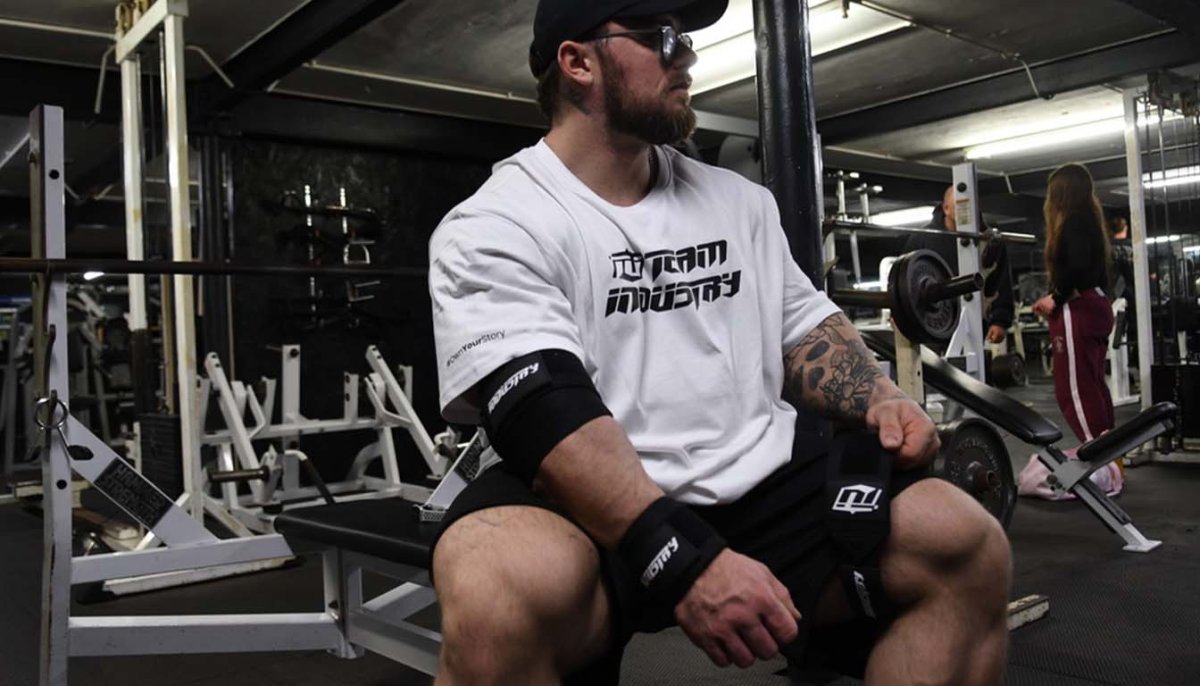
Foundational stability extends to your joints as well. During lower body sessions, Heavy Duty Knee Sleeves provide essential support by maintaining joint warmth and improving proprioception. This heightened awareness of your joint positioning is vital when you're pushing through high-volume leg cycles. Similarly, for upper body work, Wrist Wraps ensure your wrists stay aligned during a heavy bench press. This prevents energy leaks and reduces the risk of strain when handling near-maximal loads.
Lever Belts vs. Prong Belts for Bodybuilding
The choice between a lever and a prong belt depends on your training rhythm. Lever belts offer a quick-release mechanism that's perfect for bodybuilding sets where you need to breathe between exercises without fully removing your kit. Prong belts allow for easier micro-adjustments if your waist size fluctuates during a bulk or cut. Regarding thickness, while powerlifters often prefer 13mm for maximum rigidity, a 10mm belt is often the best lifting gear for bodybuilding. It provides sufficient bracing without being so thick that it digs into your ribs during seated overhead presses or bent-over rows.
Secure your core and protect your joints by choosing from our full range of professional-grade belts today.
How to Build a Professional-Grade Bodybuilding Kit
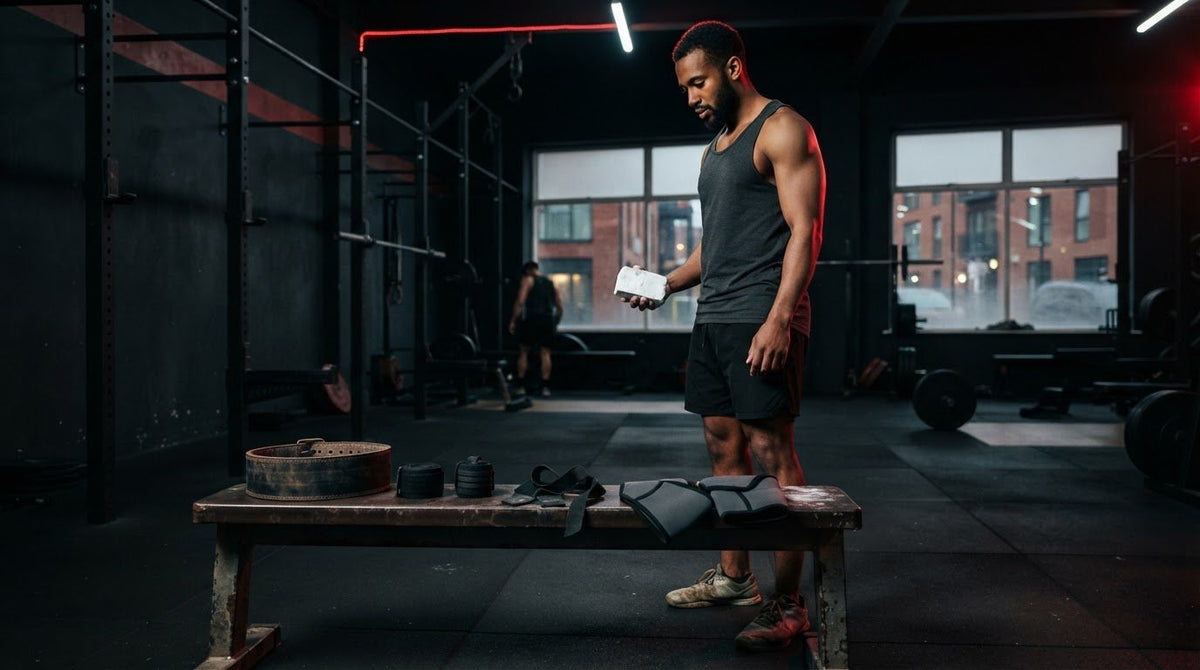
Building a professional kit is a strategic process that should mirror your training progression. You don't need to purchase every accessory on your first day in the gym. Instead, introduce tools as your strength levels and training volume demand them. This phased approach ensures you don't become over-reliant on equipment before developing foundational stability. Selecting the best lifting gear for bodybuilding requires identifying exactly when a specific muscle group is being held back by a secondary weak point.
- Step 1: Foundational Stability. Start with Liquid Chalk and Wrist Wraps. These tools provide essential friction and alignment for pressing and pulling without fundamentally altering the lift's mechanics.
- Step 2: Overcoming Grip Limits. As your pulling strength exceeds your hand's capacity, incorporate Lifting Straps. Use them only on your heaviest working sets to maintain natural grip development during warm-ups.
- Step 3: Core Bracing. Invest in a high-quality Lever or Prong Belt once you begin handling near-maximal loads on squats, deadlifts, and overhead presses.
- Step 4: Joint Longevity. Add Knee and Elbow Sleeves to your kit to manage joint temperature and proprioception during high-intensity hypertrophy cycles.
By following this sequence, you ensure that every piece of the best lifting gear for bodybuilding serves a clear purpose in your program. It allows you to push closer to local muscle failure while maintaining the safety standards required for a long-term lifting career.
Maintenance and Quality: Why Professional Gear Matters
The durability of your equipment directly impacts your safety and performance. Team Industry Strength Gear utilizes reinforced stitching and high-grade materials to withstand the heavy friction of daily bodybuilding sessions. Cheap alternatives often fray or lose elasticity within months. To protect your investment, wipe down neoprene sleeves after every session and allow them to air dry. For leather belts, avoid extreme heat and use a damp cloth for cleaning. Proper maintenance ensures your professional kit remains a reliable partner in your hypertrophy goals for years to come.
Upgrade Your Training for Maximum Hypertrophy
Effective bodybuilding requires more than just effort. It requires the right tools to ensure your target muscles reach failure before your support systems do. By integrating specialized equipment like lifting straps and hooks, you bypass the common bottlenecks that stall growth. Using a structured, phased approach to building your kit ensures you have the stability and joint protection needed for long-term progress. Finding the best lifting gear for bodybuilding is a pragmatic investment in your physique and your safety.
We are a UK-based brand dedicated to supporting local federations and individual athletes with dependable equipment. Our range includes professional-grade 13mm lever belts and reinforced heavy duty knee sleeves designed for maximum support during your heaviest cycles. We understand the grit required to excel in labor-intensive training environments and offer the reliability you need to stay focused on your goals.
Shop the full range of professional Team Industry Strength Gear today. Take control of your training environment and ensure every set counts toward your ultimate physique. Keep pushing for those extra reps.
Frequently Asked Questions
Is it better to use lifting straps or develop grip strength?
Using Weight Lifting Straps is superior for hypertrophy when your grip becomes the limiting factor. You should develop natural grip strength during your warm-up sets, but switch to straps for your heaviest working sets. This ensures your target muscles reach failure before your hands do. When selecting the best lifting gear for bodybuilding, prioritize tools that remove these physical bottlenecks to maximize muscle stimulation.
Does wearing a weightlifting belt prevent all back injuries?
A Team Industry Lifting Belt does not eliminate the risk of injury, but it provides a rigid surface to improve intra-abdominal pressure. This support helps stabilize the spine during heavy compound lifts. You must still maintain proper form and technical proficiency. Think of a belt as a tool to enhance your existing bracing mechanics rather than a substitute for good technique or core development.
What is the difference between knee sleeves and knee wraps?
Heavy Duty Knee Sleeves provide compression and joint warmth, whereas knee wraps are designed to provide mechanical assistance. Bodybuilders typically prefer sleeves for their consistent support and ease of use across multiple sets. Wraps are generally reserved for maximum weight attempts because they can alter your natural squat mechanics. Sleeves offer a better balance of protection and range of motion for high-volume training.
Can I use powerlifting gear for a bodybuilding competition prep?
You can use powerlifting gear, but ensure it doesn't restrict the range of motion needed for hypertrophy. If you plan to compete in powerlifting alongside bodybuilding, check the IPF Approved List for compliance. For example, STOIC apparel is permitted in IPF competitions until December 31, 2026. The best lifting gear for bodybuilding often prioritizes mobility and comfort over the extreme rigidity found in specialized powerlifting equipment.
How tight should my wrist wraps be for a bench press?
Your Wrist Wraps should be tight enough to eliminate joint movement without causing numbness or sharp pain. Wrap them firmly around the wrist joint, ensuring the material covers the base of the hand to create a stable pillar. You don't need maximum tension for every set. Adjust the tightness based on the weight on the bar to maintain foundational stability and prevent energy leaks during your press.
Share:
Heavy Duty Knee Sleeves for Squats: The Ultimate Guide to Support and Performance
Wrist Wraps vs Lifting Straps: The Ultimate Buying Guide for Strength Athletes