

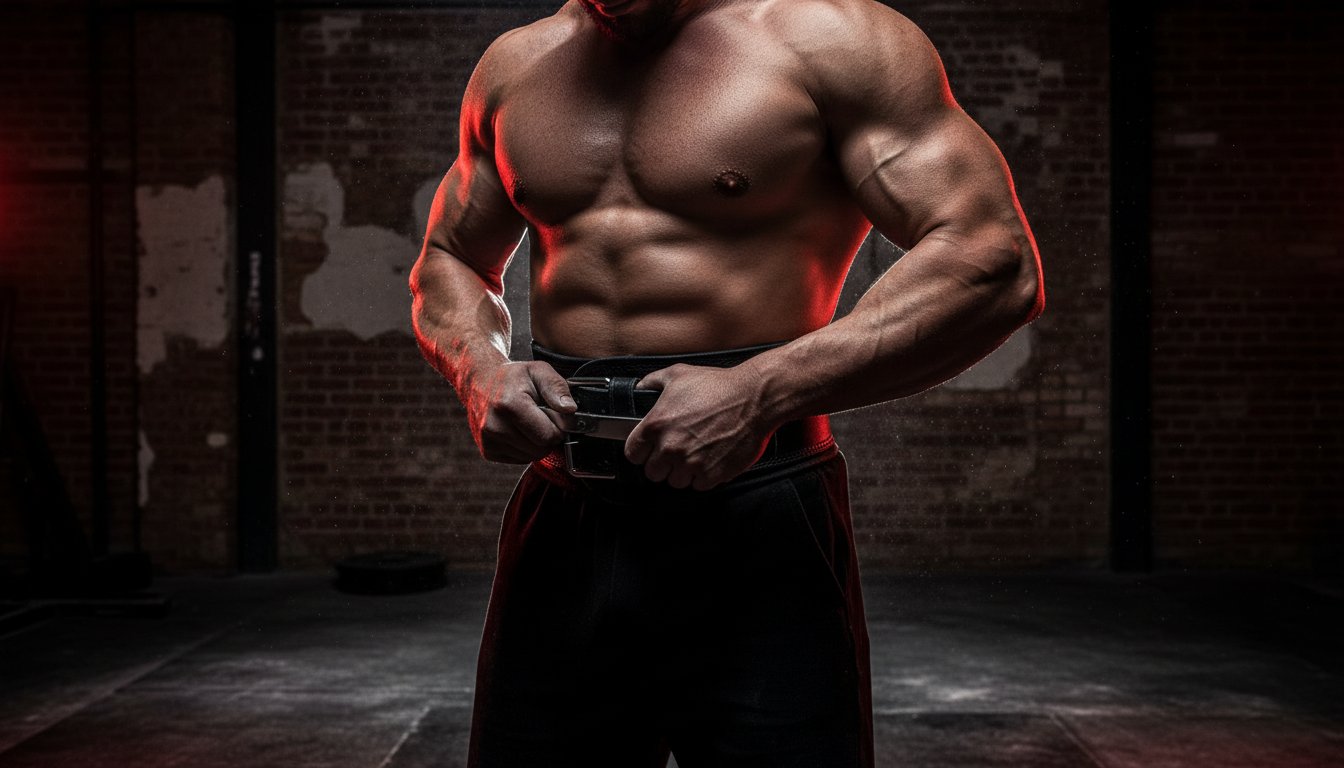
A broken lever mid-squat isn't just an inconvenience; it's a safety failure that could sideline your training for months. You shouldn't have to settle for sub-par gear or wait weeks for international shipping from the US just to get a reliable piece of equipment. Finding the best weightlifting belt brands UK athletes trust means looking for high-spec materials that meet federation standards without the logistical headaches.
We understand that a belt is a long-term investment in your structural integrity. You need a tool that provides consistent intra-abdominal pressure, whether you're hitting a heavy triple or testing a new one-rep max. This guide explores top-rated options and explains how our own Team Industry UK Lifting Belt offers the professional-grade durability required for the grit of the platform. You'll learn the practical differences between 10mm and 13mm thickness, clarify current federation regulations regarding brands like Stoic, and get clear advice on choosing between lever and prong mechanisms to match your specific strength goals.
Key Takeaways
- Identify the hallmarks of professional-grade gear, such as genuine vegetable-tanned leather, and understand why UK-based support is essential for sizing accuracy.
- Compare the best weightlifting belt brands UK athletes rely on, including competition-standard options like SBD and our own durable Team Industry UK lever belts.
- Decide between the speed of a lever and the adjustability of a prong while finding the sweet spot between 10mm and 13mm thickness for your lifting style.
- Follow a step-by-step guide to measuring your brace correctly at the navel and learn how to break in stiff leather safely without compromising its integrity.
Table of Contents
What Defines the Best Weightlifting Belt Brands in the UK?
A professional weightlifting belt serves as a rigid wall for your abdominal muscles to brace against, facilitating the intra-abdominal pressure necessary to stabilize the spine during maximal efforts. It is a technical tool designed for performance, not a comfort accessory for general lumbar support. Selecting from the best weightlifting belt brands UK markets offer involves scrutinizing material integrity and ensuring the gear meets the specific demands of your training environment or lifting federation.
To understand how these materials and designs perform under load, watch this technical breakdown of current top-tier options:
Material Quality and Tanning Processes
The most reliable brands prioritize vegetable-tanned leather over cheaper chrome-tanned or "genuine leather" alternatives. In the industry, "genuine leather" is often a misleading term for split leather or bonded scraps that lack structural rigidity. Professional-grade equipment, such as the Team Industry UK Lifting Belt, utilizes multiple layers of top-grain leather. This construction ensures the belt remains stiff under extreme tension, preventing the roll or stretch that occurs with synthetic fillers. Vegetable tanning creates a denser, more durable finish that matures with use rather than breaking down.
UK Logistics and Community Support
Pragmatic lifters prioritize brands with a physical presence in the United Kingdom. International orders often lead to complications with customs fees and lengthy delays for sizing exchanges. A UK-based brand provides the security of local customer support and faster shipping for critical gear. For competitive athletes, federation approval is a non-negotiable standard. Brands that invest in the UK strength community understand the specific regulations of governing bodies like the IPF. This ensures your equipment is legal for the platform from day one, avoiding the frustration of being turned away at the equipment check because of non-compliant gear.
The Top Weightlifting Belt Brands for UK Lifters in 2026
Identifying the right equipment requires balancing performance needs with budget. The market for the best weightlifting belt brands UK athletes use has evolved to prioritize local accessibility and high-end materials. There is clear scientific evidence on belt mechanics showing how a rigid belt increases intra-abdominal pressure to protect the spine. This confirms why investing in a quality leather brand is superior to using thin, flexible alternatives often found in general fitness stores.
Team Industry UK: Professional Grade Lever Belts
Our Team Industry UK Lifting Belt is built for the high-tension demands of strongman and powerlifting. We offer both 10mm and 13mm lever belts to cater to different rigidity requirements. The 13mm model provides maximum stability for heavy compounds where spine neutral positioning is critical. The 10mm version offers a versatile balance for those who need more mobility during movements like the clean and press or heavy rows. The lever mechanism is a pragmatic choice. It allows for a quick release between sets so you can recover without struggling with prongs or buckles. If you're ready to upgrade your bracing, explore our lever belt collection to find your fit.
Specialist Brands for Customisation and Competition
For those requiring high-end, competition-standard equipment, Eleiko remains a significant player in the UK market. Their powerlifting belts, such as the Quick Release 13mm model, are recognized for their precision and durability on the international stage. If you require bespoke aesthetics, Mobility Tools offers a unique approach with artisanal UK manufacturing. They specialize in custom leatherwork for lifters who want a unique look or specific colourways that aren't available in mass-produced lines. When evaluating the best weightlifting belt brands UK lifters trust, consider your training frequency and competition goals. A stock belt from a reputable UK-based specialist usually provides the best balance of speed, cost, and reliability for most strength athletes.

Technical Selection: Lever vs. Prong and 10mm vs. 13mm
Choosing between different belt specifications is a matter of matching gear to your specific training volume and body mechanics. Belt thickness is always a trade-off between absolute support and the mobility required for certain lifts. While looking for the best weightlifting belt brands UK lifters recommend, you'll find that the decision often rests on how much rigidity your spine needs versus how much movement your hips require. A belt that is too stiff for your current strength level can actually hinder your ability to reach proper depth in a squat or set your back in a deadlift.
The Lever Mechanism: Reliability and Speed
A lever belt is the standard for those prioritizing speed and a consistent brace. A high-quality lever should have no "play" in the buckle and produce a crisp locking sound when engaged. This mechanism provides a secure, repeatable fit every time you step onto the platform. However, be aware that levers require a screwdriver for adjustments if your waist size fluctuates during a bulk or cut. For lifters who perform multiple movements requiring different tightness levels, such as moving from squats to overhead press, a prong belt offers easier on-the-fly adjustability. You can consult an expert guide to choosing a weightlifting belt to see how these mechanisms compare in competitive settings.
Width and Thickness: Sizing for Your Torso
The 10mm thickness is often the "sweet spot" for most bodybuilders and strongmen because it offers significant support without being overly restrictive. When browsing the best weightlifting belt brands UK retailers provide, look for 10mm options if you value a faster break-in period and better positioning in the bottom of a squat. You should consider a 13mm belt, like our 13mm Lever Belt, once you are moving weights that exceed 2.5 times your body weight or if you require maximum vertical stability for world-class attempts. While 4-inch belts are the industry standard, lifters with shorter torsos may find 3-inch options prevent the leather from digging into the ribs or hips. This is particularly relevant when selecting Strongman Training Gear UK athletes use for overhead events, where torso clearance is vital for a clean rack position.
Secure your next personal best by choosing the right support for your specific lifting style. Shop our professional lever belt range today.
Implementation: How to Measure, Season, and Maintain Your Belt
Acquiring a high-quality piece of equipment from the best weightlifting belt brands UK athletes trust is only the first step. To ensure the gear performs as intended, you must measure accurately and maintain the leather's structural integrity. A poorly fitted belt or a neglected lever mechanism can lead to inconsistent bracing or equipment failure during a heavy set. Follow these pragmatic steps to integrate your new belt into your training routine effectively.
The Measurement Protocol
Do not use your trouser waist size to select a belt. This is the most common error that leads to sizing exchanges. Instead, use a flexible tape measure at the level of your navel, which is the "point of use" where the belt sits during a squat or deadlift. Pull the tape tight while bracing your abdominals slightly, as if preparing for a lift. If your measurement falls between two sizes, size up for lever belts. This provides enough leather overlap for the lever plate to sit securely against the belt body without pinching. For those looking to complete their kit, our all industry strength gear collection provides the necessary chalk and accessories to support a secure grip alongside your new belt.
Long-term Maintenance and Safety
New 13mm leather belts are notoriously stiff. Rather than waiting for the leather to stop bruising you, season the belt by rolling it tightly in both directions. This manual manipulation softens the vegetable-tanned fibers without compromising the belt's rigidity. Repeat this process daily for the first week of ownership. Maintenance is equally vital for safety. Wipe down the interior leather with a damp cloth after every session to remove salt from sweat, which can cause the leather to crack over time. Check your lever screws once a month. Use a screwdriver to ensure the pins remain tight, as vibrations from dropping weights can loosen the hardware.
A belt provides the foundation for your brace, but it often works in tandem with other tools. For heavy pulls, many athletes find that lifting straps and belts work together to remove grip as a limiting factor, allowing for total focus on spinal stability. Treat your belt as a precision tool. Keep it clean, keep the hardware tight, and it will remain a dependable partner for years of heavy training.
Secure Your Strength with Professional Equipment
Choosing the right support system requires a clear understanding of your body mechanics and the specific demands of your lifts. You now have the technical knowledge to distinguish between lever and prong mechanisms and to decide if a 10mm or 13mm thickness matches your current strength goals. Identifying the best weightlifting belt brands UK lifters rely on is about more than just aesthetics; it's a commitment to your long-term safety and structural integrity during maximal efforts.
We build our gear to withstand the grit of the platform. Used by competitive UK strongmen, our belts feature reinforced stitching and premium leather designed for years of heavy use. We provide next-day UK shipping so you can get back to training without delay. Don't let sub-par equipment or long international wait times limit your next personal best.
Explore the Team Industry Professional Lifting Belt Collection
Consistency is the only path to progress. Invest in gear that matches your work ethic and provides the stability you need to lift with absolute confidence. We look forward to seeing your totals climb as you push toward your next milestone.
Frequently Asked Questions
Are lever belts better than prong belts for powerlifting?
Lever belts are superior for powerlifting because they offer a consistent, repeatable level of tightness that doesn't vary between sets. They allow you to lock in your brace instantly and release it with a single motion, which is crucial for managing fatigue during heavy training. While prong belts allow for easier micro-adjustments, the structural security of a lever makes it the preferred mechanism among the best weightlifting belt brands UK lifters choose for the platform.
How do I know if I need a 10mm or 13mm weightlifting belt?
Base your decision on your lifting experience and the specific movements in your programme. A 10mm belt provides a balance of support and mobility, making it ideal for most bodybuilders and strongmen. Advanced lifters moving extreme loads often require the maximum vertical stability of a 13mm belt. If you find that a standard belt flexes under your maximal squats, it is time to transition to a more rigid 13mm option to maintain spinal integrity.
Can I use a powerlifting belt for Olympic weightlifting?
Using a 4-inch powerlifting belt for Olympic lifts is possible but often impractical due to the restricted hip mobility in deep catches. The uniform width can dig into the ribs or hips during the snatch and clean and jerk. If you train both disciplines, a 10mm belt offers more flexibility than a 13mm version. However, dedicated Olympic weightlifters usually opt for tapered leather or nylon belts to ensure an unobstructed range of motion during explosive movements.
How tight should my weightlifting belt be during a heavy set?
Fit your belt so that you can slide two fingers between the leather and your relaxed abdomen. This spacing ensures you have enough room to draw a full breath into your belly before bracing. When you expand your core against the belt, it should feel like a solid, unyielding wall. If the belt is too tight, it will restrict your breathing and actually decrease the intra-abdominal pressure required to stabilize your spine effectively.
How do I break in a stiff leather weightlifting belt quickly?
Roll your belt tightly in both directions several times before every training session to break down the initial stiffness. This manual manipulation mimics years of use in just a few days, making the leather more pliable and comfortable. Focus on the sections that wrap around your hip bones to prevent bruising. Avoid applying leather conditioners or heat, as these can weaken the structural rigidity necessary for a professional-grade Team Industry Lifting Belt.
Share:
Best Grip Exercises for Deadlift: Stop the Bar Slipping and Pull Heavier
Avoiding Lower Back Pain During Squats: A Lifter’s Guide to Pain-Free Strength