

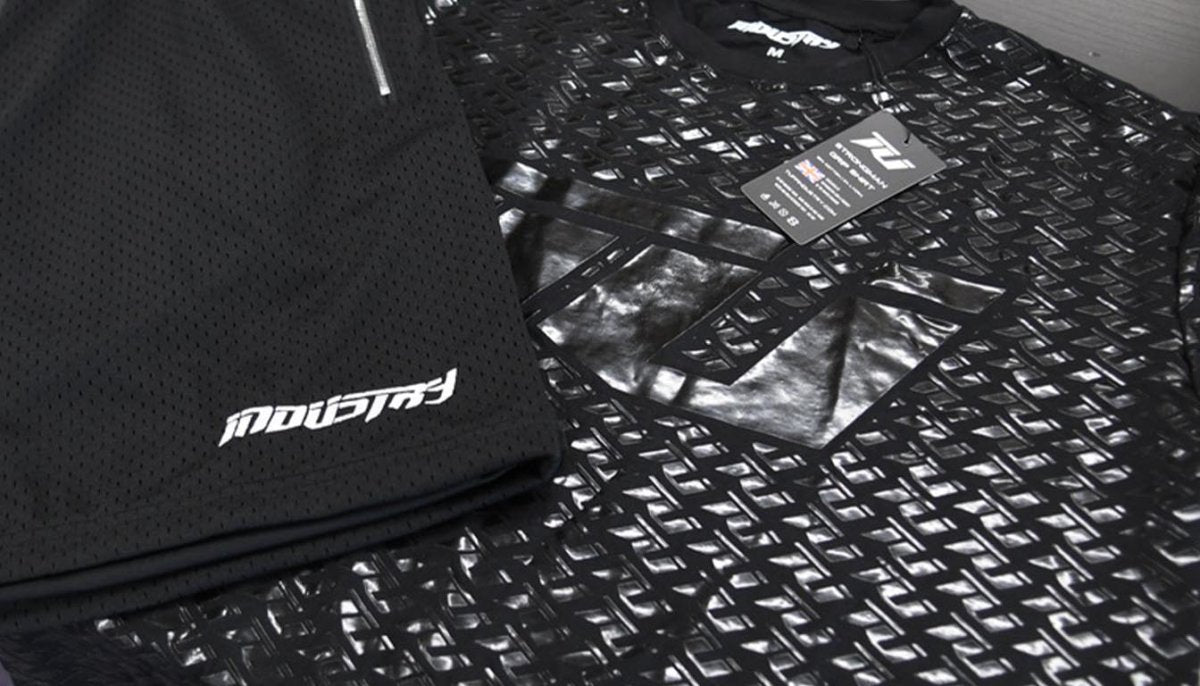
What if the gear you rely on for standard gym lifts is actually increasing your risk of injury during a high-impact yoke walk? Most athletes understand that moving odd objects requires a different level of stability than a standard barbell. You've likely felt that moment of frustration when your grip fails on a 50mm axle deadlift or your midsection feels vulnerable under the weight of a heavy frame. Selecting the right essential equipment for strongman training is about more than just hitting a new PR. It's about providing the structural integrity required to survive the sport's unique mechanical demands and high-stakes events.
We've built this guide to help you identify the professional-grade support gear and accessories you need to safely master strongman events and build elite-level strength. You'll learn the definitive list of non-negotiable support gear and finally understand the practical differences between 10mm and 13mm lever belts. We also preview how specific tools like heavy-duty sleeves and figure 8 straps can immediately improve your performance in technical events like the log press and Atlas stones. It's time to stop guessing and start training with the dependable kit used by the specialists at Team Industry UK.
Key Takeaways
- Understand why standard gym gear is insufficient for the multi-planar demands of odd-object lifting and how professional equipment prevents common training injuries.
- Identify the essential equipment for strongman training required to maintain joint health, including the specific benefits of Heavy Duty Knee Sleeves supplied by Team Industry UK.
- Learn how to leverage Figure 8 Lifting Straps and Smelling Salts to manage grip failure on thick axle bars.
- Discover why durable apparel like the Industry Oversized Tee from Team Industry UK is a functional necessity for protecting your skin against abrasive implements.
The Foundations of Strongman Training: Why Professional Gear is Non-Negotiable
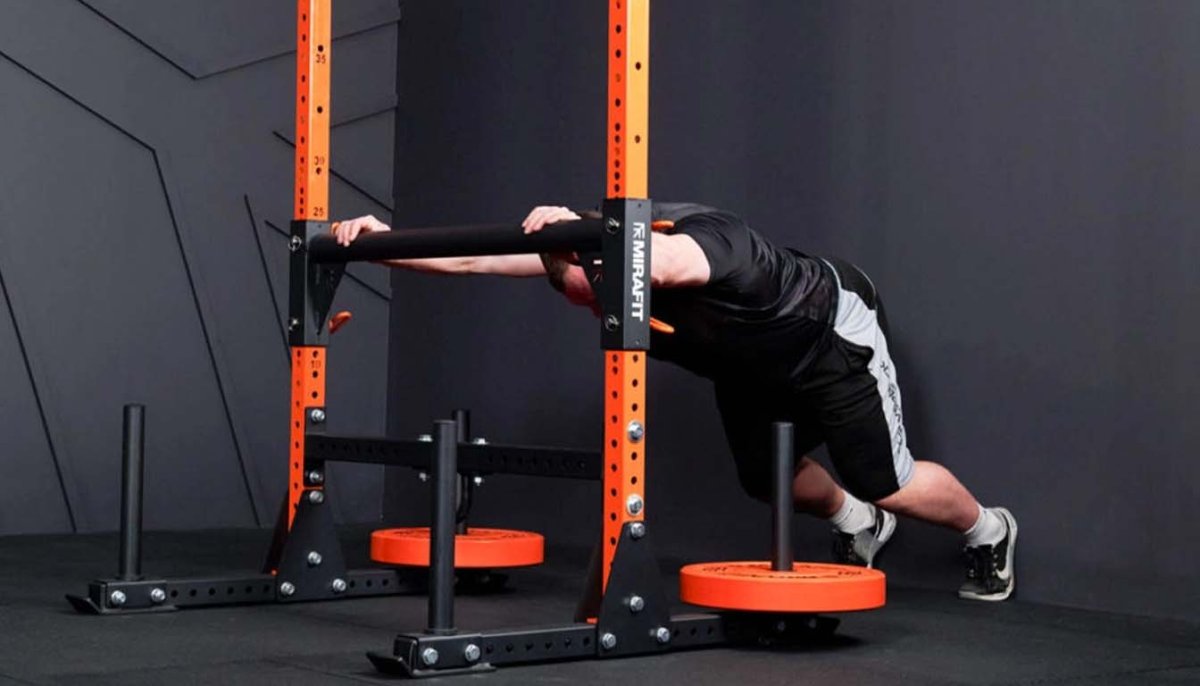
Strongman training forces the body through unpredictable ranges of motion that standard gym gear cannot handle. Unlike a controlled barbell movement, events like the yoke walk or sandbag carry involve lateral forces and shifting centers of gravity. Relying on basic fitness accessories under these conditions often leads to premature equipment failure and potential safety compromises. Professional-grade support gear functions as the essential interface between the athlete and the implement; it ensures that your force is transferred efficiently while protecting your structural integrity.
The primary role of this kit is injury prevention and joint stabilization under maximal loads. As the strength training equipment market grows toward a projected $13.79 billion in 2026, manufacturers are prioritizing biomechanics to help athletes survive the sport's high-impact nature. Using the right essential equipment for strongman training allows you to focus on the technical execution of the lift rather than worrying about a belt slipping or a knee joint collapsing under a heavy frame carry. Team Industry UK develops these tools with this structural safety as the absolute priority.
To better understand what you should be carrying in your kit bag, watch this helpful video:
Support Gear vs. Event Apparatus: Building Your Kit Bag
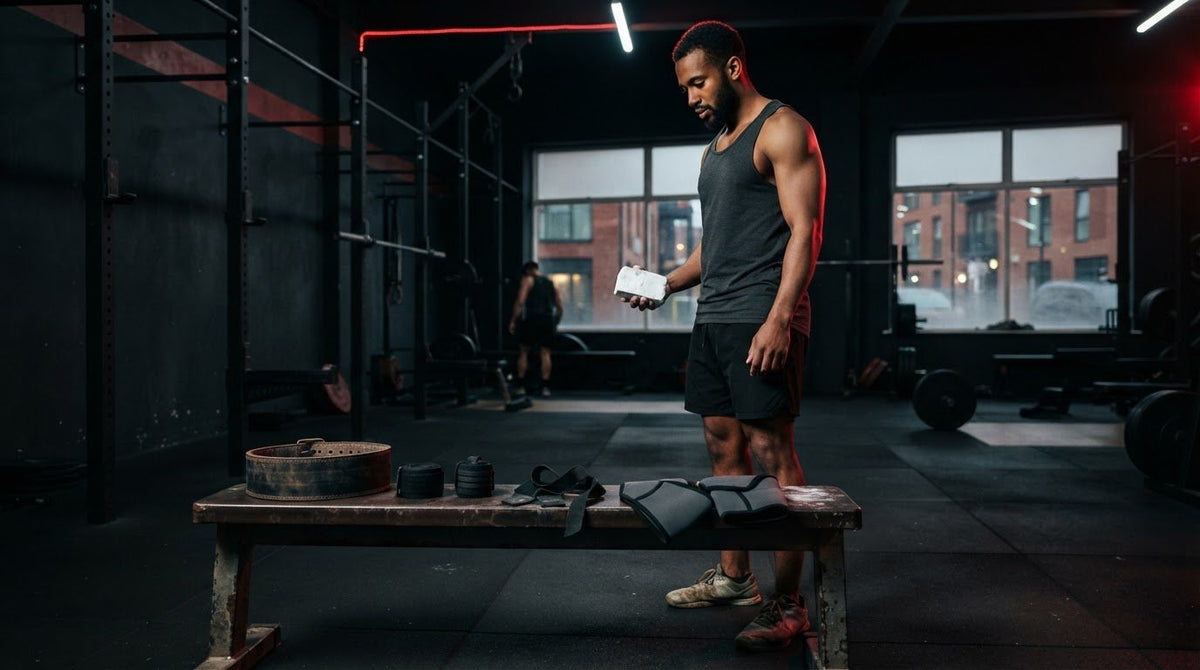
It helps to distinguish between the event apparatus and your personal support kit. While the essential strongman equipment list includes stationary implements like logs, axles, and stones, your personal gear consists of the items you wear. Owning your own belts, sleeves, and wraps is the first step in assembling the essential equipment for strongman training. This ensures a consistent fit and reliable performance during every session. Shared gym gear often lacks the necessary tension and presents hygiene risks that can distract from your training goals.
Building a personal kit bag allows you to master the specific tension settings required for different events. For a broader look at how these tools fit into a full competition setup, consult our guide on the Strongman Training Gear UK pillar. Investing in your own equipment isn't just about convenience; it's a commitment to operational excellence and long-term health in a high-stakes sport.
Core Support: Selecting the Right Belts and Knee Sleeves
The belt is arguably the most critical tool in your kit for generating the intra-abdominal pressure required during heavy overhead presses and carries. In strongman, your core must act as a rigid pillar to transfer force from the ground to the implement. A lever belt provides a more secure, consistent fit than a traditional prong belt, which is vital when you are bracing under the massive loads typical of this sport. This stability is a cornerstone of essential equipment for strongman training, ensuring that your spine remains protected even as the weight shifts during a carry.
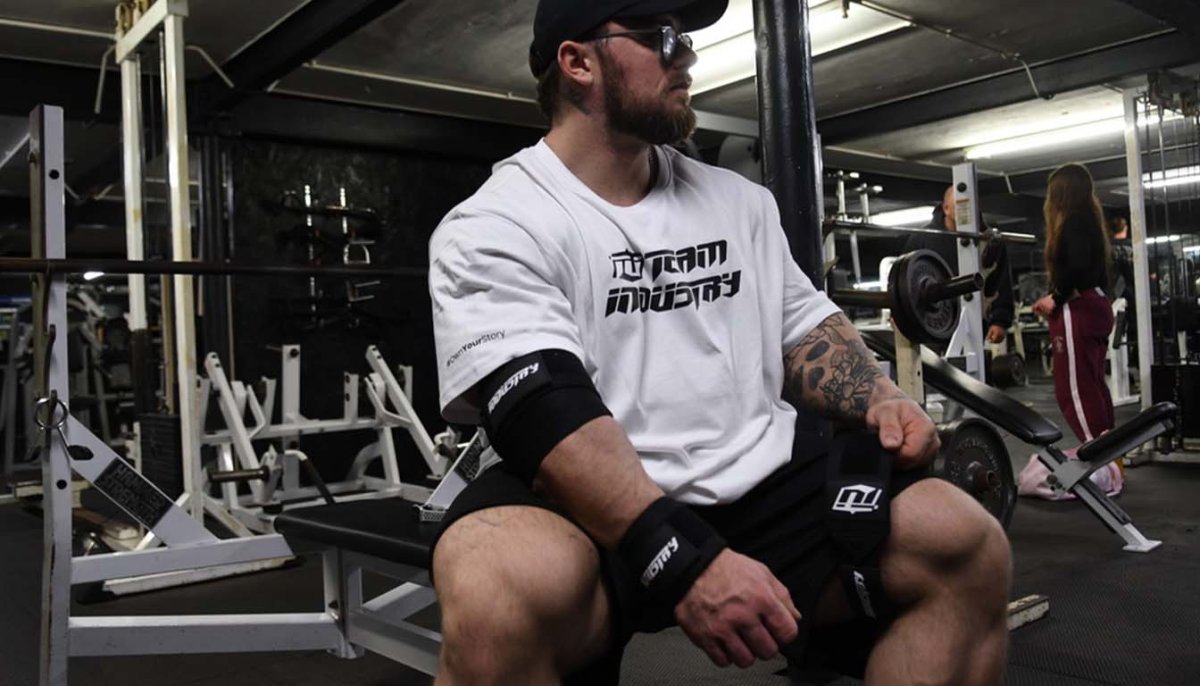
Knee sleeves are equally vital, providing the compression and warmth necessary for joint health during high-impact yoke walks. In this environment, "Heavy Duty" isn't just a label; it's a structural requirement for the sheer poundage athletes handle. Standard fitness sleeves often lack the thickness to provide meaningful support when moving hundreds of kilograms. Investing in professional-grade gear ensures that your joints remain stabilized, allowing for a longer, more productive training career.
Choosing Your Armour: 10mm vs. 13mm Lever Belts
Selecting the right thickness depends on the specific demands of the event. A 13mm Lever Belt is the gold standard for static lifts like the axle deadlift and log press, where maximum rigidity is the priority. However, some brands suggest that thicker is always better. For strongman, this isn't always the case. A 10mm Lever Belt is often the preferred choice for moving events like the Husafell carry or sandbag medley. The slightly thinner profile allows for the torso mobility needed to breathe and move quickly without the belt digging into the ribs or hips. You can find both professional options in our weight lifting belts collection to suit your specific event needs.
The Role of Heavy Duty Knee Sleeves in Joint Longevity
High-quality 7mm neoprene sleeves facilitate blood flow and provide a subtle "spring" out of the bottom of a squat or a stone pick. This mechanical advantage is secondary to the primary benefit of joint warmth, which keeps the connective tissues pliable under load. Professional-grade Heavy Duty Knee Sleeves from Team Industry UK are designed to withstand the abrasive nature of concrete stones and steel frames without losing their elasticity. These are a vital part of the essential equipment for strongman training because they provide consistent compression throughout high-volume sessions. Consider browsing our joint support range to find the right fit for your training volume.
Grip and Tactical Accessories: Straps, Chalk, and Salts
Strongman events frequently feature implements like the axle bar, which has a 50mm diameter. This is significantly thicker than a standard Olympic barbell. These "thick bar" events tax your grip far beyond traditional lifting. To maintain high training volume without grip failure becoming a bottleneck, you need to integrate specific tactical aids into your kit. These tools are the essential equipment for strongman training that bridge the gap between your raw strength and the mechanics of odd-object implements.
Tactical accessories like smelling salts also play a role in maximal efforts. They trigger a brief "fight or flight" response, which can help you sharpen focus before a heavy log press or a max axle deadlift. When used correctly, these aids provide a psychological edge. You should reserve them for your most demanding sets to maintain their effectiveness and prevent over-reliance during sub-maximal work.
Why Figure 8 Straps are the Standard for Axle Deadlifts
While classic lasso straps work for standard barbells, they often fail to provide enough security on a 50mm axle. The mechanics of Industry Figure 8 Lifting Straps are specifically designed to solve this problem. By looping around the wrist twice and sandwiching the bar, they lock the athlete to the implement. This connection allows you to focus entirely on the posterior chain rather than fighting to keep your hands closed. For a deeper look at advanced techniques, read our Mastering Your Pull guide.
Grip Aids: Liquid Chalk and Smelling Salts
Liquid chalk is the preferred choice for both commercial gyms and professional competitions. It provides a mess-free, superior grip on smooth implements like steel logs or axle bars. Unlike traditional powder, Liquid Chalk creates a durable base layer that doesn't rub off mid-set. If you are preparing for a "max out" session, ensure you have these tools ready. You can find professional-grade grip aids in our accessories collection to ensure you never miss a lift due to surface conditions.
Strongman Apparel: Durability Meets Performance
Strongman training involves high levels of friction. Your clothing needs to act as a second skin against concrete stones and steel logs. Standard gym wear often fails when faced with the abrasive surfaces of odd-object implements. Selecting durable clothing is a pragmatic part of your essential equipment for strongman training. It ensures you stay focused on the movement rather than the discomfort of friction burns or torn fabric.
The Functional Advantage of Oversized Training Gear
Tight, restrictive clothing can hinder the explosive movements required in events like the log press or stone load. The Team Industry UK approach combines the aesthetics of strength sports with the durability of heavy-duty cotton. The Industry Oversized Tee provides a necessary protective barrier for your upper back and shoulders during heavy carries. For lower body protection, Industry Performance Leggings are essential for preventing barbell burn during heavy axle pulls or stone loads.
A final kit check ensures your support accessories are as rugged as your lifting hardware. A dependable Tactical Back Pack is required to organize your gear between training sessions. You should also include a Team Industry Shaker Bottle to manage hydration efficiently. When every component of your kit is designed for the reality of the sport, you're better prepared for operational excellence on the platform.
Master the Platform with Professional Support
Mastering the unique demands of strength sports requires a kit that matches the intensity of the implements you handle. Professional gear isn't about vanity; it's about providing the structural stabilization needed for high-impact carries and odd-object lifts. By now, you understand how to select the right essential equipment for strongman training. You've learned how to distinguish between 10mm and 13mm belts while identifying when to use specialized grip aids and protective apparel. These tools function as the critical interface between your raw power and a successful event finish.
Team Industry UK provides the same hardware used by competitive UK strength athletes to ensure reliability on the platform. Our professional-grade 13mm Lever Belts and heavy-duty 7mm neoprene joint support are designed to withstand the grit of the most demanding training cycles. When your gear is as dependable as your work ethic, you can focus entirely on technical execution and elite-level strength gains. Take the next step in your training journey and ensure your kit bag is ready for the challenges ahead.
Equip yourself for the grit—Shop the full Team Industry Strength Collection
Frequently Asked Questions
Is powerlifting equipment the same as strongman equipment?
No, they differ in mobility and versatility. Powerlifting gear is optimized for three specific, static lifts performed in a controlled environment. Strongman gear must accommodate moving events, carries, and odd objects. While some hardware like a 13mm Lever Belt crosses over for static strength, strongman often requires more flexible options for overhead medleys and loading events.
Do I really need Figure 8 straps for strongman training?
Yes, if you plan to train with axle bars or high-repetition deadlift medleys. Figure 8 Lifting Straps provide a mechanical lock that prevents the bar from rolling out of your hands. This is a common failure point on 50mm axles. They are a core part of the essential equipment for strongman training because they allow you to focus on the pull rather than grip endurance.
What is the best weight lifting belt thickness for a strongman beginner?
A 10mm Lever Belt is typically the best starting point for most beginners. It offers a balance of significant support for static lifts while remaining pliable enough for moving events like the yoke or farmers walk. As you progress to maximal loads in the log press or deadlift, you might eventually upgrade to a 13mm version for increased rigidity and intra-abdominal pressure.
How do I care for my heavy-duty knee sleeves to make them last?
Hand wash your Heavy Duty Knee Sleeves in cold water with a mild detergent and air dry them away from direct heat. Avoid using a washing machine or tumble dryer. High temperatures can degrade the neoprene and weaken the structural stitching. Regular cleaning prevents bacteria buildup and ensures the sleeves maintain their original compression levels over multiple training seasons.
Can I use liquid chalk in most UK gyms for strongman training?
Most commercial and specialized UK gyms allow Liquid Chalk because it doesn't create the dust clouds associated with traditional powder blocks. It's a pragmatic choice for maintaining a superior grip on steel implements while respecting gym hygiene standards. Liquid options are generally viewed as the professional, mess-free standard for essential equipment for strongman training in shared facilities.
Share:
Mental Preparation for a Max Lift Attempt: The Lifter's Tactical Guide
How to Train for Atlas Stones: The Ultimate Strongman Guide 2026