
Imagine standing at the equipment check after months of hard training, only to discover your belt exceeds the 13mm thickness limit or your socks don't meet the mandatory shin-length requirement for deadlifts. Technical failure before you even step on the platform is a common fear, but it's entirely avoidable with a disciplined approach to preparation. Knowing exactly what to pack for a powerlifting meet is the difference between a chaotic morning and a focused, successful performance. It's an operational mission where gear reliability and organization dictate your platform results.
We understand that managing your energy and composure during a grueling eight-hour event is just as critical as the strength you've built in the gym. You have enough to focus on with your openers; your equipment shouldn't be a source of stress. This guide provides a comprehensive checklist to ensure your kit bag is compliant with current standards and organized for maximum efficiency. We'll walk through essential technical gear like the Team Industry 13mm Lever Belt and Heavy Duty Knee Sleeves, nutrition strategies for long competition days, and the logistics needed to keep you moving toward a new personal best.
Key Takeaways
- Identify mandatory technical requirements for singlets and deadlift socks to ensure you pass the equipment check without platform delays.
- Learn why selecting a professional [10mm Lever Belt](https://teamindustry.co.uk/) or [13mm Lever Belt](https://teamindustry.co.uk/) is essential for maintaining core stability during your heaviest attempts.
- Use our operational guide on what to pack for a powerlifting meet to eliminate logistical stress and keep your focus entirely on the platform.
- Discover how [Tactical Back Packs](https://teamindustry.co.uk/collections/accessories) streamline your day by keeping your strength gear organized and accessible between lifts.
- Develop a strategic fueling plan using a [Team Industry Shaker Bottle](https://teamindustry.co.uk/) to maintain hydration and energy levels across a long competition day.
The Mandatory Kit: Technical Requirements and Federation Rules
Every sanctioned meet operates under a strict set of regulations to ensure a level playing field. If you're wondering what to pack for a powerlifting meet, the mandatory kit is your highest priority. The singlet is the most recognizable requirement. It's a non-supportive, one-piece suit that allows judges to clearly see your hip and knee joints during the lift. Without a compliant singlet, you won't be allowed on the platform. Referees check these during the weigh-in or equipment check, so ensure yours meets the specific thickness and material standards of your federation.
While Powerlifting involves raw strength, it also requires strict adherence to technical specifications. Most federations require a plain, round-neck cotton t-shirt under the singlet for the squat and bench press. This prevents the bar from slipping across your back and maintains hygiene on the bench. In some organizations, the t-shirt is optional for the deadlift, but it's always safer to have a clean, spare tee ready in your bag.
To better understand the flow of a competition day and the gear involved, watch this helpful video:
Deadlift socks are another non-negotiable item. They must cover the entire shin to protect your skin from the knurling of the bar and prevent blood from getting on the equipment. When deciding what to pack for a powerlifting meet, don't overlook your footwear strategy. Many lifters carry two separate pairs. A heeled shoe often helps with squat depth and stability, while a flat-soled slipper is often preferred for deadlifts to reduce the distance the bar has to travel.
The Rulebook Checklist
- Verify branding rules: Some organizations have strict logo size restrictions. A kit failure at the weigh-in can cause unnecessary stress before you've even lifted.
- Check singlet fit: Ensure the fabric is snug. Loose material can catch the bar or obscure your joints from the referees, potentially leading to a red light.
- Pack backup socks: Carry at least two pairs of long socks. You'll want a fresh set if the first pair gets snagged or dirty during your warm-up sets. Keep these organized in a Tactical Back Pack so they're easy to find when your flight is called.
Strength Gear: Maximising Support on the Platform
While your singlet ensures compliance, your strength gear is what dictates your performance and safety under heavy loads. When deciding what to pack for a powerlifting meet, you must prioritize equipment that provides maximum intra-abdominal pressure and joint stability. According to the USPA Rulebook, belts must not exceed 10cm in width or 13mm in thickness. Choosing the right specifications within these limits can significantly impact your platform results.
Lever Belts vs. Prong Belts for Competition
Lever belts are the gold standard for meet day efficiency. Unlike prong belts, a lever allows you to engage and disengage your support in a split second. This speed is vital when you're managing a tight one-minute clock between attempts. For maximum rigidity on heavy squats and deadlifts, a 13mm Lever Belt provides an unyielding wall to brace against. If you're a first-time competitor or find 13mm too restrictive, Team Industry 10mm Lever Belts offer a calculated balance of support and comfort without the aggressive break-in period of thicker leather. Explore the full range of Team Industry Weight Lifting Belts to find the right level of support for your next competition.
Joint Support and Grip Aids
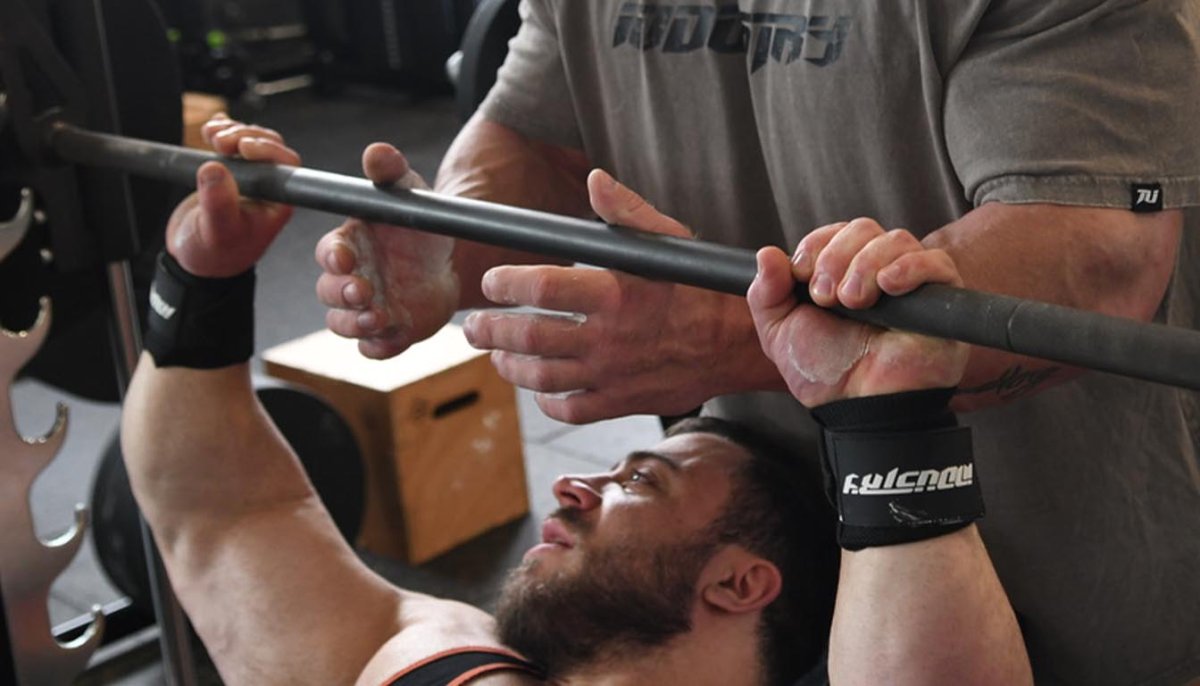
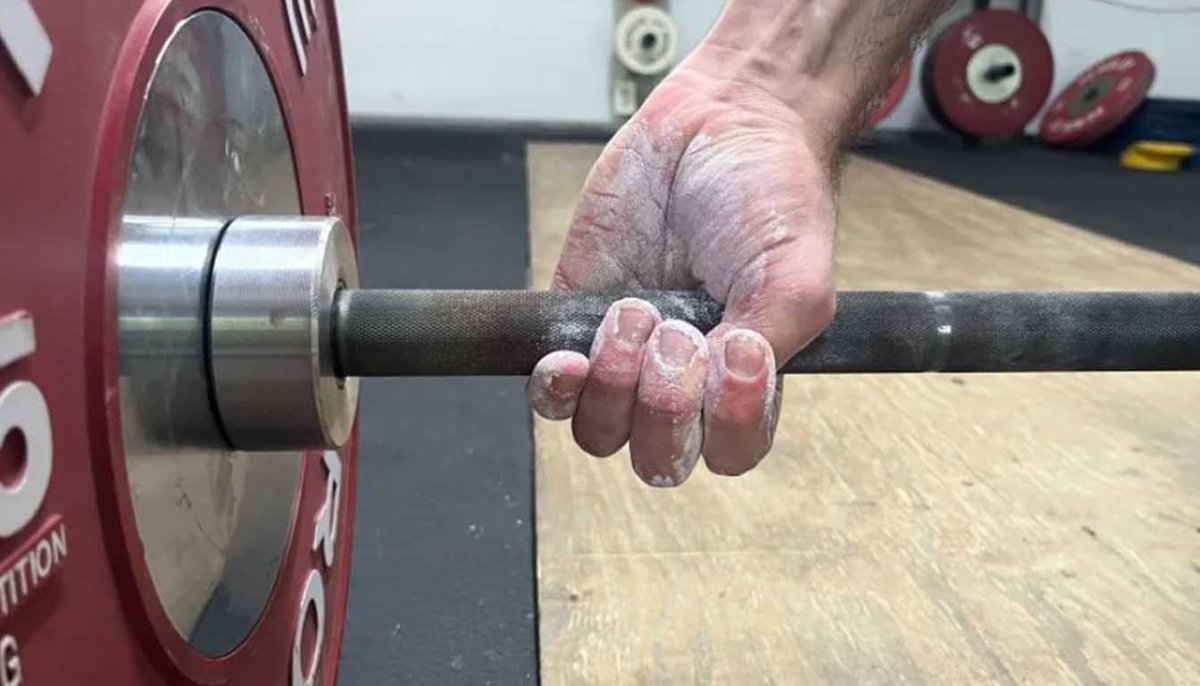
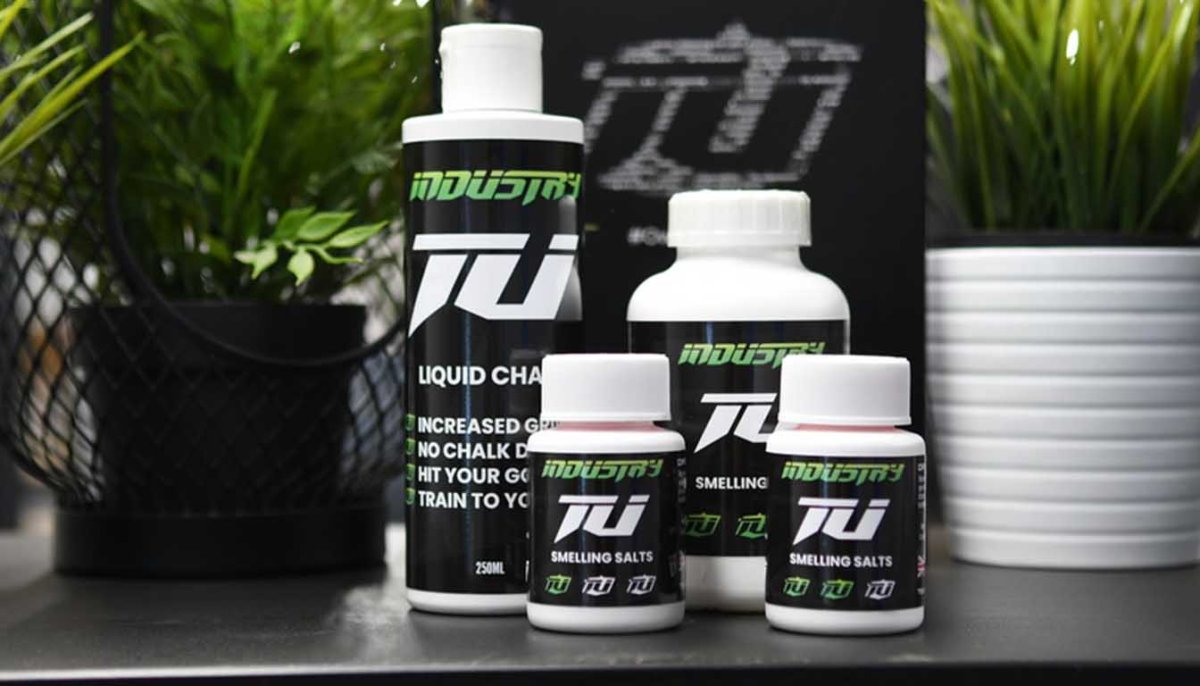
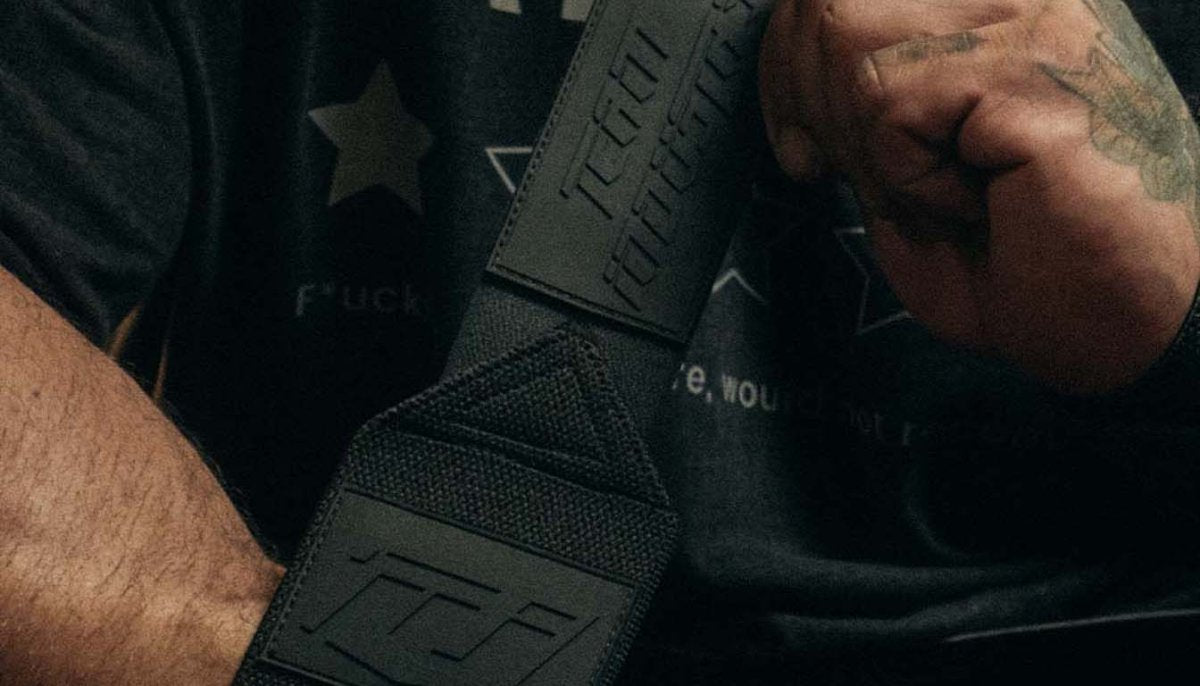
Stability doesn't end at the waist. Heavy-duty support for your extremities ensures your form remains locked under maximal loads. Heavy Duty Knee Sleeves are essential for maintaining joint temperature between flights. This warmth is crucial for preventing stiffness during the long wait times typical of 6 to 8 hour events. Similarly, using stiff Wrist Wraps prevents unnecessary wrist extension during the bench press, keeping the load directly over the forearm for better force transfer. Don't forget to include Liquid Chalk in your bag to ensure a secure, dry grip when the platform lights are on. These small additions are often the most overlooked items when athletes consider what to pack for a powerlifting meet, yet they're critical for a successful total.
Fuel and Focus: Nutrition and Stimulants
A powerlifting meet is a marathon of maximal effort. While your strength gear provides the mechanical support, your nutrition strategy maintains your output over a period that often lasts six to eight hours. When considering what to pack for a powerlifting meet, you must treat your bag like a mobile refueling station. Relying on venue food is a risk that often leads to digestive distress or energy crashes. Instead, prioritize easily digestible carbohydrates like white rice, bagels, or bananas that provide immediate glucose without weighing you down during a heavy squat or bench press.
Hydration is the foundation of platform performance. Even mild dehydration can lead to a significant drop in strength and increased cramp risk. Carrying a Team Industry Shaker Bottle allows you to mix and consume intra-workout electrolytes and carbohydrate powders between flights. This ensures your muscles remain hydrated and your nervous system stays sharp for the final session of the day. Pick up a Team Industry Shaker Bottle to ensure your hydration strategy remains reliable under pressure.
Managing Energy Over Long Meet Days
Success on the platform requires steady blood sugar levels. Avoid the mistake of eating one large meal after the weigh-in. Instead, divide your food into "flight-sized" portions. Consume a small amount of salt and fast-acting carbs immediately after your warm-ups for each lift. This tactical approach prevents the late-day fatigue that often ruins a final deadlift session. Salt is particularly critical for preventing cramps when your body is under the extreme tension of a maximal pull.
The Final Pull: Smelling Salts
When determining what to pack for a powerlifting meet, don't forget that smelling salts function as a tactical tool to spike your adrenaline for your final, heaviest deadlift attempt. The sharp scent triggers a sympathetic nervous system response, providing a brief window of heightened focus and aggression. However, meet day isn't the time for experiments. You must test your reaction to smelling salts in a training environment first to ensure they don't cause over-arousal or a loss of technical control. When used correctly, they are a powerful asset for securing a new total.
Logistics and Comfort: The "Off-Platform" Essentials
Success on the platform depends on your ability to manage the hours spent off it. A powerlifting competition is a long operational day. It often spans eight hours from the initial weigh-in to the final trophy presentation. When you refine your list of what to pack for a powerlifting meet, you must account for the logistical reality of the venue. Staying organized between your flights prevents mental fatigue. It keeps your muscles ready for maximal efforts.
The Tactical Back Pack Advantage
A standard gym bag often fails under the weight of a full powerlifting kit. You're likely carrying 15kg or more. This includes your lever belt, multiple pairs of shoes, knee sleeves, and water. Using Tactical Back Packs provides a significant operational advantage. These bags feature multiple dedicated compartments. This prevents you from digging for wrist wraps or liquid chalk during a timed warm-up. When the clock is running, you need your gear fast. Knowing exactly where your technical equipment is located reduces platform stress.
Staying Warm Between Flights
Body temperature regulation is critical for injury prevention. Rapid cooling between the squat and bench press sessions can lead to muscle stiffness. It's a common mistake. Layering with Industry Oversized Tees is the industry standard for maintaining warmth without restricting movement. These garments provide enough room to fit comfortably over your singlet. They ensure your joints stay warm while you rest. For more details on why this specific fit is preferred by strength athletes, refer to our guide on Why Oversized Tees Are a Bodybuilder’s Best Friend.
Don't forget the importance of spare clothing. Pack extra socks to replace those dampened by sweat. Bring a clean change of clothes for after the event. When considering what to pack for a powerlifting meet, also include comfortable footwear like sliders. Give your feet a break from restrictive lifting shoes. It's a small detail that makes a massive difference in your overall comfort during a demanding competition day.
Secure Your Platform Success
Mastering your kit bag is the final step in your meet preparation. By prioritizing technical compliance with your singlet and deadlift socks, you eliminate the risk of equipment failure during the weigh-in. Maintaining a disciplined fueling strategy ensures your energy remains high from the opening squat to the final deadlift attempt. Refining your list of what to pack for a powerlifting meet transforms the event from a chaotic eight-hour shift into a controlled, professional operation.
Trusted by UK strength athletes, our equipment is built for the grit of the platform. We provide the tools needed for a high-standard performance, from the uncompromising support of professional-grade 10mm and 13mm lever belts to the organizational efficiency of heavy-duty tactical backpacks. You've done the hard work in the gym; now ensure your gear is ready to match your effort. Shop Professional Strength Gear for Your Next Meet and step onto the platform with absolute confidence. Good luck on your next lift.
Frequently Asked Questions
Do I have to wear a singlet for my first powerlifting meet?
Yes, a singlet is mandatory for any sanctioned powerlifting competition. Even as a first time competitor, you must wear a one piece, non supportive lifting suit. This allows referees to verify your hip and knee position clearly during the squat and deadlift. Ensure your singlet meets the specific material and branding requirements of your federation to pass the initial equipment check.
What are deadlift socks and are they really mandatory?
Deadlift socks are long socks that reach just below the knee, and they're mandatory for the deadlift portion of every meet. Their primary purpose is safety and hygiene. They prevent the barbell from scraping your shins and potentially leaving blood on the equipment. If you don't have socks that fully cover your shins, you won't be permitted to step on the platform.
Can I use a lever belt in a sanctioned powerlifting competition?
Yes, you can use a lever belt as long as it adheres to the federation's dimensions. Most organizations require belts to be no wider than 10cm and no thicker than 13mm. The Team Industry 13mm Lever Belt is a professional choice that meets these operational standards, providing the rigidity needed for maximal attempts while ensuring you pass the equipment check without issues.
What kind of t-shirt is allowed under my singlet?
You must wear a plain, round neck cotton t-shirt under your singlet for the squat and bench press. The sleeves must end above your elbow and below your deltoid. Avoid shirts with pockets, buttons, or excessive graphics that might conflict with federation branding rules. Carrying a clean, spare tee is a vital part of knowing what to pack for a powerlifting meet to stay comfortable throughout the day.
How much food should I pack for a full powerlifting meet day?
Pack enough food to sustain your energy for at least eight hours. Instead of large meals, bring small, digestible snacks for each flight. Include a mix of fast acting carbohydrates and electrolytes. Using a Team Industry Shaker Bottle for intra workout supplements helps maintain your hydration levels without causing digestive heaviness before you step on the platform.
Share:
Essential Lifting Gear for Beginners: The Practical Guide to Strength Basics
The time thats its important to start using knee sleeves and knee wraps