

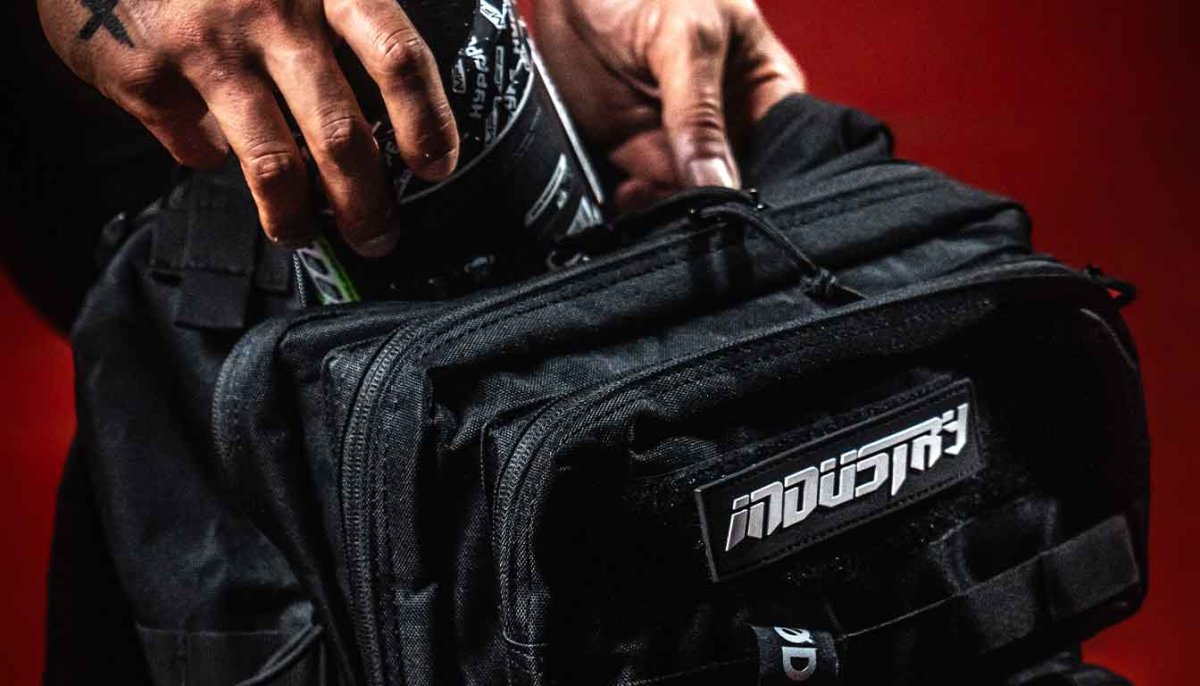
A standard high-street rucksack was never built to survive the grit of a powerlifting platform. Most bags fail the moment you cram in a 13mm lever belt alongside your lifting shoes, leading to split seams and broken zips before the first set is even finished. If you've ever dealt with the mess of chalk dust coating your work laptop or the smell of damp knee sleeves ruining your lunch, you know that finding the right gym backpack for lifters is a matter of operational necessity, not just style.
We understand that your gear is an investment in your performance. You need a dependable hub that keeps your straps, wraps, and smelling salts organised while maintaining a professional appearance for the office. This guide shows you how to identify a bag that offers the durability of 900D materials and the specific compartment logic required for heavy strength gear. We will explore the critical features of Tactical Back Packs and explain how to choose a carrier that actually supports your training goals for years to come.
Key Takeaways
- Identify why 900D polyester is the benchmark for durability, ensuring your bag survives the weight of heavy metal buckles and plates.
- Learn the most efficient way to pack your gear by placing heavy items like belts against the back panel to improve stability and comfort.
- Discover how to select a gym backpack for lifters that provides dedicated, organised space for everything from liquid chalk to smelling salts.
- Utilise tactical features such as MOLLE webbing to separate damp gear from your fresh clothes, maintaining a professional standard throughout the day.
Why Standard Rucksacks Fail Serious Lifters
Most gym-goers start their journey with a standard sports rucksack. While these bags work for a towel and a water bottle, they quickly fail when faced with serious strength gear. A professional gym backpack for lifters is a high-capacity, reinforced tool designed specifically for heavy-duty equipment. While general backpack designs and types are built for light commuting, they lack the structural integrity required for the grit of a powerlifting or bodybuilding environment.
Standard bags often suffer from the "black hole" effect. If you use a top-loading duffel, you'll likely spend valuable training time digging for your wrist wraps or liquid chalk. Beyond organisation, weight distribution is a major safety concern. Carrying 10kg or more of metal and leather in a bag with thin, unpadded straps causes significant shoulder strain. You need wide, padded straps that distribute the load across your upper back to avoid fatigue before you even reach the squat rack.
Durability is where cheap bags truly fail. High-tension areas like zips and seams frequently split under the internal pressure of bulky gear. A dedicated gym backpack for lifters uses reinforced stitching to prevent these blowouts. In contrast, the mesh pockets on standard bags often snag and tear the moment they come into contact with Velcro or metal hardware.
The Lifting Belt Logistics Problem
Packing a professional weight lifting belt is a unique logistical challenge. A 13mm lever belt is a rigid piece of equipment that doesn't bend or compress. In a standard rucksack, the stiff leather forces the bag into an awkward shape, while the metal lever buckle can easily puncture thin nylon linings. Without a dedicated compartment or a reinforced base, these belts create constant stress on the bag's structure, leading to the premature failure of zips and seams.
The Anatomy of a High-Performance Tactical Gym Backpack
900D polyester serves as the benchmark for tactical gear. It provides significantly higher tear resistance than the lightweight fabrics found in standard high-street bags. When you're carrying a heavy lever belt and multiple pairs of shoes, you need a material that won't give way. This fabric also offers reliable water resistance, protecting your valuables from rain or spilled liquids.
Efficiency in the gym depends on accessibility. A "clamshell" opening allows the bag to lay flat, providing immediate access to your entire kit without the need to dig through layers of gear. For external storage, look for MOLLE webbing. These loops are essential for attaching wet knee sleeves or shaker bottles, keeping damp items away from your clean clothes.
Carrying heavy loads requires proper structural support. High-quality designs include ventilated back padding and adjustable chest straps to stabilise the bag during transit. Following professional ergonomic advice for carrying loads can prevent long-term back issues, especially when your daily carry exceeds 10kg.
Durability Standards: Beyond the Labels
Denier (D) measures the thickness of the individual fibres in the fabric. While a 600D rating is the minimum for functional gym use, serious lifters should opt for 900D to handle the friction caused by metal buckles and stiff leather. Pay close attention to the stitching. A dependable gym backpack for lifters features reinforced "X" patterns at high-tension points, such as where the shoulder straps meet the main body. This prevents the straps from pulling away under the weight of your equipment.
Our Tactical Back Packs are engineered with these exact specifications to serve the UK strength community.
How to Pack Your Gym Backpack for Maximum Efficiency
Proper packing transforms a gym backpack for lifters from a simple container into an organised mobile equipment locker. Strategic placement is the key to both comfort and efficiency. Start by placing your heaviest and flattest items, such as lifting shoes and a weight lifting belt, against the back panel. This keeps the weight close to your centre of gravity, which prevents the bag from sagging and reduces the leverage on your shoulders during your commute.
Organise your smaller essentials within the internal mesh pockets. These dedicated spaces are perfect for securing liquid chalk, smelling salts, and wrist wraps. Keeping these items in specific pockets ensures you can grab them quickly between sets without searching through the main compartment. If you commute from work, the padded laptop sleeve provides a secure space for your tech or flat training programmes.
Finalise the pack by securing the external compression straps. Tightening these straps pulls the load closer to the bag's frame, preventing gear from shifting while you move. This is particularly important for lifters who cycle or use public transport, as it maintains the bag's slim profile and stability. For the best results, ensure all zips are fully closed before tensioning the straps.
Hygiene and Gear Maintenance
Maintaining a clean bag is essential for the longevity of your equipment. Use separate compartments to isolate damp joint support gear, like knee sleeves, from your fresh clothes or gym apparel. After every heavy session, open all compartments to air out the interior. This practice prevents bacterial growth and keeps the 900D polyester lining in top condition.
Optimise your training setup by choosing a professional Tactical Back Pack that handles the load.
Choosing the Right Bag: The Team Industry Standard
Team Industry Tactical Back Packs aren't generic fitness bags. They're engineered from our direct experience on powerlifting and strongman platforms. This means the internal dimensions and reinforcement patterns are calculated to handle the specific bulk of a weight lifting belt without straining the zips. While many high-street brands focus on lightweight aesthetics that fail under load, we prioritise the structural integrity needed for 13mm lever belts and heavy lifting shoes. This is the definitive gym backpack for lifters who require a dependable piece of equipment rather than a temporary fashion accessory.
The design features a matte finish and a streamlined profile. This professional, no-nonsense aesthetic ensures the bag transitions seamlessly from a corporate office to the squat rack. It fits into a professional environment without sacrificing the rugged utility required for the gym floor. You can easily pair your bag with essential accessories like liquid chalk or lifting straps, keeping your entire training hub organised and accessible. This level of organisation is essential for maintaining focus during high-intensity sessions. We believe in collective collaboration with our athletes to ensure every pocket and strap serves a functional purpose.
Built for the Long Haul
We operate on a "buy it once" philosophy that aligns with the grit of strength sports. Investing in professional-grade tactical gear reflects the same commitment you bring to your training programme. Cheap rucksacks require frequent replacement when the seams inevitably split under the weight of metal gear. Choosing a specialist gym backpack for lifters ensures your investment remains protected for years. It's a pragmatic, results-oriented choice for the dedicated lifter who values reliability. We provide national UK shipping and around-the-clock support to ensure you can upgrade your gear quickly and efficiently.
Build Your Mobile Training Hub
Your equipment is the foundation of your progress. Relying on a standard rucksack that splits under pressure only creates unnecessary distractions during your session. By choosing a gym backpack for lifters engineered with heavy-duty 900D construction, you ensure your gear remains protected and organised. We've designed our bags with roots in Strongman and Powerlifting to handle the specific weight of lever belts and metal plates. With multiple compartments for total gear organisation, you can transition from your professional workday to the gym floor without friction.
Don't let poor equipment storage hold back your training efficiency. It's time to invest in a carrier that matches the intensity of your lifts and the reality of your daily schedule. This bag is built for those who value reliability and professional standards in every aspect of their training journey. Upgrade to a professional Tactical Back Pack today and experience the difference that purpose-built strength gear makes. Stay focused, stay organised, and keep pushing for those PB results.
Frequently Asked Questions
Can a 13mm powerlifting lever belt fit in a gym backpack?
A 13mm lever belt fits comfortably in a tactical backpack if you use the correct packing method. Place the belt against the back panel first to utilise the bag's full depth. Tactical designs are reinforced specifically to handle the rigid leather and metal buckle. Standard rucksacks often fail because they lack the structural integrity to contain a belt of this thickness without splitting the zips or seams.
What is the difference between a tactical backpack and a normal gym bag?
The primary difference lies in the material density and structural design. A tactical gym backpack for lifters uses 900D polyester; this is significantly more tear-resistant than the lightweight nylon used in high-street bags. Tactical versions also include MOLLE webbing for external attachments and a clamshell opening. These features provide the durability and organisation needed for heavy strength equipment that standard bags simply cannot match.
How many litres should a gym backpack for lifters be?
A 45-litre capacity is the ideal standard for most lifters. This size provides enough internal volume to house a lifting belt, two pairs of shoes, and multiple accessories like wraps and chalk. Smaller bags often force you to leave essential gear at home, while larger bags can become cumbersome for daily commuting. The 45L tactical gym backpack for lifters balances high-capacity storage with a manageable profile for the office.
Is a tactical backpack waterproof for UK weather?
Most tactical bags are highly water-resistant due to the tight weave of 900D polyester. This material effectively repels rain during a typical UK commute, keeping your clothes and tech dry. While they aren't designed for full submersion, the thick fabric and internal linings provide dependable protection against the British weather. Always ensure zips are fully closed to maintain the bag's protective integrity during heavy downpours.
How do I clean a heavy-duty tactical gym bag?
To clean your bag, use a damp cloth and mild soap for spot cleaning. Avoid using a washing machine, as the agitation can damage the reinforced stitching and internal coatings. Focus on high-contact areas and the base where dirt accumulates. After every session, open all compartments to allow for proper airflow. This simple maintenance step prevents bacterial growth and neutralises odours from damp knee sleeves or used training apparel.
Share:
Gym Fashion UK: The 2026 Strength Athlete’s Style & Performance Checklist
Weight Lifting Knee Wraps: The Athlete’s Guide to Support and Performance