

Your first heavy deadlift shouldn't be a gamble with your spinal health. While it's tempting to buy every accessory in the catalog, most specialized equipment is built for elite competitive demands rather than foundational growth. Identifying the essential lifting gear for beginners is about balancing joint safety with practical structural support. It's common to feel overwhelmed by the variety of belts, wraps, and straps available today. You want to increase your training intensity without the constant fear of injury or your grip failing before your target muscles do, but you don't want to waste money on gear that simply masks poor technical habits.
We believe that strength is built through collective effort and reliable tools. This guide clarifies which equipment is actually necessary to build a solid foundation and protect your long-term physical health. You'll learn how specific gear supports your anatomy to provide stability, ensuring every purchase is a functional investment in your progress. We'll examine the mechanics of basic kit like lifting belts and wrist wraps, helping you assemble a dependable setup that respects both your safety and your budget.
Key Takeaways
- Understand that lifting accessories are tools for joint protection and stability; they are not shortcuts that bypass proper technique.
- Identify the three pieces of essential lifting gear for beginners, including belts, sleeves, and straps, that provide the most value for safety and progression.
- Learn the "80% Rule" to determine exactly when to utilize support like the Team Industry Lifting Belt and when to train without it.
- Discover how to select professional-grade equipment built with heavy-duty materials designed to withstand the rigors of a high-intensity strength environment.
Understanding the Role of Strength Gear for New Lifters
Lifting gear shouldn't be viewed as a crutch or a way to bypass hard work. Instead, consider these items supplementary tools designed to enhance stability and protect your joints during strenuous movements. A common misconception suggests that using equipment is "cheating." In reality, gear like the Team Industry Lifting Belt allows you to train your target muscle groups more effectively because you aren't limited by smaller, fatiguing stabilizers. Waiting for an arbitrary six-month milestone to invest in equipment can actually hinder your progress if your strength outpaces your natural grip or bracing ability.
When you use a belt, you're facilitating intra-abdominal pressure. This internal pressure creates a rigid cylinder around your spine, which is vital for maintaining form under load. It's helpful to categorize your kit into two groups: Supportive Gear and Mechanical Aids. Supportive Gear, such as Heavy Duty Knee Sleeves, provides compression and warmth. Mechanical Aids, including straps and belts, physically assist with the mechanics of the lift. For a broader look at the tools available, you can consult a comprehensive list of exercise equipment.
To better understand how these tools integrate into a training routine, watch this helpful video:
Safety and Injury Prevention Basics
Gear acts as a safety net while you refine complex movements like the deadlift. Compression plays a significant role here. It improves blood flow and provides proprioceptive feedback, which helps you stay aware of your joint positioning during high-volume sessions. Opting for professional-grade equipment ensures you have reliable materials that won't fail under pressure. This is a core part of selecting essential lifting gear for beginners. High-quality gear is built to survive the grit of real strength gyms, providing a level of reliability that budget alternatives cannot match.
The Psychological Edge of Being Prepared
Physical security leads to mental focus. When you "suit up" for a heavy set, it creates a mental ritual that signals your brain it's time to perform. Building confidence on the platform comes from the physical feedback your equipment provides. Feeling secure allows you to approach new personal bests with confidence rather than hesitation. This psychological feedback loop is just as important as the physical support provided by the equipment itself.
The Essential Beginner Kit: Belts, Sleeves, and Straps
Moving from general fitness to dedicated strength training requires a shift in equipment priority. While niche items like smelling salts have their place in competition, they aren't essential lifting gear for beginners. Focus on the "Core Three" items: belts, sleeves, and straps. These pieces provide the most significant return on investment for safety and performance across the squat, bench press, and deadlift. Prioritizing these over aesthetic accessories ensures your body is protected as the weights on the bar begin to increase.
Weight Lifting Belts: 10mm vs 13mm
A Team Industry Lifting Belt serves as the foundation of your spinal support. Beginners often face the choice between 10mm and 13mm thickness. A 13mm belt offers maximum rigidity for elite powerlifters, but it can be uncomfortable and restrictive for those still learning to brace. A 10mm Lever Belt is usually the ideal sweet spot. It provides ample support while allowing enough flexibility to find your optimal starting position. Lever mechanisms are particularly efficient, allowing you to flick the belt open between sets for immediate relief. For those curious about the science of bracing, The Weight Belt Controversy provides a balanced look at how these tools impact your core stability.
Knee Sleeves for Joint Warmth and Support
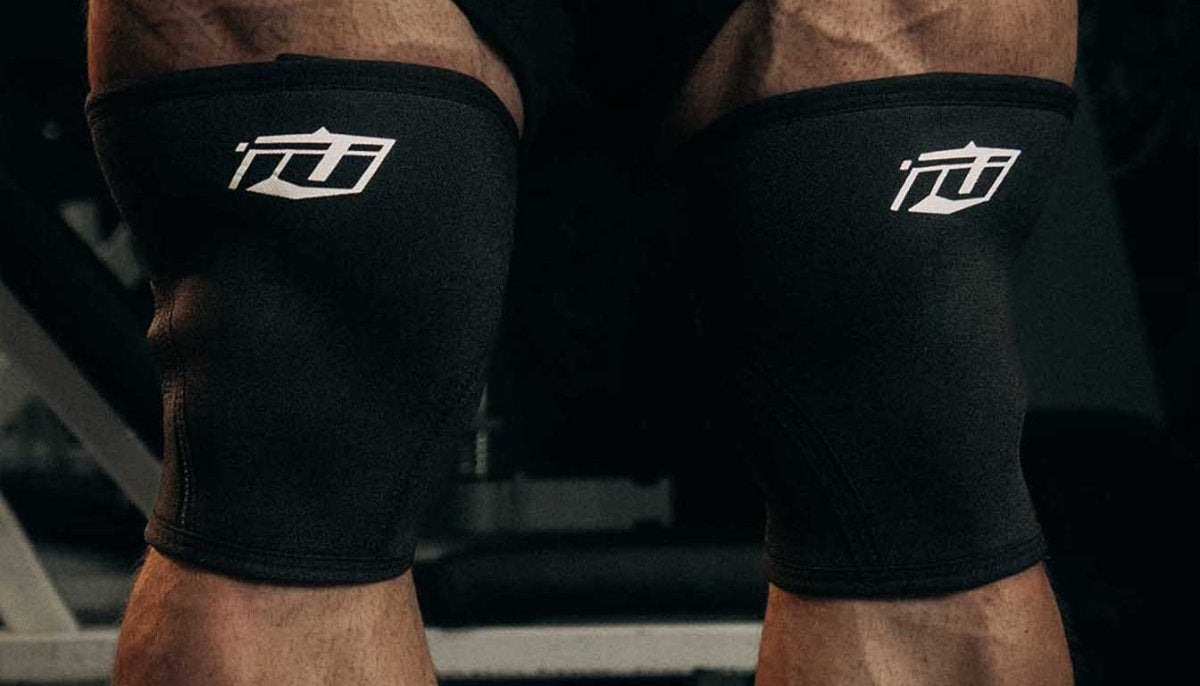
Unlike knee wraps, which are designed for mechanical rebound in equipped lifting, Heavy Duty Knee Sleeves focus on compression and warmth. The industry standard is 7mm neoprene. This thickness keeps the joint warm during rest periods and provides proprioceptive feedback. This physical feedback helps you feel where your knees are in space, which is invaluable for maintaining consistent squat depth and preventing your knees from caving inward under load.
Lifting Straps: Figure 8 vs. Classic Lasso
Straps ensure your grip isn't the limiting factor on pulling days. Use Figure 8 Lifting Straps for deadlifts when you need a locked-in feel that won't slip, even during high-rep sets. For rows or pull-downs, Leather Weight Lifting Straps offer more versatility and a natural feel. Don't use them for every exercise; save them for your heaviest work to let your natural grip strength continue to develop. If you're ready to upgrade your gym bag with professional kit, browse our all-industry strength gear to find your starter kit.
When to Use Your Gear: A Practical Implementation Guide
Determining when to integrate essential lifting gear for beginners is just as important as choosing the right items. Many new lifters make the mistake of wearing a belt for every set, including their empty-bar warm-ups. This approach can lead to a reliance on equipment before you've developed natural bracing patterns. Instead, follow the 80% rule: only introduce your belt or wraps when you reach 80% of your one-rep max (1RM). This specific threshold ensures you've built the necessary foundational stability before adding external support.
Warming up "raw" is essential for receiving technical feedback from your body. It allows you to feel your balance and core engagement without the dampening effect of heavy-duty materials. Save your gear for scenarios where the risk or fatigue is highest. This includes max effort days, heavy triples, or high-fatigue AMRAP (As Many Reps As Possible) sets where form might start to degrade. For those interested in how these principles apply to more specialized lifting, read our guide on strongman training gear uk for advanced context.
The "Heavy Set" Framework
- Step 1: Perform all warm-up sets raw to check your form and joint tracking.
- Step 2: Introduce Wrist Wraps or knee sleeves for your primary working sets.
- Step 3: Save your lifting belt for the heaviest 1-3 sets of the entire session.
- Step 4: Remove all gear immediately after the set to allow your body to recover and regulate blood flow.
Maintaining Raw Strength Development
Gear should function as a tool to push through plateaus, not as a permanent crutch. You don't need a belt for accessory movements like bicep curls or lateral raises. These exercises don't place the same demand on spinal stability as a heavy squat or pull. When it comes to grip, balance is key. Use straps for your heaviest deadlifts to protect your central nervous system from fatigue, but perform your back-off sets or "holds" unstrapped to build forearm size and crushing power. Equip yourself with the all-industry strength gear required to push your limits safely.
Selecting Professional Grade Gear with Team Industry UK
Choosing your first set of equipment is a commitment to your long-term progress. At Team Industry, we focus on producing gear designed by lifters, for lifters. This ensures every piece of equipment survives the grit and high-operational demands of a real strength gym. When you invest in our All Industry Strength Gear collection, you're opting for consistent quality that respects the reality of heavy training. Identifying the essential lifting gear for beginners shouldn't be a guessing game. Start with the basics and expand your kit as your numbers on the bar grow. You don't need a full inventory on day one; you need reliable tools that won't fail when the load gets heavy.
Why Professional Standards Matter
Avoid the trap of purchasing "fashion" gym gear for heavy compound movements. While these items might look good in a mirror, they often lack the structural integrity required for spinal stability or joint protection. A single Team Industry Lifting Belt is built with heavy-duty materials meant to last a lifter their entire career. Durability is non-negotiable. Beyond longevity, professional gear helps ensure regulatory compliance. If you decide to step onto a competitive platform in the future, having equipment that meets standard specifications for width and thickness is vital for passing technical inspections.
Building Your Gym Bag
A practical starter bundle usually consists of a belt, lifting straps, and Liquid Chalk. This combination covers your primary needs for stability and grip without overcomplicating your routine. To keep your gear in top condition, air out your neoprene sleeves after every session and treat leather belts with basic care to prevent cracking. We aren't just a supplier; we're a part of the regional economic infrastructure. Team Industry actively supports the UK strength scene through event sponsorship and community collaboration. Join a network of specialists who understand that excellence requires both hard work and dependable equipment.
Build a Solid Foundation for Strength
Choosing the right tools is the first step toward a safe and productive lifting career. Gear isn't about shortcuts; it's about providing the stability and joint protection required to push your physical limits safely. By focusing on the "Core Three" and following the 80% rule for implementation, you ensure your natural strength develops alongside your numbers on the bar. Identifying the essential lifting gear for beginners allows you to invest in equipment that supports your anatomy without becoming a permanent crutch.
Team Industry is a UK-based brand committed to the local strength community. We offer heavy-duty, professional-grade materials designed specifically for the rigorous demands of Strongman and Powerlifting athletes. Our equipment is built to withstand the grit of real training environments while ensuring you stay compliant with high safety standards. You don't need a full inventory on day one to see results. Shop the Full Range of Professional Strength Gear at Team Industry UK to find the kit that matches your ambition. Stay focused on the fundamentals, and let our gear provide the stability you need to reach your next personal best.
Frequently Asked Questions
Do I need a lifting belt as a total beginner?
You don't need a belt for your first few weeks of training. Focus on mastering your technique and learning how to brace your core naturally during this initial phase. Once you begin lifting weights that challenge your stability, a Team Industry Lifting Belt becomes a vital tool. It's a core part of the essential lifting gear for beginners that helps maintain spinal alignment as the load increases.
What is the difference between wrist wraps and lifting straps?
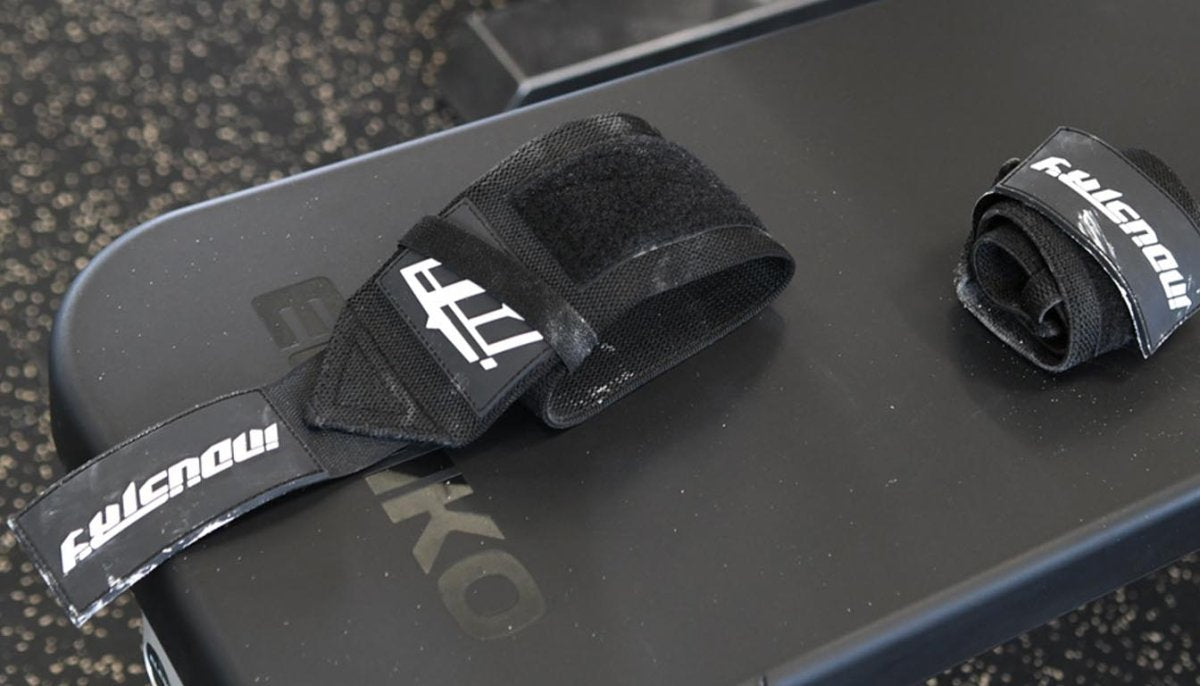
Wrist wraps provide joint stability while lifting straps are designed to assist your grip. Use Wrist Wraps for pressing movements like the bench press to keep your wrists from bending backward under load. Use Weight Lifting Straps for pulling movements like deadlifts or rows. This ensures your grip isn't the reason you have to stop a set before your target muscles are fatigued.
Are knee sleeves or knee wraps better for beginners?
Knee sleeves are the superior choice for those starting their strength journey. Heavy Duty Knee Sleeves provide compression and keep your joints warm, which is ideal for general safety and recovery. Knee wraps are highly specialized tools used in competitive powerlifting to physically assist the lift by storing elastic energy. They are generally too restrictive and painful for a beginner's foundational training needs.
Will using lifting straps make my grip weak?
Using straps only weakens your grip if you rely on them for every exercise in your routine. Save your Figure 8 Lifting Straps for your heaviest working sets or high-rep deadlifts. Perform your warm-up sets and lighter rows without them. This balanced approach ensures your back gets the stimulus it needs while your forearms continue to develop natural crushing power through the unstrapped sets.
How tight should a powerlifting lever belt be?
A lever belt should be tight enough to provide resistance when you brace but loose enough to allow a full breath. You should be able to fit a flat hand between your abdomen and the belt before you take your breath. If you can't expand your stomach into the leather, it's too tight. Proper tension allows a 10mm Lever Belt to facilitate the internal pressure needed for a safe, stable lift.
Can I use the same gear for bodybuilding and powerlifting?
Yes, you can use the same high-quality gear for both bodybuilding and powerlifting. Both disciplines require joint stability and spinal support during heavy compound movements. While a powerlifter might prioritize maximum rigidity for a one-rep max, a bodybuilder uses the same essential lifting gear for beginners to maintain safety during high-volume sets. Items like Liquid Chalk and knee sleeves are standard across all strength sports.
Share:
How KME Media Helps Team Industry Lead the UK Market
What to Pack for a Powerlifting Meet: The Ultimate Competition Checklist