

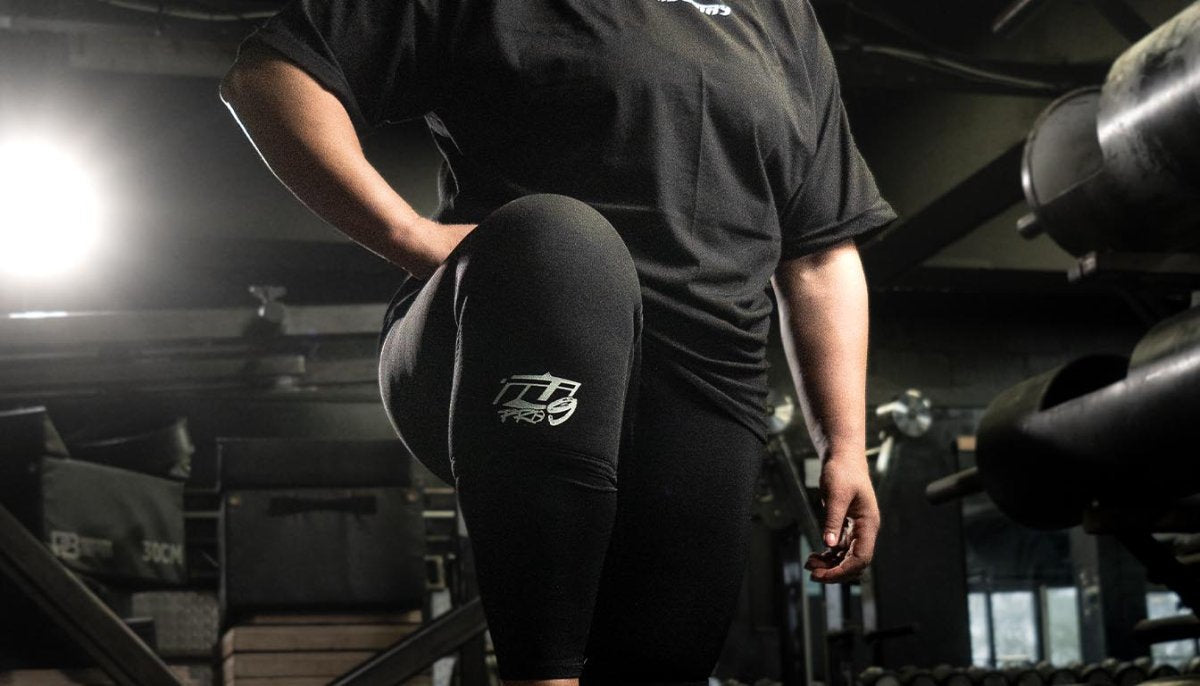
Adding gear to your gym bag isn't a sign of weakness; it's a calculated decision to manage intensity and protect your lifting longevity. Many lifters wait until an injury occurs before considering support, but the most effective approach is proactive. You might find yourself wondering, when do you need to start using knee sleeves and knee wraps? It's a common point of confusion for those transitioning from novice to intermediate strength levels who want to maintain a steady training rhythm without setbacks.
We understand that you want to push for new PRs without compromising your joint health or relying on equipment as a crutch for poor form. You likely agree that hitting a heavy set feels better when you have the stability and warmth required to move with confidence. This guide will provide the exact strength milestones and training stages that signal it's time to add knee support to your routine. We'll examine the technical differences between the compression of a sleeve and the mechanical carryover of a wrap so you can make an informed choice for your next session.
Key Takeaways
- Establish a clear timeline for your training progression by identifying the specific strength milestones that answer the question: when do you need to start using knee sleeves and knee wraps?
- Differentiate between the proprioceptive benefits of Heavy Duty Knee Sleeves and the mechanical energy return provided by Weight Lifting Knee Wraps.
- Apply the 80% Rule to your training sessions to know exactly when to transition from raw lifting to supported sets for maximum joint safety.
- Optimize your performance by matching your equipment to your specific goals, whether you're focusing on high-rep hypertrophy or competition-style powerlifting.
- Avoid gear reliance by following a structured warm-up protocol that prioritizes natural joint movement before adding external support.
Understanding the Difference: Knee Sleeves vs. Knee Wraps
Choosing between different types of joint support is a tactical decision that depends on your specific training goals. Knee sleeves are neoprene tubes designed to provide consistent compression, warmth, and proprioception, which is your body's ability to sense its position in space. In contrast, knee wraps are long, elasticated strips that you wrap tightly around the joint to provide maximum stability and mechanical energy return. While sleeves are generally used for daily support and volume, wraps are specialized tools for maximal performance in competitive Powerlifting and Strongman events.
High-tension wraps store potential energy during the descent, creating a significant rebound effect that assists the lifter in driving the weight back up during the concentric phase of a squat. Understanding these mechanical differences helps answer the question: when do you need to start using knee sleeves and knee wraps?
To better understand this concept, watch this helpful video:
The Role of Compression and Heat Retention
A standard 7mm neoprene sleeve, like the Heavy Duty Knee Sleeves, works by increasing intra-articular pressure to stabilize the joint capsule. This compression provides a sense of security that allows you to focus on your technique rather than joint discomfort. Beyond stability, these sleeves are essential for maintaining the temperature of the synovial fluid. This fluid acts as a lubricant for your joints; keeping it warm during the long rest periods between heavy sets is vital for preventing stiffness and reducing the risk of strain.
When Mechanical Support Becomes Necessary
Mechanical support is required when the load on the bar begins to exceed the structural capacity of your connective tissues to remain perfectly stable under pressure. Weight Lifting Knee Wraps provide a physical cast-like effect that reinforces the joint during max-effort attempts. Because they are highly restrictive and can alter your squat mechanics, they are typically reserved for PR attempts or competition peaks rather than general hypertrophy work. If your training involves high-repetition sets for muscle growth, the less restrictive compression of a sleeve is usually the more practical choice.
The Progression: When to Start Using Knee Support
Building a solid foundation is the first step in any strength journey. Many lifters ask, when do you need to start using knee sleeves and knee wraps? The answer lies in your training age. You should aim for at least 6 to 12 months of consistent compound lifting before you consider adding sleeves to your kit. This period is vital because it allows your tendons and ligaments to adapt to increasing loads without external aid. If you introduce support too early, you might bypass the necessary structural strengthening of the joint itself.
A practical framework for daily training is the 80% Rule. We recommend performing all warm-up sets "raw" and only sliding on your Heavy Duty Knee Sleeves once you reach 80% of your one-rep max (1RM) or enter RPE 8 territory. This approach ensures you maintain a high level of natural stability while benefiting from compression when the intensity truly demands it. Pay attention to "joint noise" or clicking and your recovery speed after leg day. If your knees feel stiff for days, the thermal support of neoprene can significantly aid the recovery process.
Strength Milestones for Knee Sleeves
It helps to have a "rite of passage" before investing in professional gear. A common benchmark for many lifters is the ability to squat 1.5 times their body weight with good form. Once you hit this milestone, you've demonstrated enough technical proficiency to benefit from the added proprioception. Sleeves are particularly effective during high-volume phases of a bodybuilding apparel focused programme, where constant warmth helps manage the fatigue of high-rep isolation work.
When to Graduate to Knee Wraps
The transition from sleeves to wraps is a major step in a lifter's career. You should reserve Weight Lifting Knee Wraps for competitive powerlifting preparation or specific strongman training gear uk events. Most athletes only make this switch when attempting sets at 90% or more of their 1RM. Research on the mechanical output and performance characteristics of wraps shows they fundamentally change squat mechanics. This means you need a high level of technical mastery before using them. If you're ready to step up your intensity, consider browsing our Industry strength gear to find the right fit for your next peak.
Matching Support to Your Training Style
Your specific training objectives determine the equipment you carry in your gym bag. A bodybuilder focusing on muscle volume has different requirements than a powerlifter peaking for a maximum effort squat. Identifying your primary goal helps clarify the question: when do you need to start using knee sleeves and knee wraps? While both tools offer protection, they serve distinct operational roles within a session. Gear should always enhance your performance, but it must never be used to mask persistent pain. If you experience sharp discomfort that doesn't resolve with warmth or compression, consult a professional before continuing heavy loading.
Sleeves for Volume and Hypertrophy
Bodybuilders often spend hours under tension, performing high-rep sets of 10 to 15 to drive muscle growth. This prolonged exposure to load makes the thermal properties of neoprene indispensable for maintaining joint health. We recommend Heavy Duty Knee Sleeves for lifters who prioritize joint longevity during quad isolation and heavy leg presses. These sleeves assist in maintaining proper form during fatigue-heavy sets by providing constant feedback to the brain about joint position. Research on the Effects of Knee Sleeves on Knee Mechanics suggests that this increased proprioception helps athletes move more efficiently under load without the restrictive nature of a wrap.
Wraps for Maximal Strength and PRs
Powerlifting and Strongman training require a different level of mechanical assistance. For "Day 1" or general training sessions, sleeves are sufficient. However, for "Heavy Days" or competition peaks, wraps become the primary tool. They create a "casting" effect that significantly increases joint stability and stores elastic energy during the descent. This is particularly vital in Strongman events involving extreme axial loading, such as the squat or static leg press. Wrapping your own knees requires a specific technique to ensure even tension, and many athletes find that having a partner assist provides a tighter, more effective fit. Because wraps alter squat mechanics by resisting knee flexion, you must practice with them regularly to master the altered movement pattern. Upgrade your training kit with our Weight Lifting Knee Wraps to ensure you're prepared for your next maximum effort session.
How to Integrate and Maintain Your Knee Gear
Integrating new gear into your program requires a systematic approach to ensure you don't compromise your natural joint stability. A common error is putting gear on too early in a session. We recommend performing all warm-up sets up to 60% of your 1RM without any support. This practice ensures your muscles and central nervous system are fully engaged before the gear takes over. When you do apply your support, positioning is critical. Center the sleeve or wrap directly over the patella to provide even lateral support and prevent uneven pressure on the joint capsule.
Sizing is another area where lifters often struggle. While there's a trend in competitive powerlifting to "size down" for maximum compression, this isn't always practical for general training. Your gear should be tight enough to provide significant compression but not so restrictive that it cuts off circulation or causes numbness. Finding this balance is key to answering the question: when do you need to start using knee sleeves and knee wraps? You start when the load demands it, but only if the fit allows for a full range of motion.
Maintenance is the final pillar of integration. Neoprene is a synthetic material that traps sweat and bacteria, leading to the dreaded "gym funk." To prevent the breakdown of synthetic fibers, hand wash your sleeves in cold water with a mild detergent and allow them to air dry. Avoid machine washing or tumble drying, as high heat can ruin the elasticity and structural integrity of the material.
Selecting Your First Pair
If you're focused on all-around support for daily training, a 7mm neoprene sleeve is the industry standard. However, if your goal is to push for maximum effort squats or compete in equipped lifting, specialized weight lifting knee wraps are the superior choice. You can find professional-grade options across our entire range of Team Industry UK strength gear, designed to withstand the rigors of heavy, repetitive loading.
The Golden Rule of Gear
Always remember that gear is a supplement to, not a replacement for, perfect squat technique. You must "earn" your equipment by demonstrating consistent, raw progress through your first year of lifting. Relying on wraps or sleeves to fix a technical breakdown is a recipe for long-term injury. Use these tools to push your boundaries once your foundation is unbreakable.
Elevate Your Training Intensity with Targeted Support
Deciding on the right time to add gear is about balancing raw development with long-term joint health. You've learned that building a foundational training age of 6 to 12 months is essential before introducing external aids. By following the intensity thresholds discussed throughout this guide, you ensure that your gear remains a performance enhancer rather than a crutch. This measured approach allows your connective tissues to adapt naturally while providing a safety net for when you push your limits.
When do you need to start using knee sleeves and knee wraps? It's the moment your training intensity exceeds your joints' natural ability to recover comfortably between sessions. Team Industry UK offers professional-grade 7mm neoprene support designed specifically for the extreme demands of Strongman and Powerlifting. Our equipment is trusted by the UK strength community to handle high-intensity loads while maintaining the lateral stability required for peak performance.
Ready to secure your next personal record? Shop Team Industry UK Heavy Duty Knee Support to find the reliable gear your training deserves. Stay consistent with your technique and keep moving forward. We'll see you under the bar.
Frequently Asked Questions
Do knee sleeves actually help you squat more weight?
Knee sleeves provide an indirect performance boost by increasing proprioception and joint warmth rather than offering a direct mechanical advantage. Unlike wraps, they don't store elastic energy to "spring" you out of the hole. However, the added compression stabilizes the joint capsule and improves your confidence under heavy loads. This psychological security and physical warmth often lead to smoother technique and more consistent power output during heavy sets.
Can wearing knee sleeves too often make my knees weaker?
Wearing knee sleeves will not make your joints or muscles weaker because they don't replace the structural work of your tendons and ligaments. They function as a supportive tool for heat retention and stability. To maintain natural joint health, we recommend performing your lighter warm-up sets without them. This ensures your body adapts to the load before you introduce external compression for your working sets.
What is the difference between 5mm and 7mm knee sleeves?
The primary difference lies in the level of compression and restriction provided by the material thickness. A 5mm sleeve is designed for agility and general gym work where more mobility is required. A 7mm sleeve, like our Heavy Duty Knee Sleeves, offers maximum stability and is the industry standard for powerlifting. The thicker material provides superior heat retention and a tighter fit for heavy compound movements.
Should I wear knee sleeves for every leg workout?
You don't need to wear sleeves for every leg session, especially during light accessory work or recovery days. Determining when do you need to start using knee sleeves and knee wraps depends on your specific training intensity for that day. Reserve them for sessions involving heavy squats, leg presses, or when you feel persistent joint stiffness that requires extra thermal support to maintain a full range of motion.
How tight should my knee wraps be for a max attempt?
Knee wraps for a max attempt should be applied with high tension, often feeling quite restrictive and uncomfortable until you begin the lift. This "cast-like" effect is necessary for maximum mechanical energy return and joint stability. Because Weight Lifting Knee Wraps can significantly restrict circulation, you must remove them immediately after completing your set to ensure proper blood flow and recovery.
Share:
What to Pack for a Powerlifting Meet: The Ultimate Competition Checklist
Best Powerlifting Gear for the Money: A Value Guide for Lifters (2026)