

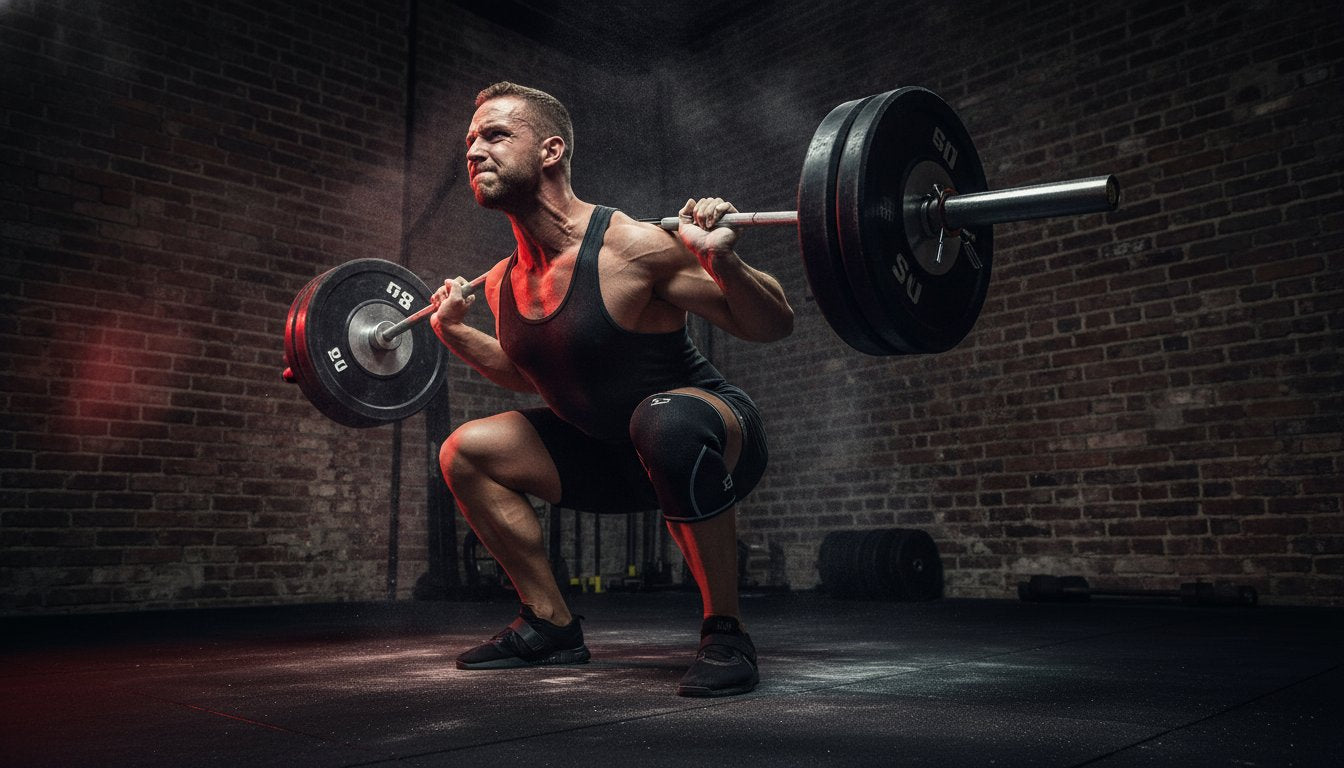
If you believe that maximum thickness is always the superior choice for every lifter, you're likely sacrificing technical precision for a false sense of security. It is frustrating to deal with sleeves that slide down mid-set or restrict your range of motion exactly when you need to hit depth. Determining what thickness knee sleeves are best depends entirely on your specific training discipline and your requirement for joint warmth versus mechanical assistance.
We know you want gear that survives high-volume training without wearing out, and this guide provides the practical data you need to make an informed choice. We'll break down the functional differences between 3mm, 5mm, and 7mm neoprene to help you maximise support and mobility. Whether you require the flexibility of a thinner sleeve for functional fitness or the robust stability of our Heavy Duty Knee Sleeves for heavy squats, Team Industry UK is here to ensure you feel stable and confident under the bar.
Key Takeaways
- Determine what thickness knee sleeves are best for your lifting style by understanding how neoprene depth affects joint heat and mechanical assistance.
- Identify why 7mm is the industry standard for competitive powerlifting while 5mm often provides better utility for moving events and functional training.
- Evaluate the trade-offs between maximum compression and joint mobility to prevent your gear from restricting your range of motion during deep squats.
- Follow our step-by-step measurement guide to ensure your Heavy Duty Knee Sleeves provide a reliable, secure fit that won't slide or bunch during high-volume sessions.
Understanding Neoprene Thickness: 3mm, 5mm, and 7mm Explained
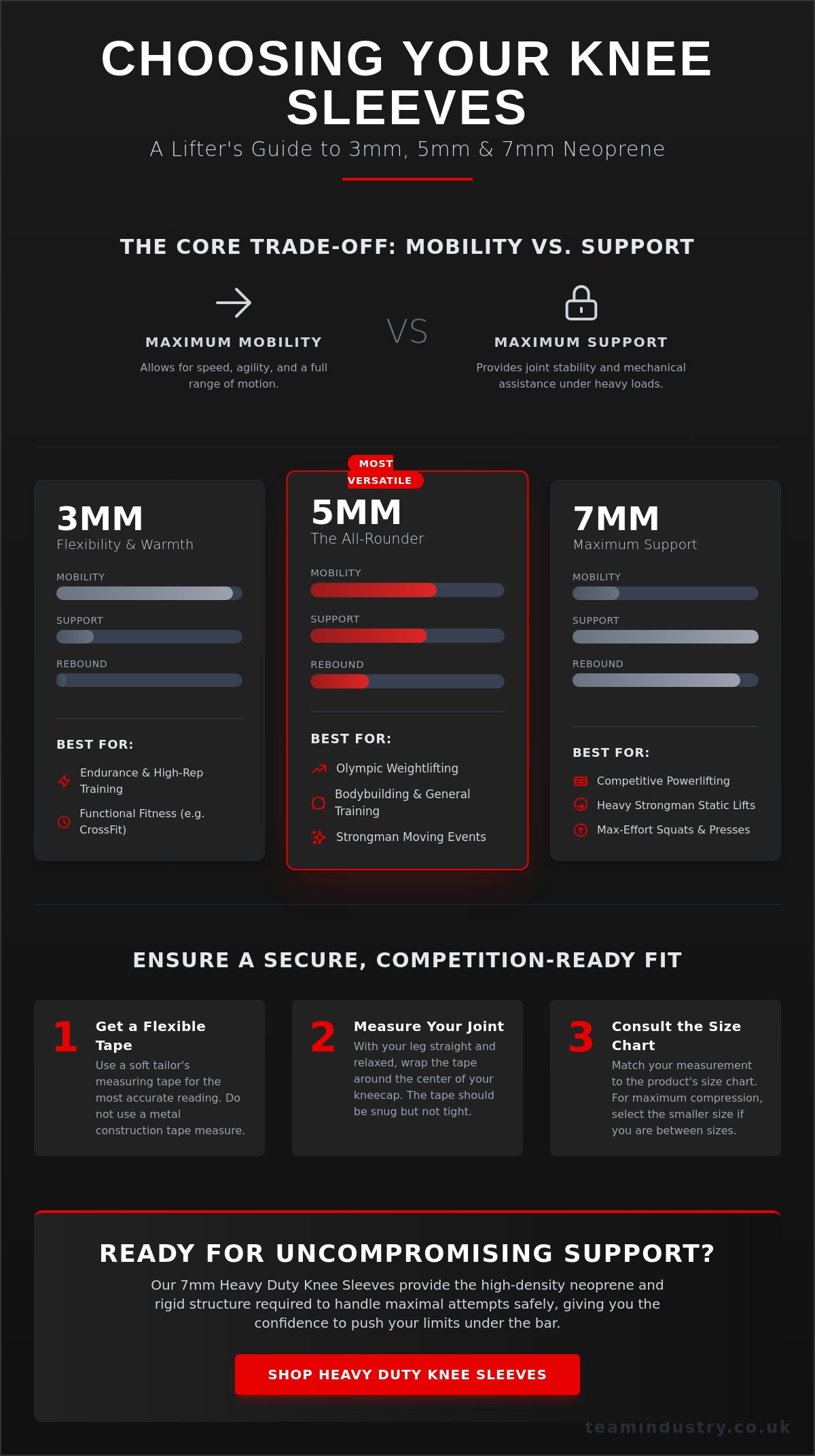
Neoprene thickness isn't just about comfort; it's a functional decision that dictates joint stability and heat retention. When athletes ask what thickness knee sleeves are best, they're really asking about the trade-off between mobility and structural integrity. Like other compression garments, sleeves work by applying external pressure to the limb, which aids blood flow and enhances your awareness of joint positioning.
The thickness of the material directly affects the distance between your skin and the bar path, which is a critical detail for technical lifters. Thicker neoprene, specifically the 7mm variety, offers a distinct mechanical advantage. At the bottom of a squat, the material compresses and stores potential energy. This provides a "rebound" effect that assists you in driving the weight back up, a physical property that thinner materials cannot replicate.
To better understand how these differences play out in training, watch this helpful video:
The 3mm and 5mm Standard: Versatility and Warmth
3mm sleeves are the preferred tool for endurance athletes and high-rep functional fitness enthusiasts. They prioritise blood flow and proprioception without adding bulk. In contrast, 5mm sleeves act as the dependable all-rounder for general gym training. Olympic weightlifters often choose 5mm because they require significant knee flexion speed during the catch phase of a clean or snatch. The thinner material allows for faster movement while still maintaining joint temperature and providing light support.
The 7mm Standard: Maximum Support for Heavy Singles
7mm neoprene is the gold standard for Powerlifting and heavy Strongman sessions where absolute stability is the priority. This thickness provides a rigid structure that limits lateral movement of the patella under extreme loads, ensuring the joint tracks correctly. For those pushing their limits, our Heavy Duty Knee Sleeves offer the high-density support required to handle maximal attempts safely. 7mm sleeves are the primary tool for maximal force production in static lifts.
Selecting the Right Thickness for Your Specific Lifting Discipline
Choosing the correct gear requires an honest assessment of your primary training goals. While we've discussed the physical properties of neoprene, applying that knowledge to your specific sport is how you decide what thickness knee sleeves are best for your long-term progress. Your choice should reflect the balance between the mechanical assistance you need and the range of motion your movements demand.
Powerlifting and the 7mm Advantage
For competitive powerlifters, 7mm is almost mandatory. This thickness provides a reliable "pop" out of the hole, which is essential for breaking personal records during heavy singles. An academic study on knee sleeve biomechanics suggests that this external support can positively influence joint tracking under load. If your goal is maximal stability, our Heavy Duty Knee Sleeves are designed for these exact conditions. Athletes transitioning into strength athletics should also consult our guide on Strongman Training Gear UK for more specialized equipment advice.
Strongman athletes face a unique challenge. You need 7mm support for static overhead presses or max squats, but 5mm sleeves often offer the flexibility required for moving events like the Farmer's Walk or Loading Race. Bodybuilders typically prefer 5mm sleeves. This thickness maintains the "pump" and blood flow during high-volume leg days without the restrictive stiffness of thicker options. For general fitness, a 5mm sleeve is the most cost-effective starting point for UK lifters because it balances durability with versatile movement.
CrossFit and Dynamic Movement
In high-intensity functional fitness, 3mm or 5mm sleeves are superior. These thinner options allow you to transition from burpees to lunges and running intervals without the gear bunching behind the knee. 7mm sleeves often trap excessive heat and restrict movement during complex Olympic lifts where speed is paramount. Thinner material aids proprioception, helping you feel your joint position during rapid snatches or cleans. If you're looking to upgrade your support system, explore our full range of joint support gear to find your perfect match.
Mobility, Compression, and Navigating the Trade-offs of Thicker Sleeves
High-density neoprene provides exceptional support, but it can also act as a physical barrier if not managed correctly. When athletes evaluate what thickness knee sleeves are best, they often overlook how 7mm material can hinder depth for lifters with specific limb proportions. Testing your gear is essential. Perform a bodyweight squat and monitor for any resistance that forces you to shift your weight forward. A sleeve should support the joint without forcing a change in squat mechanics.
Compression levels also play a significant role in your training experience. You must distinguish between a "comfort fit" for daily volume and a "competition fit" for maximal attempts. While a tighter fit increases structural stiffness, it also reduces breathability and can lead to skin irritation during long sessions. If your sleeves are too thick for your current mobility levels, you'll feel a distinct "pinch" in the knee pit that disrupts your timing.
Achieving Full Range of Motion (ROM)
Lifters with shorter femurs often struggle with the length of standard 7mm sleeves. To avoid pinching, try "pre-loading" the sleeve by pulling it slightly higher on the thigh or folding the top inch downward. This technique reduces the volume of material gathered behind the knee at the bottom of the squat. Ensuring the material is distributed evenly prevents the sleeve from acting like a wedge that stops you from hitting competition depth.
The Role of Compression in Injury Prevention
Compression does more than keep the joint warm; it increases "joint consciousness" or proprioception. This heightened sensory feedback reduces the perception of pain and allows you to feel the exact position of your knees under load. There is a massive psychological benefit to feeling that secure wrap when you're approaching a heavy barbell. For a complete overview of how to coordinate your equipment for a PR attempt, read our guide on Mastering Your Pull.
Ready to find your perfect fit? Explore our joint support collection to secure your next set of Heavy Duty Knee Sleeves.
How to Measure and Maintain Your Heavy Duty Knee Sleeves
Once you've decided what thickness knee sleeves are best for your specific programme, securing a precise fit is the final step toward optimal performance. Use a flexible tape measure to check the circumference of your knee joint, the widest part of your calf, and the lower portion of your quad. Many lifters overlook the calf and quad, but these measurements are what determine if you can successfully pull the sleeve over your leg. Take these measurements at the start of your day; measuring after a leg workout when your muscles are engorged with blood results in a fit that's too loose for standard training.
Professional Sizing Tips
Apply the two-finger rule to verify your compression levels. You should be able to slide two fingers under the top edge of the sleeve with significant effort. If the fit is loose, you won't receive the mechanical assistance required for heavy squats. While you might size down for a dedicated competition fit, stay true-to-size for daily volume to maintain healthy circulation. View the Team Industry UK Joint Support collection to find the specific dimensions for your build.
Longevity and Maintenance
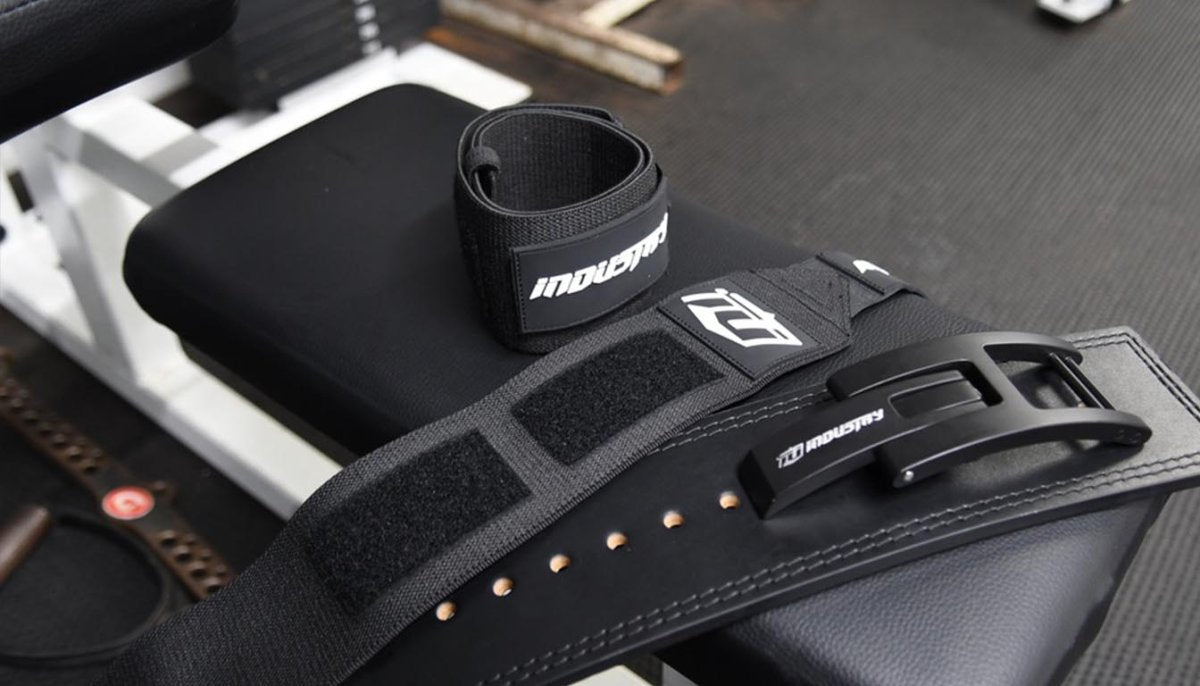
Protect your investment by avoiding the machine dryer, as high heat destroys neoprene elasticity and leads to brittle material. Hand wash your sleeves in cold water with a mild, fragrance-free detergent to prevent common neoprene odour without compromising the reinforced stitching. Air-drying in a shaded, well-ventilated area is the only way to ensure your gear survives high-volume training cycles. For athletes seeking total stability, pairing these sleeves with our Weight Lifting Belts provides the necessary core and joint support for your heaviest sessions.
Optimise Your Performance With the Right Support
Deciding what thickness knee sleeves are best depends entirely on balancing your need for mechanical rebound with the mobility required for your sport. While 7mm neoprene offers the structural stiffness necessary for maximal powerlifting attempts, 5mm options provide the versatility needed for high-volume bodybuilding or dynamic strongman events. Always prioritise accurate measurements of your knee, calf, and lower quad to ensure your gear functions as intended without restricting your range of motion.
High-quality equipment is a long-term investment in your joint health and lifting longevity. Secure your pair of Heavy Duty Knee Sleeves from Team Industry UK today. Our sleeves are constructed with professional-grade 7mm neoprene and feature reinforced double-stitching for extreme durability. This is why our gear is trusted by UK Strongman and Powerlifting athletes across the country.
Take the guesswork out of your training and step onto the platform with equipment designed for the grit of heavy lifting. We look forward to seeing you hit your next personal best with total stability and confidence.
Frequently Asked Questions
Is it better to have 5mm or 7mm knee sleeves for squats?
7mm sleeves are the superior choice for heavy squats because they offer the most structural support and mechanical rebound. While 5mm sleeves provide adequate warmth and light compression for high-volume accessory work, they lack the stiffness required for maximal attempts. If you're training for powerlifting or focusing on low-rep strength sets, the 7mm thickness ensures your knee joint remains stable under significant load.
Can I wear 7mm knee sleeves for my entire workout?
You can wear 7mm sleeves throughout a session, but they're designed specifically for static, heavy movements. Their density can cause excessive heat buildup and restrict blood flow during long rest periods or dynamic movements like running and jumping. For a more versatile training experience, consider removing them between heavy sets or switching to a thinner pair for your accessory work to maintain better circulation.
Should I size down in knee sleeves for a tighter fit?
Only size down if you're prioritising a competition fit and have experience with high-compression gear. Stay true to your measurements for daily training to ensure long-term durability and proper blood flow. When deciding what thickness knee sleeves are best, remember that a sleeve that's too tight can actually distract you by causing discomfort or pinching behind the knee during your sets.
How do I know if my knee sleeves are too thick?
Your sleeves are too thick if they prevent you from hitting your standard squat depth or cause significant pinching in the knee pit. Check your range of motion during a warm-up set to see if the material bunches excessively behind the joint. Determining what thickness knee sleeves are best for your build requires a balance where the sleeve supports the joint without altering your natural movement patterns.
Do thicker knee sleeves prevent injuries better than thin ones?
Thicker sleeves provide more mechanical stability and patellar tracking, but they don't replace proper technique for injury prevention. 7mm sleeves offer superior joint warmth, which can reduce the risk of strain during heavy loads. However, thinner sleeves are often better for dynamic sports because they provide proprioceptive feedback without restricting movement. Use sleeves as a supportive tool alongside a structured warm-up and technical focus.

Share:
How to Measure for a Lifting Belt: The Ultimate UK Sizing Guide
The Benefits of Weight Lifting Belts | Team Industry UK