
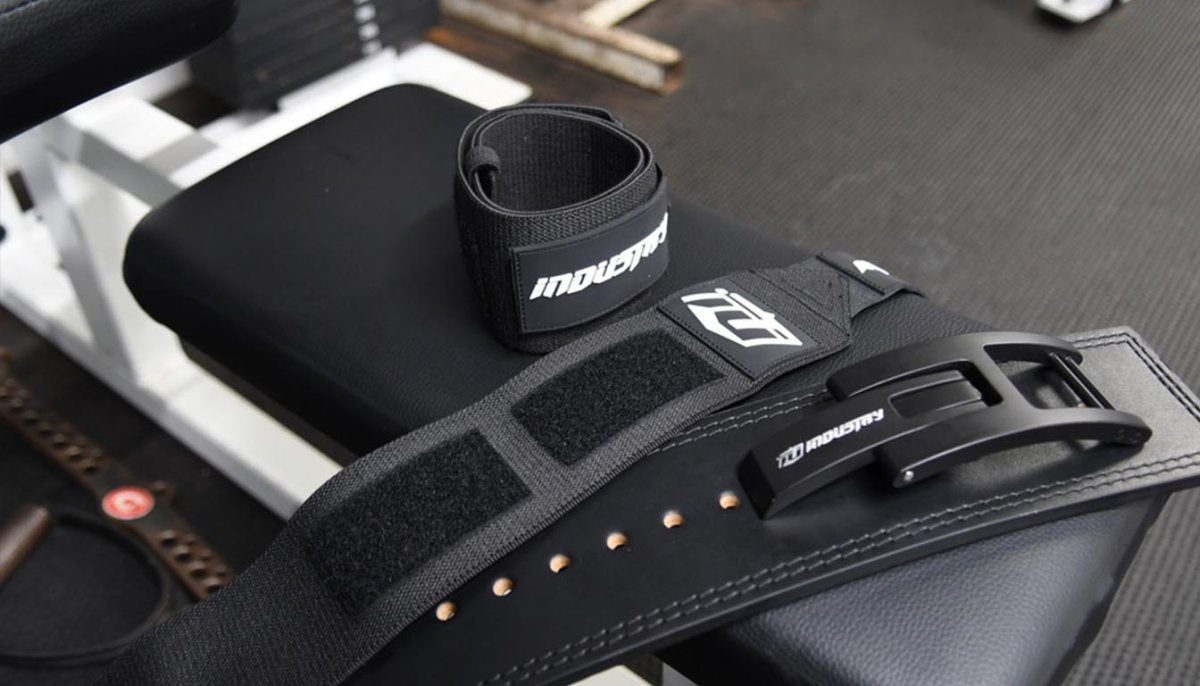
Your grip strength should never be the factor that limits your back growth. If your forearms give out before your lats during a heavy set of rows, you are leaving muscle on the table. Many lifters ask, what are the strength accessories for bodybuilding that actually move the needle for hypertrophy rather than just helping you move more weight? With the global fitness equipment market valued at US$ 18.7 billion in 2026, the options are overwhelming. While powerlifters use gear to hit a specific competition total, a bodybuilder uses tools like a Team Industry Lifting Belt or Figure 8 Lifting Straps to isolate a target muscle and drive it to true failure.
It's frustrating when joint discomfort or a weak grip prevents you from reaching the intensity your muscles can handle. You want to train hard, but you don't want your secondary muscles to be the weak link. This guide will show you how to tactically use strength accessories to overcome these physical bottlenecks and maximize muscle hypertrophy. Just as dedicated wrestlers rely on YES! Athletics for specialized footwear and gear, bodybuilders must choose tools that address their specific bottlenecks. We'll break down which items provide the best return on investment for your growth, from the stability of a 10mm Lever Belt to the joint protection offered by Heavy Duty Knee Sleeves.
Key Takeaways
- Learn how to isolate and eliminate the specific physical bottlenecks that prevent your muscles from reaching true failure.
- Understand what are the strength accessories for bodybuilding that facilitate higher training intensities, including the role of Heavy Duty Knee Sleeves in joint protection.
- Discover why a Team Industry Lifting Belt is a tactical tool for core stability rather than just a powerlifting requirement.
- See how Figure 8 Lifting Straps can transform your back training by removing grip strength as a limiting factor.
- Identify the essential gym bag additions that support central nervous system arousal and consistent intra-workout nutrition.
The Tactical Role of Strength Accessories in Bodybuilding
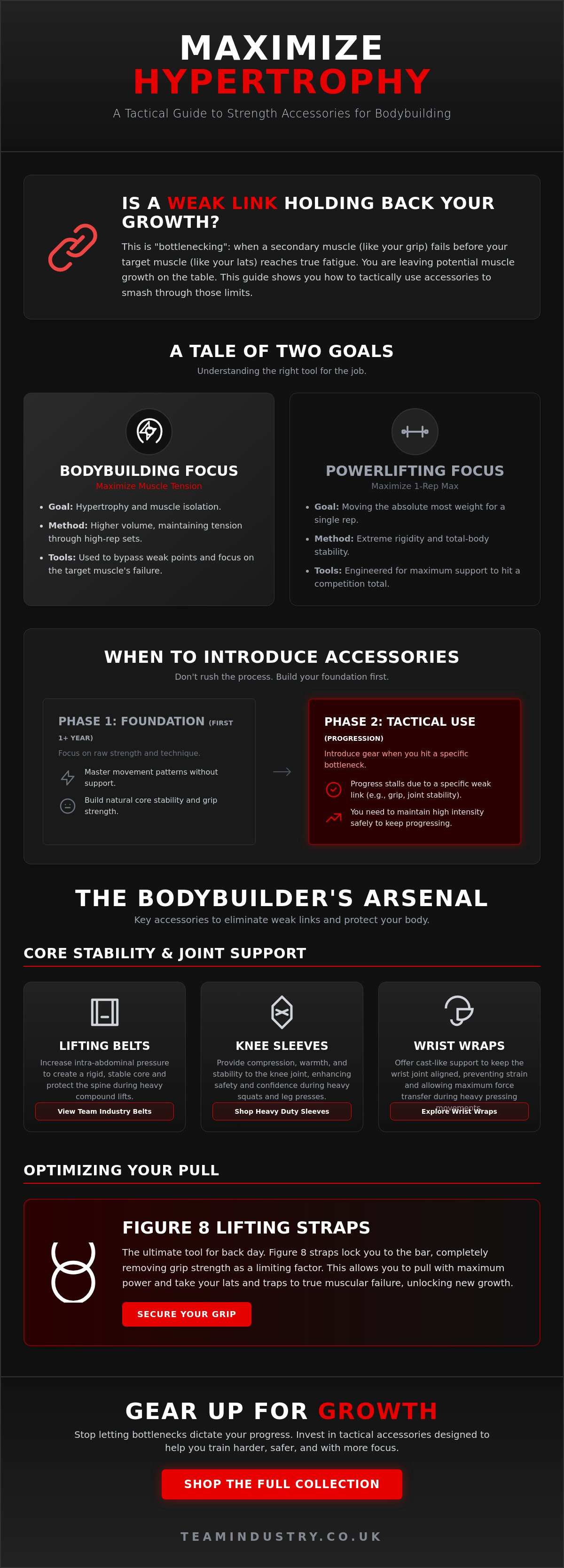
Strength accessories are tactical tools designed to facilitate higher training volume and intensity. They serve as a bridge between your current physical limitations and your muscle's true growth potential. Many lifters wonder what are the strength accessories for bodybuilding that provide the best return on investment. The answer lies in identifying "bottlenecking," which occurs when a secondary muscle group fails before the primary muscle you're trying to grow. For example, if your grip gives out during a heavy set of rows before your lats are fully fatigued, your equipment is the limiting factor in your hypertrophy.
While powerlifting gear is engineered for moving maximum weight, bodybuilding gear focuses on maintaining maximum tension. A powerlifter might use a stiff belt to create extreme rigidity for a single repetition, but a bodybuilder uses a Team Industry Lifting Belt to provide consistent intra-abdominal pressure during high-rep sets. This stability ensures the spine remains safe while the legs or back do the heavy lifting. Strength accessories enhance the mind-muscle connection by removing the distracting sensation of secondary muscle fatigue or joint instability.
To better understand how these tools rank in a training program, watch this helpful video:
A standard list of common bodybuilding accessories includes everything from chalk to specialized footwear, but the most effective tools are those that directly address your individual weaknesses. By removing these distractions, you can focus entirely on the quality of each contraction.
When to Introduce Accessories to Your Training
It's vital to establish a foundation of raw strength before relying on external support. Beginners should focus on mastering movement patterns and building natural grip and core stability during their first year of training. You'll know it's time to add gear when your progress stalls because of a specific weak link rather than overall fatigue. If your joints feel "creaky" during heavy presses or the bar slips during your top sets of deadlifts, accessories like wrist wraps or Figure 8 Lifting Straps become necessary for continued progression. Using these tools at the right time allows you to maintain high intensity without compromising safety.
Core Stability and Joint Support: Belts, Sleeves, and Wraps
A stable core is the foundation for every heavy compound lift in a bodybuilding program. While some argue that relying on gear weakens the midsection, the reality is that weight lifting belts allow you to generate greater intra-abdominal pressure. This pressure creates a rigid cylinder around your spine, protecting it during high-volume squats or rows. Research, such as this CDC study on lifting belt safety, highlights how these tools can assist in maintaining proper mechanics under load. For those pushing extreme poundages, a 13mm Lever Belt offers the highest level of structural support, ensuring your torso remains locked in place while your legs drive the movement.
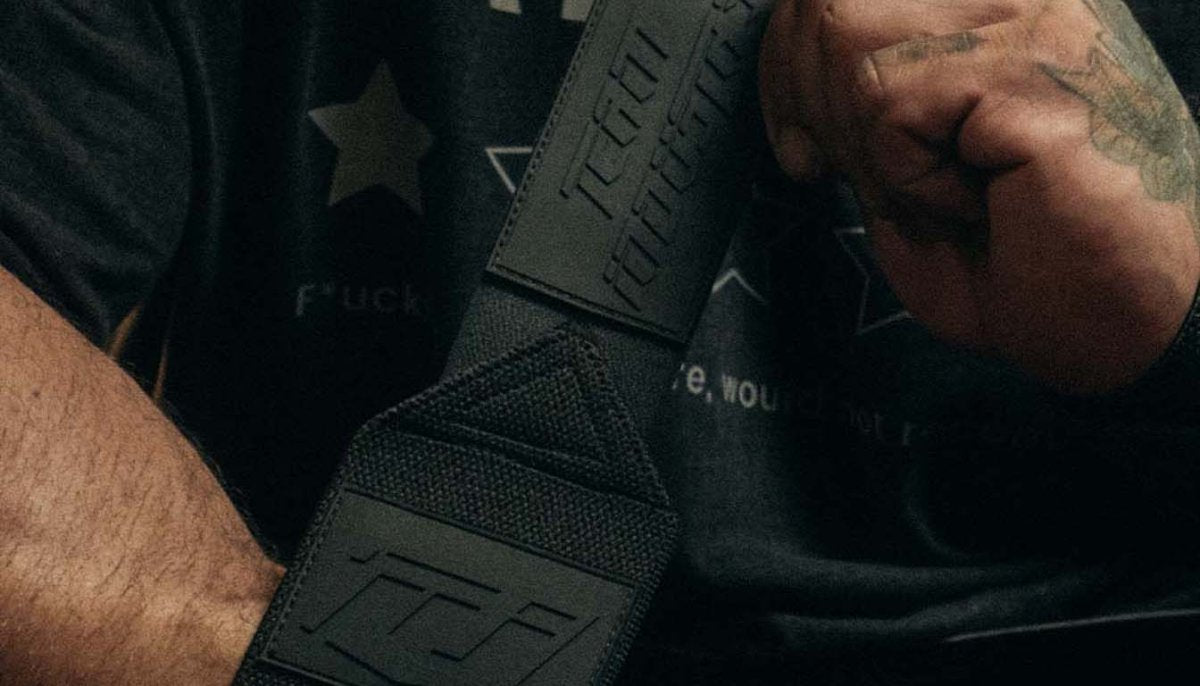
What are the strength accessories for bodybuilding that keep you in the gym long-term? Joint support is high on that list. Heavy pressing movements often lead to wrist strain, which can distract you from the chest or shoulder contraction. Using Wrist Wraps provides a cast-like stability that keeps the joint aligned, allowing you to focus entirely on the push. This level of support is essential when you're moving toward the end of a hypertrophy block where fatigue is high but intensity must remain peaked.
Choosing Between Lever and Prong Belts
Pragmatic lifters choose their belt based on their current physique goals. A 10mm Lever Belt is the standard for most bodybuilders because it's easier to break in and provides ample support. However, prong belts are often better during a contest prep or a heavy bulk. Your waist size fluctuates significantly during these phases. A prong belt allows for quick, incremental adjustments without needing a screwdriver. If you prioritize speed and a consistent tightness for every set, the lever system is the superior choice. You can view our full range of Lever Belts to find the right fit for your current training phase.
The Importance of Joint Compression
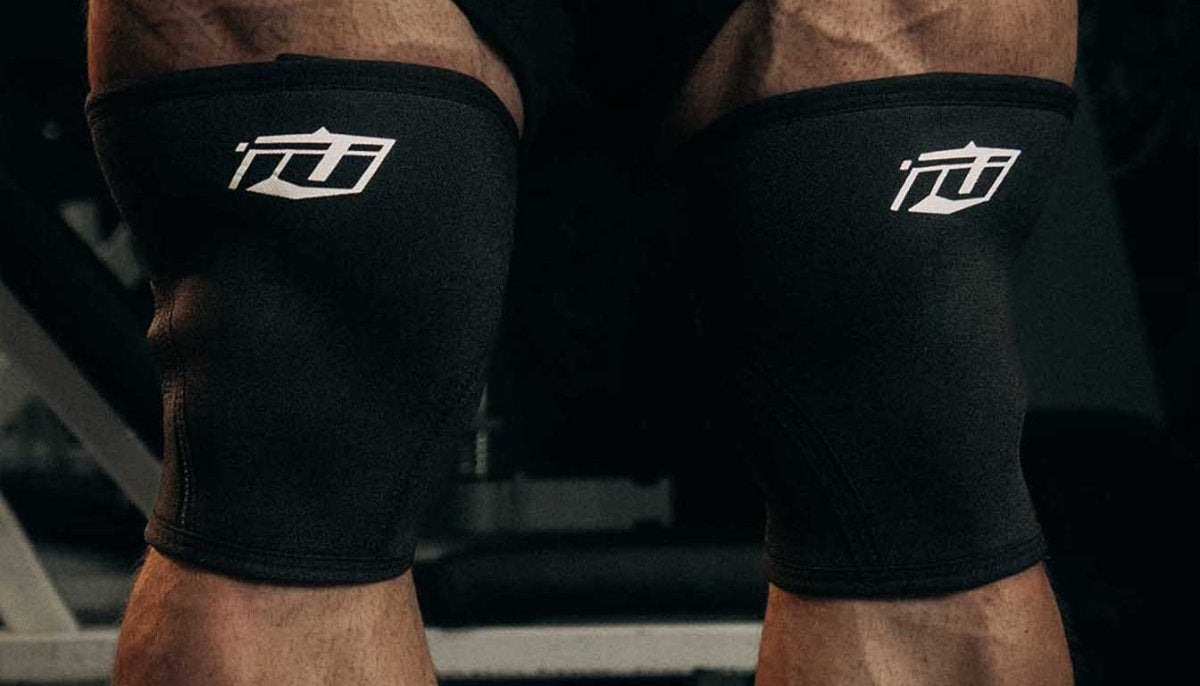
Leg day requires more than just grit; it requires warm, stable knees. Wearing heavy duty knee sleeves increases blood flow and provides vital proprioception. This "feeling" of the joint helps you maintain better depth and control during hack squats or leg presses. Unlike knee wraps, which provide a mechanical spring to help you lift more weight, sleeves are designed for support and injury prevention. They keep the joint lubricated and compressed, helping you avoid the nagging aches that often stall growth. Consistent training is the fastest way to see results, and protecting your joints ensures you never miss a session.
Optimising Your Pull: Straps, Hooks, and Grip Aids
Back training often fails because of grip fatigue. When you're pulling heavy for high volume, your hands are usually the first link to break. Bodybuilders don't train rows or pull-ups to build forearm size; they train them to build a thick, wide back. Using lifting straps allows you to bypass the grip bottleneck and focus entirely on the lats. This is a key part of understanding what are the strength accessories for bodybuilding that actually contribute to muscle growth. For a technical deep dive into these tools, consult our Mastering Your Pull guide.
Lasso vs. Figure 8 Straps
Choosing the right strap depends on your specific lift and the level of security you need. Classic lasso straps are the most versatile option. They allow you to wrap the bar multiple times and quickly release the weight if needed. They're perfect for dumbbell rows or lat pulldowns. However, for maximum security on heavy deadlifts or shrugs, Industry Figure 8 Lifting Straps are superior. They lock your hand to the bar, making it nearly impossible for the weight to slip during high-rep sets.
- Lasso Straps: Ideal for general bodybuilding movements and machine work where quick setup is preferred.
- Figure 8 Straps: Best for absolute security on heavy barbell pulls, shrugs, and axle bar work.
The Liquid Chalk Advantage
Many commercial gyms ban traditional block chalk because it's messy and leaves a dust cloud on the equipment. Liquid chalk is the superior choice for these environments. It applies as a fluid and dries in seconds, leaving a thin, "second skin" layer of magnesium carbonate on your palms. This prevents bar slippage caused by sweat without the mess. It's a pragmatic solution for lifters who need a secure grip during their top sets but want to respect gym regulations. Applying a small amount before your heaviest sets ensures you stay connected to the iron throughout the entire range of motion.
Don't let a weak grip stall your back development. Shop our full range of lifting straps and hooks to find the right tool for your next pull day.
Essential Gym Bag Additions: Performance and Recovery
Completing your training kit requires looking beyond support gear to the tools that manage your physiology and logistics. When people ask what are the strength accessories for bodybuilding, they often overlook the psychological and nutritional components. Smelling Salts are a practical addition for any lifter hitting a heavy top set. They provide an immediate sensory spike that increases central nervous system (CNS) arousal. This brief surge in focus helps you push through the final, most productive repetitions of a set where your drive might otherwise flicker.
Logistical efficiency is just as important as physical strength. Digging through a disorganized bag for your wraps or chalk wastes time and breaks your mental rhythm. Using accessories like our Tactical Back Packs keeps your equipment separated and accessible. A dedicated Team Industry Shaker Bottle should also be a permanent fixture in your bag. It ensures you have intra-workout carbohydrates or post-workout protein ready exactly when your body needs them. Team Industry UK acts as a partner in your journey by providing professional-grade gear that stands up to the grit of daily training.
The Role of Apparel in Performance
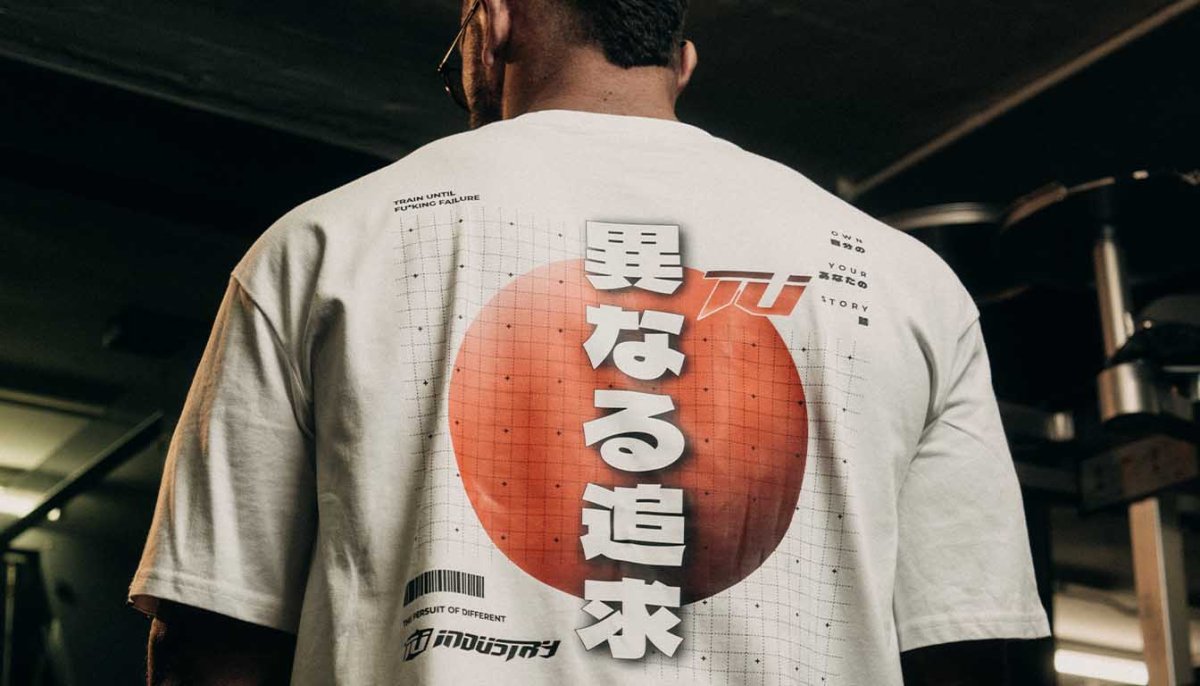
Your choice of clothing directly impacts your range of motion and temperature regulation. An Industry Oversized Tee is often the preferred choice for serious lifters because it offers unrestricted movement. You don't want tight sleeves pulling against your shoulders during lateral raises or chest presses. This apparel choice keeps your muscles warm between sets while allowing the skin to breathe during high-intensity blocks. For a deeper look at how to select the right fabrics and cuts for your physique, check out our Men’s Gym Clothes Guide.
Building Your Pro-Grade Kit
Building a professional kit is an investment in your consistency. Use this checklist to ensure you have what are the strength accessories for bodybuilding needed to handle any session:
- Support: 10mm or 13mm Lever Belt and Heavy Duty Knee Sleeves.
- Pulling: Figure 8 Lifting Straps and Liquid Chalk.
- Performance: Smelling Salts for CNS arousal and an Industry Oversized Tee for movement.
- Logistics: Tactical Back Pack and a Team Industry Shaker Bottle.
Start with the essentials and add specialized gear as your intensity increases. High-quality equipment matches your level of dedication and ensures that your physical output is never limited by your tools.
Elevate Your Training with Professional-Grade Support
Selecting what are the strength accessories for bodybuilding involves more than just filling a bag; it requires choosing tools that bridge the gap between effort and results. By strategically using belts for core stability and straps to bypass grip fatigue, you ensure the target muscle always reaches its limit. These tools allow you to maintain high intensity safely throughout your entire hypertrophy block. Don't let a secondary weakness or nagging joint discomfort stall the progress you've worked hard to earn.
Team Industry UK serves as a specialist partner for both the Strongman and Bodybuilding communities. We're deeply invested in UK strength federations and maintain a physical shop where you can test equipment to ensure it meets your specific needs. Our gear is built for the grit of the labor-intensive training world, prioritizing durability and operational excellence. Invest in equipment that reflects your level of commitment to the sport.
Shop the full Team Industry Strength Collection for professional-grade gear and equip yourself for your next personal best. Your dedication deserves equipment that works as hard as you do.
Frequently Asked Questions
Are lifting straps considered "cheating" in bodybuilding?
Lifting straps aren't cheating; they're essential tools for isolating target muscles during high-volume training. In bodybuilding, your goal is hypertrophy rather than testing your grip strength. Using Weight Lifting Straps allows you to push your lats to true failure without the bar slipping from your hands. This focus on the primary mover ensures you don't leave muscle growth on the table because of forearm fatigue.
At what weight should I start using a lifting belt?
You should consider using a belt when your training load reaches approximately 70 to 80 percent of your one-rep maximum. It isn't a crutch for a weak core but a tool to increase intra-abdominal pressure for better spinal stability. When identifying what are the strength accessories for bodybuilding that prioritize safety, a Team Industry Lifting Belt is a primary choice for heavy compound movements.
Do I need knee sleeves if I do not have knee pain?
You don't need to wait for pain to occur before benefiting from the compression and warmth of knee sleeves. They improve blood flow and proprioception, helping you maintain better control and depth during squats or leg presses. Wearing Heavy Duty Knee Sleeves acts as a preventative measure. This support keeps your joints lubricated and stable, which is vital for long-term training consistency.
What is the difference between wrist wraps and lifting straps?
Wrist wraps provide joint stability for pressing movements, while lifting straps assist your grip during pulling exercises. You'll use Wrist Wraps during bench or shoulder presses to keep your joint in a neutral, supported position. Understanding what are the strength accessories for bodybuilding and their specific functions ensures you use the right tool for the job. Straps are reserved for rows and deadlifts where grip is the bottleneck.
How long do professional-grade lever belts usually last?
A professional-grade lever belt made from high-quality leather can last for a decade or more with basic care. Our Lever Belts are designed to withstand the grit of daily training in high-intensity environments. The lever mechanism is a heavy-duty piece of hardware that handles extreme pressure without failing. Investing in a 10mm or 13mm belt is a long-term commitment to your training infrastructure that won't require frequent replacement.
Share:
Essential Gear for Bodybuilding Competition Day: The Ultimate Show Day Checklist (2026)
Master Your Bench Press: Benefits of Using Wrist Wraps