

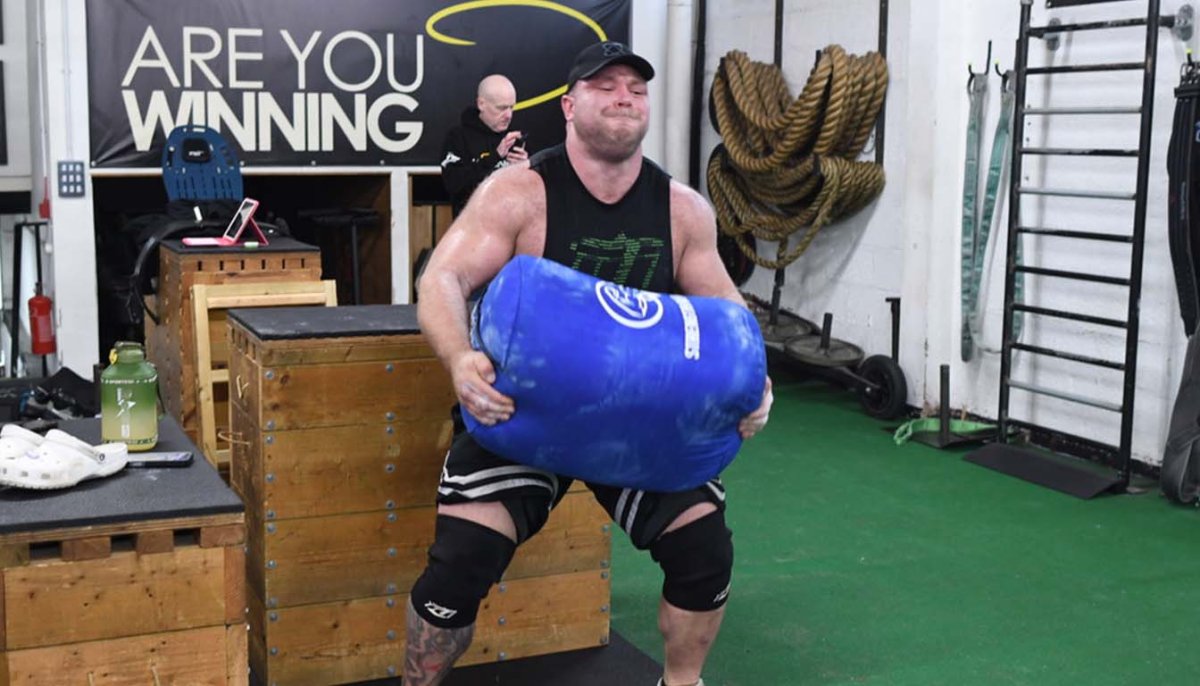
The right kit for strongman training starts with stable footwear, suitable lifting straps and equipment matched to the events you practise. Choosing essential gear for strongman training means thinking beyond general gym work: carries, deadlifts and axle lifts each place different demands on your grip, footing and setup.
It’s easy to focus on the weight you’re moving, but your gear can affect how securely and consistently you handle each lift. This guide explains what to look for in footwear, when straps can help, and how belts and event equipment fit into a practical setup. You’ll also learn how to choose gear for yoke and farmers’ carries, deadlifts and axle work, so you can build around the events you train instead of buying equipment without a clear purpose.
Key Takeaways
- Choose stable footwear with a sole suited to the surface and event, so your footing supports carries and pulls.
- Match your shoe choice to the task: pressing and loading movements can call for different support from yoke or farmers’ walks.
- Use lifting straps selectively for deadlifts and axle lifts, keeping grip demands and the event’s rules in mind.
- Build your setup around the events you train, from belts and wrist support to stones, carry implements and tyres.
1. Footwear for yoke, farmers walk and truck pull
Choose footwear for the surface and movement, not just the lift. A firm, stable sole helps you stay balanced under a yoke, while a secure fit matters when pulling a truck or carrying farmers’ walk handles. Avoid shoes that shift on your foot or compress heavily under load. For a farmers’ walk, practise in the shoes you expect to train in, then adjust your stance until each step feels controlled. Strongman events demand strength, but a stable base helps you apply it without wasted movement.
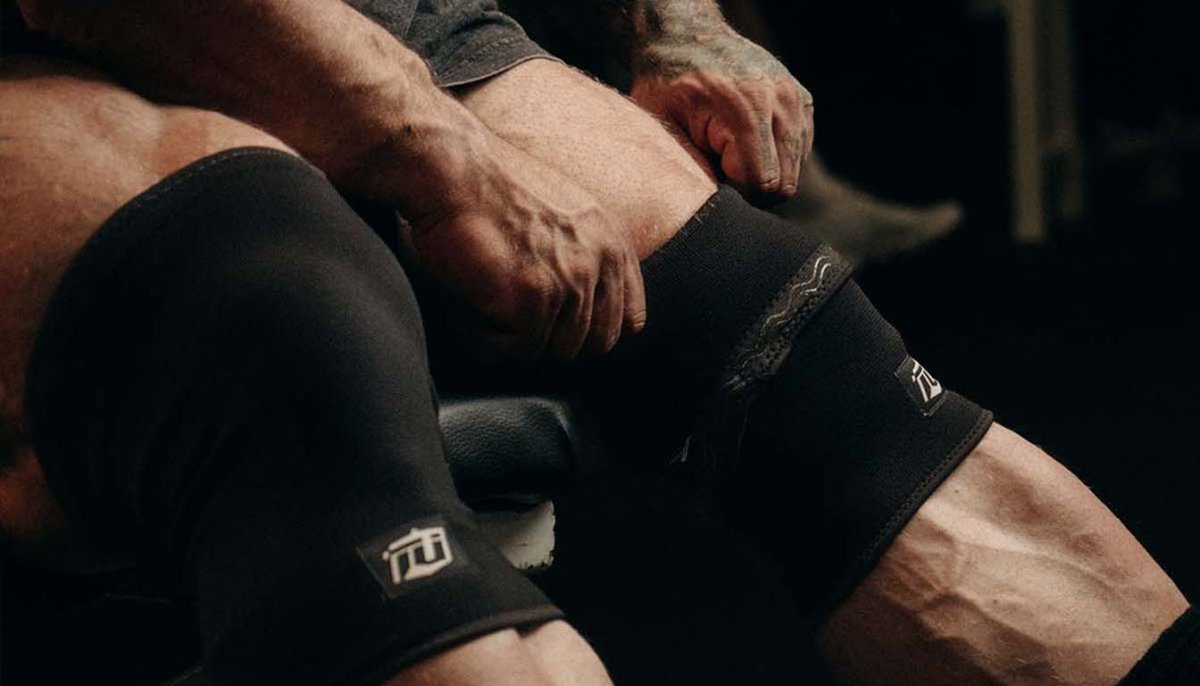
Farmers’ walk handles test grip and posture as well as leg drive. Start with a manageable load, pick up the handles with a braced torso, then walk with short, even steps. For holds, stand tall and keep the handles close to your sides; stop when your posture or grip starts to break down. A dumbbell carry can help you practise one-sided loading, while sandbags challenge your ability to stabilise an uneven object. These variations develop balance for farmers’ walks without treating every carry as the same event. If you use knee sleeves for support during squats or event training, make sure they feel comfortable and secure.
Footwear also changes how you approach a truck pull. Choose a sole that grips the training surface, plant your feet firmly, and lean into the harness without letting your shoes slide. Yoke walks need enough stability for controlled steps, while atlas stones involve lifting and loading rather than travelling under a carried frame. Match your practice to the event. The 2016 Farmer’s Walk record cited here involved 400 kg, split equally between both hands, for 20.67 metres. In 2013, Patrik Baboumian carried 555.2 kg over 10 metres in a yoke walk. Those performances show why handles, footing and balance belong in the same training plan. Explore strength-training gear as you build a setup around your carries.
The plan prescribes farmers walks for four trips of 50 feet and yoke carries for four trips of 40 feet. Scotland's Tom Stoltman holds the Atlas Stone lift record cited here at 286 kg.
2. Strongman equipment: What do you need?
Choose essential gear for strongman training according to the events you plan to practise: carries, pressing, loading and deadlifts call for different implements. Pressing is a common part of strongman competition, so include overhead work in your preparation. Atlas stones, farmers’ walk handles, circus dumbbells and giant tyres each support distinct event practice. Sandbags are a practical option for carrying and loading when full-size implements aren’t available.
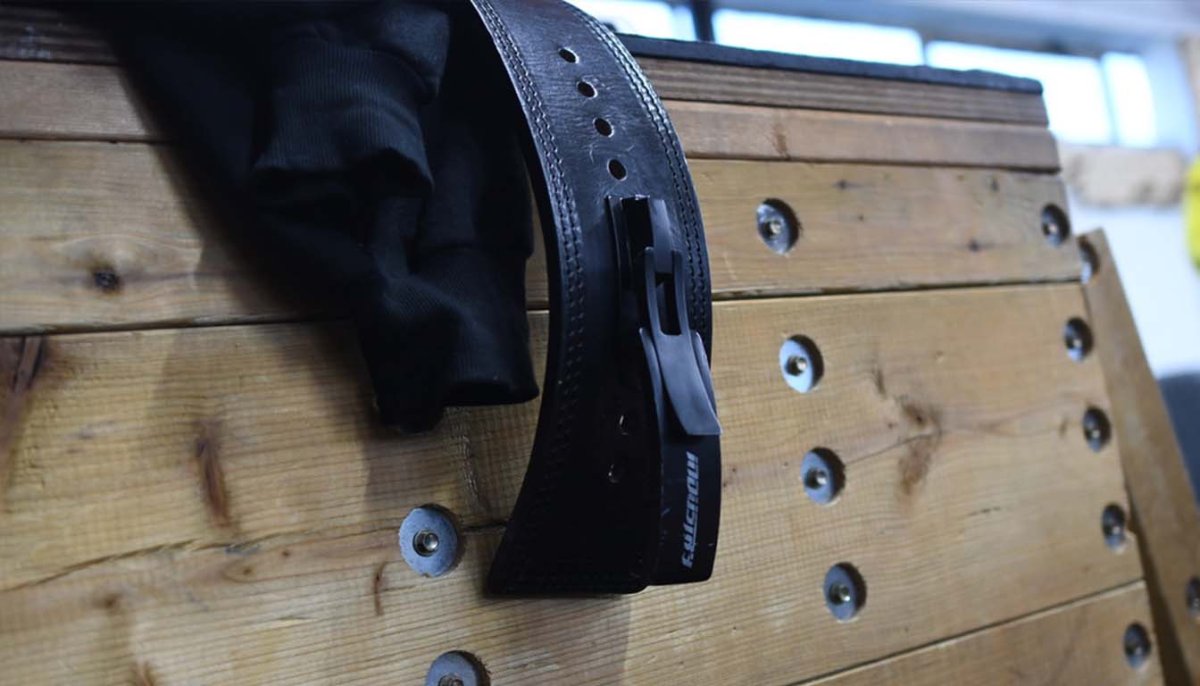
For pressing and loading, choose stable footwear suited to your stance. A shoe heel lift of three-quarters of an inch can help when loading an implement over a bar. A 13 mm belt is recommended for strongman training and competition. For a beginner, essential gear for strongman training can start with standard strength-training equipment, then expand as technique and event priorities develop.
At home, use sandbags or dumbbells to practise carrying and loading patterns. Clear a safe route for carries and choose a distance that fits your space. Overhead work needs clear room above you. These alternatives help you rehearse movement, but only event-specific implements reproduce the feel and handling of stones, handles or circus dumbbells.
UK competition rules for equipment and implements depend on the event organiser, who sets the specifications for each contest. Equipment costs vary with the type and quantity of implements, so build a setup around your training priorities rather than relying on a single budget figure. Specialist implements can be purchased from UK strength-training retailers; browse strength-training gear to explore equipment options. Stones, farmers’ handles, circus dumbbells, tyres and sandbags are used for different strongman events.
A study by Harman and colleagues found that wearing a belt during heavy lifts significantly increased intra-abdominal pressure. This supports using a belt as part of preparation for heavy lifting, alongside the event-specific choices that shape the rest of your setup. A belt doesn’t make other implements interchangeable: practice still needs to match each event’s movement and handling demands.
An Atlas stone exercise involves lifting a heavy, round stone and placing it on a platform. This differs from carrying a sandbag or pressing a dumbbell, so a substitute can help rehearse general movement but cannot reproduce the stone exercise exactly.
3. Lifting straps for deadlifts and axle lifts
Lifting straps can help when your grip gives out before the target muscles during a deadlift. They’re useful for heavy pulls and axle lifts, where the thicker bar can make a secure hold more demanding. Wrap each strap firmly around the bar, then close your grip over it before lifting. Practise the setup with a manageable weight first. Straps support your hold, but they don’t replace a braced torso, controlled positioning or sound lifting technique.
Use straps selectively. Train some sets without them to develop grip strength, then reserve them for work where grip limits the intended effort. In competition, follow the organiser’s rules for each event, since permitted equipment can vary. Figure 8 lifting straps connect around the wrist and bar, making them an option for pulling exercises. Chalk can help keep hands drier, while a lifting belt supports bracing during heavy lifting. Neither item fixes poor setup or makes a load safe to attempt.
Supportive equipment should match the movement. Lifting shoes provide a stable base for barbell work, while knee wraps or sleeves may suit lifters who use them for support. A belt and straps have different jobs: a belt helps you brace your trunk, while straps assist your grip. For Atlas stones, tacky and a lifting suit are common event-specific tools, but stone work also requires clear footing and room to lap and load the stone. Sandbags offer another way to practise lifting and carrying an awkward object.
Useful safety measures include secure footwear, suitable support gear and a clear training area. Set the bar or implement down under control, keep bystanders clear, and use a spotter when the lift or setup calls for one. Check straps and belts for damage before training. For deadlifts, build the load gradually and stop a set if your position breaks down. Equipment can support disciplined lifting, but it cannot replace good technique.
4. Strongman training equipment
Strongman equipment should reproduce an event’s demands, not simply add weight to familiar lifts. Atlas stones train picking, lapping and loading; farmers’ walk handles challenge grip while carrying. Circus dumbbells develop one-arm overhead pressing, and giant tyres provide implements for flips. Each exercise tests a different combination of strength, coordination and control, so choose equipment around the skills you need to practise.
A barbell and plates remain useful for building general strength alongside event work. Squats, deadlifts and presses let you practise repeatable movements and manage loads in a familiar setup. Add specialist equipment when it serves a clear purpose: handles for carries, stones for loading or a circus dumbbell for overhead work. This keeps training focused and helps you develop technique on each implement instead of collecting equipment without a plan.
Support items should match the movement and fit securely. Knee sleeves can provide a close-fitting layer during squats or event sessions, while wrist wraps support the wrists during pressing. For women, the recommended wrist-wrap length in the available guidance is 60 centimetres. A study by Winwood and colleagues in the Journal of Strength and Conditioning Research found the lower back accounted for around 24% of strongman athlete injuries, and the knee roughly 11%. Those figures underline the value of sound technique and sensible exercise selection, not a guarantee that support gear prevents injury.
Build a practical setup in stages: start with a barbell and plates, then add the implement linked to your main event. Keep carry paths clear, secure loose plates before lifting, and organise equipment so transitions between exercises stay controlled. If knee support is part of your kit, explore joint-support options alongside your event equipment. The clearest takeaway is simple: prioritise tools that let you practise the actual lift, carry or press, then add support where it fits your training.
Team Industry
Team Industry offers apparel and strength-training accessories for lifters building a practical setup around strongman events. Once you’ve identified the equipment your training requires, the range can help you choose complementary kit, from training clothing to a lifting belt. Select items according to how you train and what your sessions call for, rather than adding gear without a clear purpose.
For example, training clothing can suit regular gym sessions, while a belt may be useful for heavy barbell work. These items complement event-specific equipment; they don’t replace stones, carry implements or axle bars. Explore Team Industry’s apparel and strength-training accessories to find options that fit your training setup.
Build your setup around your next training block
Your next step is to choose one training priority and make your kit support it. As your event practice changes, review what helps you train consistently and what stays unused. Choosing essential gear for strongman training is an ongoing process, not a reason to buy every implement at once.
Team Industry also offers practical training apparel, including the Industry Oversized Tee, Team Industry Stringer and Industry Performance Leggings. Choose clothing that suits your sessions, then focus your equipment choices on the lifts and events you’re working towards. A clear plan makes it easier to decide what belongs in your setup next.
If you’d like help choosing suitable gear, contact Team Industry for gear advice. Set your next goal, prepare your kit, and keep building your strongman training with purpose.
Frequently Asked Questions
Strongman equipment: What do you need?
You need equipment that matches the events in your training programme, not a complete competition setup. Start by listing your target events, then identify which movements your current gym equipment can support. Add a specialist implement only when your sessions require it. Keep a simple training log of the equipment you use, loads and technique notes, so your next purchase addresses a real training need.
What equipment is essential for beginner strongman training?
Beginners can start with standard strength-training equipment and add event-specific gear gradually. Prioritise controlled movement patterns before increasing load or complexity. For example, practise a loaded carry with equipment you can handle securely, then progress towards the implement used in your chosen event. Choose kit that fits your training space and programme, and avoid buying several specialist items before you know which events you’ll practise consistently.
How much space is needed for strongman training equipment?
There’s no fixed space requirement. Clear a safe carry route that fits your available area, and leave room overhead for pressing work.
Share:
Lever Belts vs Prong Belts: Compare Adjustments Between Lifts