

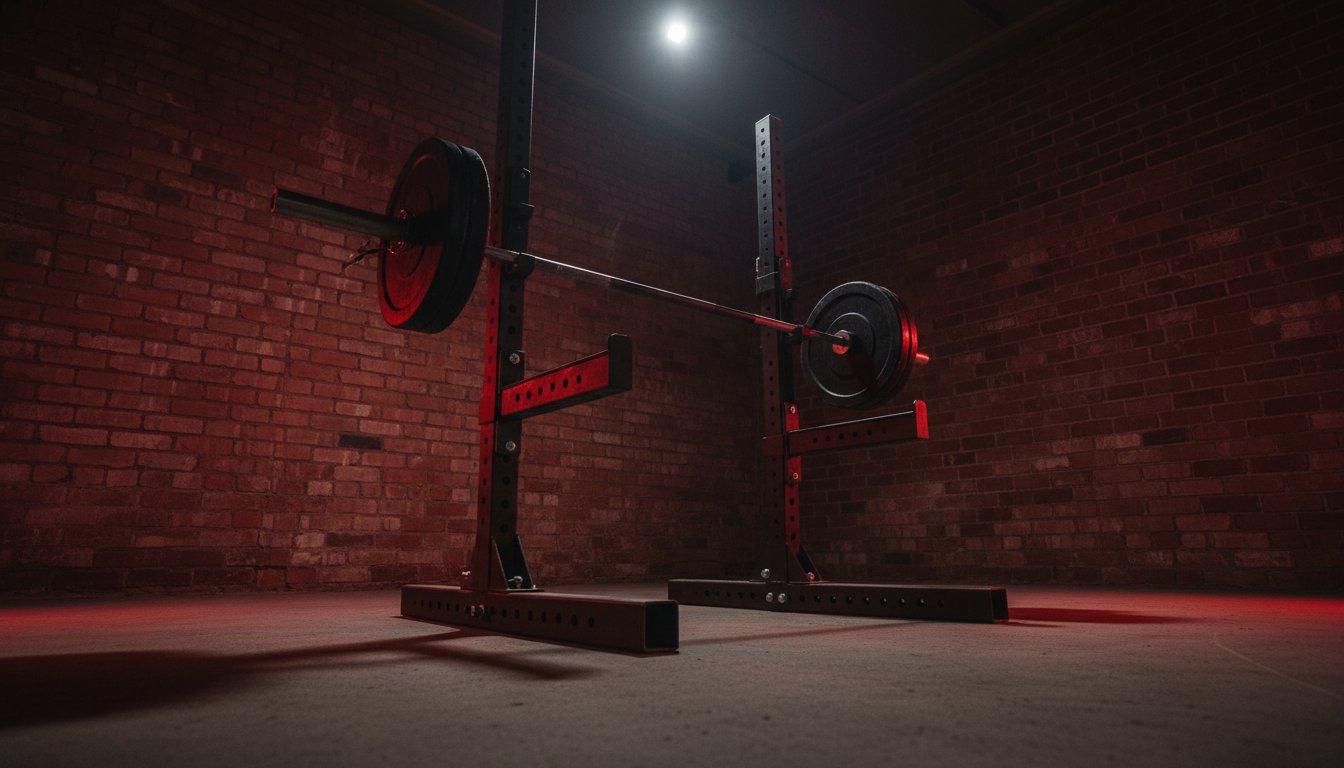
Choosing a sport barbell based on price alone often leads to a bent shaft and a wasted £300 investment within the first six months of heavy training. It's a common mistake that leaves many lifters frustrated when their equipment fails to handle the pressure of a 150kg squat. You likely feel that the technical jargon surrounding PSI ratings and tensile strength is unnecessarily complex. You simply need a reliable foundation that won't snap or warp under heavy loads. We agree that equipment should be a dependable partner in your progress, not a source of constant anxiety.
This guide will help you master the technical specifications and performance factors of sport barbells so you can select the perfect centrepiece for your training programme. You'll gain the confidence to choose a bar that lasts a lifetime and understand exactly how bar whip influences your specific lifting discipline. We'll break down the mechanics of 190,000 PSI tensile strength, explain how knurling affects your grip, and show you how Team Industry equipment provides the professional reliability you need for every session.
Key Takeaways
- Distinguish between standard high-street equipment and precision-engineered tools to ensure your foundation can handle professional load capacities.
- Break down barbell anatomy and learn why a tensile strength of 190,000+ PSI is the non-negotiable benchmark for serious strength athletes.
- Select the perfect sport barbell for your discipline by comparing the unique whip, knurling, and rotation profiles of Power, Weightlifting, and Hybrid bars.
- Master essential maintenance routines to prevent corrosion and discover how using professional lifting straps preserves your bar’s knurling.
- Understand the Team Industry philosophy of equipping your journey with durable, lifter-led gear designed for the rigours of the UK strength scene.
What is a Sport Barbell and Why Does Quality Matter?
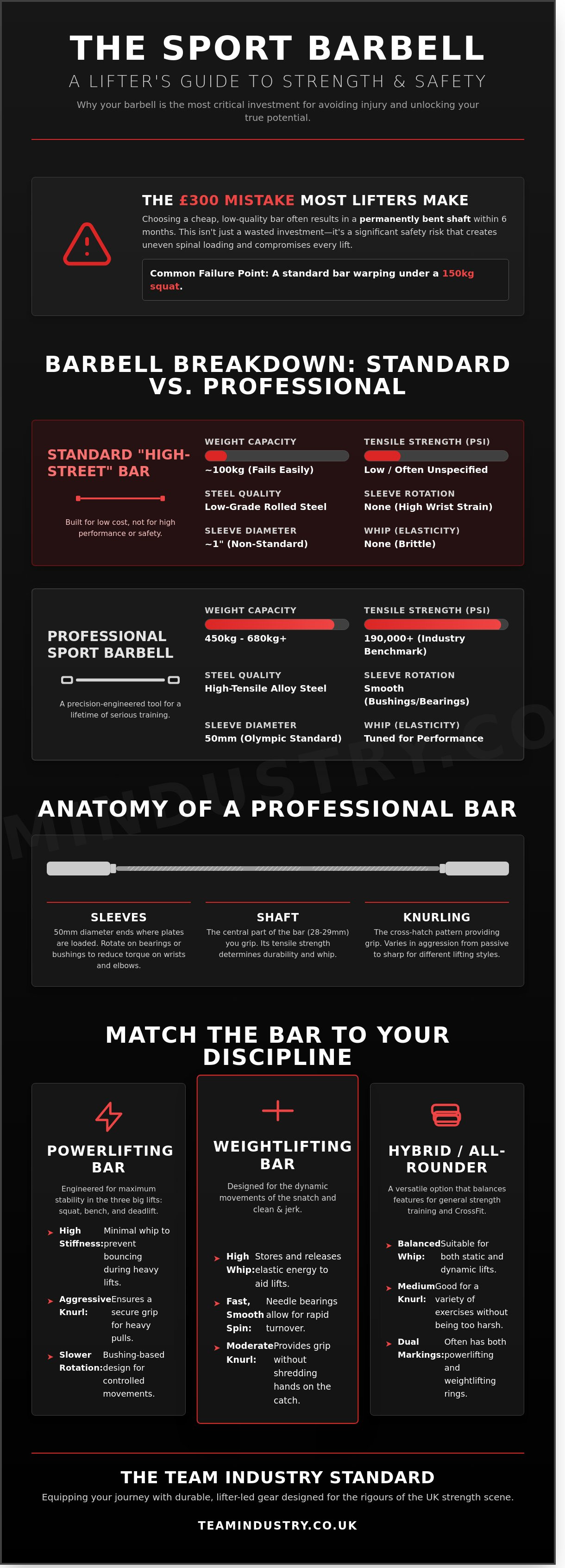
A sport barbell is a precision-engineered tool designed to handle specific load capacities and dynamic movements. Unlike the basic equipment found in high-street retailers, a professional bar is manufactured to withstand forces exceeding 500kg without losing its structural integrity. When you're executing a heavy lift, the bar serves as the primary interface between your strength and the weight. It must be reliable. High-quality bars utilise high-tensile steel, often rated at 190,000 PSI or higher, to ensure they return to a straight position after every lift.
Contrast this with the "standard" 1-inch bars sold by budget outlets. These bars are typically made from low-grade cold-rolled steel and lack the internal components necessary for safe, heavy training. Choosing a professional sport barbell ensures that the centre of gravity remains consistent. This stability is vital for maintaining balance during complex movements. Modern lifting also relies on smooth sleeve rotation. Without fluid movement in the sleeves, the rotational force of the plates transfers directly to your wrists and elbows, which significantly increases the risk of acute injury.
The Difference Between Standard and Olympic Bars
The most visible difference is the sleeve diameter. Olympic sport barbells feature a 50mm sleeve, which is the universal standard for competition-grade plates. This design allows for more robust bearings and bushings inside the sleeve. For men, the 20kg bar is the gold standard, usually measuring 2.2 metres in length with a 28mm or 28.5mm shaft diameter. These barbell specifications ensure consistency across all training environments.
- Weight Capacity: Professional bars often support 450kg to 680kg, while standard bars may fail at just 100kg.
- Whip: This refers to the bar's ability to store elastic energy. Olympic bars have more "whip" to assist in the clean and jerk, whereas powerlifting bars are stiffer for squats.
- Knurling: Professional bars feature precisely cut cross-hatch patterns for a secure grip without being overly abrasive.
Why Investment in a Quality Bar is a Safety Priority
Safety in the gym is about more than just technique; it's about equipment reliability. Low-quality steel is prone to "permanent set", which is a polite term for a bar that stays bent after a heavy set. A bent bar creates uneven loading, putting unnecessary shear force on your spine. By investing in a bar that meets rigorous industrial standards, you protect your joints during explosive movements. The smooth rotation of a quality sleeve allows the plates to spin freely, preventing the weight from "cranking" your wrists during a catch.
There is also a significant psychological benefit to using trusted equipment. When you're under the rack for a heavy bench press, you shouldn't have to worry about the bar snapping or the sleeves sliding. At Team Industry, we believe that providing a stable foundation is the first step toward operational excellence in your training. Using gear that matches your ambition allows you to focus entirely on the lift, knowing your equipment is a reliable safe pair of hands.
Technical Specifications: Understanding Barbell Anatomy
A quality sport barbell is a precision engineered tool, not just a solid piece of steel. To choose the right foundation for your training, you must understand the four primary components: the shaft, the sleeves, the collars, and the internal rotation system. The shaft is the central portion you grip, while the sleeves are the ends where weight plates are loaded. These sleeves are secured by collars and rely on either bushings or bearings to rotate. While the basic design hasn't changed drastically since the history of the barbell began, modern manufacturing has refined these elements to handle massive loads with clinical safety.
Knurling is the etched pattern on the shaft that provides the friction necessary for a secure grip. For heavy deadlifts, a more aggressive, "sharp" knurl is preferred to prevent the bar from slipping. For general training, a moderate knurl offers enough grip without tearing the skin during high-repetition sets. A well-designed sport barbell balances these technical specs to match your specific discipline.
Tensile Strength and Yield Strength Explained
Tensile strength is measured in Pounds per Square Inch (PSI). It represents the exact point where the steel will snap under tension. For any serious lifter, 190,000 PSI is the professional benchmark. Bars below this threshold often lack the resilience needed for long-term heavy use in a commercial or home gym. Yield strength is equally vital; it identifies the weight at which the bar will permanently bend. A high-quality bar will flex and return to straight, but a low-yield bar stays warped after a heavy set. We recommend a minimum of 190k PSI to ensure your equipment remains a lifetime investment. If you're looking for gear that meets these rigorous standards, explore our all industry strength gear collection for dependable options.
Bushings vs. Bearings: The Science of Spin
The rotation of the sleeves is what protects your joints during a lift. Olympic lifters require needle bearings. These small, cylindrical rollers provide a high-speed, frictionless spin that allows the sport barbell to turn instantly during a snatch or clean. This prevents the momentum of the plates from wrenching the lifter's wrists. Conversely, powerlifters generally prefer bronze bushings. These offer a slower, more controlled rotation that provides stability during heavy squats and bench presses. Using a high-spin bearing bar for a heavy press can feel unstable, while a stiff bushing bar can lead to wrist strain during rapid transitions. Choosing the right internal mechanism is a matter of safety as much as performance.
Choosing Your Bar Based on Your Lifting Discipline
Selecting the right sport barbell depends entirely on your specific training goals. A bar designed for a slow, heavy squat will perform poorly during a high-speed snatch. Most athletes choose between three primary categories: Power Bars, Weightlifting Bars, and Hybrid Bars. The latter, often referred to as a "Bastard Bar", attempts to bridge the gap by offering a 28.5mm shaft and moderate knurling. It's a versatile choice for those who move between different lifting styles in a single session.
At Team Industry, we view your equipment as the foundation of your operational excellence in the gym. Choosing a bar is about finding a reliable safe pair of hands for your training programme. Strongman athletes require even more specialised kit. Axle bars, which measure 50mm in diameter, remove the mechanical advantage of a standard grip. In the UK circuit, 10-inch or 12-inch logs are standard for overhead pressing. These tools require specific support, and many athletes utilise joint support to manage the eccentric load on the elbows and knees during these awkward lifts.
The presence or absence of a centre knurl is a deliberate design choice based on the mechanics of the lift. For a 250kg squat, that central patch of knurling provides essential friction against the upper traps. Without it, the bar can slide, leading to a loss of balance. Conversely, a weightlifter performing a heavy clean will avoid a centre knurl. The bar travels close to the body and rests on the clavicles; aggressive knurling in the centre would cause painful abrasions during the catch.
The Powerlifting Bar: Stiff and Aggressive
Powerlifting bars prioritise rigidity. They typically feature a 29mm diameter shaft to ensure the bar remains stiff under loads exceeding 300kg. A 29mm power bar often boasts a tensile strength of at least 190,000 PSI to prevent permanent deformation. This lack of "whip" is vital for a stable bench press and squat. The knurling is deep and aggressive to ensure the bar stays glued to your back. Many lifters find that weight lifting belts are a vital addition for these heavy sets, providing the necessary intra-abdominal pressure to match the bar's stiffness.
The Olympic Weightlifting Bar: Flexible and Fast
Olympic bars are engineered for speed and elasticity. A 28mm diameter allows the shaft to flex, which lifters use to their advantage when timing the whip out of the bottom of a clean. These bars use high-quality needle bearings in the sleeves to allow for frictionless rotation. This protects the lifter's wrists during the rapid turnover of a 140kg snatch. You won't find a centre knurl on a dedicated weightlifting bar, as this prevents skin damage during high-repetition movements. For those training these explosive lifts, a quality sport barbell is the most important investment in your kit bag.
Maintenance and Gear: Maximising Your Bar Interaction
Investing in a high-quality sport barbell requires a commitment to its upkeep. Regular maintenance ensures the knurling remains sharp and the steel stays free from the corrosive effects of oxidation. Sweat and skin cells trapped in the knurling can lead to surface rust within weeks if left uncleaned. Liquid chalk is a popular choice for grip, but it interacts differently with various finishes. On Chrome bars, it provides a necessary friction layer, while on Zinc or Cerakote finishes, it can fill the pores and require more frequent brushing to maintain the "bite" of the bar.
Barbell Maintenance 101
Keep your sport barbell in top condition with a simple three-step process. First, use a stiff nylon brush to remove chalk and debris. Second, apply a light coat of 3-in-1 oil or mineral oil to the shaft. Avoid using WD-40; it acts as a solvent and can strip away essential lubricants from the internal bearings. Finally, wipe the bar down with a clean microfibre cloth. If you spot early signs of oxidation, address them immediately with a brass brush and extra oil to prevent deep pitting.
Storage also plays a critical role in longevity. While vertical racks save space, storing a bar horizontally on a padded rack is often better for the sleeves. Constant vertical storage can cause internal lubricants to migrate toward one end, potentially drying out the bearings or bushings over time. Maintaining a consistent temperature and low humidity in your training space further protects the steel from British dampness.
Essential Accessories for the Heavy Lifter
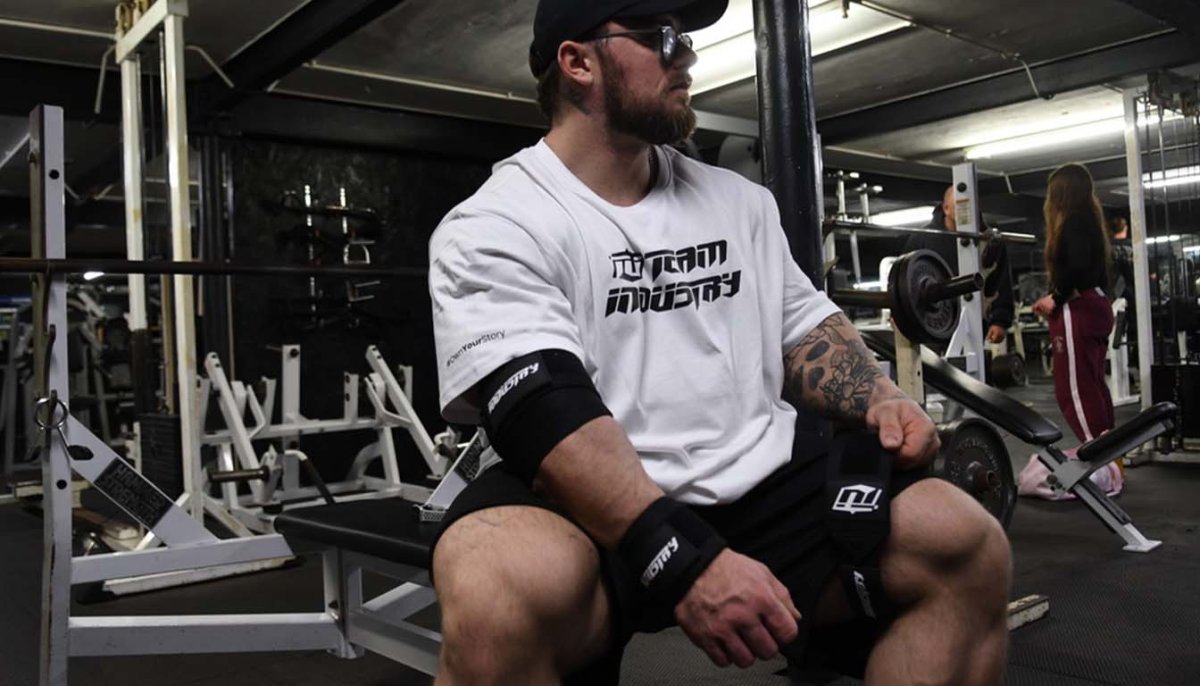
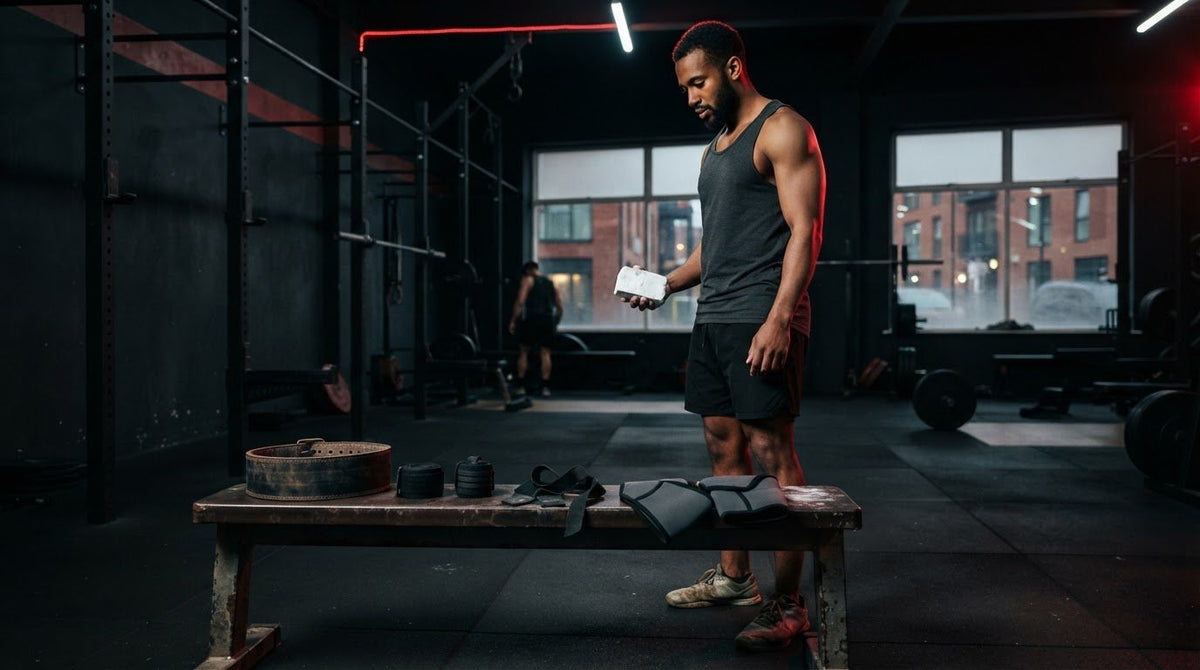
The right gear protects both the athlete and the equipment. Using lifting straps during high-volume pulling sessions reduces the direct friction on your palms and prevents the knurling from becoming clogged with skin. For heavy pressing, wrist wraps provide the necessary joint stability to handle a stiff bar without compromising form. This mechanical support allows you to focus entirely on the lift rather than joint discomfort.
Stability is the foundation of every heavy rep. A weight lifting belt creates the intra-abdominal pressure needed to keep the spine neutral, which helps you maintain a consistent bar path. Don't forget the small details like high-quality collars. Even a 5mm shift in plate position can create an asymmetrical load that strains your shoulders. Stay focused and hydrated with a Team Industry Shaker Bottle to ensure your performance doesn't dip during long sessions.
Ready to upgrade your training setup? Explore our full range of professional strength gear to support your journey.
The Team Industry Standard: Equipping Your Strength Journey
A high-quality sport barbell serves as the centrepiece of any serious training programme. It's the primary point of contact between you and your goals. However, a professional bar requires professional-grade support gear to truly excel. At Team Industry, we operate with a clear philosophy: our gear is built by lifters, for lifters. We understand the grit required to hit a new personal best, and we know that your equipment must be as resilient as your mindset. You shouldn't have to worry about your kit failing when you're under a heavy load.
Think of your equipment as a long-term investment in your health rather than a simple purchase. High-standard gear protects your joints and improves your lifting mechanics, which keeps you in the gym longer. Reliable equipment reduces the risk of setbacks caused by mechanical failure or poor support. We focus on providing a safe pair of hands for your strength journey, ensuring every lift is backed by dependable engineering. You can explore our full range of strength gear to find the tools that match your dedication.
Why Our Support Gear Complements Your Bar
Our heavy-duty sleeves and wraps are designed specifically for the high-intensity environment of pro-barbell training. We've seen how standard gym accessories often fray or lose elasticity under the pressure of a 190,000 PSI sport barbell. That's why we use competition-spec materials for our daily training gear. Using this level of quality during your regular sessions builds a sense of familiarity and confidence that carries over to the platform. We invite you to join the Team and share your progress with our community of athletes who value operational excellence and hard work.
Final Checklist Before You Buy
Selecting the right equipment requires a pragmatic approach. Don't settle for "good enough" when your safety and performance are on the line. Use this checklist to verify your gear meets the industry standard:
- Check the PSI rating: Ensure the shaft is rated at 190,000 PSI or higher. This provides the necessary tensile strength to prevent permanent bending under heavy loads.
- Confirm the warranty and rotation: Verify the manufacturer stands behind their product. Check if the bar uses needle bearings for smooth rotation in Olympic lifts or bushings for the stability required in powerlifting.
- Secure your joints: Heavy lifting puts immense pressure on your connective tissues. Ensure you have the joint support needed for heavy loads to maintain proper alignment and stability.
- Match the knurling: Ensure the knurling pattern suits your specific discipline, whether it's aggressive for powerlifting or more passive for high-repetition functional fitness.
Invest in Your Strength Foundation
Selecting a high-calibre sport barbell is the most significant investment you'll make for your training facility. You now understand how technical specifications like knurling depth and sleeve rotation directly affect your performance across different disciplines. Choosing a bar that matches your specific lifting style ensures better safety and more efficient progress over years of heavy sessions. Quality gear isn't just about the initial lift; it's about the long-term reliability required for consistent gains.
Team Industry provides equipment that meets the rigorous demands of the UK's elite lifting community. Our gear is currently trusted by UK Strongman and Powerlifting athletes who require professional-grade durability for lifetime use. We focus on providing pragmatic solutions for serious lifters who value high standards and operational excellence in their equipment. If you're ready to improve your setup, we provide next-day shipping on all essential accessories to keep your training on track.
Upgrade your training with professional Team Industry Strength Gear
Take the next step in your strength journey with confidence and the right tools for the job.
Frequently Asked Questions
What is the standard weight of a sport barbell?
A standard men's sport barbell weighs exactly 20kg, while a women's version weighs 15kg and features a 25mm shaft diameter. These specifications ensure compliance with international weightlifting standards used across the UK. Choosing the correct weight is the first step in building a reliable training environment. At Team Industry, we recommend starting with these standard specifications to ensure your progress remains measurable and consistent throughout your strength journey.
What is barbell knurling and why does it matter?
Knurling is the cross-hatched pattern etched into the shaft of a sport barbell to provide essential friction for your grip. A deep, aggressive knurling is vital for heavy deadlifts where grip failure is a risk, whereas a passive, softer pattern is more comfortable for high-repetition functional fitness training. If you're handling heavy loads daily, a balanced knurl helps maintain safety and control. Our team prioritises gear that balances comfort with a secure, dependable hold.
Can I use an Olympic bar for powerlifting?
You can use an Olympic bar for powerlifting, but the 28mm diameter and increased whip or flexibility can make heavy squats feel less stable. Dedicated power bars are usually 29mm thick and stiffer to reduce oscillation under load. For those focused on the big three lifts, transitioning to a stiffer bar provides the dependable foundation required for hitting new personal bests. It's a pragmatic choice that mirrors the precision needed in professional industrial operations.
How much weight can a sport barbell hold?
A high-quality bar with a 190,000 PSI tensile strength rating can typically handle loads between 450kg and 680kg without permanent bending. Always check the manufacturer's specific rating, as lower-tier bars may fail at much lower thresholds. Our Team Industry specialists advise selecting equipment that exceeds your current lifting capacity by at least 25% to ensure long-term durability. Investing in high-capacity steel ensures your setup remains a safe pair of hands for years.
What is the difference between a chrome and a stainless steel finish?
Stainless steel offers the best rust resistance and provides a raw, secure feel for your grip, whereas chrome is a protective coating that may chip over time. While chrome is often more budget-friendly, stainless steel bars require less maintenance in humid UK garage gyms. Selecting a stainless steel finish is a pragmatic choice for those who value a dependable, long-lasting piece of equipment. It's a bespoke solution for lifters who demand excellence from their foundation.
How often should I clean my barbell?
You should brush out chalk and skin cells once every seven days and apply a light coat of 3-in-1 oil once a month to prevent oxidation. This simple maintenance routine protects the steel from the damp British climate and ensures the knurling remains effective. Maintaining your gear is a core part of operational excellence, ensuring your equipment is always ready for the next session. Consistency in care reflects the reliable standards we uphold at Team Industry.
Share:
Weight Lifting Straps: The Ultimate Professional Guide for Strength Athletes
Mastering the Dumbbell: The Complete Guide to Versatile Strength Training in 2026