
Could a single millimetre of leather be the difference between a successful lockout and a failed attempt? Most lifters believe that thicker is always better, but the reality of professional bracing is often more nuanced. You already know that creating maximum intra-abdominal pressure is the foundation of any heavy squat or pull. However, many athletes searching for powerlifting lever belts find themselves sidelined by the 21-day break-in period or the frustration of ordering a size that doesn't account for seasonal bodyweight fluctuations.
At Team Industry UK, we believe your gear should be as dependable as your training partner. This guide will teach you how to master the technical nuances of lever belts so you can select the perfect 10mm or 13mm support for your specific lifting style. You'll learn how to ensure 100% IPF compliance and gain the confidence to brace against a belt that's built to last a lifetime. We'll break down the sizing metrics and leather grades to ensure your next session is focused on the weight, not the equipment discomfort.
Key Takeaways
- Understand the mechanics of intra-abdominal pressure and how a professional flip-lock mechanism provides the rigid wall needed for heavy bracing.
- Identify whether a versatile 10mm or a high-rigidity 13mm belt is the right choice for your specific training goals and strength level.
- Learn the precise measurement technique to ensure your belt fits perfectly while braced, avoiding common sizing errors that hinder performance.
- Discover the essential breaking-in process for high-grade leather to eliminate bruising without compromising the structural support of your gear.
- Find out why Team Industry UK is the trusted source for Powerlifting Lever Belts in Surrey, relied upon by athletes for local federation compliance and elite durability.
Table of Contents
- The Mechanics of Powerlifting Lever Belts and Bracing
- 10mm vs. 13mm Lever Belts: Choosing Your Thickness
- How to Measure and Size Your Powerlifting Belt
- Breaking In and Maintaining Professional Strength Gear
- Why Team Industry is the Choice for UK Strength Athletes
The Mechanics of Powerlifting Lever Belts and Bracing
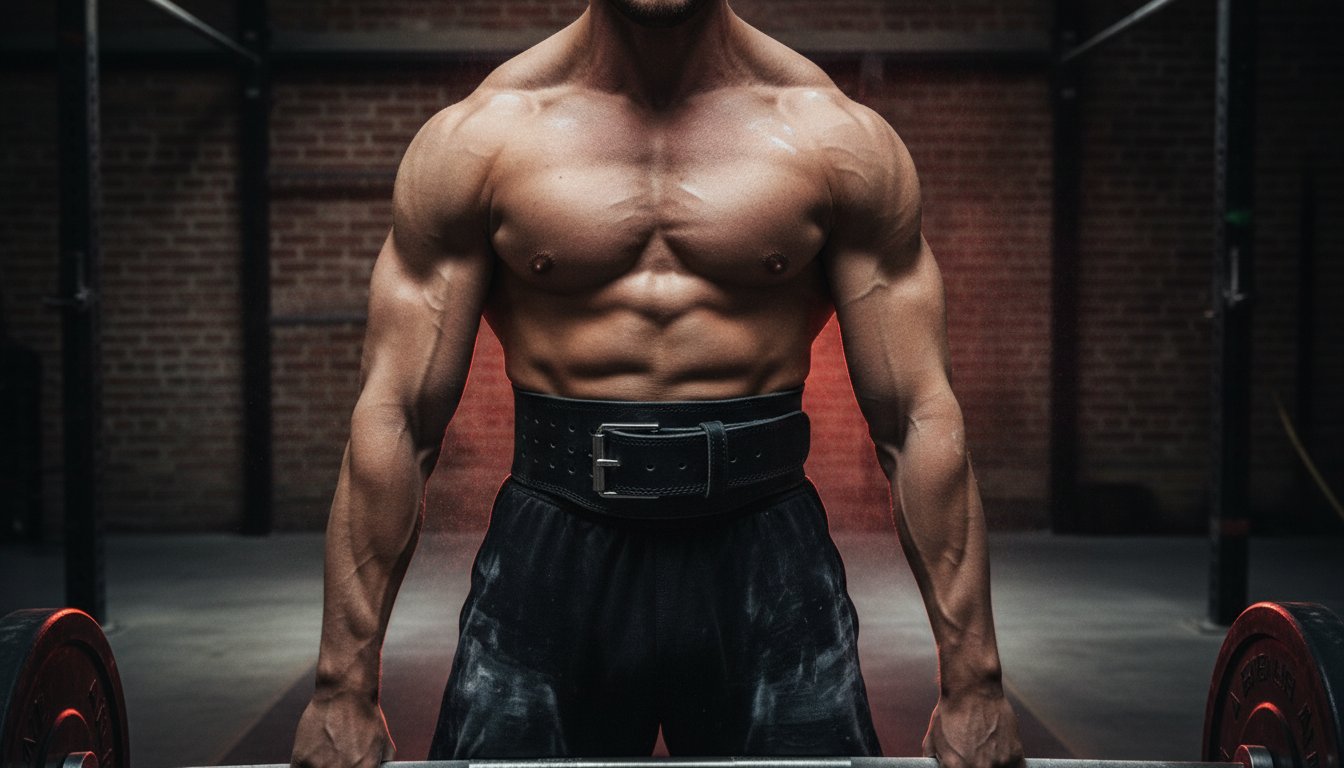
A lever belt is a professional-grade strength tool designed for maximum stability during heavy compound lifts. It uses a robust flip-lock mechanism that provides a level of tension standard belts can't match. When sourcing powerlifting lever belts surrey athletes trust, the focus is always on the quality of the lever and the rigidity of the material. This isn't just about aesthetics; it's about creating a solid foundation for your spine. Team Industry UK views equipment as a partnership between the athlete and their gear. We don't just sell belts; we provide the reliability required for your heaviest PR attempts.
The core of the belt's utility lies in intra-abdominal pressure (IAP). By breathing deep into your diaphragm and pushing your abdominals outward, you create a pressurised cylinder. The belt acts as a rigid external wall that your muscles can push against. For a deeper dive into the physics, The Mechanics of a Weightlifting Belt explains how this internal pressure reduces spinal loading by up to 25 percent. Team Industry UK uses high-calibre, 13mm leather to ensure this structural integrity remains intact under loads exceeding 250kg, preventing the belt from stretching or folding under duress.
Lever vs. Prong: Which is Best for Your Training?
Consistency is the main reason pros choose levers. You set the buckle plate once, and it delivers the exact same tightness every session. There's no guessing which hole to use or struggling with a prong while your heart rate is at 160 bpm. Between heavy sets of squats and accessory work, the quick-release benefit allows for instant relief without removing the belt entirely. However, if your weight fluctuates by 3kg or more within a short period, you'll need a screwdriver to recalibrate the fit. For most dedicated lifters, this minor maintenance is a fair price for total reliability.
The Importance of IPF Compliance
Competitive powerlifting is governed by strict rules regarding equipment dimensions. To be legal on the platform, a belt must not exceed 10cm in width or 13mm in thickness. Investing in a compliant belt from our strength gear collection today ensures you won't have to buy a second belt when you enter your first local meet. Many lifters find that 13mm belts provide significantly more support than the 10mm versions often found in commercial gyms. IPF compliance represents the gold standard for strength gear safety, ensuring every lift is performed within regulated equipment parameters.
10mm vs. 13mm Lever Belts: Choosing Your Thickness
Selecting the right thickness is a practical decision based on your anatomy and lifting style. While both options provide significant support, the 3mm difference changes how the belt interacts with your ribcage and hips during a heavy set. Many lifters searching for powerlifting lever belts surrey often struggle to decide between these two industry standards. It's a choice that impacts your bracing efficiency and your ability to reach the proper depth in a squat.
When to Choose a 10mm Lever Belt
A 10mm belt is the versatile choice for most bodybuilders and intermediate lifters. It offers enough rigidity to handle a 200kg squat while remaining flexible enough to break in within two or three sessions. This thickness is ideal for movements requiring significant torso flexion. Conventional deadlifters often prefer 10mm because it doesn't dig into the hips as aggressively when pulling the slack out of the bar. If you prioritise a balance of comfort and support, you can find various configurations in our all Industry strength gear range. It's a dependable tool for those who want a belt that moves with them rather than against them.
The Case for the 13mm Lever Belt
The 13mm powerhouse is designed for elite powerlifters and strongmen who require maximum rigidity. This is the maximum thickness allowed under IPF technical rules. It provides a massive bracing surface for squat-heavy specialists. There is a psychological benefit to the "concrete wall" feel when you're handling maximal loads; the belt simply does not budge. When you're attempting a personal best in a competitive environment, that extra 3mm ensures your midsection remains completely stable. You can compare our professional-grade weight lifting belts to see which level of bracing suits your current strength levels.
Thickness also impacts your mobility during the set-up. A 13mm belt can feel restrictive when you're trying to get your hips low for a deadlift. If you have a shorter torso, a 13mm belt might bridge the gap between your ribs and pelvis, which can make it difficult to breathe deeply into your diaphragm. Lifters in the 66kg or 74kg weight classes often find 10mm belts more effective for maintaining a neutral spine. Conversely, heavier lifters in the 105kg+ categories usually have the body mass to fill out a 13mm belt comfortably. When you're ready to upgrade your kit, consider how your body mass influences your choice of powerlifting lever belts surrey to ensure you get the best fit for your frame.

How to Measure and Size Your Powerlifting Belt
Finding the correct fit for powerlifting lever belts surrey athletes is the difference between a new personal best and a wasted session. A belt that is too loose fails to provide the necessary intra-abdominal pressure, while one that is too tight restricts your ability to take a full diaphragmatic breath. Follow this four-step process to ensure your gear performs as intended.
- Step 1: Use a soft tape measure. Do not rely on your trouser waist size. Clothing brands often use vanity sizing, which can be 2 to 4 inches off your actual anatomical measurement. Wrap the tape around your midsection, directly over your belly button.
- Step 2: Measure while braced. Do not suck your stomach in to look thinner. Instead, take a breath and tense your abs as if you are about to receive a heavy squat. This simulates real lifting conditions.
- Step 3: Review the Team Industry sizing chart. Your goal is to fall into the middle of a specific size range. If a size Medium covers 75cm to 95cm and you measure 85cm, that is your ideal fit.
- Step 4: Plan for bodyweight fluctuations. A typical 105kg lifter can see their waist circumference change by 3cm to 5cm between a winter bulk and a summer cut. Ensure your chosen size has at least two holes of adjustability in either direction.
The Tummy Button Rule
Beginners often make the mistake of measuring the narrowest part of their waist. This is usually several inches above where the belt actually sits during a heavy pull. For maximum stability, the belt must cover the abdominal wall. Most lifters find the best leverage when the belt is centered over the navel. However, if you have a shorter torso, you might position the belt slightly higher to prevent the leather from pinching your hips at the bottom of a squat. If your measurement sits on the borderline between two sizes, always opt for the larger size. It is far easier to tighten a lever than to find extra room when you are at the end of the belt's range.
Adjusting the Lever Plate
One of the primary benefits of powerlifting lever belts surrey lifters appreciate is the ability to create a bespoke fit. Use a Phillips head screwdriver to move the steel backing plate to your desired position. This micro-adjustment ensures the belt is tight enough to support your spine but loose enough to allow for a full brace. We recommend checking the tightness of your lever screws every 30 days. The vibrations from dropping heavy weights can cause hardware to migrate over time. For replacement screws or maintenance kits, you can browse our accessories to keep your equipment in competition-ready condition.
Breaking In and Maintaining Professional Strength Gear
Investing in high-quality powerlifting lever belts surrey athletes rely on means accepting a brief period of physical adjustment. A new 13mm leather belt is a serious piece of industrial-grade equipment, not a soft accessory. You will likely experience "belt bite" or minor bruising around the hips and lower ribs during your first five sessions. This occurs because the dense hide hasn't yet conformed to your specific anatomy. It's a necessary phase for achieving the rock-solid stability required for heavy triples and maximal loads.
Maintenance is about preventing the steady degradation of organic materials. Sweat is a primary enemy. The salt content in perspiration can stiffen leather and corrode metal components over time. Wipe the inside of the belt with a clean, damp cloth after every training session to remove residue. Never leave your gear at the bottom of a damp gym bag overnight. This environment encourages mould growth and weakens the leather fibers, which can compromise safety during a maximum effort lift.
Conditioning Your Leather Belt
Professional belts require occasional hydration to prevent the leather from cracking under stress. Use natural oils or dedicated leather conditioners twice a year to maintain the material's health. To accelerate the break-in period, manually "roll" the belt in both directions. Spend 15 minutes working the leather with your hands to soften the edges while keeping the core support intact. A well-maintained belt should last a lifter’s entire career, providing a consistent and dependable platform for every personal best.
Lever Care and Compliance
The lever mechanism is the most critical mechanical point on your belt. Inspect the hinge pins and screws every 30 days for signs of debris or metal fatigue. If the lever feels "sticky" or fails to snap shut with a distinct, audible click, check for grit in the housing or slightly tighten the mounting screws. Keeping your equipment in top condition ensures it remains compliant with strongman training gear UK standards used in regional competitions. If you notice any hairline cracks in the cast metal, replace the lever immediately to avoid a dangerous failure under load.
Ready to upgrade your support with gear built for the long haul? Explore our range of professional powerlifting lever belts designed for maximum durability.
Why Team Industry is the Choice for UK Strength Athletes
Team Industry operates on a simple principle: gear must withstand the reality of a cold, damp UK warehouse gym. We don't rely on flashy marketing or influencers who've never hit a heavy triple. Our equipment is designed by lifters who understand the specific demands of the British powerlifting circuit. From supporting local meets to sponsoring national federations, we've remained a constant presence in the community. This involvement ensures our products evolve alongside the needs of the athletes who use them.
Based in Wormley, our team provides technical expertise that goes beyond a standard retail experience. If you are searching for powerlifting lever belts surrey lifters can trust, visiting our walk-in shop allows you to test the lever action and leather stiffness before committing your money. This hands-on approach removes the risk of ordering the wrong size or thickness. We offer practical advice based on years of competitive experience, helping you choose gear that fits your specific body type and lifting style.
- Gear designed and tested by active UK powerlifters.
- Direct support for British lifting federations and local events.
- Technical advice from a team with deep roots in the industrial gym scene.
- A physical Surrey location to ensure perfect sizing and fit.
Built for the Grit of the Industrial Gym
We prioritize durability because we know how equipment is treated in high-volume strength facilities. Our belts are constructed to survive years of abuse; they are built for performance rather than aesthetics. For a complete setup, many of our athletes pair their belts with heavy duty knee sleeves to ensure maximum joint stability during max-effort attempts. The "Team" name reflects our 24/7 support structure. We are available to assist with sizing or technical queries at any time, providing a reliable safety net for our community.
Your Next Step to a New PB
Investing in a professional lever belt is a strategic decision for your 2026 training goals. It provides the intra-abdominal pressure needed to move heavier loads safely and consistently. We invite you to visit our Surrey shop for a bespoke fitting session. Testing the belt in person allows you to feel the difference between 10mm and 13mm options without the guesswork of online charts. Take the next step in your lifting journey and browse our full range of weight lifting belts to find the right fit for your next personal best.
Secure Your Strength for 2026 and Beyond
Selecting the right gear is a fundamental step in your lifting career. Whether you choose a 10mm belt for versatility or a 13mm option for maximum support, your focus should remain on consistent bracing technique. Proper sizing ensures the lever mechanism functions correctly, providing the stability needed for heavy squats and deadlifts. For athletes seeking powerlifting lever belts surrey based, local expertise and high-standard equipment are vital for safe progression. We've designed our gear to meet the specific demands of the UK's most dedicated lifters.
Our belts are built from lifetime-calibre genuine leather and adhere strictly to IPF-specification dimensions. This ensures you're competition-ready from day one. We've earned the trust of the UK strength community by delivering gear that withstands the grit of daily training sessions. Maintenance is simple; keep the leather clean and check the lever screws regularly to maintain operational excellence. It's a practical investment in your safety and performance that pays off with every session.
Upgrade your bracing power with Team Industry Lever Belts today and join a community dedicated to professional standards. We're here to support your journey to the platform.
Frequently Asked Questions
Is a 13mm lever belt too thick for a beginner?
A 13mm belt is often too rigid for someone just starting their lifting journey. Most beginners find that a 10mm belt provides the necessary support while remaining flexible enough to allow for proper bracing technique. Data from British Powerlifting shows that 13mm belts can take 50 percent longer to break in compared to 10mm alternatives. At Team Industry, we recommend the 10mm leather option for those in their first 12 months of training to ensure comfort and consistent progress.
How tight should my lever belt be for squats vs. deadlifts?
Your belt should be tighter for squats than for deadlifts to provide maximum intra-abdominal pressure. For the squat, you want a fit that barely allows a flat hand between your stomach and the leather. When deadlifting, many lifters move the lever plate one hole looser, roughly 1.5cm, to allow for a deeper start position without the belt catching on the ribs. You can use a standard screwdriver to adjust your Team Industry lever between sets if your program requires high-precision bracing for both movements.
Can I use a powerlifting lever belt for general gym training?
You can use a lever belt for general training, but it's specifically designed for heavy compound movements like the big three. If you are searching for the high-quality powerlifting lever belts surrey athletes trust, you'll find they are most effective for sets exceeding 80 percent of your one-rep max. Using a heavy-duty belt for bicep curls or tricep extensions is unnecessary. We suggest reserving your Team Industry gear for squats, deadlifts, and overhead presses to maintain the belt's shape and your own mobility during accessory work.
How do I stop my lever belt from pinching my skin?
The best way to prevent skin pinching is to wear a thick cotton t-shirt or a lifting singlet to create a protective barrier. Ensure the belt is positioned at the narrowest part of your torso, typically just above the hip bone, to avoid "hip bite" during the bottom of a squat. Team Industry belts feature rounded, burnished edges to reduce friction. If pinching persists, try shifting the belt 2cm higher on your waist to find a more comfortable bracing point that doesn't trap the skin against your pelvis.
Are Team Industry lever belts IPF approved for competition?
Our belts are designed to meet the strict technical specifications outlined in the IPF Technical Rule Book 2024. This includes a maximum width of 10cm and a thickness not exceeding 13mm. While specific brand lists can update annually, our dimensions stay compliant with both British Powerlifting and international standards. Always check your specific federation's approved list 30 days before a meet. We build our gear to ensure you can transition from the gym floor to the platform without any equipment compliance issues.
How long does it take to break in a 10mm leather lever belt?
A high-quality 10mm leather belt typically requires 4 to 6 weeks of regular use to fully mould to your body shape. You can accelerate this process by manually rolling the leather in both directions for 10 minutes before your training sessions. Avoid using oils or water to soften the leather as this can compromise the structural integrity of the hide. Team Industry uses premium vegetable-tanned leather that maintains its stiffness for support while gradually becoming more supple through consistent lifting.
What happens if my weight changes and the belt no longer fits?
If your body weight fluctuates, you can easily adjust the fit by unscrewing the two metal bolts on the back of the lever. Most professional belts provide a range of 5 to 7 inches of adjustment through pre-drilled holes in the leather. This allows you to tighten the belt during a weight cut or loosen it during a bulking phase. Team Industry provides heavy-duty steel backplates that are designed for frequent adjustments, ensuring the hardware won't strip or fail after multiple changes to your lifting weight.
Should I choose a lever belt or a prong belt for strongman training?
Prong belts are generally better for strongman because they allow for instant tightness adjustments between different events. In a typical competition with 5 or 6 events, you might need a loose fit for the loading race but a very tight fit for the axle press. Lever belts offer a more secure, "locked-in" feel that many powerlifters prefer for static lifts. If your training is strictly focused on the squat and deadlift, the Team Industry lever system provides a level of reliability and tension that a single-prong belt cannot match.
Share:
Strongman Training Gear UK: The Essential Guide for Aspiring Strength Athletes
Mastering Your Pull: The Ultimate Guide to Lifting Straps for Strength Athletes