

Your gym's most expensive resistance machines are often less effective for building functional power than a simple pair of dumbbells. While specialised equipment has its place, 74% of professional trainers surveyed in 2024 agree that free weights provide superior muscle activation for long-term stability. You likely know the frustration of your grip failing before your target muscle does, or the nagging worry that a slight technical error might lead to a preventable injury. It's a common hurdle that stops dedicated lifters from reaching their performance targets.
At Team Industry, we believe in a grounded, no-nonsense approach to physical excellence, much like the operational standards we have maintained across the UK since 2012. This guide provides the practical steps you need to master foundational movements in 2026 and select the right equipment for your specific goals. Learn how to progress your weights safely while maintaining strict technical compliance to avoid setbacks. We'll break down the choice between fixed and adjustable weights and provide clear strategies to ensure your strength gains never stall.
Key Takeaways
- Learn how to maximise your range of motion and address muscle imbalances through professional unilateral training techniques.
- Identify the most suitable dumbbells for your training environment by comparing the long-term durability of cast iron with the protection of rubber-coated finishes.
- Master essential push, pull, and leg movements with a focus on the mind-muscle connection to ensure every rep delivers maximum hypertrophy.
- Discover advanced progressive overload strategies that go beyond simply adding weight, including professional methods to overcome grip fatigue.
- Optimise your training performance by pairing high-quality equipment with Team Industry apparel designed for unrestricted movement and durability.
The Fundamentals of Dumbbell Training for Strength and Hypertrophy
Dumbbells are the bedrock of any serious lifting programme; they function as free weights designed for both unilateral and bilateral resistance training. Unlike fixed machines or even some barbell movements, these tools require the lifter to control the weight across multiple planes of motion. This demand for total control is central to The Fundamentals of Dumbbell Training for Strength and Hypertrophy, as it forces the body to recruit smaller stabilising muscles that often remain inactive during more restricted exercises. By 2026, the shift towards functional longevity has made this equipment more relevant than ever for those seeking balanced physical development.
A primary advantage of using these weights is the significantly increased range of motion they offer. During a standard chest press, a barbell stops when it contacts the sternum. In contrast, using independent weights allows you to lower the load past the midline of the torso, creating a deeper stretch in the muscle fibres. Research from 2017 in the Journal of Sports Sciences indicates that training through a full range of motion can lead to a 10 percent increase in muscle thickness compared to partial repetitions. This extra depth is a critical driver for hypertrophy and overall muscle health.
Using these tools also helps in identifying and correcting strength asymmetries. Most lifters possess a dominant side that takes over during heavy compound lifts, often resulting in a power discrepancy of 15 percent or more between limbs. Independent weights force each side to manage its own load, which effectively irons out these imbalances over time. Improving joint stability is a natural byproduct of this process. Before you start loading up heavy, it's vital to grasp the basics outlined in our guide on Mastering the Weights.
Why Unilateral Training Matters for Lifters
Unilateral training is the practice of exercising one limb independently to ensure balanced muscular development. When you train one side at a time, you prevent your dominant arm or leg from overcompensating for a weaker counterpart. This method demands intense core engagement because your midsection must work harder to stabilise the uneven load and prevent the torso from rotating. It's a practical way to build a resilient trunk while ensuring your physique remains symmetrical. Our team at Team Industry views this as a non-negotiable for long-term injury prevention.
Dumbbells vs. Barbells: Which Should You Prioritise?
Barbells are excellent for moving raw weight and hitting personal records in the "Big Three" lifts. However, they lack the precision of dumbbells. Beginners should prioritise independent weights to learn proper movement patterns; they allow for a natural path of motion that accommodates individual limb lengths and joint mechanics. Professional bodybuilders use both to maximise muscle fibre recruitment, but they often rely on the increased isolation provided by independent loads to finish a session. For those building a home setup, we recommend exploring our all-industry strength gear to find the right equipment for your specific goals.
Selecting the Right Dumbbells for Your Training Style
Choosing the correct hardware is a foundational decision for your training programme. Your equipment needs to match your physical space, your budget, and your specific lifting style. Most lifters choose between three primary categories: fixed hex, fixed round, and adjustable systems. At Team Industry, we view your equipment as a long-term partner in your physical development; selecting the right tool ensures your progress remains consistent and safe.
Fixed Hex vs. Fixed Round Dumbbells
Hex dumbbells feature a six-sided design that prevents the weight from rolling across the floor. This stability makes them the superior choice for floor-based movements like Renegade Rows or weighted push-ups. They provide a flat, reliable base that reduces the risk of wrist strain during complex transitions. In contrast, fixed round dumbbells are the standardised choice for commercial bodybuilding gyms. Their balanced shape is often preferred for traditional heavy pressing, as they feel more natural when resting on the thighs between sets.
Durability is a key factor for any UK home gym or commercial facility. Rubber-coated finishes are highly recommended for residential settings because they protect flooring and significantly dampen noise. While traditional cast iron dumbbells offer a rugged, old-school aesthetic, they are prone to chipping and can be loud during high-intensity sessions. For a professional setup, rubber-encased heads provide a layer of protection that extends the lifespan of both the weight and your gym floor.
The Case for Adjustable Dumbbells in a Home Gym
Space is frequently the biggest constraint for lifters in the UK. Adjustable systems solve this by condensing an entire rack of weights into a single pair. Modern dial-based or pin-loaded systems allow you to change increments in seconds, which is perfect for fast-paced circuit training. However, there is often a trade-off in the "feel" of the lift. A solid, fixed dumbbell offers a sense of security and balance that some mechanical adjustable systems cannot fully replicate.
For those who prefer a more tactile experience, plate-loaded handles are a dependable alternative. These allow you to customise your load using standard 1-inch or Olympic plates. This approach is a favourite for strength enthusiasts who value a robust, unbreakable design over the convenience of a quick-change dial.
Selecting a starting weight requires an honest assessment of your current capacity. Most beginners find success with a pair between 5kg and 10kg for upper-body movements. Integrating The Fundamentals of Dumbbell Training for Strength into your routine will help you understand that progressive overload is more important than the initial weight you lift. If you are building a new setup from scratch, consider checking out strength gear bundles for a cost-effective way to secure a versatile range of equipment in one go.
How to Execute Essential Dumbbell Lifts with Perfect Form
Mastering the three pillars of training—Push, Pull, and Legs—requires more than just moving weight from point A to point B. When you train with dumbbells, you're forced to stabilise each limb independently. This lack of a fixed path demands a heightened mind-muscle connection. You must consciously recruit stabiliser muscles that often lie dormant during barbell work. To maximise hypertrophy, you should focus on a controlled eccentric phase. Slowing the lowering portion of any lift to a count of three seconds creates micro-tears in the muscle fibres, which is a primary driver for growth and strength gains in 2026.
The Dumbbell Bench Press and Shoulder Press
Safety starts before the first rep. When preparing for a heavy press, sit on the bench and rest the weights on your upright thighs. Use a controlled "kick" with your knees, one at a time, to drive the weights toward your shoulders as you lie back. This method protects your rotator cuffs from the strain of a "cold" start. Once you're in position, tuck your elbows at a 45-degree angle rather than flaring them out wide. This positioning creates a more stable base and reduces shoulder impingement. Drive your feet firmly into the floor to create full-body tension, which provides the stability needed for a powerful press.
A frequent error is clanging the weights together at the top of the movement. While it might feel satisfying, this "clink" actually removes tension from the target muscles. Stop the weights a few inches apart to maintain constant mechanical tension. For those looking to refine their pressing mechanics further, our Ultimate Bench Press Guide offers a deeper dive into advanced technique.
Mastering the Dumbbell Row and Goblet Squat
For the single-arm row, focus on the path of the weight. Keep your back flat and parallel to the floor, then pull the dumbbell toward your hip rather than your chest. This "arc" motion engages the lats more effectively and prevents the bicep from taking over the lift. Selecting the Right Dumbbells for these movements is essential for correcting the muscle imbalances that often occur with unilateral training.
The Goblet Squat remains the gold standard for teaching proper depth and upright posture. Hold the weight firmly against your sternum with your elbows tucked. The Goblet Squat acts as a counterweight, allowing the lifter to sit deeper into the hips safely. This forward-loaded position naturally encourages a neutral spine. If you're serious about your progress, investing in high-quality all-industry strength gear will ensure your equipment can handle the increased loads as you get stronger. Focus on these cues to build a foundation that is both resilient and powerful.
Progression Strategies and Maximising Grip Performance
Progressive overload with dumbbells isn't just about grabbing a heavier pair every week. While adding weight is the most direct path, you eventually hit a ceiling or run out of equipment. You can drive adaptation by increasing total volume or improving the quality of every rep. This pragmatic approach ensures you continue to see results even when your kit is limited.
A common mistake is focusing solely on the load. To build a robust physique, you must consider variables like time under tension and training density. These factors allow you to challenge the muscle without needing a commercial-grade weight rack. By manipulating how you move the weight, you make light dumbbells feel significantly heavier.
How to Progress When You Run Out of Heavy Weights
If you've reached the maximum weight of your current equipment, you need mechanical strategies to keep growing. Implementing a 3-0-1-0 tempo, which involves three seconds on the lowering phase, increases time under tension. This controlled eccentric phase causes more micro-trauma to the muscle fibres. Paused reps at the bottom of a chest press remove the stretch reflex, forcing the muscle to work harder from a dead stop.
Mechanical advantage dropsets are another effective tool. You might perform dumbbell flyes until technical failure, then immediately switch to dumbbell presses with the same weight. Because the press is a stronger movement, you can extend the set and exhaust the target tissue. Shortening rest periods from 90 seconds to 60 seconds increases training density. This forces your body to recover faster between bouts of effort. Over a 12-week block, this cumulative stress drives significant improvements in work capacity without requiring a single extra kilo on the bar.
The Role of Wrist Support and Grip Aids
The most frequent objection to high-volume training is that the hands give out before the back or legs. This is a physiological bottleneck. Your grip strength shouldn't limit your hypertrophy goals. Using lifting straps allows you to bypass forearm fatigue during heavy rows or deadlifts. This ensures the target muscle reaches true failure. It isn't cheating; it's a pragmatic way to specialise in heavy pulling movements.
For heavy pressing, wrist wraps provide essential external stability. They help keep the joint stacked and reduce the risk of radial nerve pressure. If you're running high-volume blocks, joint support accessories help manage the minor niggles that often arise from repetitive movements. A 2022 study on resistance training accessories showed that proper support can reduce perceived joint strain by 12% during max-effort sets. This stability lets you focus entirely on the contraction rather than joint discomfort.
Building Your Ultimate Strength Setup with Team Industry
Team Industry operates on a simple principle. We provide professional gear for lifters who prioritise results over trends. When you're training with dumbbells, the quality of your equipment dictates the safety and efficiency of your session. We don't believe in cutting corners. Our philosophy is built on the same grit and reliability found in the UK's industrial heartlands. We treat your strength setup as a vital piece of infrastructure that must perform under pressure every single day.
Why Quality Gear Matters for Longevity
High-street weights often suffer from loose tolerances and poor grip textures. Professional-grade equipment ensures that a 20kg weight actually weighs 20kg. Investing in quality means you buy once and train for a lifetime. This commitment to standards is why we sponsor local strength events across the UK, supporting the community that keeps the industry moving. Reliability is our baseline. We don't just sell kit; we provide tools that survive the most demanding training programmes.
Completing the Look: Apparel for Performance
Your clothing shouldn't fight against your movement. When performing heavy rows or overhead presses with dumbbells, restrictive sleeves limit your lats and shoulders. Our oversized tees provide the necessary clearance for a full range of motion without distraction. Explore our Men’s Gym Clothes range to find performance-led designs that handle the sweat of a heavy session. We focus on fabric durability that holds its shape after hundreds of washes.
A complete setup requires more than just weights. To get the most out of your training, consider these additions:
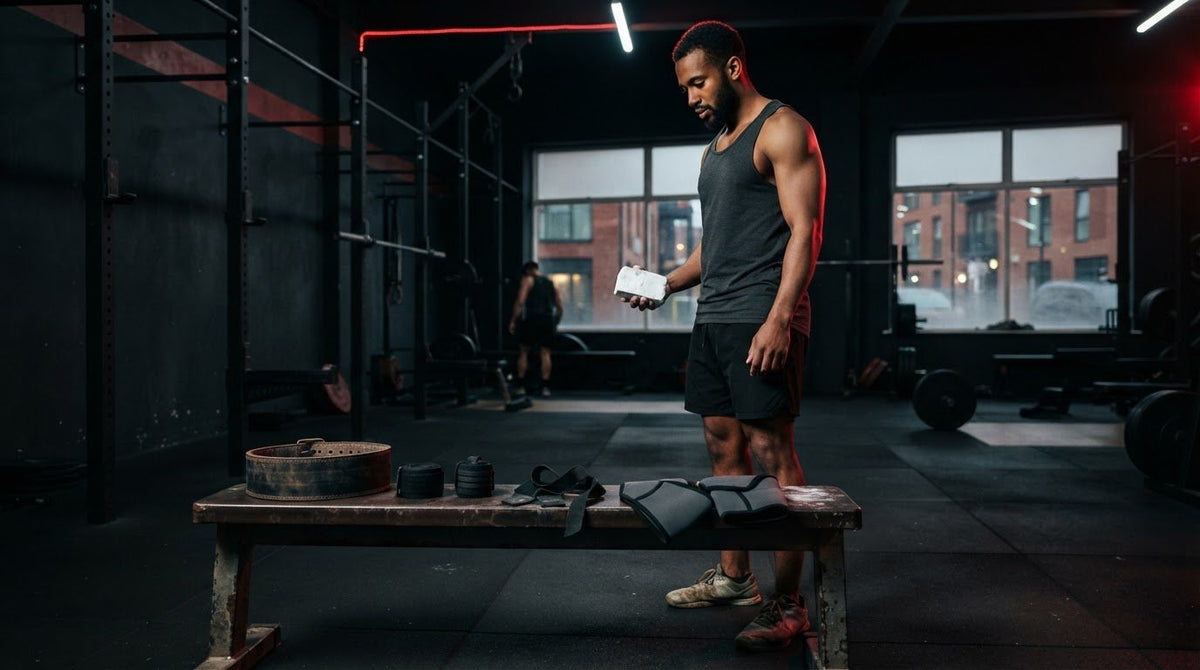
- Pair your dumbbells with essential accessories like liquid chalk or heavy-duty towels to maintain a professional environment.
- Use dedicated joint support to protect your elbows and wrists during high-volume sets.
- Select apparel that allows for maximum heat dissipation during peak intensity.
Visit our shop to feel the quality of the fabrics and gear for yourself. We invite you to explore the full range of strength gear to complete your setup today. Whether you're building a home garage gym or outfitting a commercial facility, Team Industry is your dependable partner for operational excellence in fitness.
Take Command of Your Strength Journey
Success in strength training isn't found in complex routines but in the mastery of foundational movements. You've identified how to execute essential lifts with perfect form and why consistent progression strategies are vital for long-term hypertrophy. Selecting high-quality dumbbells is a critical investment that directly impacts your grip performance and safety during heavy sets. Team Industry remains a trusted partner for UK Strongman and Powerlifting athletes who require equipment that withstands daily, high-intensity use. Our professional-grade gear brings commercial durability to your personal training space, supported by a UK-based team dedicated to your results. By applying these techniques and using reliable tools, you're setting a standard for excellence that will carry you through 2026. It's time to put these principles into practice and build the resilient physique you're working toward.
Upgrade your training with professional-grade Strength Gear from Team Industry
Your commitment to better form and better equipment will pay dividends in every session. Keep pushing for that next personal best.
Frequently Asked Questions
Should I buy hex or round dumbbells for my home gym?
Choose hex dumbbells if you plan to perform floor exercises like renegade rows or push-ups. The flat edges provide 100% stability on hard surfaces, preventing the weights from shifting during high-intensity movements. Team Industry recommends our rubber-coated hex range to protect your flooring and reduce noise. Round dumbbells are standard in commercial gyms but require a rack to prevent them from becoming a trip hazard in a smaller home setup.
What weight dumbbells should a beginner start with?
Beginners should typically start with a pair of 5kg to 10kg weights for upper body movements and 12.5kg to 15kg for lower body exercises. It's essential to master your form before increasing the load. Most novices find that a set of 7.5kg weights allows for 12 controlled reps of a standard bicep curl. Team Industry stocks a variety of starter sets designed to help you build a solid foundation safely and effectively.
Are adjustable dumbbells as good as fixed ones?
Adjustable dumbbells are an excellent space-saving solution, replacing up to 15 individual pairs in a single unit. They're perfect for home gyms where floor space is limited to a few square metres. Fixed dumbbells are often more durable for heavy-duty commercial use and allow for faster transitions during supersets. Team Industry provides high-quality adjustable sets that meet rigorous safety standards, ensuring the locking mechanism remains secure during every lift.
How many reps should I do with dumbbells to build muscle?
Target a range of 8 to 12 repetitions per set to maximise muscle hypertrophy. A 2021 study published in the Journal of Strength and Conditioning Research indicates that this specific volume creates the optimal metabolic stress for muscle growth. Ensure the final two reps are challenging but maintain perfect form. If you can easily complete 15 reps, it's time to increase the weight by 2kg to maintain progressive overload.
Can I build a professional physique using only dumbbells?
You can certainly build a professional, symmetrical physique using only dumbbells if you follow a structured training programme. These tools allow for a greater range of motion than barbells, which helps in correcting muscle imbalances. Many competitive bodybuilders use 100% dumbbell routines during travel or when home-based. Team Industry supports this versatile approach by providing professional-grade equipment that withstands the demands of daily, high-volume training sessions required for elite results.
Is it safe to use dumbbells every day?
It's not advisable to train the same muscle groups every day as your body requires 48 hours of recovery to repair tissue. Team Industry prioritises safety and long-term health, suggesting a split routine where you rotate different body parts. Training 5 days a week is effective if you alternate between upper and lower body sessions. Overtraining leads to a 25% increase in injury risk according to recent UK sports medicine data.
Why do my wrists hurt when doing dumbbell presses?
Wrist pain often stems from allowing the weight to pull your hand backwards, straining the tendons. Keep your wrists straight and stacked directly over your forearms throughout the movement. Approximately 35% of lifters experience this issue due to a weak grip. Team Industry suggests using a neutral grip, with palms facing each other, to reduce joint pressure. If pain persists, check your equipment handle diameter to ensure it fits your hand size correctly.
How do I stop dumbbells from rolling on the floor?
Purchase hex-headed weights or use a dedicated storage rack to keep your equipment stationary. If you already own round weights, placing them on a rubber gym mat with a 10mm thickness can provide enough friction to stop minor movement. Team Industry offers compact, three-tier racks that keep your workout area tidy and compliant with home safety standards. This prevents accidents and ensures your dumbbells are always within easy reach for your next set.
Share:
Mastering the Dumbbell: The Complete Guide to Versatile Strength Training in 2026
Mastering the Dumbbell: The Complete Guide to Versatile Strength Training in 2026