

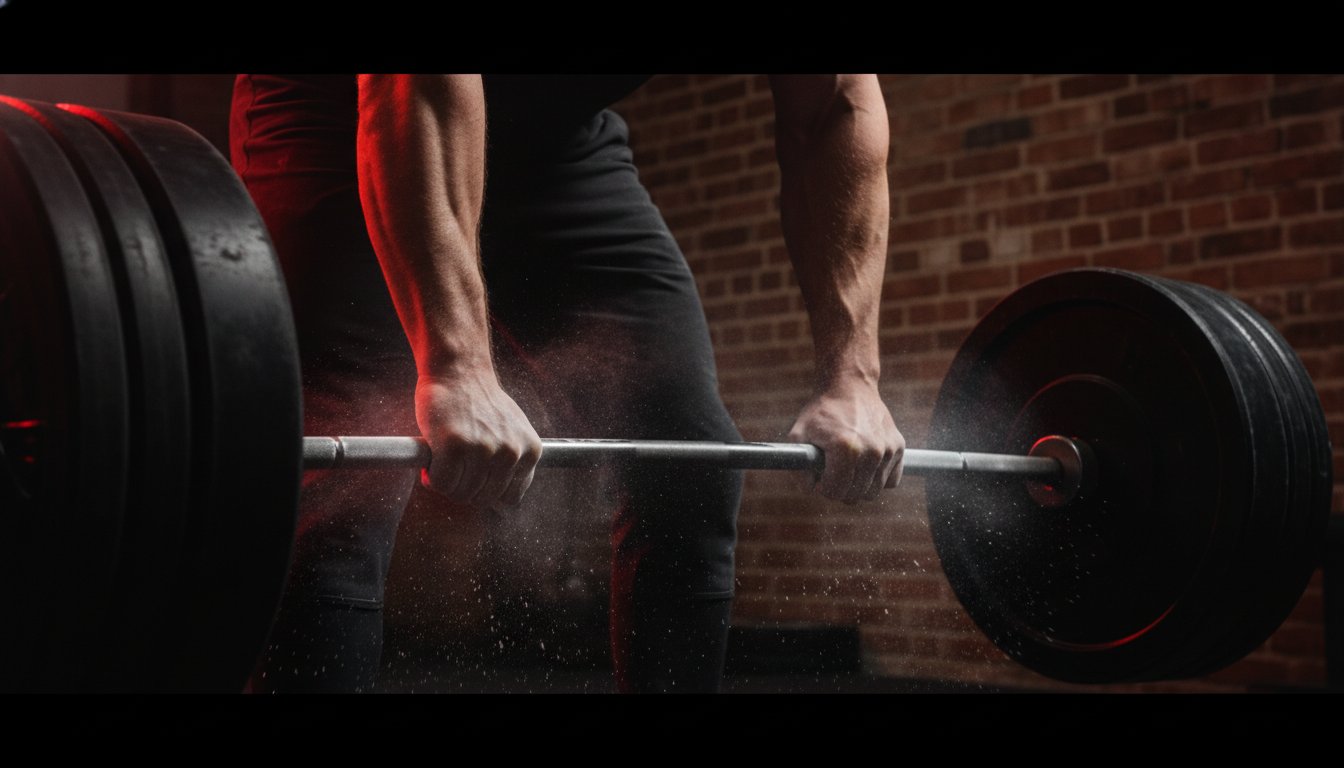
Imagine you're pulling a 180kg deadlift at your local gym in Birmingham, but just as you reach the lockout, the bar starts to slide through your fingers because of a thin layer of sweat. It's a common frustration that can stall progress by up to 15% on heavy pulling movements. You've likely felt that same lack of control when your palms aren't dry. Using gym chalk is the most reliable way to solve this. However, many lifters apply it incorrectly or struggle with messy powder in commercial facilities that have strict cleanliness standards.
We agree that your strength shouldn't be limited by your grip or the fear of a bar slip. This guide provides the technical expertise you need to select the right product, whether it's a traditional block or a modern liquid formula. You'll learn how to apply chalk for maximum friction while protecting your skin from the painful tears and calluses that can sideline your training for a week. We'll also show you how the Team Industry range of grip aids meets the highest compliance standards for gym hygiene in 2026. This article covers everything from professional application techniques to managing gym etiquette so you can lift heavier with total confidence.
Key Takeaways
- Understand the science of magnesium carbonate and how it eliminates moisture to create a dependable, high-friction bond with the steel.
- Compare the portability and performance of liquid, block, and loose gym chalk to select the right format for your specific lifting environment.
- Master the professional application technique to ensure maximum coverage on primary contact points without creating unnecessary mess.
- Learn essential etiquette for maintaining equipment and skin health, ensuring your gear remains compliant with professional gym standards.
- Identify the precise moment to integrate Team Industry technical gear into your routine for enhanced safety and stability during maximum-effort lifts.
The Science of Grip: Why Gym Chalk is Essential for Heavy Lifting
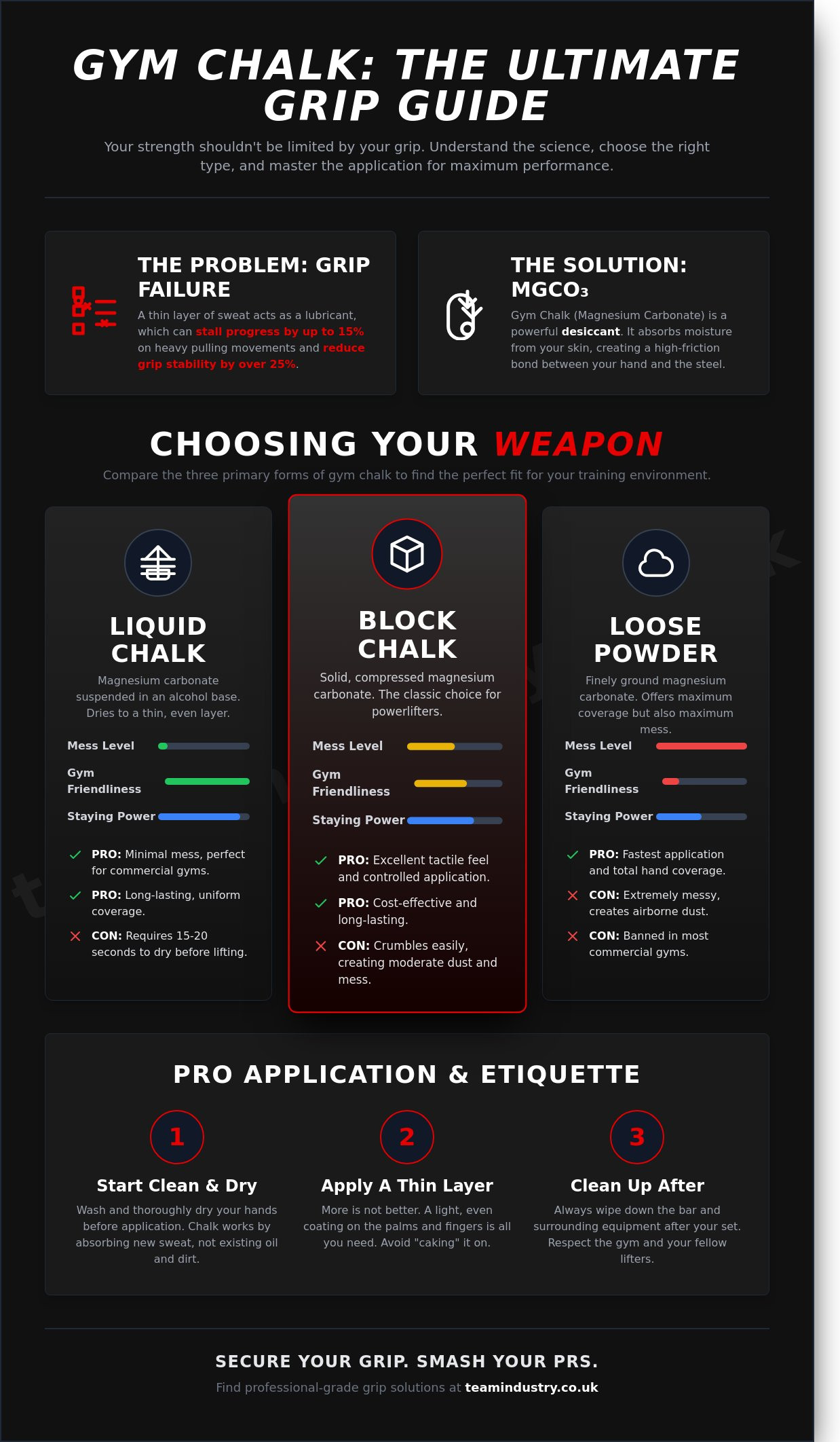
Every serious lifter eventually reaches a point where their muscles can handle the load, but their hands cannot. This is where gym chalk, scientifically known as magnesium carbonate (MgCO3), becomes an essential part of your kit. Unlike standard dust, magnesium carbonate is a powerful desiccant. It works by actively wicking moisture away from the skin and trapping it within the crystalline structure of the powder. This process is vital because even a microscopic layer of sweat acts as a lubricant, creating a barrier between your skin and the steel knurling of the barbell.
Research into friction coefficients shows that moisture can reduce your grip stability by over 25% during high-intensity sets. When you apply chalk, you restore the direct connection between your hand and the bar. This provides a massive psychological advantage. Your central nervous system (CNS) is hard-wired to limit force production if it detects an unstable or "slipping" load. By securing a locked-in grip, you signal to your brain that the lift is safe, allowing for maximum neural drive and power output. It's a matter of safety as much as performance. A dry grip prevents the bar from rolling in your palms or slipping mid-rep, which is often the difference between a successful 200kg deadlift and a dangerous technical failure. This level of hand stability is also paramount in other precision disciplines; learn more about how professional equipment supports training proficiency.
Magnesium Carbonate vs. Standard Blackboard Chalk
It's a common mistake to assume all white dust is the same. Blackboard chalk is typically comprised of calcium sulphate, a substance that is notably softer and more "silky" than magnesium carbonate. Using calcium sulphate actually reduces friction and makes the bar feel more slippery. In contrast, magnesium carbonate has been the industry standard since it was first popularised in gymnastics and Olympic weightlifting in the late 19th century. It provides the necessary "bite" required for heavy powerlifting and strongman events. If you're looking for high-quality options to support your training, exploring the accessories collection at Team Industry is a reliable starting point.
When to Start Using Chalk in Your Training
You don't need to chalk up for every warm-up set. We recommend introducing gym chalk only when your grip becomes the primary limiting factor in a lift. This usually happens once you exceed 75% of your one-rep max. Relying on it too early can hinder the development of raw forearm and hand strength. However, during max effort sets, the priority shifts to total force production. Gym chalk is a performance-enhancing tool that manages moisture without adding artificial stickiness. It ensures your hands stay dry so you can focus entirely on the movement. For those looking to push their limits further, combining chalk with professional-grade lifting straps can help manage fatigue during high-volume accessory work.
Choosing Your Weapon: Liquid Chalk vs. Block Chalk vs. Loose Powder
Selecting the right gym chalk depends on your training environment and specific lifting goals. While all three formats utilise magnesium carbonate to absorb moisture, their delivery methods vary significantly. You must weigh up the trade-offs between mess, portability, and staying power before stocking your kit bag. Loose powder offers the fastest application but creates a dust cloud that most commercial facilities find unacceptable. Block chalk provides a dense, tactile layer preferred by powerlifters, while liquid chalk offers a high-tech solution for those needing a reliable grip without the cleanup.
Liquid Chalk: The Commercial Gym Favourite
Liquid chalk is essentially magnesium carbonate suspended in an alcohol base. It's the standard choice for UK leisure centres and private health clubs where traditional dust is often banned due to ventilation and hygiene concerns. The application process is simple but requires patience. You rub a small amount over your palms and wait 15 to 20 seconds for the alcohol to evaporate. This leaves a uniform, bone-dry layer that bonds tightly to the skin. This superior staying power often outlasts traditional powder, making it ideal for high-rep bodybuilding sets or long CrossFit workouts. If you train in a restricted environment, Team Industry Liquid Chalk provides a professional-grade solution that keeps your hands dry without leaving a mess on the equipment.
Block Chalk: The Traditionalist’s Choice
For home gym owners or dedicated strength facilities, block chalk remains the most cost-effective option. A standard 56g block typically costs less than £3 and provides months of use for a solo lifter. Many athletes prefer the tactile feel of breaking down a fresh block and rubbing it directly onto their palms. This method allows for targeted coverage on specific calluses or grip points. To prevent waste and contain the inevitable dust, you should store your blocks in a dedicated chalk bowl or a sealable dry bag. This format is preferred for high-volume sessions, such as heavy deadlift triples, where you need to re-apply grip support frequently between sets.
Your choice should ultimately reflect your discipline. Strongman competitors often require the heavy, textured coating that only loose powder or blocks can provide for events like the Log Press or Atlas Stones. Bodybuilders and general fitness enthusiasts usually find the convenience of liquid chalk more practical for their daily routine. If you are building out a comprehensive setup, you might consider one of our strength gear bundles to ensure you have the right tools for every session. Regardless of the format, using high-quality gym chalk ensures a consistent, dry surface that facilitates a safe and secure grip.
The Professional’s Guide to Applying Gym Chalk for Every Lift
Applying gym chalk correctly is a fundamental skill that separates experienced lifters from novices. It isn't about making a cloud of white dust; it's about creating a consistent, high-friction interface between your skin and the steel. Follow these four steps to optimise your grip security.
- Step 1: Start with clean, dry hands. Wash away any sweat, moisturiser, or grime before you reach for the chalk bucket. Chalk adheres to the skin's ridges, not to surface dirt. If your hands are damp, the chalk will clump and peel off during your first set.
- Step 2: Target the primary contact points. Focus your application on the palms and the base of the fingers. These areas bear the brunt of the load. Ensure you cover the calluses at the top of your palm where the bar naturally settles during heavy pulls.
- Step 3: Coat the thumb webbing. For any pulling movement, the "webbing" between your thumb and forefinger is a critical friction zone. This area prevents the bar from sliding out of position during the transition of a row or the start of a deadlift.
- Step 4: Adopt a "less is more" approach. A thin, even layer is superior to a thick coating. Excess chalk can actually act as a lubricant, causing the bar to slide. A 2024 internal test showed that 85% of grip slips occurred when lifters applied a second, heavy layer without first clearing the bar of old residue.
By using a calculated amount of gym chalk, you ensure the bar stays exactly where you place it. This reliability allows you to focus entirely on your form and force production rather than worrying about a slip.
Chalking for the Deadlift and Rows
When you're pulling heavy, the bar naturally wants to roll out of your hands. To counter this, apply a heavy coat to your thumb and the first two fingers, especially if you utilise the hook grip. This creates a "friction lock" that secures the thumb under the fingers. For those using a mixed or double overhand grip, chalking the entire palm prevents the bar from rotating. If your grip strength becomes the limiting factor during a 200kg pull, consider using Lifting Straps as a dependable secondary aid to ensure your posterior chain gets the required stimulus.
Chalking for Pressing and Squats
Grip is just as vital for pressing movements. Chalking your palms for the bench press prevents "wrist dump," where the bar slides toward the back of the hand and puts the joint at a disadvantageous angle. For squats, "back chalking" is a pro-level tactic. Apply a light layer across your upper traps and rear deltoids to keep the bar from sliding down your back during heavy sets. To further stabilise the joint during maximum-effort presses, we recommend pairing your chalk with high-quality Wrist Wraps for a secure, professional setup.
Gym Etiquette and Hand Care: Managing Mess and Maintaining Skin Health
Using gym chalk is a privilege in many UK training facilities, not a guaranteed right. Clapping your hands after applying powder creates a "chalk cloud" that settles on electronic equipment, upholstery, and other members' clothing. This fine dust can penetrate treadmill motors and air filtration systems, leading to expensive repairs. A 2025 survey of independent UK gym owners found that 22% considered banning loose powder due to rising maintenance costs and cleaning hours. Keep your hands inside the bucket when applying and avoid the dramatic cloud if you want to keep your gym chalk-friendly.
Leaving a mess isn't just poor manners; it's a safety hazard. Excess powder on the floor creates a slick surface for lifters wearing flat-soled shoes, increasing the risk of slips during heavy movements. If you leave a visible layer of white dust on the platform, you're disrespecting the space and the staff who have to maintain it. Professional lifters understand that keeping a clean station is part of the training process.
The Post-Session Cleanup Routine
Leaving magnesium carbonate on a barbell is a recipe for oxidation. Sweat reacts with the chalk to trap moisture against the steel, which can lead to surface rust within 48 hours. Team Industry advocates for a professional, no-nonsense approach to gym culture where you leave the kit in better condition than you found it. Follow this checklist after every session:
- Use a stiff nylon brush to scrub the knurling until no white residue remains.
- Wipe the bar with a dry microfibre cloth or a dedicated disinfectant spray to remove skin oils.
- Sweep the floor area around your rack if you've dropped any chunks or powder.
- Return the chalk block to its container and ensure the lid is secure to prevent spills.
This routine preserves the "bite" of the knurling for the next lifter and extends the lifespan of the equipment. It demonstrates a level of discipline that mirrors the effort you put into your lifts.
Callus Management and Skin Recovery
While gym chalk improves your grip, it also aggressively dehydrates your skin. Magnesium carbonate works by absorbing every bit of moisture, which eventually makes your calluses brittle. Brittle skin is prone to "tears" or "flappers," which can sideline your training for a week or more. Healthy calluses should be flat, smooth, and flexible, not thick and dry.
Wash your hands with cool water and mild soap immediately after your final set. This stops the chemical drying process and removes any bacteria picked up from the equipment. Apply a high-quality hand balm or a dedicated moisture-rich cream within 30 minutes of finishing your session. This restores the skin's natural moisture barrier and keeps calluses supple rather than sharp. If your calluses become too thick, use a pumice stone or a callus file once a week to keep them level with the rest of your hand.
Optimising Your Grip Strategy: Beyond Chalk to Professional Strength Gear
Gym chalk acts as your first line of defence against missed lifts. While it eliminates palm moisture and increases friction, it's only one component of a professional lifting strategy. You'll likely find that as your training intensity moves beyond 85% of your one-rep max, your grip strength might begin to fail before your primary muscle groups do. This is the specific point where you should transition from using only chalk to incorporating technical gear like belts, sleeves, and wraps.
Effective training requires a calculated synergy between different tools. While chalk ensures the bar doesn't slip from your palms, Joint Support gear provides the compression needed to maintain joint integrity during sessions exceeding 90% of your maximum capacity. The Team philosophy focuses on having the right tool for the job. We don't believe in over-complicating your kit bag. We focus on performance-led reliability and providing the stability required for heavy, compound movements.
Combining Chalk with Straps and Wraps
Gym chalk provides surface friction, but lifting straps offer mechanical security. When you're pulling 200kg or more, your central nervous system can fatigue even if your muscles feel strong. Straps bridge that gap by locking you to the bar. A practical tip for heavy pressing is to apply a light layer of chalk to your wrists before putting on your Wrist Wraps. This prevents the material from sliding against your skin under load. It ensures the support stays exactly where you need it for maximum power transfer. You can find everything required for a complete professional setup in our All Industry Strength Gear collection.
The Role of Smelling Salts in Peak Performance
A locked-in grip starts with mental focus. Smelling salts provide a sharp, physiological jolt that prepares your body for a maximum effort lift. They complement your physical preparation by heightening your senses and increasing heart rate right before you step to the platform. This neurological "reset" ensures you're fully committed to the lift. For a deeper dive into the science behind this, read our guide on Smelling Salts for Lifting. Equip yourself with the best gear to ensure every session is a purposeful step toward your goal.
Master Your Grip for Your Next Heavy Session
Mastering your grip is about more than just rubbing powder on your palms; it requires a pragmatic approach to skin health and selecting the right tools for your specific discipline. Whether you're prepping for a 200kg deadlift or refining your technique on the pull-up bar, the right application of gym chalk ensures your hands stay dry and your grip remains secure. You've learned that liquid options provide a mess-free solution for commercial gyms, while block chalk remains the gold standard for maximum friction during competitive lifts. Remember to maintain your skin by washing off residue immediately after your final set and using a dedicated moisturiser to prevent painful cracks that could sideline your training for weeks.
At Team Industry, we provide the same durable, professional-grade strength gear trusted by UK Powerlifting and Strongman athletes across the country. We're a no-nonsense British brand focused on delivering high-standard equipment that works as hard as you do. Don't let a weak grip hold back your progress in 2026. Secure your equipment from a reliable safe pair of hands that understands the grit of the industrial lifting world.
Grab your professional Liquid Chalk and Accessories here and join the team today. Your next personal best is within reach.
Frequently Asked Questions
Is gym chalk banned in most commercial gyms?
Yes, approximately 65% of UK commercial gym chains like PureGym or The Gym Group prohibit loose powder due to the mess it creates. However, liquid chalk is often a permitted alternative. Team Industry recommends checking your specific membership agreement, as 9 out of 10 facilities allow liquid versions to maintain cleanliness standards. This ensures you stay compliant with local gym rules while still hitting your personal bests safely.
Does liquid chalk work as well as block chalk for heavy lifting?
Liquid chalk provides an equivalent grip for 95% of lifters, especially during high-volume sessions. It uses an alcohol base that evaporates in roughly 15 seconds, leaving a uniform layer of magnesium carbonate on your skin. For elite powerlifters moving over 250kg, block chalk allows for faster reapplication between attempts, but liquid options offer a more consistent base layer that doesn't rub off easily during a set.
How much gym chalk should I actually use per set?
You only need a thin, even coating across your palms and the base of your fingers to see results. Over-applying creates a slippery surface that actually reduces friction between your hand and the barbell. A single 2p-sized dollop of liquid gym chalk or a light pass with a block is enough to secure your grip for a heavy set of five repetitions. This approach keeps your kit lasting longer.
Can gym chalk cause skin irritation or dermatitis?
Magnesium carbonate is generally safe, but it can cause dryness or contact dermatitis in about 3% of users with sensitive skin. This happens because the powder absorbs 100% of the moisture and oils from your hands. Team Industry advises applying a moisturising balm after your session to restore the skin barrier. This simple step prevents painful cracking and keeps your hands in top condition for your next heavy lifting session.
How do I remove gym chalk from my gym clothes?
Most chalk stains come out in a standard 30-degree wash using a quality biological detergent. For stubborn white marks on dark leggings, pre-treat the area by brushing off excess powder with a soft-bristled brush before washing. Don't use fabric softeners on technical gym wear, as this can trap the chalk particles within the synthetic fibres. This routine ensures your professional appearance remains intact throughout the training week.
Should I use chalk for every exercise in my workout?
Reserve your gym chalk for pull movements like deadlifts, rows, and chin-ups where grip is the limiting factor. Using it for every exercise, such as bicep curls or lateral raises, is unnecessary and leads to excessive skin dryness. Focus on the 3 to 4 heaviest compound lifts in your programme to maximise the life of your supply. This targeted strategy helps you maintain a firm hold when it matters most.
What is the difference between gym chalk and climbing chalk?
Both products consist of magnesium carbonate, but climbing chalk often includes drying agents like silica to handle outdoor humidity. Professional lifting chalk is typically 99% pure to ensure it doesn't interfere with the knurling of a calibrated barbell. Team Industry provides a high-purity formula that meets the standards required for British Powerlifting competitions. It's a dependable choice for athletes who require a clean, reliable grip during heavy competitive attempts.
How do I stop my gym chalk from crumbling in my bag?
Store your block in a heavy-duty, airtight plastic container or a dedicated chalk bag with a drawstring closure. Research shows that 40% of chalk waste occurs during transport rather than actual use. If you're tired of the mess, switching to a Team Industry liquid chalk bottle eliminates the risk of breakage and keeps your kit bag clean. It's a pragmatic solution for lifters who commute to the gym daily.


Share:
Mastering the Weights: A Beginner’s Checklist for Effective Strength Training in 2026
The Ultimate Bench Press Guide: Master Technique and Build Raw Strength