

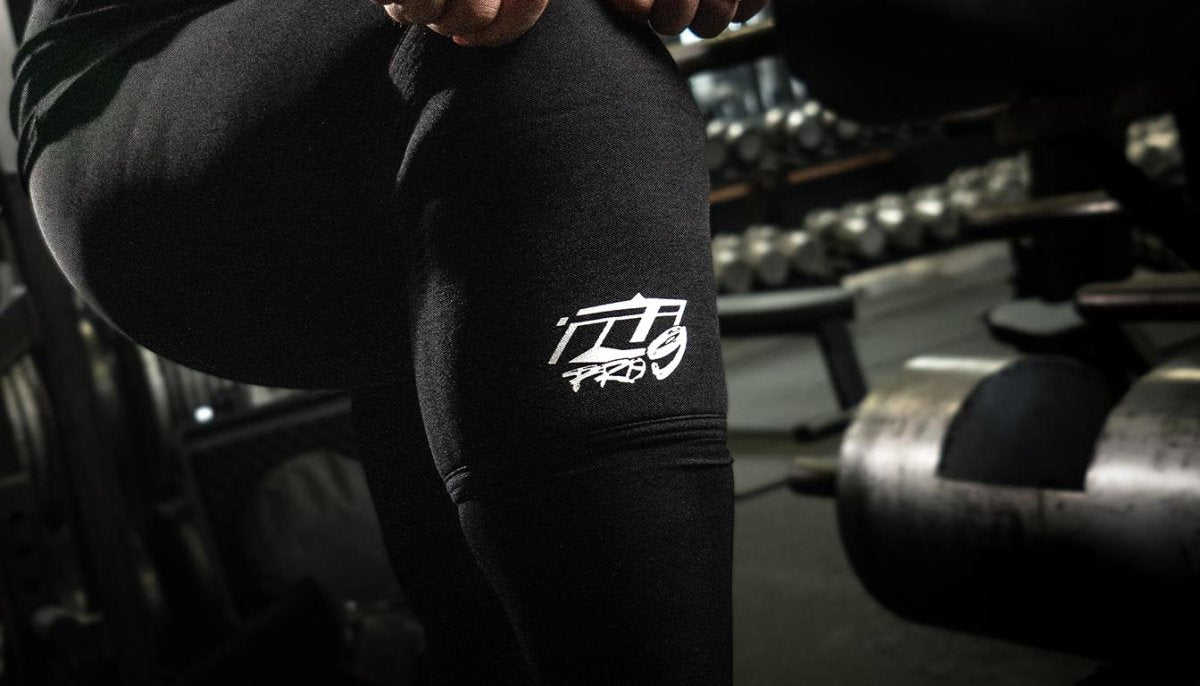
A 2023 study in the Journal of Strength and Conditioning Research found that neoprene sleeves can increase one-rep max squat performance by an average of 2.7%. For a serious lifter, this isn't just a minor gain; it's a significant technical advantage. High-quality heavy duty knee sleeves function as essential equipment that provides mechanical support and joint warmth during the most demanding phases of a lift. You've likely experienced the distraction of sleeves sliding down during a heavy set or the disappointment of material tearing after just a few months. When you're moving national-level weight, you need gear that stays in place and stands up to the grit of a professional training environment.
We believe your equipment should be a reliable partner in your pursuit of strength. This guide details how professional-grade sleeves offer the compression and stability required for heavy squats, strongman events, and powerlifting. You'll learn how to identify durable gear that reduces joint pain and increases your confidence under the bar. We will also cover technical requirements for competition to ensure your kit meets the necessary standards. This article provides the practical information you need to select equipment that supports your long-term operational excellence in the gym.
Key Takeaways
- Learn how high-density 7mm neoprene and multi-ply fabrics provide the mechanical support and joint centration necessary for elite-level lifting.
- Understand the specific use cases for 7mm neoprene versus multi-ply sleeves to ensure your gear matches your specific training discipline.
- Discover the professional measurement techniques required to achieve a secure fit that won't slide down during heavy eccentric movements.
- Identify the difference between a high-volume "comfort fit" and a competition-ready "comp fit" for your heaviest squat attempts.
- Evaluate the durability and construction of heavy duty knee sleeves to find professional-grade gear that survives years of intense training.
What Defines a Heavy Duty Knee Sleeve?
Heavy duty knee sleeves aren't standard gym accessories. They are technical tools engineered for maximal compression. While a light-duty 3mm or 5mm sleeve suits general fitness or high-repetition training, heavy duty knee sleeves use high-density 7mm neoprene or multi-ply fabrics. These materials provide the mechanical support required for joint centration during elite-level strength training. You've reached the transition point for professional gear when your programming focuses on low-repetition, high-intensity sets where joint deformation under load is a primary concern.
To better understand how to manage the stiffness of professional-grade gear, watch this helpful video:
Warmth vs. Structural Stability
Standard sleeves primarily offer warmth. This heat increases the viscosity of synovial fluid, which allows the joint to move more smoothly. However, in competitive Powerlifting and strongman, you need more than temperature control. Professional sleeves provide structural stability. This external tension helps prevent lateral knee cave, also known as valgus, when you are fighting through the sticking point of a heavy squat. These heavy duty knee sleeves ensure you maintain technical integrity under maximal loads.
The Role of Compression in Proprioception
Compression does more than physically hold the joint in place. It enhances proprioception, which is your brain's ability to sense the position and movement of your limbs. The intense pressure from high-density joint support gear stimulates cutaneous mechanoreceptors in the skin. This feedback loop improves your technical execution by helping you stay tighter and more aware of your knee tracking during heavy squats or leg presses. Better awareness leads to more consistent movement patterns and reduced injury risk over long training cycles.
7mm Neoprene vs. Multi-Ply: Choosing Your Support
Choosing the right material depends on your specific training goals and competition standards. The 7mm neoprene sleeve is the industry standard for powerlifting and general strength training. It provides a reliable, consistent level of support that moves with the lifter. Stiff neoprene is a high-density variant that resists folding under heavy weight, ensuring the sleeve doesn't bunch in the crease of the knee during deep squats. In contrast, multi-ply sleeves, often made from layers of polyester and rubber, are specialized tools for Strongman and extreme loads. These offer maximum compression but lack the same level of flexibility found in neoprene.
Recent research on knee support biomechanics indicates that external stability significantly improves joint kinematics and reduces perceived pain during heavy eccentric movements. While neoprene provides a predictable "pop" or rebound out of the hole, multi-ply sleeves feel more like a rigid cast. This extreme pressure is often necessary for athletes moving world-class weights in non-tested federations or specialized strength events.
The Physics of the 'Rebound' Effect
The primary performance benefit of these materials is the storage of elastic energy. As you descend into a squat, the material compresses and stretches. At the bottom of the movement, this stored energy is released, providing a mechanical "rebound" that assists you in driving back to a standing position. This effect is most noticeable in high-density neoprene, which maintains its shape and tension even at the maximum depth of a lift.
Durability Standards for Professional Gear
When investing in heavy duty knee sleeves, durability is just as important as support. You should look for reinforced, heavy-duty stitching and double-bonded seams to prevent blowouts during high-intensity sets. Professional gear must maintain its original shape over hundreds of sessions without overstretching or losing its compressive properties. If you are ready to upgrade your equipment, explore our range of Heavy Duty Knee Sleeves designed for the rigours of the platform. For those building a complete kit, our Industry Strength Gear provides the reliability required for national-level competition.
How to Size and Fit Sleeves for Peak Performance
Precise measurements are the foundation of effective gear. To get the most out of your heavy duty knee sleeves, you must follow a standardized measurement procedure. Use a soft tape measure to find the circumference of your knee joint with a straight leg and the widest part of your calf. While some guides suggest measuring only below the kneecap, a dual measurement ensures the sleeve tapers correctly to your limb without restrictive pinching or loose gaps.
You must choose between a "comfort fit" and a "comp fit" based on your training phase. A comfort fit follows the manufacturer's size chart exactly and is suitable for high-volume sessions where you wear the gear for 60 to 90 minutes. A comp fit involves sizing down one level to maximize mechanical compression. This increased tension mirrors the principles found in research on knee wraps and squat mechanics, where higher compression levels correlate with improved force production out of the hole. For total operational stability, pair your sleeves with professional weight lifting belts to secure both your midline and your lower extremities.
If you need gear built to survive the heaviest training cycles, view our full range of Heavy Duty Knee Sleeves today.
Techniques for Donning Stiff Sleeves
Putting on competition-grade sleeves requires a specific technique to avoid straining your fingers. Use the "fold-over" method: fold the top and bottom quarters of the sleeve toward the center to create a smaller, reinforced band. Slide this band up to the base of your knee, then unfold the sections. For extremely tight fits, wear long socks or use "slippy" liners to reduce friction against the skin during the pull.
Maintenance: Keeping Your Gear Functional
Maintain your equipment to ensure long-term reliability. Hand-wash your sleeves in cold water using a mild detergent to remove sweat and bacteria. You should never use a tumble dryer on professional strength gear. High heat degrades the cellular structure of the neoprene, which ruins the elasticity and leads to premature material failure. Always air dry your sleeves away from direct sunlight to preserve the integrity of the fabric and seams.
Team Industry UK: Engineered for Strength Athletes
Team Industry is not just an equipment retailer; we are lifters who understand the grit of the sport. We know that a national-level total requires gear that doesn't quit when the weight gets heavy. Our heavy duty knee sleeves are engineered to handle the unique shear forces found in moving events like the Yoke walk or the extreme compression needed for a max squat. We test all Industry Strength Gear in real-world Powerlifting and Strongman environments. This testing ensures that our equipment survives the operational reality of a high-intensity training facility.
Operational excellence requires a holistic approach to your kit. While your knees are secured, your grip shouldn't be the limiting factor in your performance. Our sleeves are designed to complement our lifting straps for full-body support. This combination is essential for events like the Husafell carry or heavy deadlifts where technical integrity is non-negotiable. We build products for the athletes who put in the work every single day.
Supporting the Strength Community
We believe in collective collaboration within the strength world. Team Industry demonstrates this through consistent investment in federations and sanctioned events. This commitment provides us with direct feedback from national-level athletes, which we use to refine our designs. When you choose a specialized UK brand, you benefit from regional knowledge and a dedication to safety standards. We understand the specific needs of the local lifting community because we are a part of it.
Next Steps for Your Training
Take an honest look at your current lifts and joint health. If you feel a lack of confidence under the bar or notice your current equipment is losing its tension, it's time to make a change. Heavy duty knee sleeves are a vital investment in your technical stability and joint longevity. Assess your needs for your next training block and ensure your gear is up to the task. Upgrade your kit today to maintain your competitive edge and protect your progress.
Secure Your Progress on the Platform
Technical progress in strength sports relies on the reliability of your equipment. You now understand how material density and precise sizing influence your mechanical advantage during a lift. Whether you are aiming for a competition fit to maximize rebound or a training fit for high-volume sessions, the right gear ensures your joints remain centered under load. Prioritizing professional-grade durability is a pragmatic step toward long-term operational excellence in the gym. By choosing gear engineered for the specific rigours of the sport, you eliminate distractions and focus entirely on technical execution.
Team Industry equipment is designed by strength athletes who understand the grit required for national-level competition. We provide the stability you need with the convenience of national shipping across the UK. Don't let equipment failure or joint discomfort dictate your training intensity. It's time to invest in gear that matches the effort you put into every session. Upgrade your support with Team Industry Heavy Duty Knee Sleeves to secure your next personal best. We are committed to your success under the bar. Stay focused, stay stable, and keep moving the weight.
Frequently Asked Questions
Should I buy 5mm or 7mm knee sleeves for heavy lifting?
Buy 7mm sleeves if your training focuses on heavy squats, powerlifting, or strongman events. While 5mm sleeves provide warmth for general fitness, 7mm heavy duty knee sleeves offer the mechanical support and compression required for high-intensity loads. Most competitive federations set 7mm as the maximum thickness because it provides the optimal balance of joint centration and rebound. Explore our Heavy Duty Knee Sleeves for professional-grade support.
How tight should heavy-duty knee sleeves be?
Your sleeves should be tight enough to provide firm compression without cutting off blood flow or causing numbness. A standard training fit allows you to slide two fingers between the material and your skin with effort. If you're preparing for a competition, you might choose a tighter "comp fit" for maximal support during low-repetition sets. Ensure the sleeve remains secure during eccentric movements to prevent technical distractions.
Can I wear knee sleeves for every workout?
Reserve your sleeves for heavy compound movements and specialized strength events rather than wearing them for every session. Using them during every workout can lead to skin irritation from trapped sweat and may reduce the lifespan of the neoprene. Focus on using them during squats, leg presses, or yoke walks where joint stability is critical. For lighter accessory work, your joints benefit from moving through a full range of motion without external assistance.
Will heavy-duty knee sleeves prevent all injuries?
No piece of equipment can prevent every injury. While heavy duty knee sleeves improve proprioception and joint stability, they are not a substitute for proper technique and progressive load management. They function as a tool to support your joints under heavy stress, but you must still prioritize your lifting mechanics. Combine quality gear with a structured program to maintain long-term operational health in the gym.
How do I know if my knee sleeves are worn out and need replacing?
Replace your sleeves when you notice visible seam fraying, thinning of the neoprene, or a significant loss of compressive tension. If your sleeves start to slide down during a set despite correct sizing, the material has likely overstretched and lost its structural integrity. Most professional gear lasts for several training cycles; regularly inspect your kit. When it's time for a replacement, consider our Industry Strength Gear to maintain your performance standards.


Share:
Essential Powerlifting Gear UK: The Definitive Guide for Strength Athletes
Best Knee Sleeves for Heavy Squats: The 2026 Strength Athlete’s Guide