

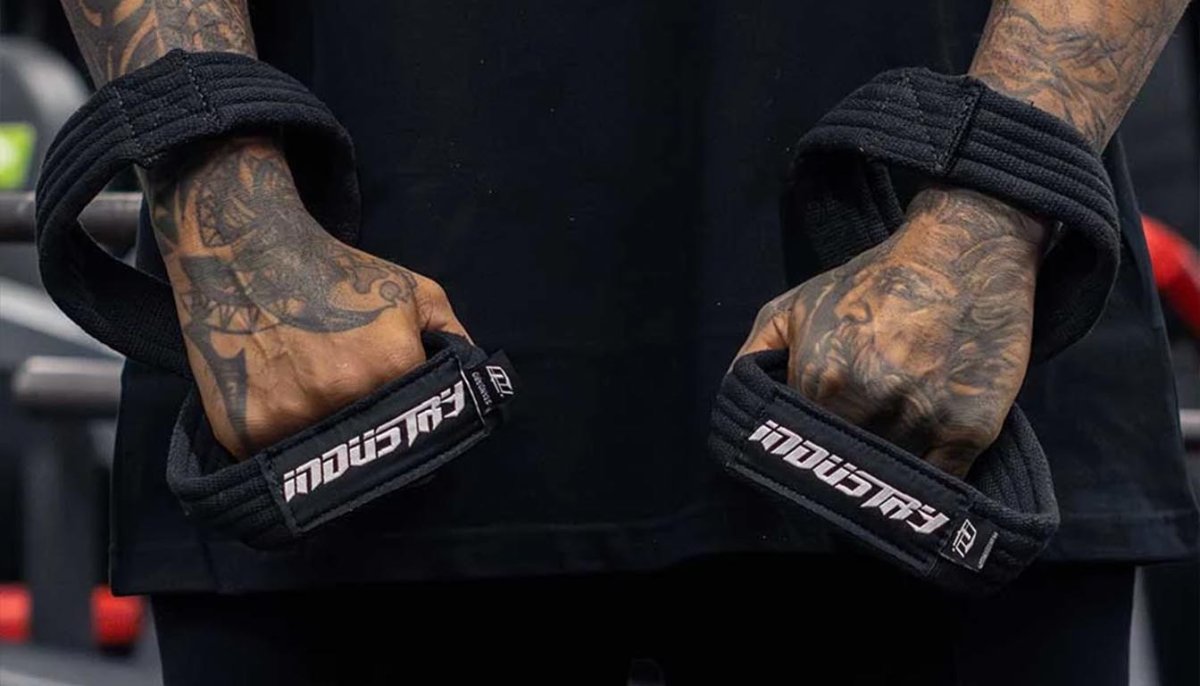
Recent studies show that athletes using lifting straps can achieve an average of 16% higher maximal force values during isometric tests. When you're staring down a heavy barbell, that's the kind of margin that turns a failed attempt into a successful lift. You've likely experienced the frustration of your posterior chain having plenty left in the tank while your grip begins to fail. Learning how to use figure 8 lifting straps properly ensures that your hands are no longer the weakest link in your strength training routine.
It's common to feel some hesitation when first approaching the double-loop setup. You want the security of a rock-solid connection, but you don't want to feel dangerously locked to the bar if a lift goes wrong. We understand that professional lifting requires both maximal output and operational safety. This guide will help you master the specialist loop-and-cinch technique to secure your grip and shatter your deadlift personal bests safely. We'll walk through the step-by-step setup, explain how to ensure a reliable release, and help you choose the correct sizing for standard or axle bars.
In This Professional Guide:
- Understand the mechanical advantage of the double-loop design which allows for direct palm-to-bar contact and improved sensory feedback during heavy pulls.
- Master the precise cinch phase for how to use figure 8 lifting straps to remove all slack between your wrist and the barbell for a secure connection.
- Learn how to adjust your setup for varying bar thicknesses by using professional twisting techniques to ensure a rock-solid fit on any equipment.
- Discover how to strategically integrate straps into your training system to overload the posterior chain without neglecting your natural grip development.
Understanding the Mechanical Advantage of Figure 8 Lifting Straps
Figure 8 straps are a specialized double-loop grip aid designed to lock the lifter to the bar for maximal pulls. Unlike traditional lasso straps that wrap around the barbell several times, the figure 8 design creates a direct anchor point between your wrists and the steel. This unique configuration is engineered for stability during high-load scenarios where grip failure is the primary bottleneck. Learning how to use figure 8 lifting straps correctly allows you to bypass the limitations of your hand strength and focus entirely on the power generated by your posterior chain.
The primary mechanical advantage lies in the efficient transfer of load. Instead of the weight pulling against the small muscles of your fingers, the figure 8 design shifts the tension directly to your wrists and forearms. This setup also places the bar directly against your palm. This direct contact provides better sensory feedback and proprioception, which is often lost when using thick layers of nylon or cotton found in other strap styles. It's a pragmatic solution for athletes following advanced strength training principles who need to move maximal weight without the bar slipping.
To better understand this concept and see the mechanical setup in action, watch this helpful video:
These straps are the preferred choice for the UK strongman community, especially during events like the max deadlift or the axle press. Because an axle bar has a larger diameter and no knurling, a standard grip often fails long before the legs or back. The double-loop system provides a level of security that other aids simply can't match, making it a vital component of any heavy-duty kit bag.
Figure 8 vs. Standard Lasso Straps: When to Switch
Choosing the right tool depends on your specific training goals. Standard lasso straps are better suited for dynamic, quick-release movements like cleans, snatches, or high-pulls where you might need to ditch the bar quickly. In contrast, figure 8s excel in static pulls and slow-speed strength movements. If your training session involves heavy rack pulls or max-effort deadlifts where you don't intend to let go of the bar until the rep is finished, the figure 8 is the superior choice. When you know how to use figure 8 lifting straps, you gain the confidence to push into higher weight brackets. You can explore our full range of lifting straps to find the right fit for your specific lifting style.
Step-by-Step: How to Use Figure 8 Lifting Straps Correctly
Mastering how to use figure 8 lifting straps requires more than just looping them over the bar. Precision in your setup ensures the strap remains tight throughout the entire range of motion, which prevents the bar from tilting or rolling during the lift. Consistency is your primary trust signal here. When you execute the setup correctly, the strap should feel like a natural extension of your arm, allowing for a seamless transition from the floor to the lockout.
Many lifters struggle with a loose connection because they skip the foundational alignment. A properly fitted strap distributes the load across the wrist joint rather than pinching the skin. This operational efficiency is what separates a professional pull from a messy attempt. If you're currently using standard gear and finding it lacks this level of security, upgrading to a specialized pair can make a significant difference in your training volume.
The 'Loop, Under, and Loop' Technique
Follow this logical sequence to establish a rock-solid connection to the barbell:
- Step 1: Pass your hand through one loop so the strap sits comfortably on your wrist. Ensure the material is flat against your skin.
- Step 2: Pass the remaining loop under the barbell and back up the other side. Do not let the strap twist excessively during this transition.
- Step 3: Slide your hand through the second loop and grip the bar firmly. Your palm should be in direct contact with the steel.
The Cinch and the Open-Hand Release
The 'cinch' phase is where many lifters fail to secure the load. Once your hand is through both loops, you must rotate the bar slightly towards you. This movement removes all slack between your wrist and the barbell, locking you into position. Professional athletes often rely on expert guidance on strap usage to refine this specific mechanic. Without this cinch, the bar can drift away from your shins, which increases the risk of lower back strain.
Safety is a common concern, particularly the fear of being "locked" to the bar. To release safely, simply open your hands. Once you stop active gripping, the tension drops immediately. This allows the loops to slide off as the bar returns to the floor. If you need a strap built for these high-standard operations, the Industry Figure 8 Lifting Straps provide the durability required for maximal loads while ensuring a predictable release when the set is finished.
Safety Considerations and Bar-Specific Adjustments
Bar thickness varies significantly across different lifting disciplines. A standard Olympic bar is typically 28mm to 29mm, but specialized bars change the mechanical requirements of your gear. If you're learning how to use figure 8 lifting straps, you'll find that a strap that fits perfectly on a deadlift bar might feel too loose on a stiff power bar. You can tighten the fit by twisting the loops one or more times before passing them under the bar. This reduces the effective length of the webbing, bringing your wrist closer to the steel for a more responsive pull.
Safety remains the priority in heavy-duty environments. Never use figure 8s for movements where you might need to bail the bar behind you, such as overhead squats or snatches. The locked-in nature of the double loop makes a quick release difficult in dynamic overhead positions. We recommend all lifters test their release with sub-maximal weights before attempting a PB to ensure the tension drops as expected when the hands open. This practice builds the necessary confidence for operational excellence during max-effort attempts.
Using Figure 8s for Axle Bar Deadlifts
Axle bars are 2 inches thick, which requires a larger loop or a more generous fit than a standard barbell. Because there's more surface area to cover, you must ensure the strap sits flat against the axle to prevent it from biting into your wrists. Our straps are built with heavy-duty webbing specifically to withstand the abrasive texture of axle bars and the high-standard requirements of the UK strongman circuit. A flat, secure fit ensures the load stays centered throughout the lift.
Managing Wrist Comfort and Positioning
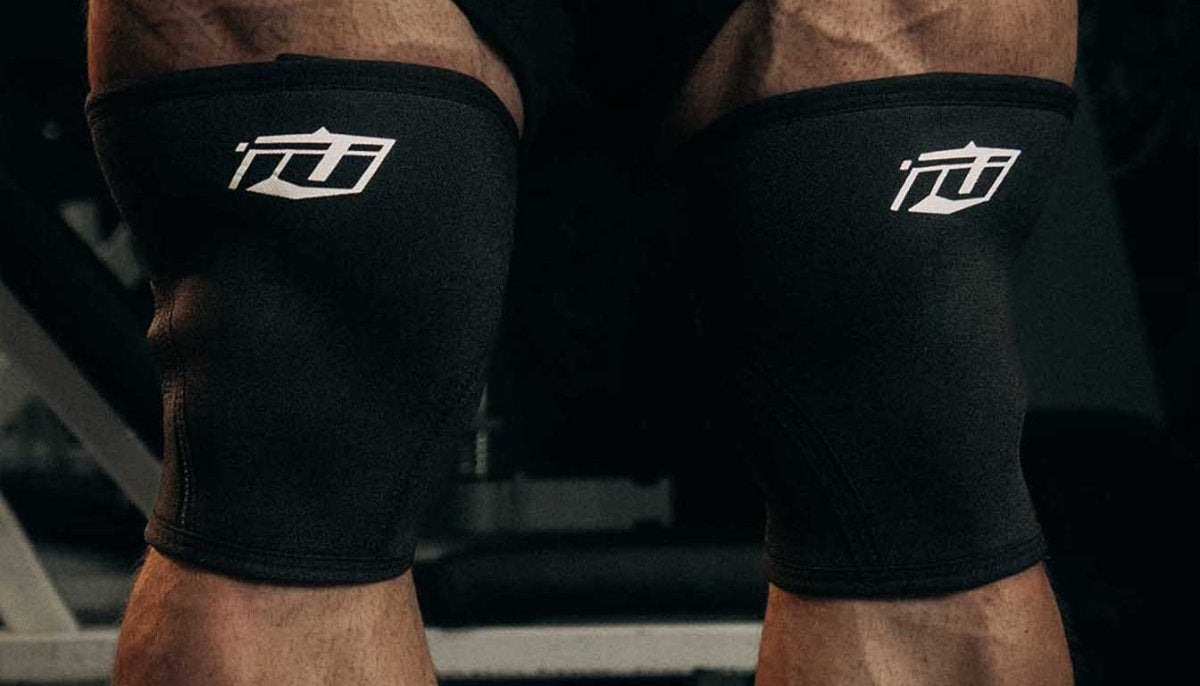
For maximum stability, position the cross-over point of the '8' directly under the bar. This alignment ensures the load is distributed evenly across the strap and your wrist joint, preventing unnecessary friction. If the strap feels too long despite the cinch, twisting the loops is the most effective way to shorten the distance between your wrist and the bar. To maintain total body stability during these high-intensity efforts, many athletes consider pairing their straps with heavy duty knee sleeves for additional joint support.
If you're ready to upgrade your equipment for your next heavy session, you can find our professional-grade Industry Figure 8 Lifting Straps in our online store.
Integrating Straps into Your Total Strength System
Straps are a specialized tool for overloading the posterior chain. They shouldn't replace grip training entirely. Instead, use them strategically when your hands become the limiting factor in a session. Investing in all industry strength gear ensures you have the right tool for every training phase, from volume blocks to max-effort peaks. This holistic approach builds a more stable environment for heavy lifting. A professional lifting belt increases intra-abdominal pressure to complement your secure grip, creating a rigid torso that supports maximal pulls from the floor.
The Synergy of Chalk and Straps
Applying liquid chalk to your palms before looping your straps prevents internal slipping. While the strap locks you to the bar, chalk increases the friction between your skin and the strap material for a more "locked-in" feel. This combination is essential for high-rep sets where sweat can compromise the strap's security. Mastering how to use figure 8 lifting straps alongside a base layer of chalk ensures that moisture doesn't lead to micro-slips during a heavy set. It provides a dry, stable surface that allows the heavy-duty webbing to bite effectively against your skin and the bar.
When to Introduce Straps in Your Programme
Introduce straps for your heaviest working sets, typically those at 85% or more of your one-rep max (1RM). This ensures your back and legs remain the primary focus rather than your finger strength. Incorporate "raw" sets without straps during your warm-ups to maintain natural grip strength and forearm development. Pair your straps with a Team Industry Lifting Belt for maximum bracing during triples and singles. Knowing how to use figure 8 lifting straps at the right time in your session prevents premature fatigue. It allows you to complete your programmed volume without your grip failing before your muscles do.
Maximise Your Training Output with Professional Standards
Mastering the double-loop technique changes your relationship with heavy loads. By transferring the weight from your fingers to your wrists, you allow your posterior chain to work at its true capacity. We've covered the mechanical advantages and the essential cinch phase required for a secure fit on any bar type. Understanding how to use figure 8 lifting straps ensures that your grip is never the reason a personal best stays on the platform. You've worked hard on your pulling power; don't let a failing grip dictate your training limits.
Stability is built through a combination of technique and reliable equipment. Our straps feature heavy-duty cotton webbing designed to meet 2026 durability standards. They are developed by UK strength athletes who understand the grit required for maximal pulls in professional environments. With national delivery available across the UK, you can upgrade your kit bag quickly and start training with increased confidence. These tools are designed to support your operational excellence in the gym.
Ready to pull a new PB? Shop our professional Figure 8 Lifting Straps here. Trust your preparation and your equipment. It's time to get to work.
Frequently Asked Questions
Are figure 8 straps better than lasso straps for deadlifts?
Figure 8 straps are superior for maximal deadlifts because they provide a double-loop anchor that does not rely on active grip strength to maintain tension. Lasso straps require you to keep your hand closed to hold the strap in place, whereas figure 8s lock your wrist directly to the bar. This mechanical advantage is why they are the standard choice for strongman competitions and max-effort pulls in the UK.
Can you use figure 8 lifting straps for pull-ups or rows?
You can use these straps for heavy rows, but they are less practical for pull-ups or movements requiring frequent hand repositioning. The setup time for the double-loop system is longer than a standard strap, which can be cumbersome during high-volume accessory work. For rows, they provide excellent security for the posterior chain. However, for bodyweight movements, a standard lasso strap or a simple grip aid is usually more efficient.
How do I know what size figure 8 straps to buy?
Measure your wrist circumference and consider the diameter of the bar you intend to use. Most lifters find that a medium size fits a standard 28mm to 29mm Olympic barbell perfectly. If you are learning how to use figure 8 lifting straps on a 2-inch axle bar, you will likely need a larger size to accommodate the increased thickness. A versatile fit should allow you to twist the loops once to remove slack on a standard bar.
Is it dangerous to use figure 8 straps if I need to drop the bar?
It is not dangerous if you master the open-hand release technique before attempting maximal weights. While the strap creates a secure connection under tension, opening your palms allows the loops to slide off as the bar returns to the floor. You must avoid using these straps for overhead lifts or dynamic movements where you might need to bail the bar behind you. In those specific scenarios, the release is not fast enough to ensure safety.
How do I clean my figure 8 lifting straps without damaging the material?
Hand wash your straps in cool water with a mild detergent to maintain the strength of the heavy-duty cotton webbing. Avoid using a washing machine or tumble dryer, as high heat and agitation can shrink the fibers and degrade the structural stitching. Air dry them completely before your next session. Regular cleaning removes salt and bacteria from sweat, which prevents the material from becoming brittle or abrasive against your wrists during heavy pulls.
Share:
Best Knee Sleeves for Heavy Squats: The 2026 Strength Athlete’s Guide
The Ultimate Barbell Squat Technique Guide: Master Your Form & Build Raw Power