
What if the very gear designed to support your strength is the primary cause of your conditioning fatigue? Strength athletes often focus exclusively on the big lifts while neglecting the technical requirements of their GPP work. It's a common frustration to experience chafing during cardio or have fabrics fail when stretched across a muscular frame. Selecting the correct aerobics apparel is a professional necessity for anyone serious about their work capacity.
At Team Industry UK, we believe your conditioning kit should be as resilient as your training mindset. This guide outlines how to identify high-performance gear that supports a full range of motion and manages thermoregulation effectively. We'll examine fabric durability and compare various market styles to help you make a calculated investment. You'll discover how to build a kit that lasts through intense training cycles and maintains the high standards our Team expects.
Key Takeaways
- Understand why technical conditioning gear is essential for General Physical Preparation (GPP) to prevent fabric failure during high-intensity movement.
- Identify the specific technical features, such as capillary action and four-way stretch, that make for high-performance aerobics apparel.
- Learn when to utilise the Industry Oversized Tee for better air circulation versus using compression gear for muscle oscillation management.
- Master the "Three-Kit Rule" and professional layering strategies to maintain hygiene and protect your equipment in the unpredictable UK climate.
What is Aerobics Apparel for Strength Athletes?
Conditioning isn't just an afterthought for the modern strength athlete; it's a requirement for longevity and performance. When we discuss what is aerobics apparel in the context of lifting, we aren't talking about thin, fashion-focused leggings found on the high street. We mean technical clothing engineered for high-intensity, repetitive movement that supports a larger muscular frame. For a lifter, aerobics apparel must bridge the gap between the explosive power of a heavy squat and the sustained output of a conditioning circuit. Team Industry UK understands that gear is an investment in your training standards, requiring a shift from basic cotton to performance-synthetic blends that handle the unique friction of a strength athlete's body.
The Role of GPP in Strength Sports
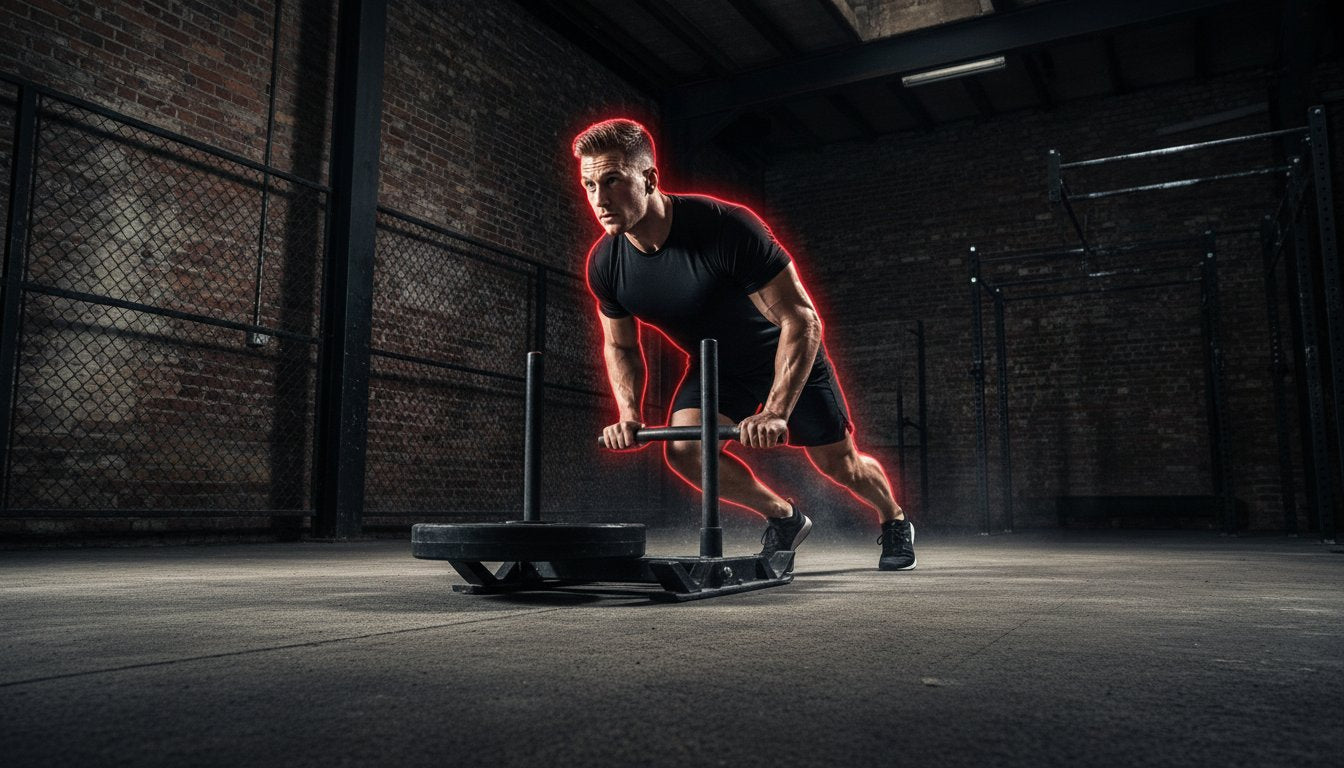
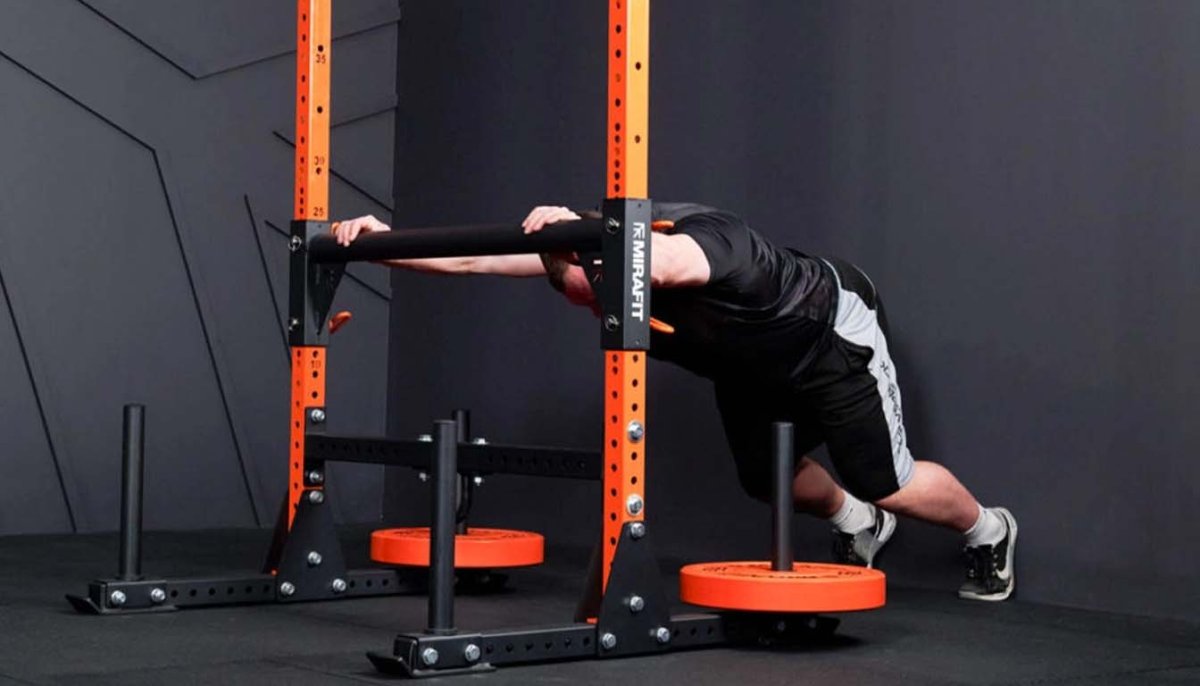
General Physical Preparation (GPP) is the foundation that supports your recovery and total work capacity. Whether you're performing sled pushes, row intervals, or hill sprints, your clothing faces extreme stress. Standard gear often lacks the functional durability needed for wider shoulders or thicker thighs. High-performance conditioning gear allows for unrestricted movement during deep lunges and sprints without the risk of transparency or tearing. By choosing gear designed for these specific physical demands, you ensure that your focus remains on the session rather than your equipment. This dedicated approach to apparel mirrors the calculated mindset required for professional strength training and ensures the structural integrity of your kit matches your output.
Why Standard Gym Wear Fails During Cardio
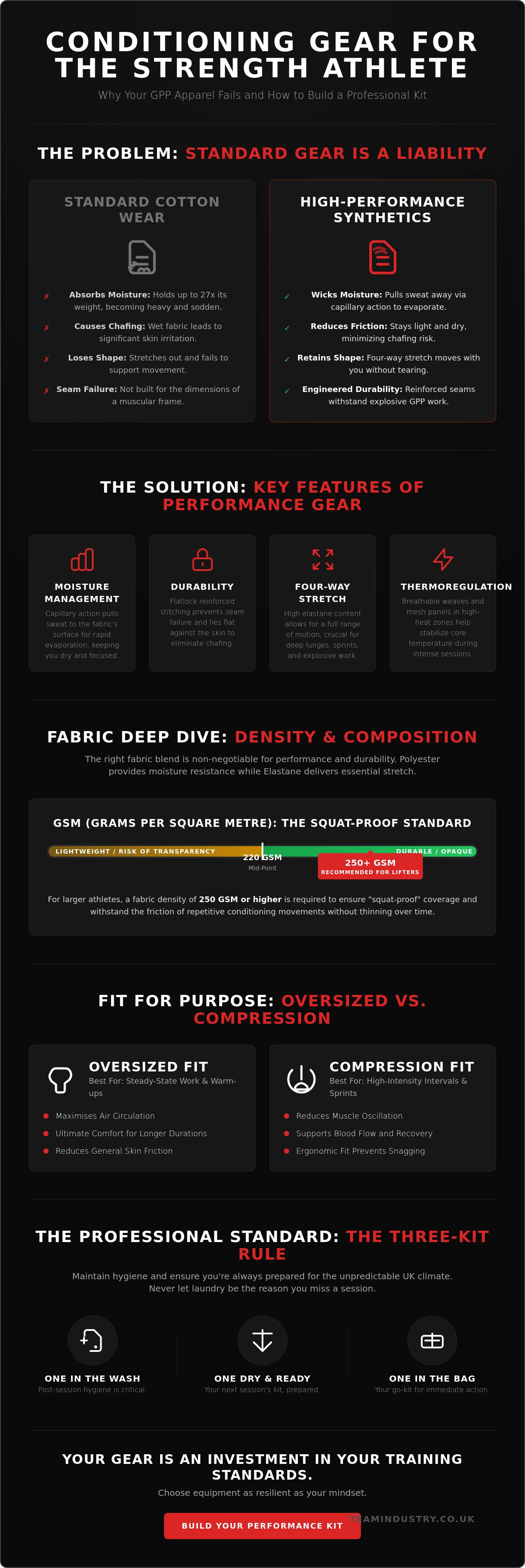
Standard cotton t-shirts are a liability during high-intensity aerobics. Cotton is a hydrophilic fibre, meaning it absorbs moisture and can hold up to 27 times its weight in water. During a vigorous conditioning session, a basic tee becomes a heavy, sodden dead weight that causes significant chafing and skin irritation. Beyond the weight, generic high-street brands often suffer from seam failure. These garments aren't cut for the dimensions of a powerlifter or bodybuilder, leading to rips during explosive movements. For a deeper look at what makes a garment truly performance-ready, you can explore our Men’s Gym Clothes: The Ultimate Guide. Switching to technical blends ensures your kit stays light, dry, and intact through every interval, providing the reliability that Team Industry UK is known for.
Key Features of High-Performance Conditioning Gear
High-performance conditioning requires more than a simple aesthetic choice. For a strength athlete, the technical utility of your kit determines whether you finish your session or stop early due to equipment failure. Effective aerobics apparel must facilitate moisture management through capillary action. This process involves the fabric pulling sweat away from the skin to the outer surface of the garment, where it evaporates quickly. Without this, your clothes become heavy and restrict your movement. To ensure durability, look for flatlock reinforced stitching. Unlike standard overlock seams, flatlock seams lay flat against the skin, which significantly reduces the risk of chafing during high-rep movements like rowing or running.
Thermoregulation is another critical factor for athletes carrying significant muscle mass. Muscular frames generate more heat during high-intensity intervals, making breathable weaves or mesh panelling essential. These features allow for targeted airflow in high-heat zones, such as the underarms and lower back, keeping your core temperature stable. When you choose gear with these technical attributes, you're investing in a system that supports your physiological needs during the most demanding GPP sessions.
Fabric Composition: Synthetics vs. Blends
The standard for conditioning gear is a polyester-elastane blend. Polyester provides the necessary durability and moisture resistance, while elastane offers the four-way stretch required for deep lunges and sprints. When selecting leggings or shorts, pay close attention to the GSM (grams per square metre). A fabric with a GSM of 250 or higher is typically required to ensure "squat-proof" coverage for larger athletes. At Team Industry UK, we maintain strict standards for fabric density in our Industry Performance Leggings, ensuring they withstand the friction of repetitive conditioning work without thinning over time.
The Importance of Ergonomic Fit
An ergonomic, sculpted fit is about more than just showing off your physique; it reduces wind resistance and prevents fabric from snagging on equipment like sled handles or rower rails. Finding the right balance between Oversized Tees vs. Compression is vital for comfort. While compression supports blood flow and reduces muscle oscillation, some athletes prefer a looser fit for steady-state work to improve airflow. Before you start your workout, perform a quick "ride-up" check by doing three deep bodyweight squats. If the waistband shifts significantly, the fit isn't secure enough for high-intensity movement. For gear that remains stable through every rep, browse our complete range of strength gear designed for the professional athlete.
Oversized Tees vs. Compression: Which is Best for Aerobics?
The choice of aerobics apparel for a strength athlete often depends on the specific training stimulus of the day. For Low-Intensity Steady State (LISS) work, such as incline walking or light rowing, your primary goal is heat dissipation and comfort. Scientific research on The Role of Sports Clothing in Thermoregulation suggests that looser garments allow for better convective cooling by increasing air movement over the skin. Conversely, High-Intensity Interval Training (HIIT) or sprinting requires gear that manages muscle oscillation. Compression gear reduces the vibration of muscle tissue during high-impact movements, which helps mitigate fatigue and minor soft tissue strain over hundreds of repetitions.
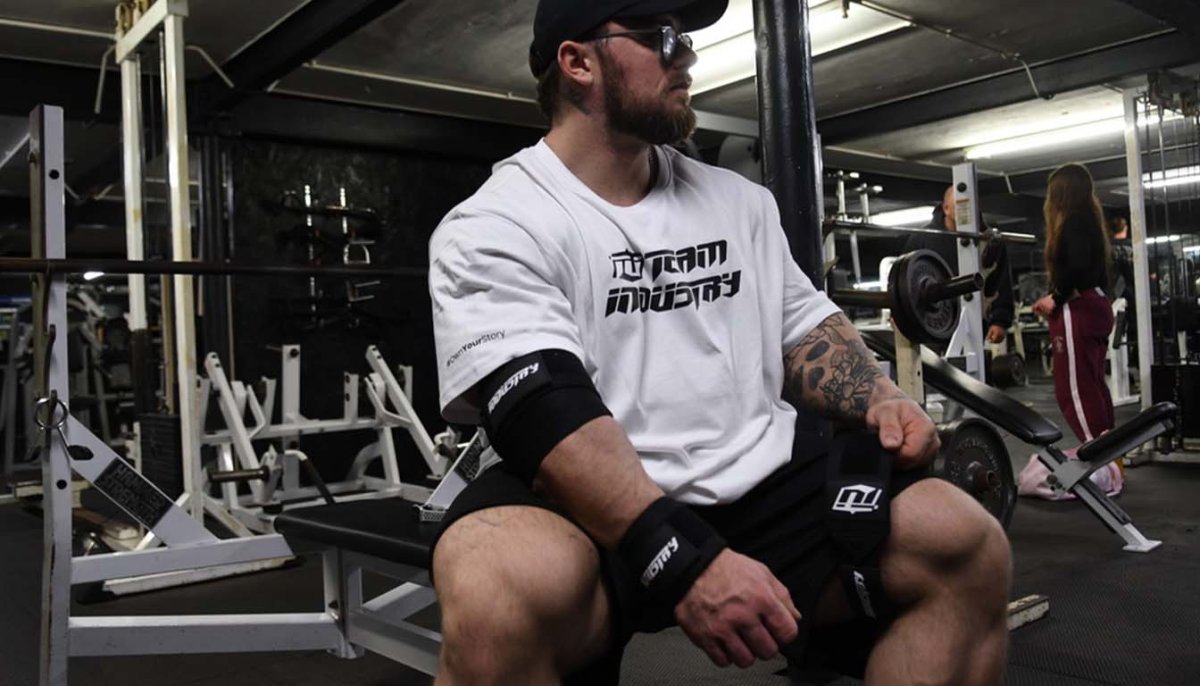
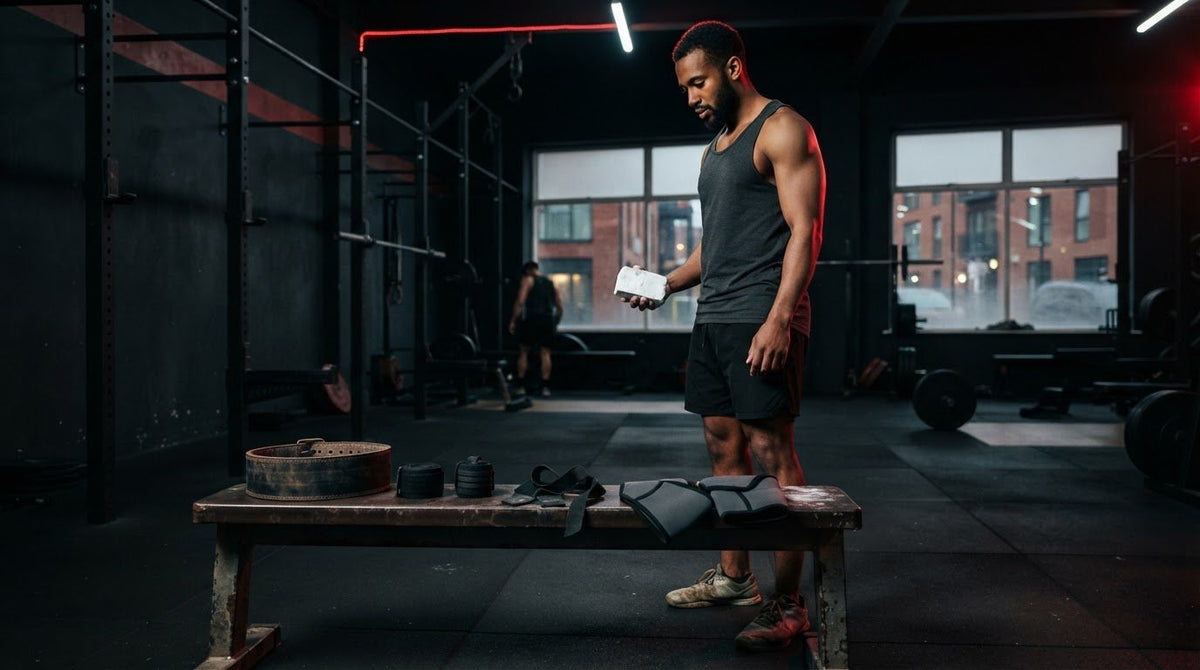
Many lifters transition directly from heavy sets to conditioning, meaning their apparel must work seamlessly with specialized strength gear. A compression top provides a smooth, non-slip surface for weight lifting belts to sit against, preventing the belt from pinching the skin. If you prefer an oversized fit, ensure the fabric is light enough to be tucked or layered without bunching under your belt or interfering with wrist wraps. Choosing the right fit isn't just about performance; there's a psychological benefit to the "pump-cover" aesthetic that allows you to focus on your internal effort rather than your external appearance.
When to Wear the Industry Oversized Tee
The Industry Oversized Tee is a versatile conditioning layer ideal for LISS sessions and comprehensive warm-ups. The oversized cut facilitates lateral movement without restriction by providing ample room through the shoulders and torso during dynamic drills. This fit ensures that as you move through different planes of motion, the fabric doesn't catch or pull against your muscular frame. It's a pragmatic choice for the athlete who values air circulation and a relaxed feel during steady-state recovery sessions.
The Case for Performance Leggings and Shorts
Performance leggings provide essential support for the quads and hamstrings during explosive sprints or sled work. By using Team Industry leggings, you create a protective barrier that reduces friction and prevents "thigh rub" or chafing during high-volume movements. This is particularly important for athletes following a Strongman Training Gear UK protocol, where equipment like sandbags or stones can cause skin abrasions. Our compression options offer the structural integrity needed to stay in place, ensuring you don't have to adjust your kit mid-set. This stability allows you to maintain a high standard of operational excellence throughout your entire conditioning block.
Practical Guidance for Building Your Conditioning Kit
Building a conditioning kit that withstands the grit of year-round training involves more than just picking a colour. UK weather requires a tactical approach to layering. Start with a high-GSM base layer of aerobics apparel to manage moisture directly against the skin. Add a breathable mid-layer for outdoor sessions to maintain core temperature without restricted movement. This prevents the "boil-in-the-bag" effect common with non-technical fabrics. You should also implement the "Three-Kit Rule" to ensure longevity. Keep one kit in your gym bag, one in the wash, and one clean in the drawer. This rotation prevents the accelerated breakdown of elastane fibres caused by daily washing and ensures you're never caught without professional-grade gear.
Footwear is another critical factor. While lifting shoes provide the stability needed for a 200kg squat, their rigid, non-compressible soles are unsuitable for conditioning. Using them for sprints or plyometrics increases the risk of joint stress and shin splints. Switch to a dedicated cross-trainer or running shoe for your aerobic blocks. During these sessions, hydration remains a priority for maintaining output. Keep a Team Industry Shaker Bottle on hand to ensure you're replacing fluids lost through high-intensity intervals. Effective preparation is the hallmark of a committed athlete.
Caring for Technical Fabrics
Maintain the integrity of your gear by following strict washing protocols. Never use fabric softener on moisture-wicking aerobics apparel. Softeners leave a waxy coating on the fibres that blocks the capillary action needed to pull sweat away from your skin. Wash your kit at 30 degrees Celsius to preserve the elasticity of the elastane. High temperatures cause synthetic fibres to become brittle, leading to "baggy" gear that loses its ergonomic fit. When the fabric no longer snaps back to its original shape or retains an odour after washing, it has reached its performance end-of-life and requires replacement.
Integrating Strength Accessories
Hybrid conditioning often requires transitioning between bodyweight movements and loaded carries. Ensure your kit accommodates your accessories without causing interference. If your circuit includes high-rep pulling, using lifting straps prevents grip fatigue from becoming the limiting factor in your aerobic output. You can learn more about this in our guide, Mastering Your Pull: The Ultimate Guide to Lifting Straps. For heavy carries, position your weight lifting belts over high-density fabric to prevent skin pinching. If you use wrist wraps, keep them loose during the aerobic portions of your workout to maintain blood flow. Upgrade your training standards today by exploring our complete range of performance strength gear.
Why Team Industry is the Choice for UK Strength Athletes
Team Industry is built on the foundations of strongman, bodybuilding, and powerlifting. We don't just supply gear; we understand the grit and reality of the industrial-strength world. While the UK athletic apparel market is projected to grow at a CAGR of 9.8% through 2030, much of that growth is driven by fast-fashion trends. Our focus remains on the 63% of UK adults who engage in regular physical activity and require kit that doesn't fail. Choosing the right aerobics apparel shouldn't be a gamble. It should be a calculated decision based on the structural integrity of the garment and the reliability of the brand behind it. We provide a no-nonsense, professional standard for athletes who demand the same efficiency in their clothing that they do in their training.
Our philosophy centers on the concept of the Team. We function as a vital part of the local workforce infrastructure, supporting athletes at every level of the UK scene. This community-driven approach ensures that our products are built by lifters, for lifters. We avoid hyperbolic marketing language, opting instead for clear, honest communication about what our gear can achieve. When you invest in our range, you're partnering with a hardworking specialist dedicated to operational excellence. We are your safe pair of hands in a market often crowded with flimsy alternatives.
The Quality of the Industry Range
Every garment in the Industry range undergoes a rigorous testing process to ensure it handles the friction of heavy conditioning. We test for seam strength, colour fastness, and elastane recovery under high-intensity loads. This pragmatic attitude ensures that your kit remains dependable through hundreds of washes. For gym owners and local teams, we also offer bespoke apparel printing in Surrey. This service allows you to maintain a professional, unified appearance while benefiting from our high-standard technical fabrics. We prioritize quality and compliance in every order, ensuring your Team looks as strong as it performs.
Join the Team: Next Steps
Upgrade your conditioning kit today by browsing our complete All Industry Strength Gear collection. If you're looking for a total overhaul, our bundles provide a seamless way to secure all your essentials at once. Each bundle is curated to provide maximum utility and value, reflecting our commitment to practical, results-oriented solutions. Reliability is the cornerstone of the industrial and fitness sectors alike. Trust Team Industry to provide the aerobics apparel and strength gear you need to maintain your standards. Join the Team and experience the difference that professional-grade conditioning gear makes to your performance.
Elevate Your Conditioning Standards
Success in conditioning requires the same calculated approach as your heaviest sets. You've learned that high-performance aerobics apparel must prioritize technical moisture management and structural integrity to support a strength athlete's frame. Whether you opt for the air circulation of an oversized tee or the targeted support of compression, your gear should be as dependable as your training partner. By implementing the "Three-Kit Rule" and strict washing protocols, you'll ensure your equipment maintains its professional standard over hundreds of training sessions.
Team Industry is a trusted safe pair of hands for the UK's most dedicated lifters. Our range is designed for durability in high-intensity environments and is used by professional UK strongmen and bodybuilders. With twenty-four-seven availability and national UK support, we're here to help you maintain operational excellence. Upgrade your conditioning kit with Team Industry Professional Apparel today. Stay hardworking, stay consistent, and let's keep building the Team together.
Frequently Asked Questions
What is the best fabric for aerobics apparel?
Technical polyester-elastane blends are the industry standard for high-performance conditioning. Polyester provides the necessary moisture resistance to prevent the fabric from becoming heavy, while elastane allows for 4-way stretch. For strength athletes, a fabric weight of at least 250 GSM (grams per square metre) is required to ensure the garment remains squat-proof and durable during repetitive movements. This combination ensures your aerobics apparel maintains its structural integrity through hundreds of high-intensity sessions.
How should aerobics apparel fit a muscular physique?
Your gear should provide a sculpted, ergonomic fit that moves with your body without restricting blood flow. A proper fit prevents fabric from snagging on equipment like rower rails or sled handles. Ensure the waistband remains secure during a deep squat; if it slips, the sizing is incorrect. Team Industry designs kit specifically for the larger dimensions of lifters, ensuring that seams don't fail under the stress of a muscular frame. This professional fit reduces wind resistance and prevents skin irritation during long conditioning blocks.
Can I use my lifting leggings for running or aerobics?
You can use lifting leggings for cardio if they feature technical moisture-wicking properties. However, many lifting-specific leggings are designed for compression and support rather than heat dissipation. If your gear doesn't facilitate capillary action to pull sweat away from the skin, you risk overheating during high-intensity intervals. Dedicated aerobics apparel often includes mesh panelling in high-heat zones to manage core temperature more effectively than standard powerlifting gear. Always check the fabric composition before transitioning from the platform to the track.
How often should I replace my conditioning gear?
Replace your conditioning kit every 6 to 12 months depending on your training frequency. You'll know it's time for an upgrade when the elastane loses its "snap-back" property or the fabric becomes thin in high-friction areas. Persistent odours that remain after a 30-degree wash also indicate that the synthetic fibres have reached their performance end-of-life. Following the "Three-Kit Rule" mentioned earlier in this guide helps extend the lifespan of your investment by reducing the wear and tear on individual garments.
Do I need different aerobics apparel for summer and winter?
UK athletes require a tactical layering system to handle seasonal temperature shifts. During summer, prioritize lightweight garments with high breathability and mesh inserts to maximize airflow. In winter, switch to technical mid-layers that provide thermal protection without the bulk of standard hoodies. This approach ensures you maintain operational excellence regardless of the weather. Our Team recommends using moisture-wicking base layers year-round to prevent sweat from chilling the skin during outdoor winter sessions.
Is compression gear better than loose clothing for cardio?
Compression gear is superior for high-intensity work because it reduces muscle oscillation and supports blood flow. This is particularly beneficial during sprints or plyometrics where impact forces are high. Loose clothing, such as the Industry Oversized Tee, is often better for low-intensity steady-state (LISS) cardio because it facilitates better convective cooling. Your choice should depend on the specific training stimulus of your session. Many athletes find a hybrid approach works best for their conditioning goals.
How do I prevent my gym clothes from smelling after high-intensity sessions?
Wash your gear immediately at 30 degrees Celsius and never use fabric softeners. Softeners leave a waxy residue that traps bacteria and blocks the fabric's ability to wick moisture. For kit that has developed a stubborn scent, a pre-soak in a vinegar-water solution can help break down the oils. Ensuring your clothes dry completely in a well-ventilated area prevents the growth of odour-causing microbes. These simple maintenance steps protect your gear and maintain the high standards of the Team.
Can aerobics apparel help prevent injury during conditioning?
Technical apparel reduces the risk of minor soft tissue strains and skin injuries. Compression garments manage muscle vibration, which can decrease the rate of muscle fatigue during high-volume sessions. Additionally, reinforced seams and high-density fabrics prevent painful chafing that can alter your gait and lead to secondary joint stress. By protecting the skin and supporting the musculature, professional-grade gear allows you to focus entirely on your performance and recovery.
Share:
Premium UK Gym Wear: Choosing High-Performance Apparel for Strength Athletes
The Ultimate Guide to the Adjustable Lever Buckle: Precision Fitting for Powerlifters