

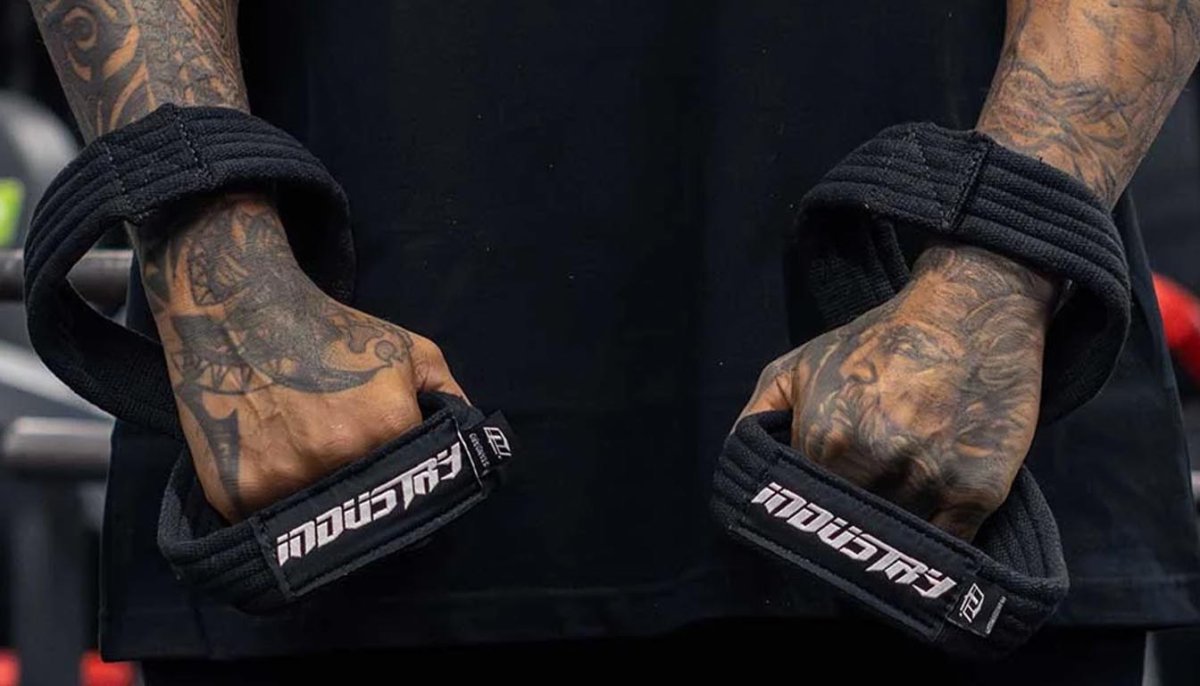
Your grip strength shouldn't be the glass ceiling for your posterior chain development. It is a common frustration for many UK lifters; the bar begins to slip during a heavy top set, or torn calluses force an early end to a session. When your forearms fail before your lats and traps, you are leaving significant gains on the gym floor. Mastering figure 8 lifting straps for deadlifts is a tactical decision to ensure your training intensity matches your physical potential and operational goals.
You likely agree that hitting a new PB feels out of reach when you're constantly fighting the knurling instead of the weight. This article will help you master the mechanics of these straps to unlock heavier pulls and bypass forearm fatigue. We'll walk through the step-by-step setup for standard and axle barbells, explain the strategic use of this gear, and show you how to isolate your back muscles for better growth while maintaining total bar security on every rep.
Key Takeaways
- Learn how figure 8 lifting straps for deadlifts reduce forearm tension, allowing your nervous system to focus on driving power through your lats and glutes.
- Identify the mechanical differences between double-loop and lasso designs to understand why figure 8s are the gold standard for max-effort security.
- Master the "Warm-up Raw, Work-set Strapped" protocol to build natural grip strength while ensuring your back reaches muscular failure first.
- Understand the role of reinforced stitching and high-tensile fabrics in preventing gear failure during pulls exceeding 200kg.
The Biomechanics of Figure 8 Lifting Straps: Beyond the Grip
Figure 8 lifting straps for deadlifts are a specialized, double-loop high-tensile fabric tool designed to anchor your wrists directly to the bar. Unlike traditional lasso straps that wrap around the barbell, this configuration creates a mechanical lock that removes the need for an active, crushing grip during the lift. This isn't just about holding onto the weight; it's about optimizing your deadlift biomechanics by managing the Central Nervous System (CNS) load. When your forearms aren't screaming for survival, your brain can focus on the primary movers.
Reducing forearm tension via Figure 8 Lifting Straps bridges the "Grip-CNS Connection." When the body senses a weak link, the brain often throttles the power output of larger muscles to prevent injury. By securing the bar, you eliminate "grip anxiety," allowing the nervous system to send more potent electrical signals to your lats, glutes, and hamstrings. This results in a more explosive pull and prevents technical breakdown during maximal loads.
To see these mechanics in action, watch this visual guide:
It is important to distinguish between support gear and stability gear. Straps are support tools that assist with grip endurance. In contrast, wrist wraps are stability tools designed to cast the joint and prevent extension during heavy pressing. Understanding this difference ensures you select the right equipment for your operational goals in the gym.
Why Your Grip Fails Before Your Back
There is a massive size disparity between the small muscles of the forearm and the powerful muscles of the posterior chain. During heavy sets, your grip often reaches isometric failure while your back and legs still have significant capacity. This fatigue masks your true strength potential. Using straps ensures that your grip strength isn't the limiting factor for your deadlift progress.
Isolation and Hypertrophy Benefits
For those focused on bodybuilding, figure 8s enable a superior mind-muscle connection. You can focus on "pulling with the elbows" to engage the lats rather than over-relying on the biceps. This shift also acts as a safety measure. Heavy, mixed-grip deadlifts carry a risk of bicep tears. Strapping in allows for a double-overhand grip, keeping the tendons in a safer, neutral position under high tension.
Figure 8 vs. Lasso Straps: Choosing the Right Tool for Deadlifts
Selecting the right gear depends on your training discipline. While lasso straps use a single loop and a tail that wraps around the bar, figure 8 lifting straps for deadlifts utilize a double-loop system. This design physically locks your wrist to the barbell. It creates a connection that is virtually un-slippable, making it the gold standard for max-effort pulls where bar security is the absolute priority. For lifters pushing professional-grade loads, the Team Industry Figure 8 Lifting Straps provide the dependable construction required for high-performance training.
| Feature | Lasso Straps | Figure 8 Straps |
|---|---|---|
| Grip Security | High (requires active grip) | Maximum (mechanical lock) |
| Ease of Release | Fast (instant) | Slower (tethered) |
| Best Use Case | General training, Olympic lifts | Max deadlifts, Axle bars, Shrugs |
The Strongman Advantage: Axle Bars and Shrugs
Standard barbells are 28-29mm, but Strongman training often involves axle bars with a 2-inch diameter. Most lifters can't maintain a double overhand grip on an axle. The double-loop design of figure 8 lifting straps for deadlifts bridges this gap, allowing you to secure the thicker bar without compromise. Similarly, during high-rep heavy shrugs, the bar often rotates, causing the grip to fail before the traps are fully taxed. The mechanical lock of the figure 8 prevents this rotation entirely.
When to Choose Lasso Straps Instead
There are times when a lasso strap is the more pragmatic choice. If your session includes Olympic weightlifting movements or snatch-grip deadlifts, you need the ability to release the bar instantly if a lift goes wrong. Figure 8s keep you tethered to the bar, which can be a safety risk during dynamic movements. In these cases, the Team Industry Classic Lifting Straps offer the necessary versatility for a wider range of movements.
If you are unsure which style fits your current program, you can view our full range of lifting straps to find the right tool for your specific goals.
The Strategic Approach: Using Straps Without Losing Grip Strength
A common objection to using figure 8 lifting straps for deadlifts is the fear of developing weak hands. This perspective often misses the broader reality of training volume. Using straps doesn't inherently diminish your strength; it allows you to handle loads that would otherwise be impossible to hold. By bypassing grip failure, you accumulate more total volume on your posterior chain. Handling heavier weights also conditions your bones and connective tissues. Your nervous system adapts to the tactile sensation of 200kg or 300kg, which makes those weights feel less daunting when you eventually attempt a raw PR.
To maintain your hand strength, adopt a "Warm-up Raw, Work-set Strapped" protocol. Pull every warm-up set without assistance. For these sub-maximal sets, apply Liquid Chalk to build raw friction and hand toughness. You can find this and other essential gym tools in our accessories collection. Only transition to your straps once the weight reaches a point where your grip becomes the primary limiting factor. This ensures you are still getting significant time under tension for your forearms during the earlier parts of your session.
Programming Straps Into Your Routine
Only "strap up" when the bar begins to shift in your palms. This typically occurs during top-set triples, heavy singles, or AMRAP finishers. Using figure 8 lifting straps for deadlifts during these high-intensity efforts ensures your technical form remains consistent. It prevents the hitching or rounded back often seen when a lifter is distracted by a slipping bar. Focus on the pull, not the hold.
Avoiding Over-Reliance
Don't use straps for every exercise in your programme. Keep your warm-up sets and light accessory work raw to ensure daily grip development. If you are concerned about hand strength, include dedicated grip work such as farmers walks or plate pinches at the end of your session. This balanced approach provides the best of both worlds: maximum deadlift progress and a dependable, crushing grip. For gear that survives the heaviest sessions, buy professional-grade strength equipment from our full collection.
Material Science: Why Professional-Grade Construction Matters
The physical reality of a 200kg pull demands more than just grit; it requires equipment that won't fail under tension. When selecting figure 8 lifting straps for deadlifts, the material composition dictates both safety and performance. High-tensile cotton and heavy-duty nylon each offer different levels of friction and "bite" on the barbell. For most UK strength athletes, Team Industry Strength Gear serves as the benchmark for this type of operational excellence. Our designs prioritize reinforced cross-stitching at every stress point to ensure the loops remain intact during max-effort attempts.
Comfort is a functional requirement, not a luxury. High-volume deadlift sessions can cause "strap burn" or deep bruising if the fabric is too abrasive. Professional-grade figure 8 lifting straps for deadlifts often include integrated neoprene padding. This layer protects the skin and allows you to focus entirely on the movement rather than the discomfort of the strap digging into your wrists. This is especially vital when performing AMRAP finishers where the duration of the set increases skin friction.
Cotton vs. Nylon: The Tactile Difference
Heavy-duty cotton is the preferred choice for many lifters because of its natural sweat absorption and superior grip on a knurled barbell. Cotton "bites" into the knurling, creating a secure, non-slip surface that feels grounded. Nylon is incredibly durable but can feel slick against the steel. This often requires a more precise wrapping technique to prevent the bar from rotating. If you train in a humid environment or sweat heavily, cotton provides a more dependable connection.
Longevity and Maintenance
Maintaining your gear is essential for long-term safety. Regularly inspect your straps for any signs of structural weakness, such as:
- Fraying along the edges of the loops.
- Loose or popping threads in the reinforced cross-stitching.
- Thinning of the fabric in the "bite" zone where it touches the bar.
To keep your equipment hygienic, hand wash your straps in cool water with a mild detergent and air dry them. Avoid high heat, as this can degrade the fibres and weaken the tensile strength over time. You can find storage solutions and maintenance tools in our Accessories Collection to keep your kit in top condition for your next session.
Maximise Your Pulling Potential
Success on the platform or in the gym requires a pragmatic approach to equipment. By understanding the biomechanics of the grip-CNS connection, you can ensure that forearm fatigue never dictates the end of a session. You've learned how to balance daily grip development with the mechanical security of a double-loop design. Implementing the "warm-up raw" protocol ensures your hands stay tough while figure 8 lifting straps for deadlifts provide the necessary support for your heaviest work sets. This strategic balance allows for the operational excellence required to hit new personal bests consistently.
Don't let a slipping bar compromise your technical form or posterior chain development. Our gear is built for the grit of high-performance training, featuring professional-grade reinforced cotton canvas and a zero-slip double-loop design. These straps are designed and tested by UK strength athletes to survive max-effort pulls on both standard and axle bars. It's the dependable choice for lifters who value reliability and results. Upgrade your deadlift with Team Industry Figure 8 Lifting Straps today and focus entirely on the weight. Secure your grip, trust your equipment, and keep pulling.
Frequently Asked Questions
Do figure 8 lifting straps make your grip weaker over time?
Lifting straps don't weaken your grip if you use them as a tactical tool for your heaviest sets. By using figure 8 lifting straps for deadlifts, you can accumulate more total training volume on your posterior chain than your grip would otherwise allow. To keep your hand strength sharp, pull your warm-up sets raw and include dedicated grip work, such as plate pinches, at the end of your session.
Are figure 8 straps better than lasso straps for deadlifts?
Figure 8 straps are superior for maximal security because they create a mechanical lock between your wrist and the bar. While lasso straps are versatile for general gym work, the double-loop design of the figure 8 is virtually un-slippable. This makes them the best choice for heavy deadlifts and shrugs where bar security is the priority. Use lasso straps only when you need a quick release, such as during Olympic lifts.
Can I use figure 8 straps on an axle bar?
Yes, figure 8 straps are the ideal choice for 2-inch diameter axle bars. Most lifters can't maintain a secure hold on a thick bar because their hands can't fully wrap around it. The loops on a figure 8 strap bridge this gap, allowing you to anchor yourself to the axle. This setup is a staple in Strongman training for movements like the axle deadlift or wagon wheel pull.
What is the difference between lifting straps and wrist wraps?
Lifting straps are grip aids designed to secure your hands to the bar for pulling movements. They allow you to hold more weight than your forearms can manage alone. Wrist wraps are stability tools used to support the wrist joint during heavy pressing movements. While straps help you pull more weight, wraps prevent your wrists from bending back under a heavy load during a bench or overhead press.
How do I know what size figure 8 lifting strap I need?
Sizing for figure 8 lifting straps for deadlifts is determined by your wrist circumference and the thickness of the bar. Most athletes find that a standard size works for a typical 28mm or 29mm barbell. If you have larger wrists or train specifically with thick axle bars, you might require a larger size. The strap should feel snug but allow enough room to loop over the bar and grip it firmly.
Share:
Heavy Duty Knee Sleeves: The Lifter’s Guide to Maximum Support (2026)
Team Industry UK Review 2026: Is This Professional Strength Gear Worth It?