

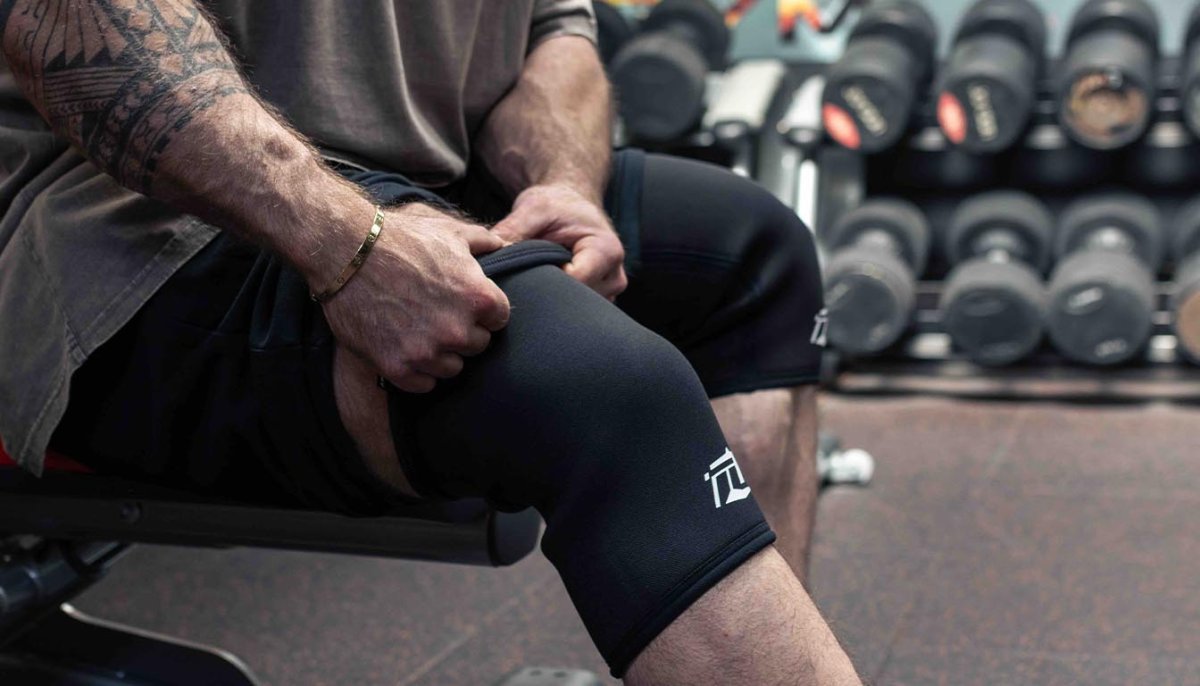
A standard neoprene sleeve is often treated as a comfort item, but true heavy duty knee sleeves function as tactical equipment designed for structural integrity under load. You've likely felt that nagging ache during heavy volume sessions or noticed your current gear sliding down your shins just as you set your stance. It's a common issue when gear isn't built for the grit of a professional platform. You need equipment that stays in place and provides genuine mechanical tension, not just a bit of extra warmth.
It's frustrating when equipment fails right when the load gets serious. This guide will show you how professional-grade support protects your joints and increases your confidence during max-effort squats, deadlifts, and strongman events. We'll break down the technical differences between compression and support, explain why material density matters for durability, and help you select gear that survives high-volume training without losing its snap. Team Industry focuses on providing the dependable tools required for those pushing maximal loads, ensuring your equipment is as reliable as your work ethic.
Key Takeaways
- Understand why high-compression tools are essential for reducing lateral patella movement and maintaining joint integrity under maximal loads.
- Compare the structural stiffness of 7mm neoprene with the aggressive rebound of double-ply materials to determine which heavy duty knee sleeves best suit your lifting style.
- Master the sizing process by measuring both the knee joint and calf to achieve a secure fit that balances elite support with proper blood flow.
- Learn how to combine professional-grade sleeves with other foundational gear to build a reliable equipment setup that survives the grit of high-volume training.
What Defines Heavy Duty Knee Sleeves in Strength Sports?
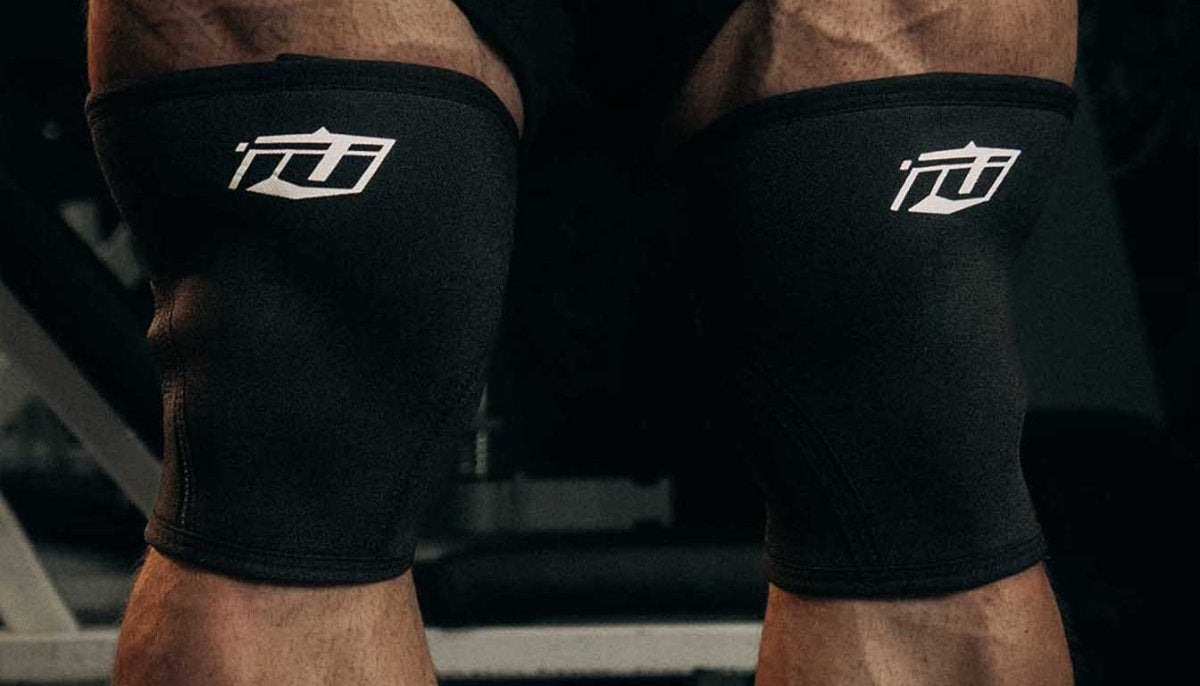
Heavy duty knee sleeves are tactical tools designed for maximal joint stability rather than simple comfort. While standard fitness sleeves offer light compression and basic warmth, heavy duty variants focus on stiff, high-density support. The primary purpose of these sleeves is to reduce the lateral movement of the patella under heavy loads, ensuring the joint tracks correctly during the most demanding phases of a lift. Heavy-duty sleeves are essential for any lifter regularly exceeding 1.5x bodyweight on their back squat.
The Role of Compression and Joint Warmth
Increased blood flow is a primary benefit of high-grade compression. This heat helps reduce mid-session stiffness and aids recovery between sets by keeping the synovial fluid within the joint at an optimal temperature. Beyond warmth, these sleeves provide a significant proprioceptive effect. The constant pressure against the skin helps your brain track joint position with greater precision, which is vital when using supportive equipment in powerlifting. This heightened awareness allows you to maintain better form when fatigue sets in during high-volume sessions.
When to Upgrade from Standard to Heavy Duty
You'll know it's time to upgrade when your current neoprene feels like it's just a layer of fabric rather than a mechanical aid. If you've lost that "pop" out of the hole or find your sleeves bunching behind the knee, you've likely outgrown standard gym gear. Competitive athletes in Strongman and Powerlifting require gear that understands the grit of maximal effort. Switching to professional-grade Heavy Duty Knee Sleeves from Team Industry provides the durability needed for athletes pushing the limits of their physical strength. If you find your current gear slipping or losing its elasticity after a few months of heavy training, it's a clear signal that your performance has surpassed the capabilities of entry-level equipment.
Choosing Your Material: 7mm Neoprene vs. Double-Ply Sleeves
Selecting the right material for your heavy duty knee sleeves depends entirely on your discipline and how you generate force. While both neoprene and double-ply fabrics offer protection, they interact with the joint differently. Neoprene provides a cast-like stiffness, whereas double-ply offers a dynamic rebound. Choosing between them requires an understanding of how your body moves under maximal load.
Neoprene: The Powerlifting Standard
High-density 7mm neoprene is the benchmark for competition-spec squats. It delivers uniform compression around the entire joint, which is supported by a scientific study on knee biomechanics showing how external support can influence lift efficiency. Heavy duty neoprene models feature reinforced seams to prevent splitting when you're at the bottom of a heavy rep. This material excels at holding heat, making it the preferred choice for athletes who need a consistent, rigid feel throughout their session.
Double-Ply: The Strongman Favourite
Double-ply sleeves utilize a heavy-duty blend of polyester and elastic, creating an aggressive "spring" effect at the bottom of the movement. This material is often preferred by strongman competitors for dynamic events like the Log Press or heavy carries. Unlike neoprene, double-ply fabric is highly breathable, which prevents excessive moisture buildup during high-rep accessory work.
Durability is another factor to consider. Neoprene is susceptible to tearing if it catches on the knurling of a barbell during deadlifts or the rough surface of an Atlas stone. Double-ply fabric tends to handle this abrasive friction with more resilience. For those seeking professional-grade options that withstand the grit of daily training, exploring the Team Industry joint support collection ensures you have gear built for operational excellence. Finding the right balance between stiffness and rebound in your heavy duty knee sleeves will ultimately determine your confidence under the bar.
Practical Guidance: Sizing, Application, and Maintenance
Proper fit is the foundation of effective support. To find your size, measure around the center of your knee joint and the widest part of your calf using a flexible tape while your leg is straight. If you fall between sizes, the standard choice is to size up for a balance of support and comfort. Competitive lifters often choose to "size down" to achieve maximum mechanical tension. While this provides a tighter cast-like feel, it risks restricted circulation if worn for too long. Limit the use of undersized sleeves to your heaviest sets to maintain operational safety.
How to Put On Stiff Heavy Duty Sleeves
Applying heavy duty knee sleeves shouldn't be a workout that drains your energy before a set. Use the "Fold-Over" method to slide them into position efficiently:
- Turn the sleeve inside out and fold the bottom half up over the top half.
- Pull the folded sleeve onto your calf until the bottom edge sits just below your knee.
- Grip the top edge and unroll the sleeve upward over your thigh.
If the material is exceptionally stiff, wearing long deadlift socks or sliding a thin plastic bag over your foot reduces friction. This allows the sleeve to glide over the heel and calf without excessive pulling.
Caring for Your Gear to Ensure Longevity
Reliable gear requires a consistent maintenance routine. Sweat and bacteria degrade neoprene and elastic fibers, leading to the dreaded "gym bag smell" and a loss of elasticity. Use a "soak and air dry" method to preserve your equipment. Submerge your sleeves in cool water with a mild detergent, rinse thoroughly, and allow them to air dry completely in a well-ventilated area. Never machine dry your sleeves. High heat destroys the structural integrity of the material, which eventually ruins the rebound effect you rely on for heavy squats. For further details on professional equipment standards, consult Team Industry UK. Ensuring your gear is clean and dry before each session is a simple way to maintain the high-standard performance required for maximal loads. Explore the full range of Heavy Duty Knee Sleeves to find the right fit for your training cycle.
Optimising Your Training with Team Industry Heavy Duty Gear
Choosing professional equipment is about building a system that holds up when the weight gets heavy. Team Industry Heavy Duty Knee Sleeves function as the bridge between basic joint comfort and the elite performance required for maximal attempts. When your lower body is stabilized, you can focus entirely on the execution of the lift. This stability works best when integrated with other foundational gear, such as our weight lifting belts, to create a secure environment for your spine and joints during heavy compound movements.
Reliability isn't just about the fabric; it's about the expertise behind the design. We invite you to visit the Team Industry shop in Wormley to try on gear and receive expert advice from active lifters who understand the grit of a high-volume training cycle. Supporting a brand that actively invests in the UK strength community ensures that the gear you use is tested in the same environments where you compete. This local expertise allows us to provide tailored service that generic online retailers cannot match.
The Team Industry Advantage
Our design philosophy is pragmatic and no-nonsense. We focus on the durability of materials that withstand the unique stresses of Strongman training, such as the abrasive friction from stone loads or the high-impact nature of moving events. These heavy duty knee sleeves are built to maintain their structural integrity long after entry-level alternatives have lost their tension. We prioritize functional results over hyperbolic marketing, ensuring every seam and stitch serves a purpose on the platform.
Join the Community
Operational excellence is a collective effort. Follow Team Industry for the latest training tips, equipment updates, and strength event news across the UK. We are committed to providing the tools you need to reach your next milestone with confidence. Stay connected with a community that values hard work and dependable equipment.
Upgrade your joint support with Team Industry Heavy Duty Knee Sleeves and experience the difference that professional-grade equipment makes in your training.
Strengthen Your Foundation for Maximum Load
Selecting the right equipment is a pragmatic decision that directly impacts your longevity in strength sports. You've learned that heavy duty knee sleeves are tactical assets designed to provide structural stability and essential patella tracking during high-volume training. By choosing materials that align with your specific discipline and maintaining them with care, you ensure your gear performs as hard as you do. Consistent support allows you to focus on the technical execution of your lift rather than joint discomfort.
Team Industry offers professional-grade gear tested by strongmen to survive the reality of heavy lifting. Our sleeves feature reinforced stitching for maximum durability, providing the reliability required when you're pushing for a new personal best. We provide national UK shipping on all strength gear, ensuring you have access to expert-level support wherever you train. Our commitment to operational excellence means you receive equipment built for the grit of the platform.
Shop Team Industry Heavy Duty Knee Sleeves for Maximum Support
It's time to step onto the platform with equipment you can trust. Stay consistent, keep the intensity high, and we'll see you at the next event.
Frequently Asked Questions
Should I buy 5mm or 7mm knee sleeves for heavy lifting?
Choose 7mm sleeves for heavy lifting and powerlifting. The 7mm thickness provides the structural stiffness required to stabilize the joint under maximal loads; whereas 5mm sleeves are designed for agility and functional fitness. If your training focuses on heavy squats and strongman events, the increased compression of a thicker sleeve is essential for performance.
How tight should my heavy duty knee sleeves be?
Your sleeves should feel like a firm, supportive cast around the joint without cutting off circulation. You'll know the fit is correct if the sleeve stays in place during a full set but requires some effort to slide over the calf. If you experience tingling or numbness in your feet, the sleeves are too small and require a size increase for operational safety.
Can I use knee sleeves for every workout or just heavy days?
Reserve heavy duty knee sleeves for your primary lifting days or top-effort sets. While they provide excellent support, using them for every light accessory session can lead to a psychological dependency on the gear. It's better to let your joints move unassisted during warm-ups to maintain natural proprioception before adding the compression of professional gear.
What is the difference between knee sleeves and knee wraps?
Knee sleeves are pull-on tubes that provide constant compression and warmth throughout a session. Weight lifting knee wraps are long strips of elastic material that you wrap tightly around the joint specifically for a single heavy lift. Wraps offer more mechanical rebound but are less practical for general training compared to the consistent support of a sleeve.
How do I stop my knee sleeves from smelling?
Turn your sleeves inside out immediately after every session to allow moisture to evaporate. This simple step prevents bacteria from settling into the fabric fibers. Wash them once a month using a mild detergent and always air dry them in a well-ventilated area. Never leave damp gear at the bottom of a gym bag, as this environment quickly destroys the material's integrity.
Share:
Leg Day Gym Leggings: Performance Guide for Athletes
Mastering Figure 8 Lifting Straps for Deadlifts