

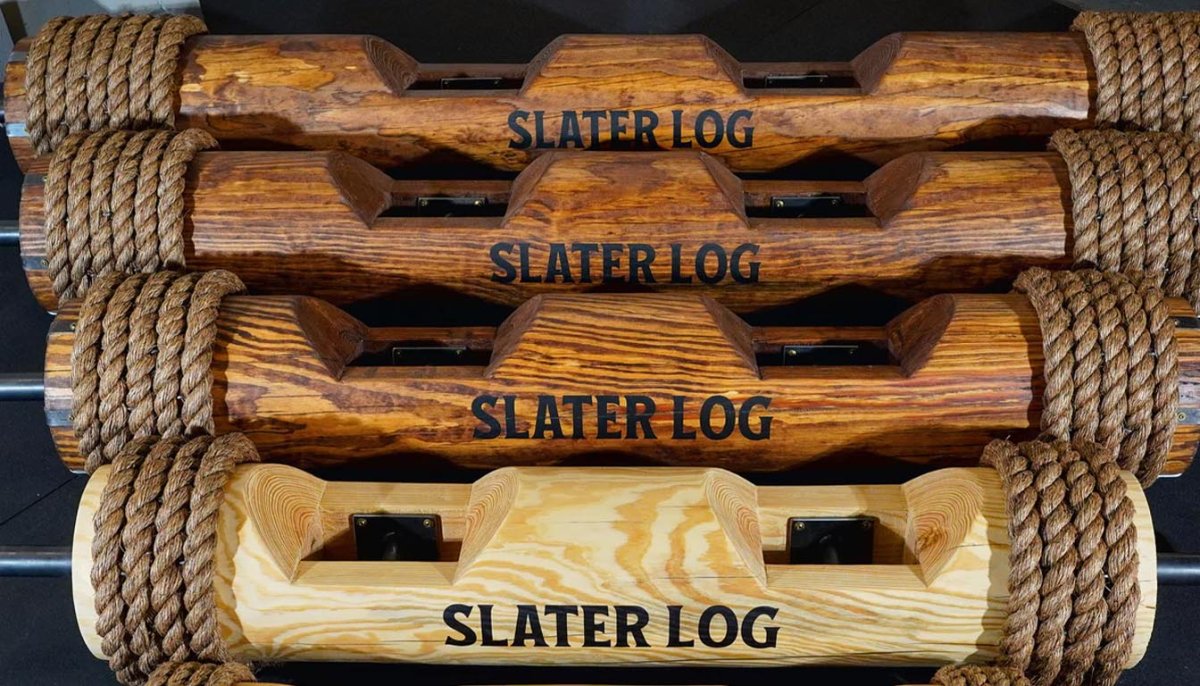
The log press is a game of leverage, not just raw power. If you've ever felt the log roll away during a clean or dealt with nagging wrist pain from the neutral handles, you know this lift demands more than just brute strength. It's a common struggle for those moving from a standard barbell to the awkward, oversized dimensions of strongman equipment. Mastering the log press technique for beginners requires a shift in how you think about overhead stability and midline tension.
We understand the grit required to move heavy weight safely. This guide provides a step-by-step breakdown to help you achieve your first successful clean and press while avoiding the lower back strain that often plagues the transition phase. You'll learn the mechanical differences between the log and a standard press, ensuring every rep is efficient and stable. We'll also discuss how selecting the right support gear provides the necessary stability for high-standard operations in the gym. From the initial lap to the final lockout, this grounded approach builds the foundational strength you need to excel.
Key Takeaways
- Understand the mechanical advantages of the neutral grip to improve shoulder safety and overhead stability compared to standard barbell pressing.
- Master the log press technique for beginners by perfecting the lap and roll method to clean the weight with maximum efficiency and minimal back strain.
- Learn to coordinate explosive leg drive with proper core bracing to transition the log from the rack position to a full lockout.
- Discover how a Team Industry Lifting Belt provides the essential physical shelf needed to support the log during the lap phase.
- Identify the importance of using Wrist Wraps to manage the specific torque and pressure created by the log's internal handles.
Understanding the Log: Why it Differs from Barbell Pressing
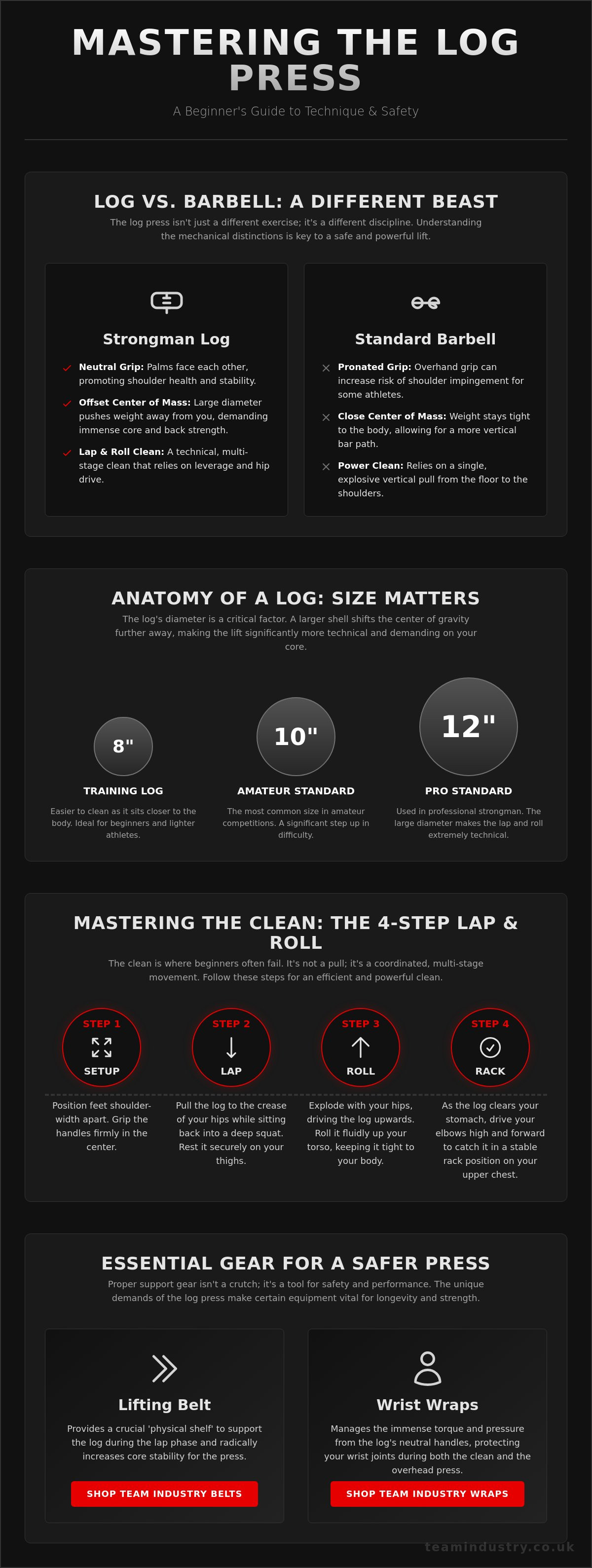
The log press is a multi-stage lift that defines much of what is strongman. Unlike a standard barbell press, this movement requires you to clean the implement from the floor to your chest before driving it overhead. It's a test of total body coordination and raw power. Learning the log press technique for beginners starts with understanding that the equipment itself dictates your movement patterns. The clean phase is not a standard power clean; it's a deliberate lap and roll that requires you to sit deep into a squat, resting the log on your thighs. This mechanical difference is why many barbell specialists struggle initially. You aren't just pulling; you're coordinating a complex transition.
The most obvious difference is the diameter of the log. Because the shell is much wider than a barbell, the weight sits further away from your center of mass. This placement forces your back and core to work harder just to keep the log from pulling you forward. Beginners should always start with an empty log to master the bar path before adding plates. Investing in high-quality strength gear early on ensures you have the support needed as the weight increases and the lift becomes more demanding.
To better understand this concept, watch this helpful video:
The Neutral Grip Advantage
Log handles are set inside the shell, forcing a neutral grip where your palms face each other. This position is a significant benefit for shoulder health. It opens up the subacromial space, which reduces the risk of shoulder impingement often found in wide-grip barbell pressing. When you grab the handles, think of it as a firm hand-shaking position. This alignment provides maximum stability and allows you to transfer force more directly through your wrists. This neutral position also allows for a natural elbows-in tuck during the press, creating a stronger platform for the triceps to engage.
Anatomy of a Strongman Log
A standard log consists of a large steel or wood shell, internal handles, and loading pins at each end. The difficulty of the lift often depends on the diameter of the shell. Common sizes include:
- 8-inch logs: Often used for training or by lighter athletes; these are easier to clean because they sit closer to the body.
- 10-inch logs: The standard for many amateur competitions.
- 12-inch logs: The professional standard; the large diameter makes the lap and roll phase much more technical.
Mastering the log press technique for beginners involves respecting these physical dimensions. A 12-inch log will feel significantly heavier than a 10-inch log of the same weight because the center of gravity is shifted further away from your torso. Focus on keeping the log tight to your body during every phase of the lift to maintain balance.
Mastering the Log Clean: The Lap and Roll Technique
The clean phase is often where the log press technique for beginners falls apart. Unlike a barbell clean that relies on a vertical pull, the log requires a multi-stage "lap and roll" movement. Success starts with a proper setup. Position your feet slightly wider than shoulder-width and ensure the handles are perfectly centered. When you pull the log, don't aim for your shoulders. Instead, pull the implement into the crease of your hips while sitting back into a deep squat. This is the lap position. It's a brief moment of controlled stability where you prepare for the most technical part of the lift.
The roll is an explosive transition. You must use your hips to drive the log up your chest. It's a fluid rotation rather than a pull. As the log moves, keep it tight to your torso. If the weight drifts away, the leverage will pull you forward and break your balance. A comprehensive Log Clean and Press 101 breakdown confirms that momentum is your best friend here. Once the log reaches your upper chest, transition into the rack position by driving your elbows high and keeping your gaze forward. This creates a stable base for the press.
Common Clean Mistakes for Beginners
The most frequent error is attempting to bicep curl the log. This puts immense strain on the tendons and usually results in the log stalling mid-chest. Your arms are merely hooks; the power comes from your posterior chain. Another common pitfall is letting the log roll down the thighs. Keep the implement tucked into the hip crease. Using a Team Industry Lifting Belt provides a firm physical ledge that helps secure the log during the lap phase, preventing it from slipping as you prepare to drive.
The Importance of High Elbows
Elbow height is the primary factor in rack stability. If your elbows drop, the log will roll forward off your chest. Aim to point your elbows toward the wall in front of you. The "shelf" is the foundational platform formed by your upper chest and shoulders that supports the log before the overhead drive. Maintaining this shelf requires significant upper back tension and a proud chest. Without high elbows, you lose the mechanical advantage needed to initiate a powerful press.
The Overhead Press: Dip, Drive, and Lockout
Transitioning from the rack to the overhead drive is a critical phase in the log press technique for beginners. Once you've established the high-elbow shelf, take a deep breath and brace your core as if you're about to take a hit. This internal pressure creates the stability needed to transfer force from the ground to the log. Don't rush the press. Ensure your feet are firmly planted and your weight is distributed through your mid-foot. The log's diameter means the weight naturally wants to pull you forward, so maintaining a rigid midline is your first line of defense.
The dip and drive phase is designed to overcome the log's initial inertia. Unlike a barbell, the log's center of gravity is slightly in front of you. As you initiate the press, push the log slightly back toward your ears. This ensures the weight stays over your center of gravity rather than drifting out in front. As the log clears your face, push your head through the "window" created by your arms. This cue is vital for balance. It shifts the weight from your shoulders onto your skeletal structure, allowing for a more stable finish.
Leg Drive Mechanics
While a strict press builds raw shoulder strength, most strongman events favor the push press. An explosive leg drive allows you to move significantly more weight. The key is a short, sharp dip. A deep squat often leads to a loss of tension and causes the log to tilt. Think of your legs as springs. A two to three inch dip followed by an immediate, aggressive drive is more effective than a slow, deep movement. This rapid transition provides the momentum needed to get the log through the difficult middle portion of the lift.
Securing the Lockout
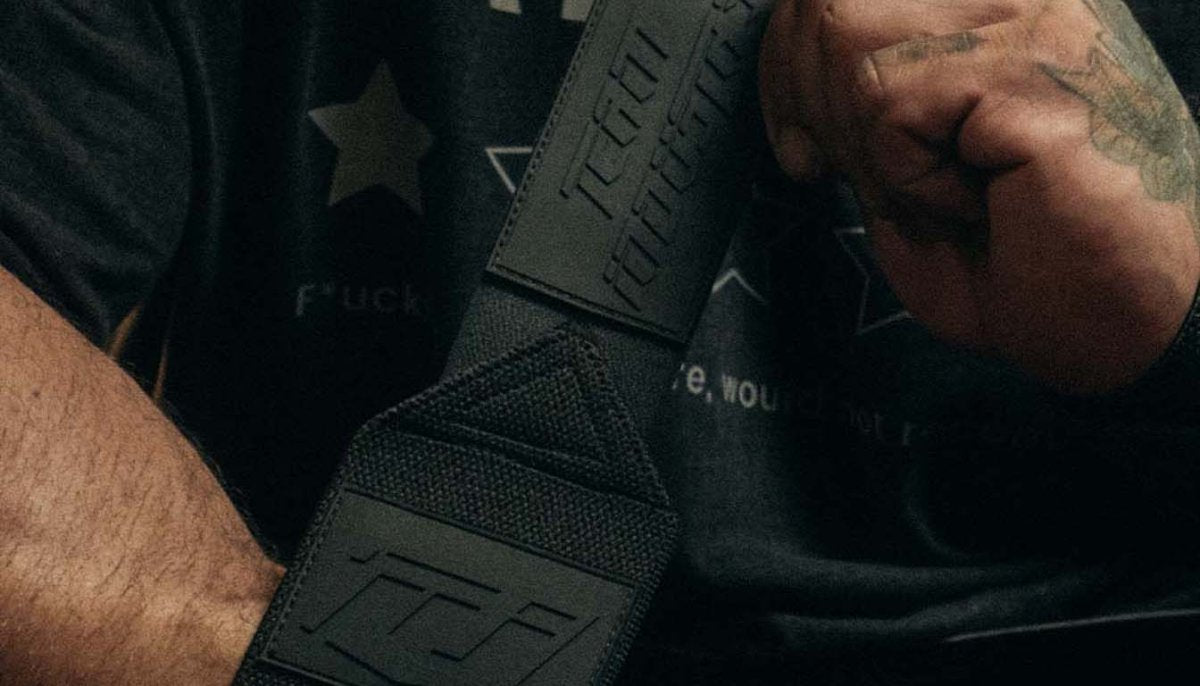
The lockout is where the triceps and upper back provide final stability. In a competitive or training setting, a "soft lock" with bent elbows is a technical failure and a safety risk. Lock your elbows out completely and hold the position until you've gained full control. This prevents the log from oscillating and ensures your safety during the descent. For better control during the most intense part of the lift, secure your joints with Industry Wrist Wraps to manage the heavy torque of the neutral handles.
Essential Gear and Safety for Beginner Log Pressing
Gear choice represents an operational decision rather than just a comfort preference. A Team Industry Lifting Belt is essential for the lap phase of the lift. While many athletes use belts for lower back support, in strongman, the belt functions as a mechanical pivot point. It creates a physical shelf that prevents the log from sliding down your thighs as you sit back into the lap. This stability allows you to focus on the explosive roll rather than fighting to keep the implement from slipping. Proper gear integration is a hallmark of the log press technique for beginners who want to move weight efficiently.
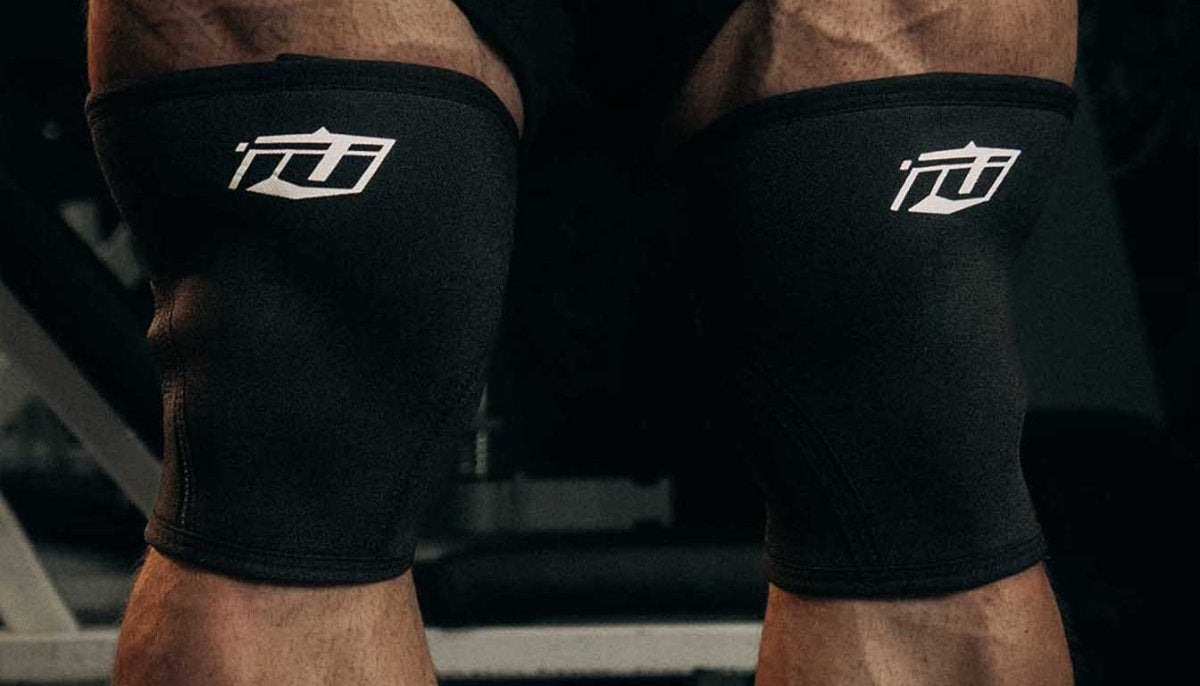
Wrist health is equally critical due to the neutral grip. This handle placement creates a specific torque that can strain the small joints of the wrist if left unsupported. High-quality Wrist Wraps handle this load by keeping the wrist in a neutral, stacked position. Similarly, Heavy Duty Knee Sleeves provide necessary compression and a slight rebound during the dip and drive phase. This extra tension helps you maintain stability and power when overcoming the log's initial inertia. Safety remains the top priority; if a lift fails, push the log away from your body immediately. Never try to catch a failing log or guide it down to your chest, as the awkward diameter can cause significant injury.
Supporting the Midsection
A 10mm or 13mm lever belt is the industry standard for creating the intra-abdominal pressure required for heavy cleans. This pressure acts as an internal brace, keeping your spine neutral as the log pulls your center of gravity forward. Using a lever system allows for quick adjustments between the clean and the press phases. For a deeper breakdown of equipment standards, consult our guide on Strongman Training Gear UK to ensure your kit meets competition requirements.
Wrist and Elbow Stability
Proper wrapping prevents the log from rolling back and straining the tendons during the press. This stability ensures that the force you generate in your legs travels directly through the log. While mastering the log press technique for beginners, don't neglect accessory movements. We suggest using Industry Classic Lifting Straps for log rows or deadlift variations. Building a powerful upper back through these movements provides the foundational strength needed to maintain a high-elbow rack position during the main lift.
Build Your Strength on a Solid Foundation
Mastering the log press technique for beginners requires patience and a commitment to mechanical efficiency. You've learned that the lap and roll phase is the engine of the lift, and that maintaining high elbows creates the necessary shelf for a powerful overhead drive. By prioritizing these technical cues over raw weight, you ensure long-term progress and reduce the risk of common injuries like lower back strain or wrist fatigue. Success in this iconic strongman lift isn't just about how much you can press; it's about how well you control the implement from the floor to the final lockout.
We provide grounded expertise from the heart of the UK lifting community to help you reach your goals. Our professional-grade 13mm lever belts and supportive wraps are trusted by UK strength athletes who demand reliability in every session. Having the right kit allows you to focus entirely on your form and power. Equip your strongman journey with professional-grade Industry Strength Gear and start building the foundational strength you need to excel. Stay consistent, keep your technique sharp, and the numbers will follow.
Frequently Asked Questions
Is the log press harder than the barbell overhead press?
The log press is generally more difficult than the barbell overhead press because the log's wide diameter shifts the weight further away from your body. This displacement challenges your center of gravity and requires significant core stability to keep the implement from pulling you forward. Additionally, the log requires a technical clean phase before you can initiate the press, making it a more complex multi-stage movement that tests total body coordination.
What size log should a beginner start with?
Beginners should ideally start with an 8-inch or 10-inch diameter log to master the basic movement patterns. These smaller sizes are easier to lap and roll compared to the 12-inch competition standard. Many beginner-friendly logs have starting weights ranging from 54 lbs to 90 lbs. Perfecting the log press technique for beginners with a lighter, manageable implement ensures you build the necessary technical foundation before adding heavy plates to the loading pins.
Do I need a special belt for log pressing?
You don't need a specific strongman-only belt, but a high-quality Team Industry Lifting Belt is highly recommended for its structural rigidity. A 10mm or 13mm lever belt provides a firm physical ledge that helps secure the log during the lap phase. This prevents the implement from slipping down your thighs and ensures you can maintain maximum intra-abdominal pressure during the transition from the rack to the overhead drive.
How often should I train the log press as a beginner?
Training the log press once a week is sufficient for most beginners to build technical proficiency without overtaxing the central nervous system. Because the lift is demanding on the shoulders and small joints, recovery is just as important as the training itself. Use your primary session to focus on the log press technique for beginners; then supplement with accessory movements like strict barbell presses or rows to build the supporting strength required for the rack position.
Can I log press if I have previous shoulder injuries?
The neutral grip of the log is often more comfortable for lifters with previous shoulder issues because it opens the subacromial space and reduces impingement. However, you should always consult a medical professional before attempting heavy overhead work. If cleared for training, use Wrist Wraps to provide extra stability and start with a very light implement to ensure your range of motion is pain-free throughout the entire movement.

Share:
How to Train for Atlas Stones: The Ultimate Strongman Guide 2026
Essential Gear for Bodybuilding Competition Day: The Ultimate Show Day Checklist (2026)