

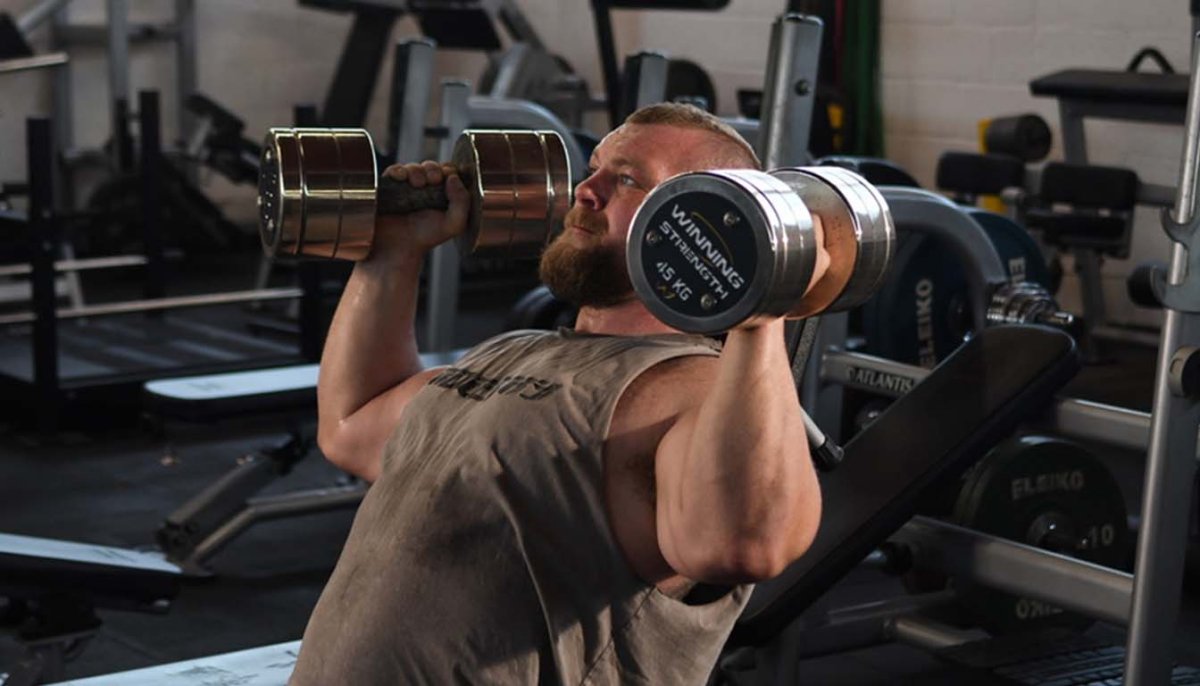
What if wrist wraps make overhead pressing feel steadier, but aren’t the answer to every uncomfortable rep? If your wrists feel strained or keep extending backwards under the bar, wrist wraps for overhead press may offer useful external support. They can help you find a more comfortable position, but they won’t correct your setup, replace sound technique or build shoulder strength for you.
The key is knowing when support helps and when it may be masking a problem. This guide explains what wraps can and can’t do during overhead pressing, how to position and tighten them without restricting your hand, and how to check the fit before a set. You’ll also learn how wrap length affects coverage and movement, when wraps may suit your working sets, and when to ease off and reassess your wrist position, grip or bar path. Use these practical checks to decide whether wraps belong in your session instead of relying on them for every press.
Key Takeaways
- Wrist wraps for overhead press are optional wrist support, not a substitute for pressing technique or shoulder training.
- Position and secure the wrap as intended, then check that your wrist feels supported without uncomfortable tightness.
- Choose wrap length based on the coverage and movement you prefer; no single length suits every lifter.
- Compare total lengths when choosing: 16-, 24-, and 30-inch fabric lengths measure 20, 28, and 34 inches including the Velcro.
Wrist wraps for overhead press: what they support, and what they do not
Wrist wraps for overhead press are an optional support accessory. They sit around the wrist and can change how supported it feels while you press, but they don’t perform the lift, correct your technique or directly build shoulder muscle. A wrist wrap is an adjustable strip of material secured around the wrist to provide external support during training. For a general overview of how a wrist brace supports the wrist, see the linked reference.
Don’t confuse wraps with lifting straps. Wraps go around the wrist; lifting straps connect the hand to a bar or handle to assist grip, primarily during pulling movements such as rows or deadlifts. They serve different purposes, so straps aren’t a substitute for wrist support when pressing.
Why wrist position matters during an overhead press
A controlled position helps keep the bar sitting over your forearm rather than tipping far behind or in front of your wrist. Think of the bar, wrist and forearm as staying reasonably stacked as you press, without forcing a single exact wrist angle. Hand size, grip and comfort can affect what feels natural. If the bar repeatedly shifts or your wrist folds back, reduce the load and review your setup before relying on a wrap.
Do wrist wraps make overhead pressing safer or stronger?
A secure wrap may make the wrist feel more supported, but that sensation isn’t proof of injury prevention or a guarantee of heavier lifts. Your progress still depends on training and sound technique. If the fit feels restrictive, loosen or remove the wrap rather than pressing through discomfort. Stop training and seek assessment from a qualified health professional if wrist pain persists, worsens or affects daily activity.
If you want to compare wrist coverage and length, Team Industry wrist wraps come in different lengths. Choose support for comfort, not as a way to mask pain or an unstable pressing position.
How wrist wraps work during overhead pressing
During an overhead press, a wrap adds an adjustable layer around the wrist. By changing how firmly that area feels held, it may make a particular grip and bar position more comfortable for some lifters. The effect is personal: a secure fit can feel supportive, while excessive tightness can feel distracting or uncomfortable. A wrap should never cause numbness, tingling or pain.
Wraps support the wrist externally; your shoulders, arms and other working muscles produce the press. They don’t replace shoulder strength, sound pressing technique or a load you can control. If your position breaks down, reduce the weight and review the movement rather than tightening the wrap to compensate.
Wrist wraps versus bare-wrist pressing
Pressing without wraps keeps the wrist free of an added layer and may feel more natural during lighter work or for lifters who prefer unrestricted movement. A wrap can be useful when you prefer a more supported sensation for particular sets. Neither option is a requirement. Try both with a manageable load, then judge comfort and control across your own training rather than copying another lifter’s setup.
Wrist wraps versus wrist straps
These accessories do different jobs. Wrist wraps go around the wrist to adjust its support; lifting straps help connect your grip to a bar or handle, commonly during pulling exercises. A strap won’t provide the same wrist coverage during a press. For more on their role in pulling work, see this guide to lifting straps.
For overhead pressing, consider wraps only if their feel suits your set and doesn’t interfere with your grip or bar control. Team Industry wrist wraps come in several lengths, so you can compare the available coverage and choose what feels suitable for your training.
How to wear wrist wraps for overhead press: a practical checklist
Apply wrist wraps for overhead press before loading the bar, then test the fit while moving through a light set. The wrap should feel secure without interfering with your grip or comfort. Follow the product’s intended wrapping direction and make sure the closure stays fastened as you move.
- Position the wrap. Place it around your wrist as directed for that product, keeping the material flat rather than twisted or bunched.
- Secure it. Wrap it firmly enough to stay in place, then fasten the closure. Don’t pull so tightly that it pinches or feels restrictive.
- Check it under movement. With a manageable warm-up load, grip the bar and press through a controlled rep. Notice whether the wrap stays put and feels comfortable.
- Adjust before working sets. If the wrap shifts, feels too tight or affects your grip, reset it or take it off before adding weight.
How tight should wrist wraps feel?
Aim for secure, not constricting. You should be able to grip the bar comfortably, with no pain, tingling or numbness. If any of these occur, stop, loosen or remove the wrap and check that the closure and material aren’t pressing uncomfortably against your wrist. Don’t treat discomfort as something to push through.
When to wear wraps and when to reassess
Try the wraps during manageable warm-up sets first. This gives you a chance to adjust them before harder work, without making your first test under a challenging load. If wrist discomfort continues without wraps, or remains after you change the fit, pause pressing and review your setup and technique. Seek appropriate professional guidance for persistent symptoms.
Controlled practice matters across pressing movements, though each lift has its own setup. The bench press technique guide covers a related movement, not a replacement for overhead-press cues. For adjustable wrist coverage, explore Team Industry wrist wraps.
Choosing wrist wraps for overhead press: length, fit, and a suitable option
Choosing wrist wraps for overhead press comes down to how much material you prefer around your wrist and how the wrap feels once secured. A longer wrap gives you more material to wind around the joint. That can change the coverage and feel, but it doesn’t make one length right for every lifter. Consider your comfort, wrapping preference and the fit you tested during lighter sets.
Which wrist-wrap length should you choose?
Team Industry wraps are available in three fabric lengths. The 16-inch option has 20 inches of total length including four inches of Velcro; the 24-inch option totals 28 inches; and the 30-inch option totals 34 inches. A shorter length means less material to wind around your wrist, while a longer one gives you more to work with. Compare the coverage and application feel you prefer rather than assuming longer is automatically better.
What comes with Team Industry Wrist Wraps?
Each selected colour and length includes one pair. The wraps use three-inch-wide material with a two-inch Velcro closure and have no thumb loop. These details can help you compare dimensions and application style before choosing. For example, the 16-inch Team Industry Wrist Wraps provide a shorter fabric length to consider if you prefer less material around the wrist.
Before deciding, compare the listed lengths with how you like to position and secure a wrap. Then use a manageable set to assess comfort and whether the material stays in place without feeling restrictive. You can compare the wrist wrap range and choose the length that best matches your preferred coverage and application feel.
Make wrist support a considered part of your training
Let your next few sessions guide your decision. Notice whether a wrap feels comfortable and stays out of the way, or whether you prefer pressing without one. If wrist discomfort continues, don’t use equipment to work around it; pause and seek appropriate professional guidance. A useful accessory should fit your training, not distract from controlled practice.
If you’re considering a pair, Team Industry wrist wraps include a 30-day return option and money-back promise. Review the product details and choose the option that suits your preferences before adding wraps to your routine.
Explore Team Industry wrist wraps and take a practical next step towards finding a comfortable setup for wrist wraps for overhead press. Keep your focus on steady technique, listen to your body and build your pressing practice at a pace that works for you.
Frequently Asked Questions
Do wrist wraps help with overhead press?
Yes, wrist wraps for overhead press may help some lifters feel more supported at the wrist, though the effect depends on preference and a comfortable fit. If your wrists feel unsettled during a controlled set, try wraps at a manageable load and compare how the movement feels. They don’t replace sound technique or shoulder training, and they can’t promise injury prevention or added strength.
Should I use wrist wraps for every overhead press set?
No, wraps are optional rather than essential for every lifter or set. You might wear them only for sets where you prefer extra wrist support, while leaving other sets unwrapped if that feels better. Test both approaches at a manageable load and note your comfort and bar control. If discomfort keeps returning, reassess your setup and seek suitable professional advice instead of relying on wraps.
How tight should wrist wraps be for overhead pressing?
Aim for a fit that stays in place without feeling restrictive; maximum tightness isn’t the goal. After fastening the wrap, open and close your hand and hold the bar before starting your set. If you notice pain, tingling, numbness or a restricted-circulation feeling, loosen or remove the wraps. Don’t continue lifting in a fit that causes symptoms, and seek professional advice if they persist.
What length wrist wraps should I choose for overhead press?
Team Industry wrist wraps come in 16-, 24- and 30-inch fabric lengths, with total lengths of 20, 28 and 34 inches respectively, including four inches of Velcro. Choose based on how much material and coverage you prefer, then consider how easy each length feels to apply. There isn’t one best length for every wrist or pressing style.
Do wrist wraps build bigger shoulders?
No. Wrist wraps don’t directly build shoulder muscle; they’re an optional accessory that changes the feeling of support around your wrist. Shoulder development comes from appropriately planned and performed training, not from the accessory itself. If building your shoulders is your aim, focus on consistent, controlled training suited to your ability. Use wraps only if you prefer how your wrists feel with them during pressing.
Share:
Accessory Work for Strongman Events: Build Event-Specific Strength
Are Knee Sleeves Worth It for Squats? Benefits, Limits and When to Wear Them