

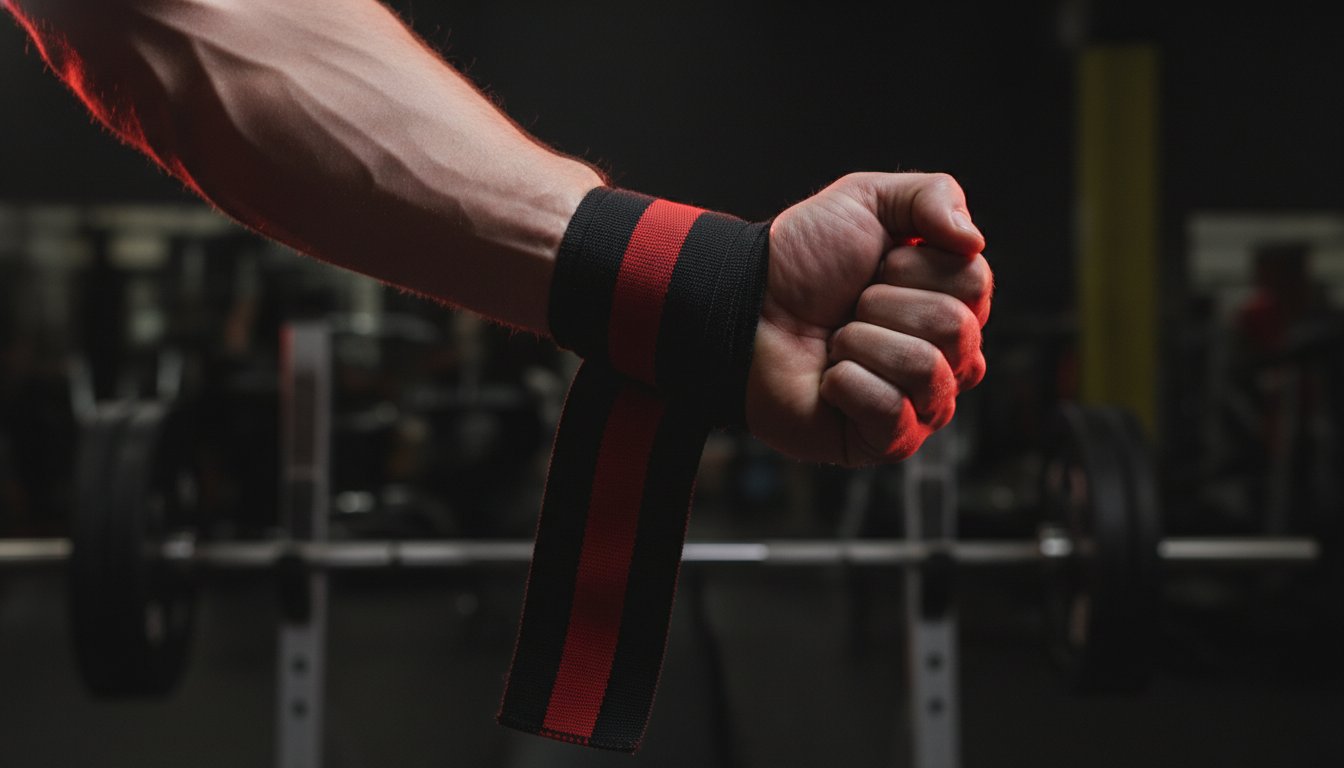
Did you know that 32% of injuries sustained by weightlifters occur at the wrist? If you've felt a sharp pain during a heavy bench press or a dull ache that lingers throughout the evening, you're part of a large group of athletes facing these risks. Research indicates that 50% of heavy lifters will experience a moderate wrist injury at some point. It's a common hurdle, but it doesn't have to stall your progress. You're likely looking for answers on what are the best wrist wraps for wrist pain so you can maintain joint stability under heavy loads.
We understand you want to push your limits without the fear of long-term joint damage. This guide helps you identify the correct level of mechanical support for your specific lifting style. We'll show you how to select professional-grade gear that provides the necessary stiffness to prevent hyperextension during heavy sets. You'll discover how our Team Industry UK Wrist Wraps can help you achieve pain-free training sessions and improved stability. We'll cover everything from technical standards to proper application to ensure your gear performs as hard as you do.
Key Takeaways
- Distinguish between joint hyperextension and tendon fatigue to better manage your training load and prevent long-term damage.
- Identify what are the best wrist wraps for wrist pain by comparing heavy-duty polyester blends against standard cotton options for maximum stability.
- Learn the precise wrapping technique that secures the wrist joint itself rather than just the forearm to provide effective mechanical support under load.
- Master how to anchor your wraps with the correct tension to ensure joint safety without compromising circulation during heavy overhead or bench presses.
- Discover why the Team Industry Wrist Wraps are the preferred choice for UK athletes seeking professional-grade durability and a no-nonsense aesthetic.
Understanding the Mechanics of Wrist Pain in Strength Training
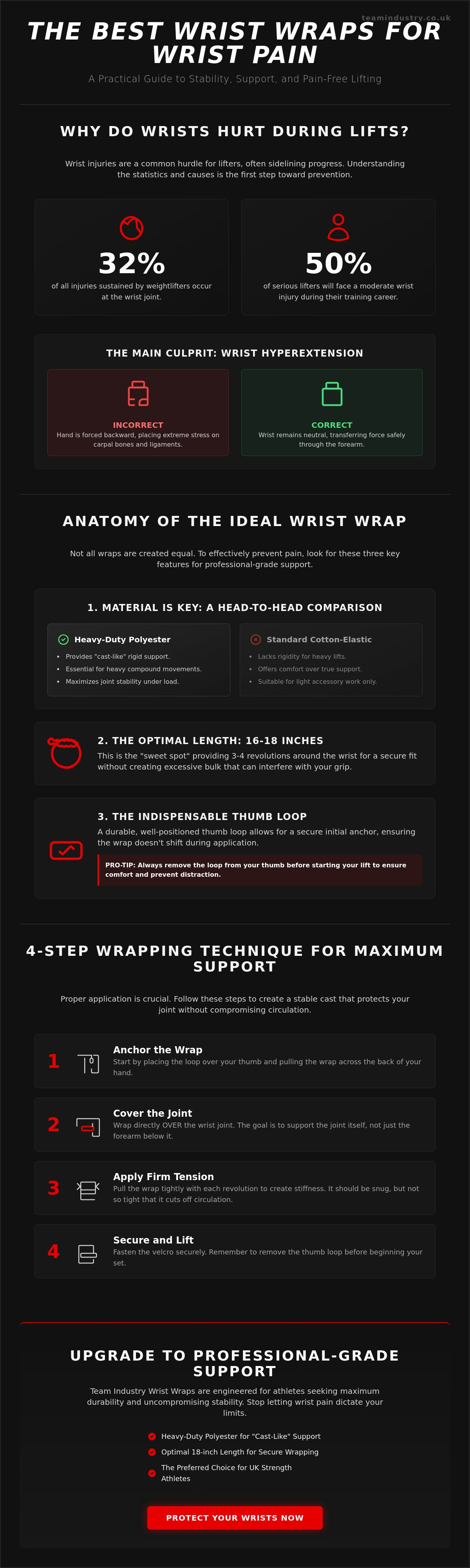
Wrist pain in the gym often stems from mechanical failure under load. Wrist hyperextension occurs when the hand is forced backward toward the forearm during pressing movements, placing extreme stress on the delicate carpal bones. While some lifters dismiss this as simple discomfort, it often signals a deeper issue. Distinguishing between structural joint pain, which involves the bone and ligament alignment, and tendon fatigue is vital for long term progress. Chronic neglect of these symptoms can lead to a Repetitive Strain Injury (RSI), which might sideline your training for months.
To better understand how support gear functions, watch this helpful video:
Investing in high-quality mens gym clothes and professional-grade gear is a fundamental step in injury prevention. Wrist wraps are external supports that limit joint range of motion to prevent injury. When you're researching what are the best wrist wraps for wrist pain, you're essentially looking for a tool that creates a rigid "cast" around the joint to absorb the force that your muscles can't handle alone.
Common Causes of Pain During Heavy Lifts
Poor technique is frequently the primary culprit. In the bench press, placing the bar too high in the palm forces the wrist into an unstable angle. This "collapsing" position happens when forearm and grip strength aren't sufficient to keep the wrist neutral. High-frequency pressing also impacts the carpal bones through sheer repetition, leading to inflammation that makes every set feel like a chore. Using strength gear correctly can mitigate these risks by providing the structural integrity your anatomy requires.
When to Use Wraps for Recovery vs. Performance
Knowing when to push through and when to pull back is a hallmark of an experienced lifter. If you experience sharp, stabbing pain even at rest, you need a total recovery period. However, if the ache only appears under heavy load, wraps act as a tactical stabiliser during your training sessions. They allow you to maintain your intensity while protecting the joint from further aggravation. Finding what are the best wrist wraps for wrist pain ensures you have the right level of compression to support blood flow while providing the mechanical stiffness required for personal bests.
Key Features of the Best Wrist Wraps for Pain Relief
Choosing the right equipment is a pragmatic step toward longevity in the gym. When you're evaluating what are the best wrist wraps for wrist pain, the material composition is your first consideration. Cotton-elastic blends offer high comfort and are suitable for lighter accessory work, but they often lack the rigidity needed for heavy compound movements. In contrast, heavy-duty polyester blends provide the "cast-like" support necessary to manage existing injuries and prevent the wrist from buckling under significant weight. This structural integrity is what allows you to handle heavier loads without aggravating sensitive tissues.
Medical experts suggest that the right equipment can help you prevent and manage wrist pain by maintaining a neutral alignment throughout your lift. This alignment is critical because it transfers the load directly through the forearm bones rather than stressing the soft tissues of the wrist. When you're looking for what are the best wrist wraps for wrist pain, look for a 16-inch to 18-inch length. This range is the "sweet spot" for most lifters, providing enough material for three to four revolutions around the joint without creating excessive bulk that interferes with your grip.
The placement and durability of the thumb loop are also essential for long-term use. A well-positioned loop allows for a secure initial anchor, ensuring the wrap doesn't shift during the first revolution. While these loops are helpful for application, remember to remove them from your thumb before starting your set to comply with standard competition safety rules and ensure a more natural grip on the bar.
Stiffness vs. Flexibility: Finding the Balance
Finding the right balance is essential for effective recovery. While maximum stiffness provides the most stability, it can be too aggressive for joints that are already inflamed. A medium-stiff wrap offers a versatile solution. It provides enough rigidity for heavy sets while remaining comfortable enough for higher-repetition training. Breathability is another factor to consider. High-quality blends ensure moisture doesn't build up, which is vital for maintaining skin health during long sessions in the heat of the gym.
Length and Width Standards
The standard 3-inch width provides maximum coverage for the carpal joint, effectively bridging the gap between the hand and the forearm. Longer wraps allow for more "layers" of compression, which is particularly beneficial for lifters with smaller wrists who need extra material to achieve a secure fit. If you're ready to upgrade your gear, the 16-inch Industry Wrist Wraps Blackout edition provides the professional-grade stability needed for heavy training.
How to Wrap Your Wrists to Alleviate Discomfort
Applying your gear correctly is just as important as selecting the right material. Even if you've identified what are the best wrist wraps for wrist pain, poor placement will render them ineffective. A common mistake is wrapping too low on the forearm; this leaves the carpal bones unsupported and does nothing to prevent hyperextension. Follow these pragmatic steps to ensure your joint is properly protected during your heaviest sets.
- Step 1: Position the wrap so it covers the joint itself. The top edge of the wrap should sit just below the base of your palm, bridging the gap between the hand and the forearm.
- Step 2: Anchor the first revolution with moderate tension. This creates a stable base without immediately restricting your circulation.
- Step 3: Increase the tension significantly as you cross the wrist crease. This is where the majority of the mechanical support is needed to create that "cast-like" feel.
- Step 4: Secure the hook-and-loop closure while keeping your hand in a neutral position. Ensure there are no folds in the material that could cause skin irritation.
- Step 5: Remove or loosen the wrap between every set. Constant high-pressure compression is unnecessary and can hinder your recovery by restricted blood flow.
While wraps provide immediate mechanical support, it's helpful to understand the broader causes, exercises, and treatment for lifting-related discomfort. Combining professional gear with a solid understanding of joint health is the most reliable way to stay in the gym. If you're ready to put these steps into practice, you can shop the full Team Industry Wrist Wrap collection for gear designed to handle these specific demands.
The Neutral Wrist Position
The primary goal of wrapping for pain is to maintain a straight line from your forearm through to your knuckles. This neutral alignment ensures that the weight of the bar is transferred directly through the radius and ulna. The wrap should act as a physical cue. If you feel your wrist trying to "cock back" during a press, the resistance of the material should remind you to straighten your grip. This simple adjustment often resolves the sharp pain felt during heavy benching.
Tension Management for Pain
Adjust your tightness based on the specific movement you're performing. For a back squat, you might require a very tight wrap to create a "shelf" for the bar. For an overhead press, you may prefer slightly more flexibility to allow for a natural bar path. Always listen to your body. If you feel numbness or a tingling sensation in your fingers, the wrap is too tight. Effective support should feel secure and stable; it shouldn't cause secondary discomfort or cut off your pulse. Identifying what are the best wrist wraps for wrist pain involves finding a pair that allows for this level of fine-tuned adjustment.
Choosing Team Industry: Professional Support for UK Lifters
Team Industry stands as a reliable partner for the UK strength community. We don't just provide gear; we actively support local events and federations to help build a stronger regional infrastructure. When you ask what are the best wrist wraps for wrist pain, you need a brand that understands the grit of a local powerlifting meet or a heavy session in a cold garage gym. Our Team Industry Wrist Wraps are designed with this reality in mind. They feature heavy-duty elastic that maintains its tension over hundreds of sessions and an industrial-grade Velcro system that won't fail when you're under the bar.
The "Blackout" edition is our specific answer for athletes who prefer a professional, no-nonsense aesthetic. We've stripped away the flash to focus on pure function and operational reliability. This gear is built for those who value performance over hyperbolic marketing. It's about providing stable, dependable support so you can focus entirely on your lift rather than worrying about equipment failure. Our commitment to quality ensures that every wrap meets the high standards required for heavy, repetitive training.
For athletes and teams who value professional quality in every aspect of their sport, you can learn more about sUperstar for custom-designed sports apparel that supports your club's identity and performance goals.
The Blackout 16-Inch Industry Wrap
Our 16" Industry Wrist Wraps represent the ideal balance of support and ease of use. While some competitors push for extreme lengths that are cumbersome to wrap, the 16-inch design offers enough material for a secure, multi-layered anchor without unnecessary bulk. It's a pragmatic choice for lifters dealing with discomfort. You can also combine these wraps with other joint support gear to create a comprehensive safety net for your training. This layered approach ensures every vulnerable point is reinforced before you attempt a heavy single.
Building a Complete Support System
Stability shouldn't be limited to pressing movements. You can integrate lifting straps into your pulling sessions to further reduce the strain on your wrists. By offloading the grip requirement during deadlifts or rows, you allow the wrist joint to remain in a more relaxed, neutral state. Consistent gear maintenance is also vital for long-term joint health. Keep your wraps clean and dry between sessions to preserve the elasticity of the fabric and the integrity of the hook-and-loop system. Determining what are the best wrist wraps for wrist pain is only the first step. Maintaining that gear ensures it continues to protect you through every training cycle.
Take Control of Your Training Longevity
Managing wrist discomfort requires a proactive approach to both technique and equipment. You've learned that covering the carpal joint rather than just the forearm is essential for mechanical support. Selecting the right material stiffness also plays a critical role in balancing immediate stability with long-term recovery. When determining what are the best wrist wraps for wrist pain, the goal is always to maintain a neutral alignment that protects the soft tissues from excessive stress during heavy pressing or squats.
As UK-based strength specialists, we design our gear to withstand the highest levels of operational stress. Our heavy-duty materials are rigorously tested in strongman and powerlifting environments to ensure they never fail under load. This reliability is why competitive athletes across the country trust our equipment for their most demanding sessions. Don't let joint ache dictate your progress or force an early end to your training cycle.
Shop the full range of Team Industry Professional Wrist Wraps today to secure your joints and lift with confidence. Consistent support is the foundation of every successful lifting career.
Frequently Asked Questions
Can I wear wrist wraps for every set of my workout?
Reserve your wrist wraps for your heavy working sets rather than wearing them throughout the entire session. Using them for every warm-up set can prevent your joints and forearms from adapting to lighter loads. We suggest applying them once you reach approximately 70% of your maximum weight. This approach ensures you get the mechanical benefit when intensity is high while allowing for natural strength development during your initial movements.
Do wrist wraps weaken your wrists over time?
Wrist wraps do not weaken your wrists if you use them as a tool for high-intensity sets. They provide external stability to the carpal bones during heavy pressing or squats, acting as a safeguard against hyperextension. To maintain functional integrity, continue performing specific grip and forearm exercises as part of your routine. This balanced methodology ensures you stay protected under load without becoming overly dependent on the gear for basic stability.
What is the best length of wrist wrap for a beginner with pain?
A 16-inch to 18-inch wrap is the most practical choice for a beginner. This length provides enough material to circle the joint three to four times, which is a key factor when identifying what are the best wrist wraps for wrist pain. It offers substantial stability without being overly bulky or difficult to apply during a session. Our Team Industry 16-inch wraps are designed to provide this exact balance of support and ease of use.
How tight should wrist wraps be when managing an injury?
Your wraps should be tight enough to prevent the wrist from "cocking" back, but they must not cut off your circulation. When managing an injury, focus on creating a firm, cast-like support around the carpal bones. If you feel numbness, tingling, or a loss of temperature in your hands, loosen the wrap immediately. It's vital to loosen them between every set to allow blood flow to return to the tissues for optimal recovery.
Can I wash my wrist wraps in a washing machine?
We recommend hand washing your wraps in cool water with a mild detergent to preserve the material. Placing them in a washing machine or tumble dryer can damage the heavy-duty elastic and degrade the Velcro system over time. Simply soak them, rinse thoroughly, and air dry them away from direct heat sources. This simple maintenance routine ensures your gear remains dependable and maintains its structural integrity for hundreds of training sessions.
What is the difference between wrist wraps and lifting straps for pain?
Wrist wraps provide compression and stability for pressing movements like the bench press. In contrast, lifting straps are used for pulling movements like deadlifts or rows. Straps reduce the demand on your grip and forearms, which can alleviate the wrist strain caused by heavy pulling. Both tools are essential parts of a support system for those seeking what are the best wrist wraps for wrist pain and overall joint health.


Share:
Master Your SBD: Ultimate Gear Guide for Powerlifting
Setting Up Figure 8 Straps for Axle Bar Deadlifts: A Strongman Guide