

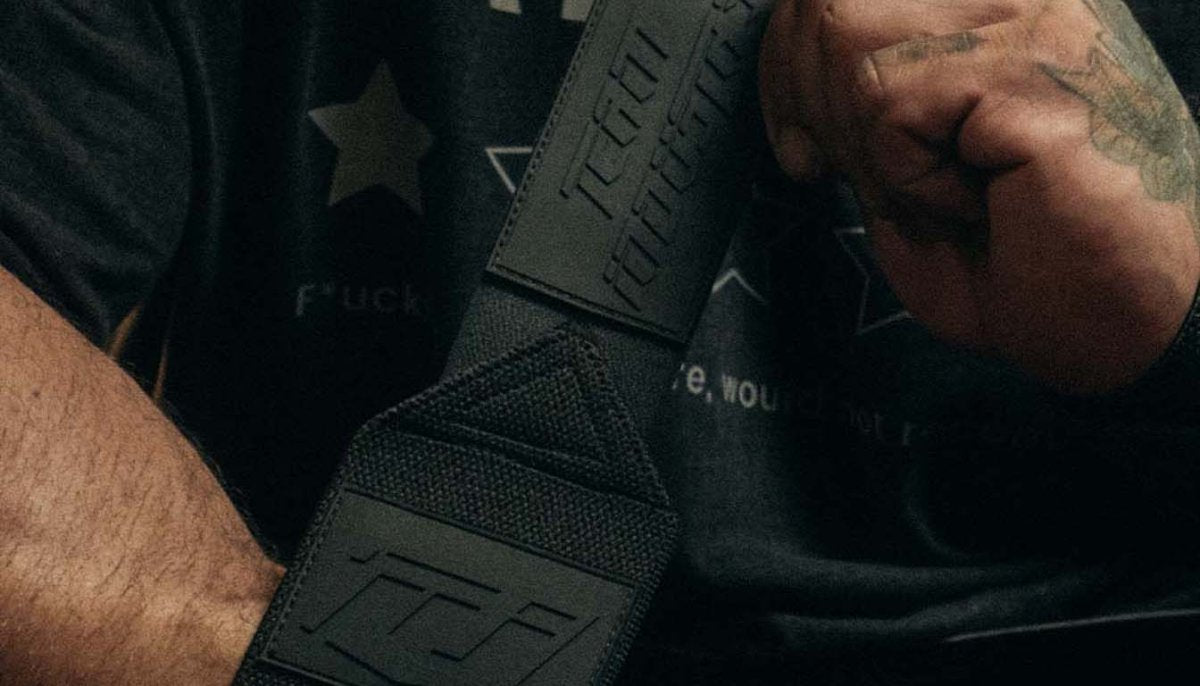
A bent wrist under a heavy barbell is not just an uncomfortable habit; it is a direct leak of pressing power. When heavy loads force your hand back into hyperextension, your forearms work overtime just to keep the bar from rolling, leading to nagging joint strain instead of a smooth lockout. Reliable wrist wraps solve this issue by reinforcing joint integrity, locking your wrists in a rigid, neutral position so force transfers directly into the barbell.
If heavy benching or overhead pressing leaves your joints aching, you aren't alone. Many lifters struggle with wrist discomfort and feel uncertain about wrap stiffness, length, or correct wrapping technique. This guide breaks down exactly how wrist wraps work, when to tighten them, and how to select the right pair to eliminate pressing pain. We'll walk through proper wrapping mechanics and setup details so you can stabilise heavy loads with total confidence.
Key Takeaways
- Understand the biomechanics of how wrist wraps reinforce the carpal joint to stop power leaks on heavy barbell lifts.
- Identify the ideal wrap length and fabric stiffness tailored to your specific lifting style and training intensity.
- Master proper anchor positioning and tensioning technique across the joint without restricting peripheral blood flow.
- Learn the exact loading thresholds and pressing variations where deploying support yields maximum strength gains.
What Are Wrist Wraps and How Do They Protect Your Joints?
Wrist wraps are heavy-duty elasticated bands engineered to stabilise the carpal joint under heavy loads. Much like combat athletes wrap their joints to protect the hand and wrist from high-impact forces, strength athletes rely on compressive tension to eliminate hyperextension. When you bench press or push overhead, heavy barbells naturally force your hands backwards. Securing the joint keeps the wrist stacked directly above the forearm, channeling force straight into the barbell instead of leaking energy.
Wrist Wraps vs. Lifting Straps: Key Differences
A common point of confusion in strength training is mistaking joint wraps for pulling aids. The mechanical difference comes down to the direction of load:
- Wrist wraps provide rigid compression for pushing movements, including the bench press and overhead press. If you need to reinforce joint stability, explore our heavy-duty wrist wraps.
- Lifting straps physically tether your hands to the barbell to reinforce grip strength during deadlifts and rows. If you want pulling grip assistance, read our guide on lifting straps.
Using the wrong equipment hurts performance; pulling straps won't stabilize a wobbly bench press, and wrist wraps won't keep a slipping deadlift in your hands.
The Biomechanics of Wrist Stabilisation
Under maximum barbell or dumbbell loads, keeping a neutral joint angle drastically reduces dangerous shearing forces across your carpal bones. Heavy-duty wraps supply external, passive tendon support. This reinforcement braces the joint structure to resist mechanical fatigue, allowing you to handle top-end weights without diminishing active muscle recruitment in your forearms.
Choosing the Right Wrist Wraps: Length, Material, and Stiffness
Selecting the right gear comes down to matching wrap construction to your specific training demands. Length, fabric density, and fastening components dictate how much movement your wrist joint retains under load. Inspecting these core details ensures you get dependable support without buying more bulk than your training requires.
Selecting the Ideal Wrap Length
Wrap length directly controls the number of revolutions you can make around the joint, which sets the overall level of reinforcement:
- Compact options (12 to 16 inches): Best for versatile training sessions and high-repetition work. They wrap quickly and deliver solid stability while leaving room for minor wrist flexion during varied movements.
- Extended lengths (20 to 36 inches): Built for maximal lifts. Multiple revolutions create thick, cast-like layers that physically prevent the wrist from shifting under heavy barbell loads.
Matching Stiffness to Your Lifting Style
Elastic stiffness separates general gym gear from competition-grade equipment. Flexible, cotton-elastic blends provide comfortable compression for bodybuilding and overhead accessories. However, if you focus on heavy singles, powerlifting, or pushing your limits on the bench press, heavy-duty elastic is necessary. Rigid, tightly woven webbing stops joint deflection entirely, ensuring maximal force transfer into the barbell.
Hardware durability matters just as much as fabric weave. Look for high-grade elastic combined with heavy-duty thumb loops and reinforced hook-and-loop fastening to ensure total lockdown through your hardest sets. If you want a dependable pair built with input from UK strength athletes, check out the dedicated lineup of wrist wraps at Team Industry.
How to Wear and Use Wrist Wraps for Maximum Pressing Strength
Positioning your wraps correctly makes the difference between full joint stability and wasted effort. Many lifters tighten their wraps around the lower forearm, leaving the actual joint completely unprotected. To lock in true support, you must wrap directly over the joint line, creating a supportive cast that spans both the bottom of the palm and the top of the ulna and radius.
Step-by-Step Wrapping Technique
Follow these steps to ensure firm compression without cutting off circulation:
- Anchor the wrap: Hook the thumb loop over your thumb, keeping the fabric aligned across the inside of your wrist.
- Cover the joint crease: Pull the elastic taut and bring the first layer across the carpal bones rather than below them.
- Layer with even tension: Overlap the fabric diagonally with consistent stretch, ensuring firm compression that doesn't pinch or cut off blood flow.
- Secure and release: Press down the hook-and-loop closure firmly. Remove the thumb loop from your thumb and tuck it neatly under the edge. Official powerlifting rules forbid keeping the loop over your thumb during competitive lifts.
Common Wrapping Mistakes to Avoid
Wrapping too low is the most frequent error. If you can bend your wrist backwards freely after wrapping, the wrap is sitting entirely on your forearm. Another common mistake is leaving your wraps cranked tight between sets. Release the fastening while resting to prevent numbness and preserve hand strength for your next effort. Pairing this secure joint setup with proper technical cues from our bench press guide creates a rock-solid foundation for heavier lifts.
Ready to upgrade your pressing setup? Secure maximum stability on your working sets with high-grade wrist wraps engineered for serious lifters.
When to Wear Wrist Wraps in Your Strength Programme
Knowing when to put your wraps on is just as vital as knowing how to wrap them. A common misconception is that using supportive gear weakens your tendons or stalls grip development. In reality, wrist wraps don't replace forearm muscle engagement; they simply provide an external barrier against hyperextension under loads your joint capsule can't safely manage alone. As a rule of thumb, reserve them for working sets at or above 75% of your one-rep maximum.
Exercise Selection for Wrist Support
Focus your wrap usage on lifts with high compressive or shear forces across the carpal joint:
- Heavy pressing: Flat barbell bench presses, strict overhead presses, and heavy dumbbell work where backward wrist roll causes missed reps.
- Low-bar back squats: Lifters often overlook squats, but pinning a barbell across your rear deltoids can crank the wrists backwards. Wrapping your joints here relieves direct pressure during demanding lower-body sessions.
Balancing Joint Support with Natural Adaptations
To keep your connective tissues strong and resilient, complete your initial warm-up sets completely unwrapped. This approach encourages natural joint conditioning, reinforces active stability, and ensures your wrist flexors do their fair share of work. Once you reach demanding working weights, lock in your support to prevent fatigue-induced form breakdowns. For dependable joint reinforcement across both pressing and squat days, versatile options like our 16-inch wrist wraps deliver the exact balance of mobility and structural hold you need.
Lock In Your Pressing Power and Protect Your Wrists
Maintaining a rigid carpal joint eliminates painful backward wrist roll and ensures every ounce of pressing force travels straight into the barbell. By anchoring your wrap directly across the joint crease rather than low on your forearm, you bridge the wrist cleanly. Balancing unwrapped warm-ups with tight support on top sets keeps your tendons resilient while guarding against fatigue on max-effort lifts.
Ready to eliminate joint discomfort on your heavy benching and overhead days? Supplying dependable strength gear across the UK, Team Industry creates durable kit engineered for dedicated strength athletes. Each pair features reinforced stitching and industrial hook-and-loop fastening to deliver dependable lockdown rep after rep. Upgrade your pressing stability with professional wrist wraps from Team Industry, approach the platform with complete confidence, and keep making consistent progress under the bar.
Frequently Asked Questions
Do wrist wraps actually increase your bench press?
Wrist wraps don't mechanically lift the barbell for you, but they can instantly increase your bench press numbers by stopping energy leaks. By casting the carpal bones into a rigid, neutral position, they prevent your wrists from folding backwards. This structural rigidity ensures that every bit of force generated by your chest and triceps transfers directly into the barbell, eliminating joint hesitation on maximal attempts.
Should the thumb loop stay on during a heavy lift?
You should always remove the thumb loop from your thumb before initiating a heavy lift. The loop is designed strictly as an anchor to help you wrap tightly. Leaving it on during pressing places uneven tension across your thumb joint and can alter your grip. In competitive powerlifting federations, lifting with the thumb loop attached results in an immediate red light.
What is the difference between wrist wraps and lifting straps?
Wrist wraps provide compressive joint reinforcement for pushing movements, while lifting straps wrap around the barbell to reinforce grip on heavy pulls. Use wraps for bench press, overhead press, and heavy squats to keep the wrist straight under compression. Use straps for deadlifts, rows, and shrugs where your back can handle more weight than your fingers can hold.
Will using wrist wraps make my wrists and forearms weaker?
Using wraps will not weaken your wrists or forearms if you program them intelligently. They provide passive joint stabilization against hyperextension rather than replacing active muscular contraction. As long as you complete your warm-ups and lighter assistance work without gear, your tendons adapt naturally. Putting on supportive wraps for your heaviest sets simply protects the joint capsule from excessive shear stress.
How tight should wrist wraps be when lifting?
Your wraps should feel completely rigid and secure, preventing any backward wrist bend while holding the barbell. However, they shouldn't cut off peripheral circulation or make your fingers tingle before you even grip the bar. Apply high tension right before your working set begins, and loosen the hook-and-loop strap immediately after racking the bar to restore blood flow during rest intervals.
Share:
Best Oversized T-Shirts for Bodybuilders: 2026 Guide