

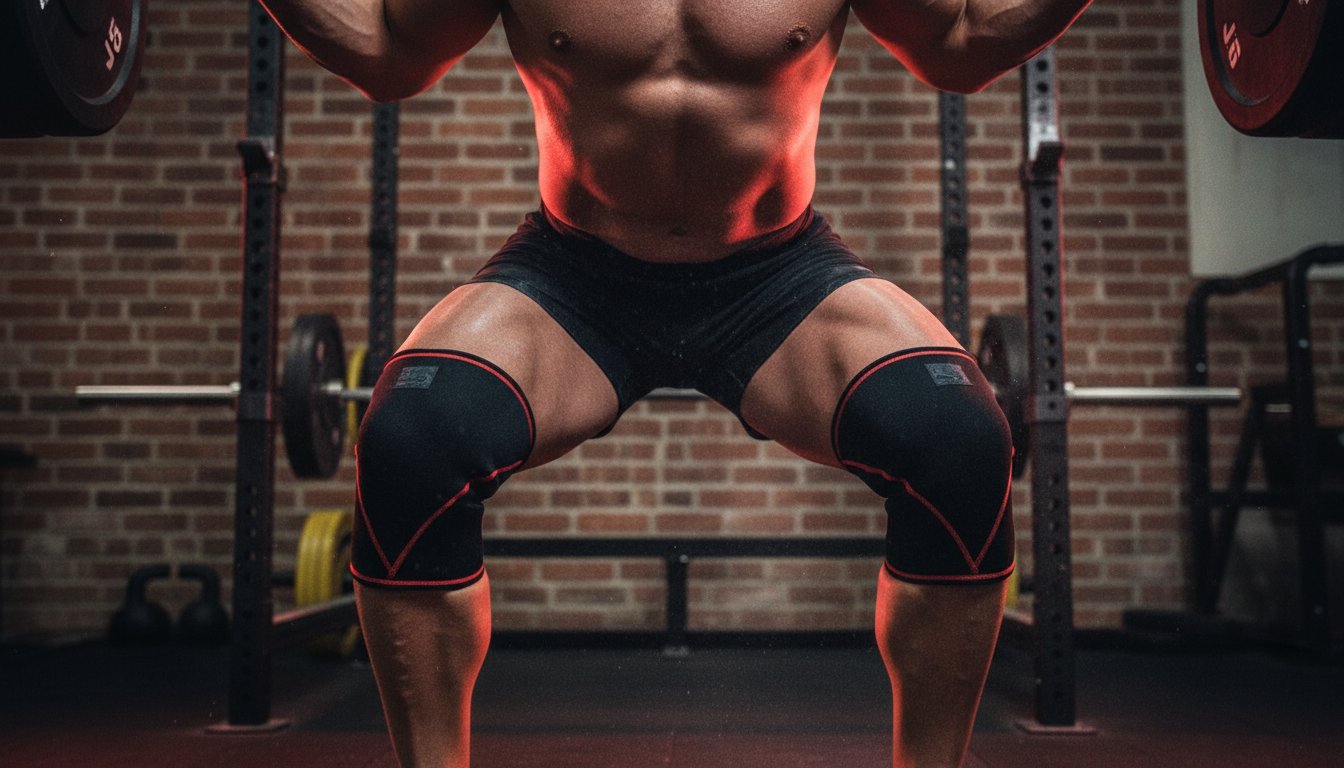
Your squat max isn't just limited by your leg strength; it's often capped by the stability of your knees under a heavy load. It's a common frustration to feel that familiar joint ache during a top set or to waste energy pulling up 7mm neoprene sleeves that won't stay in place. You deserve gear that works as hard as you do without tearing after three months of use. At Team Industry, we understand that reliability is the foundation of every successful training cycle.
This guide will show you how to choose the right 7mm neoprene sleeves to stabilise your joints, increase your squat, and protect your longevity in strength sports. We'll examine the 2026 equipment standards from federations like the IPF and USAPL to ensure you stay compliant on the platform. You'll learn why many lifters are moving away from basic budget options like the $35.00 hookgrip 3.0 in favour of more robust support. We'll preview the best ways to achieve a secure fit and explain how our own Heavy Duty Knee Sleeves provide the consistent compression and warmth needed for a lifetime of heavy lifting.
Key Takeaways
- Understand why 7mm neoprene sleeves are the industry standard for competition and how they improve joint proprioception during heavy squats.
- Master the three-point measurement technique to select the correct size for either daily training or high-compression competition use.
- Distinguish between the mobility of 5mm sleeves and the necessary stiffness of 7mm options for heavy singles and strongman events.
- Adopt practical maintenance habits to extend the lifespan of your neoprene and prevent common gym bag odours.
- Learn how to integrate your sleeves with professional gear like our Heavy Duty Knee Sleeves and Lever Belts for maximum platform stability.
The Role of 7mm Neoprene Sleeves in Heavy Strength Training
In the sport of raw lifting, 7mm neoprene sleeves represent the maximum allowable thickness for competition under IPF and USAPL 2026 regulations. This isn't an arbitrary measurement. This specific thickness provides a mechanical advantage known as the "rebound" effect. When you hit the bottom of a squat, the compressed material stores energy and assists in the initial ascent. This provides a distinct "pop" out of the hole that 3mm or 5mm sleeves simply can't replicate.
Choosing 7mm neoprene sleeves offers three primary physical advantages for the serious lifter:
- Proprioception: High-grade compression gives constant tactile feedback to your brain. This helps you track joint position and maintain a better knee path during heavy triples.
- Thermal Retention: Neoprene acts as an insulator to keep the synovial fluid in your knees warm. This is vital during the three to five-minute rest periods common in strength training.
- Joint Lubrication: Warm joints move with less friction, which reduces the "creaky" feeling often felt during cold weather sessions or early morning workouts.
The Science of Compression and Joint Support
High-density sleeves limit lateral patella movement by providing a physical barrier that keeps the kneecap within its natural groove. This support doesn't restrict your range of motion; it simply ensures the joint moves through a safer, more efficient plane of travel. Neoprene density is the primary factor in sleeve longevity and "pop".
There is a clear distinction between medical-grade compression and athletic-grade support. While medical sleeves focus on blood flow for recovery, athletic versions prioritise structural integrity under external loads. For lifters who require a reliable safe pair of hands for their joints, our Heavy Duty Knee Sleeves are engineered to meet these exact industrial standards, ensuring you stay stable when the weight gets heavy.
7mm vs. 5mm: Choosing the Right Thickness for Your Goals
Don't treat 5mm and 7mm sleeves as interchangeable equipment. They serve different masters in the gym. 5mm sleeves are built for versatility and movement. They're ideal for high-rep hypertrophy or CrossFit where you need to transition quickly between movements. However, once you commit to a dedicated strength programme, 7mm neoprene sleeves become the pragmatic choice. These thicker sleeves offer the specific compression required for heavy singles and max-effort attempts.
There is a common misconception that 7mm sleeves are a form of "cheating" or a shortcut to a bigger total. In reality, they are a safety tool designed to protect your joint longevity. While a 2020 study published in the Journal of Strength and Conditioning Research noted that sleeves can augment barbell squat one repetition maximum performance, the primary value lies in the structural integrity they provide. They ensure the knee joint remains stable under loads that would otherwise cause significant shearing forces.
Be prepared for a break-in period with the thicker material. 7mm neoprene is significantly stiffer than 5mm alternatives. It might feel restrictive during your first few sessions, but this resistance provides the essential support during a heavy descent. Once the material moulds to your leg, you'll find a level of stability that lighter sleeves cannot match.
When to Upgrade to 7mm Sleeves
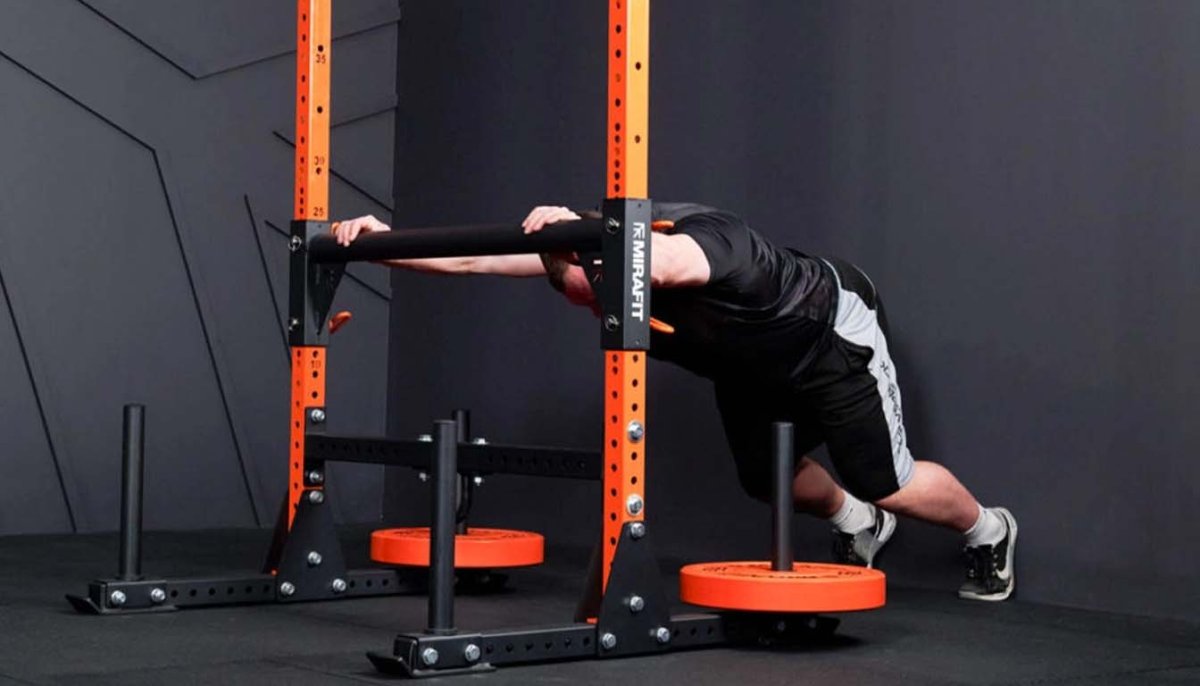
If your current 5mm sleeves feel loose or "slidey" during a heavy triple, they've likely reached the end of their useful life for your current strength level. As your numbers grow, your gear must evolve. We generally recommend the switch once you are regularly squatting over 1.5x your bodyweight. At this stage, the pressure on the knee joint demands a more robust barrier. Strongmen also find the 7mm thickness indispensable for moving events like the Yoke walk, where every step requires absolute knee stability. If you've reached this stage in your training, it's time to invest in a reliable pair of Heavy Duty Knee Sleeves to ensure your gear matches your output.

The Lifter’s Checklist: Finding the Perfect Fit and Sizing
Selecting the correct size is the difference between a reliable tool and a wasted investment. Most generic size charts fail because they only consider knee circumference. For a truly secure fit, you must measure three distinct points: the centre of the knee joint, the widest part of the calf, and the lower quad (approximately 10cm above the patella). If your calf measurement is larger than your knee, always size based on the calf to ensure the sleeve actually reaches the joint.
You must also decide on your primary training intent. A "Standard Fit" provides consistent warmth and stability for 90-minute sessions without cutting off circulation. In contrast, a "Competition Fit" involves sizing down to achieve maximum compression. This tighter approach is supported by a Journal of Strength and Conditioning Research study which indicates that high-level compression can physically assist in moving heavier loads. However, for daily training, the Standard Fit is often the more pragmatic choice for long-term comfort.
Quality construction is non-negotiable for 7mm neoprene sleeves. Because the material is so thick, the internal pressure during a deep squat is immense. Always look for reinforced, double-stitched seams to prevent the material from pulling apart. Finally, verify the sleeve length. To remain compliant with IPF and USAPL 2026 standards, sleeves must not exceed 30cm in length. Check our Team Industry Joint Support range for detailed sizing examples that match these professional specifications.
How to Put on Tight 7mm Sleeves Without Tearing Them
Never pull your sleeves up by the top edge; this is the quickest way to rip the seams. Instead, use the "fold-over" method. Turn the top half of the sleeve inside out so it covers the bottom half. Pull the doubled-over sleeve up until the bottom edge is at the base of your knee. Then, simply flip the top half back up over your quad. This technique protects the integrity of the neoprene and ensures the sleeve sits perfectly centered. To get started with a pair built for this level of tension, order our Heavy Duty Knee Sleeves today.
Maximising Longevity: Care and Gear Integration
At Team Industry, we believe your gear should function as a calculated system rather than a collection of isolated items. Investing in 7mm neoprene sleeves is a tactical decision for your training, but their value is halved if the material loses its elasticity due to poor maintenance. To prevent the common "gym bag smell" and material breakdown, soak your sleeves in cold water with a small amount of mild detergent once every 14 days. Never use a tumble dryer. High heat destroys the internal cell structure of the neoprene, which leads to a permanent loss of compression. Air dry them away from direct sunlight to keep the material dependable for years.
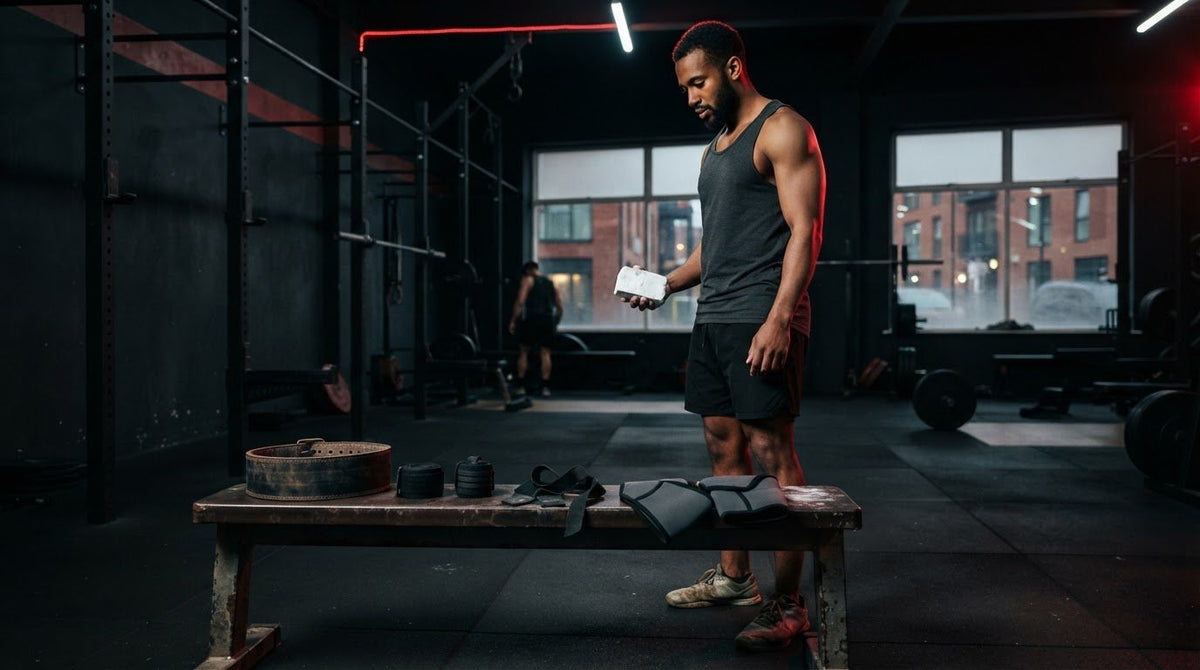
Total platform stability requires a unified approach. Pairing your sleeves with professional weight lifting belts creates a complete support system for both your core and your joints. This combination ensures that no single point in your kinetic chain becomes a weak link during a max-effort squat. Our Heavy Duty Knee Sleeves are designed specifically to integrate with this high-standard equipment, providing a reliable safe pair of hands for UK athletes who prioritise operational excellence in the gym.
Integrating Sleeves into Your Strength Programme
Timing your gear usage is essential for long-term progress. Don't put your sleeves on for your first warm-up set with an empty bar. Allow your joints to move naturally through the first 10% of your total session volume. Slide them on once you reach 50% of your working weight to lock in the heat and provide the necessary "pop" for your heavier sets.
For heavy accessory work, such as Romanian Deadlifts or heavy rows, pair your sleeves with lifting straps. This setup allows you to focus entirely on the target muscle group without your grip or knee stability becoming a limiting factor. For a broader perspective on how to assemble a professional kit, read our comprehensive guide on Strongman Training Gear UK to understand how these tools fit into a complete strength setup.
Ready to Secure Your Next Personal Best?
A calculated approach to your gear is what separates a casual gym-goer from a dedicated strength athlete. By now, you understand that 7mm neoprene sleeves are a tactical investment in your joint longevity and platform performance. Success requires more than just buying the thickest material; it demands precise three-point measurements and a commitment to the maintenance routines that prevent premature wear. When you treat your equipment as a professional system, it rewards you with the stability needed to push through heavy plateaus.
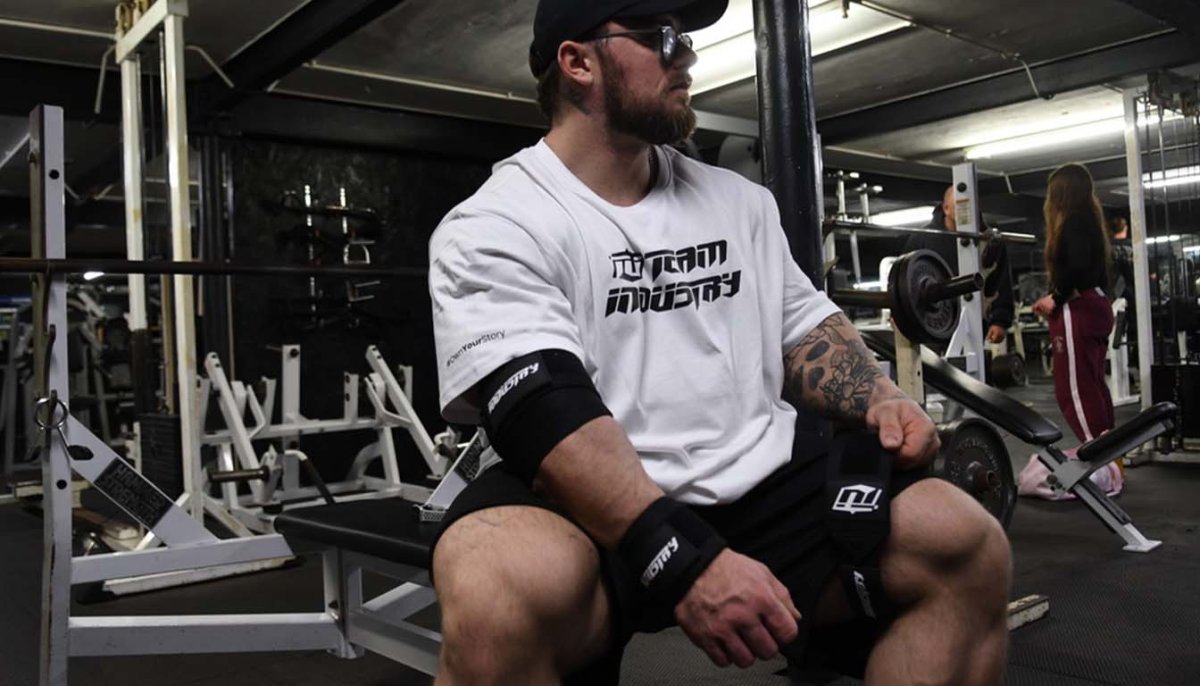
Our gear is designed by strength athletes specifically for the UK lifting community. We offer heavy-duty support that meets the rigorous 2026 standards of the major powerlifting federations. You can trust the durability and "pop" of our equipment because it's already a staple for the Team Industry community. Upgrade your training with Team Industry Heavy Duty Knee Sleeves today and experience the difference that professional-grade support makes. Step onto the platform with the quiet confidence that your joints are protected by a reliable safe pair of hands. We're here to help you lift heavier for longer.
Frequently Asked Questions
Do 7mm neoprene sleeves actually increase your squat?
Yes, 7mm neoprene sleeves provide a measurable mechanical advantage. A 2020 study published in the Journal of Strength and Conditioning Research confirmed that neoprene sleeves can increase a lifter's one-repetition maximum squat. The 7mm material compresses at the bottom of the movement and creates a rebound effect that assists you during the initial ascent. This physical assistance, combined with the confidence of increased joint stability, often leads to a higher total on the platform.
How often should I wash my 7mm knee sleeves?
Wash your sleeves every 14 days to prevent the buildup of bacteria and salt from sweat. Use cold water and a mild detergent to preserve the elastic properties of the neoprene. Avoid using a washing machine or tumble dryer, as high heat and agitation will degrade the material's density over time. Air drying your sleeves away from direct sunlight ensures they remain a reliable tool for your long-term training cycles.
Can I use 7mm sleeves for every workout, or just heavy days?
Reserve 7mm sleeves for your primary squat sessions or max-effort days. While it's tempting to wear them for every session, using them during light recovery work can create a psychological dependency on the extra support. For high-rep accessory movements or general fitness sessions, moving without sleeves or using a lighter 5mm option allows your joints to maintain their natural range of motion. Use the 7mm thickness as a tactical tool when the load exceeds 75% of your maximum.
Are 7mm knee sleeves legal in powerlifting competitions (IPF/GBP)?
Yes, 7mm is the maximum allowable thickness for knee sleeves in the IPF and British Powerlifting under the 2026 technical rules. Your sleeves must be made of a single ply of neoprene and cannot exceed 30cm in total length. They must also be free from any additional straps, buckles, or Velcro. Always verify that your specific brand is on the 2026 approved equipment list before you arrive at the weigh-in to ensure full compliance with federation standards.
Should I size down for a tighter fit in 7mm sleeves?
Only size down if you are specifically preparing for a competition and require maximum compression. This "Competition Fit" can provide extra rebound but is often too uncomfortable for a standard 90-minute training session. For daily use, follow the size chart based on your knee and calf measurements to ensure adequate blood flow. If you're between sizes, our Team Industry Heavy Duty Knee Sleeves are designed to offer a secure fit that balances professional support with the reality of hard training.
Share:
The Ultimate Guide to Choosing an Acid Wash Sleeveless Workout Vest for Strength Training
High Waisted vs Mid Rise Gym Leggings: The Lifter’s Comparison Guide