

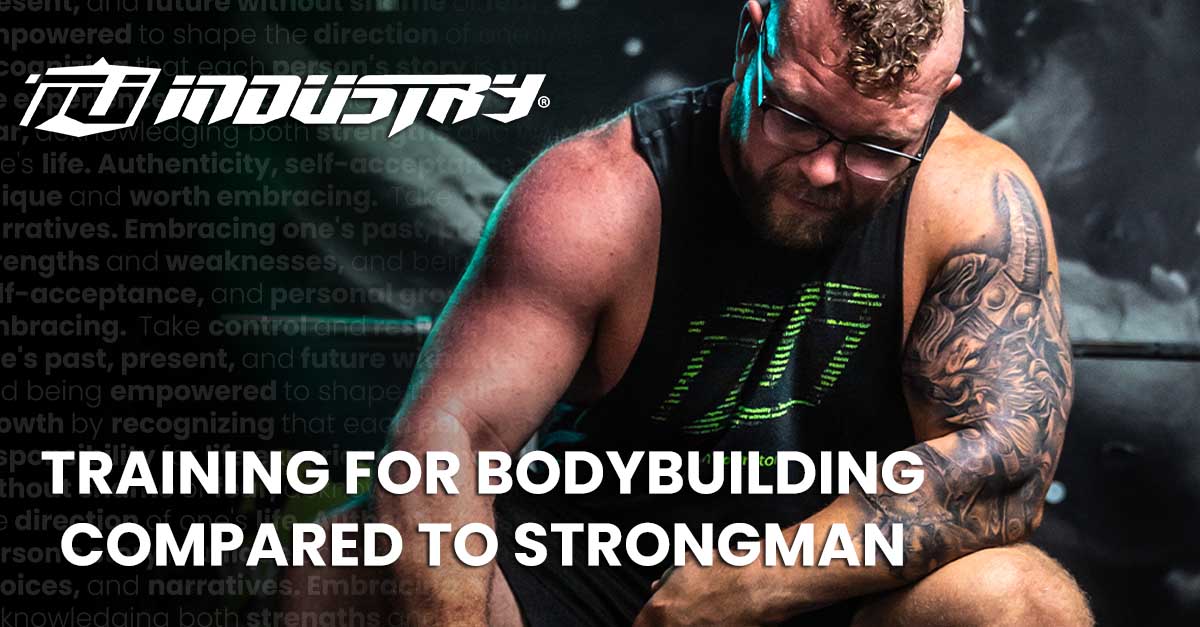
Strength sports are often grouped together, but bodybuilding and strongman training are two very different disciplines. Both involve lifting weights, structured programming, and disciplined nutrition, yet the methods and outcomes differ significantly. Understanding these differences can help athletes, coaches, or enthusiasts choose the right path.
Bodybuilding vs. Strongman: The Key Differences
1. Goals: Aesthetics vs. Functional Strength
-
Bodybuilding focuses on muscle growth, symmetry, and definition. Competitors are judged by appearance, not lifting ability.
-
Strongman prioritises performance—lifting, carrying, and moving heavy or awkward objects. Athletes are judged by strength and endurance during events.
2. Training Methods
-
Bodybuilders use moderate-to-high rep ranges (8–15 reps), isolation exercises, and controlled movements to maximise hypertrophy.
-
Strongmen train with heavy compound lifts at lower reps. Their workouts also include event-based exercises such as log presses, atlas stones, and farmer’s carries.
3. Conditioning and Endurance
-
Bodybuilding incorporates cardio—often steady-state or HIIT—to reduce body fat and improve muscle definition.
-
Strongman training builds conditioning through heavy carries, sled pulls, and timed events, demanding a mix of strength and endurance.
4. Nutrition
-
Bodybuilders follow precise diets, tracking calories and macros carefully to build muscle while staying lean.
-
Strongmen consume very high-calorie diets, focusing on energy intake to sustain extreme strength and recovery needs.
- Read our blog on nutrition advice for the early stages of strongman here: https://teamindustry.co.uk/blogs/news/nutrition-advice-for-beginners-in-strongman-training
- Read our blog on nutrition advice for the early stages of bodybuilding here: https://teamindustry.co.uk/blogs/news/nutrition-advice-for-beginners-in-bodybuilding
5. Mindset and Lifestyle
-
Bodybuilding requires discipline, patience, and long-term attention to detail in training and diet.
-
Strongman demands adaptability and resilience, since events can vary and often involve unconventional equipment.
Which Training Style Suits You?
Both bodybuilding and strongman training build strength and muscle, but the focus is different. If your priority is sculpting your physique, bodybuilding may be the right path. If you thrive on raw power and real-world strength challenges, strongman training could be a better fit.
Key Takeaways
-
Bodybuilding = appearance, muscle growth, symmetry.
-
Strongman = functional strength, performance, endurance.
-
Both require discipline, but training and nutrition approaches differ.



Share:
Nutrition Advice for Beginners in Bodybuilding
Static Monsters World Championships 2025 - Afternoon Flights