

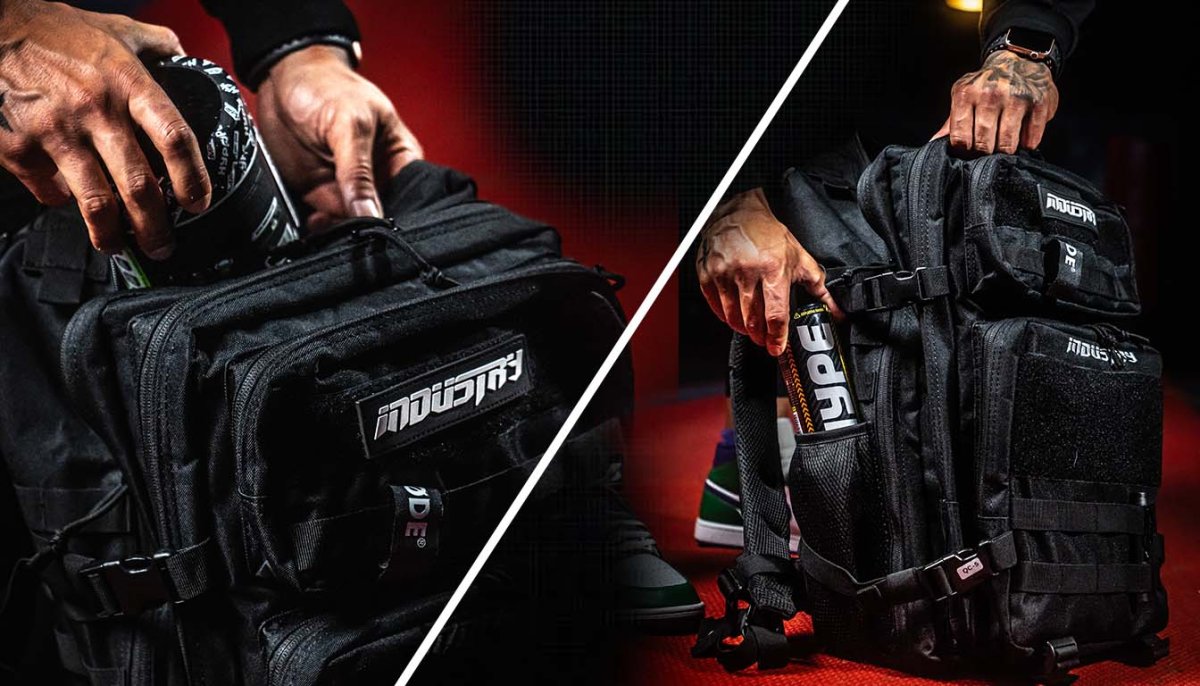
Your gym bag shouldn't be the weakest link in your training session. You've likely experienced the frustration of a flimsy zip snapping just as you try to force a standard bag shut over a thick powerlifting belt. When your gear gets lost in a disorganised black hole, it wastes time and focus. A rugged tactical gym backpack solves these issues by providing a structured, heavy duty solution for athletes who refuse to settle for gear that fails under pressure.
We understand that your equipment is a vital investment. This guide shows you how to select a Team Industry tactical gym backpack that handles your 13mm Lever Belt and Heavy Duty Knee Sleeves with ease. You'll discover how to organise specific compartments for wet gear and valuables so you can find what you need instantly. We will also examine technical specs, such as 900D fabric density, to ensure your straps won't dig in when the load gets heavy, providing the reliability required for a serious lifting career.
Key Takeaways
- Learn why a clamshell opening is essential for accessing Liquid Chalk and lifting gear quickly without searching through a disorganized main compartment.
- Identify the ideal capacity for your training style, whether you need a 35L tactical gym backpack for daily sessions or a 45L model for competitions.
- Understand how to pack heavy equipment, such as a 13mm Lever Belt, to maximize internal space and protect your apparel from damage.
- Evaluate critical durability features like 900D fabric density and reinforced zips to ensure your bag survives the grit of a heavy duty strength environment.
What Makes a Gym Backpack "Tactical"?
A tactical gym backpack isn't just a style choice; it's a modular tool built for high-stress environments. These bags draw inspiration from the history of tactical backpacks used in military operations, where gear failure isn't an option. For a strength athlete, this translates to a bag that features a full clamshell opening, allowing the pack to lay completely flat. This design eliminates the "black hole" effect, making it easy to grab your liquid chalk or lifting straps without digging through layers of gear.
Durability is the core of this design. Most standard bags use low-denier polyester that tears under the weight of heavy equipment. A true tactical pack utilizes high-denier fabrics, typically 900D, to resist abrasion from the sharp edges of a lever belt or metal plates. This level of dependability ensures the bag survives the grit of the UK strength scene, matching the rugged standards of our weight lifting belts.
The MOLLE System Explained
MOLLE stands for Modular Lightweight Load-carrying Equipment. It consists of heavy-duty nylon webbing stitched onto the exterior of the bag. For lifters, this provides a customisable storage system. You can clip on a shaker bottle using a carabiner or attach wet knee sleeves to the outside to air out after a session. It keeps damp gear away from your clean apparel and prevents odours from building up inside the main compartment.
Tactical vs. Traditional Duffel Bags
Traditional duffels often rely on a single shoulder strap that digs in when loaded with 20kg of gear. Tactical backpacks use dual padded straps and chest buckles to distribute weight across your torso. While a duffel is one large, chaotic space, a tactical bag uses dedicated compartments to keep valuables, laptops, and lifting accessories separated. This organisation saves time during a session, allowing you to focus entirely on your training rather than searching for your keys.
Key Features to Evaluate Before Buying
Choosing the right capacity for your tactical gym backpack depends on your specific training volume. A 35L bag is generally sufficient for a standard daily session including shoes, apparel, and basic supports. However, if you are preparing for a competition day or travelling, a 45L+ capacity is necessary to fit multiple pairs of lifting shoes, a 13mm lever belt, and a full day of nutrition. It's usually better to have slight excess space than to struggle with a bag that won't close.
Evaluating the internal layout of a tactical gym backpack is just as important as its external durability. Look for smart compartment logic that mirrors your gym routine. A dedicated laptop sleeve protects your electronics if you commute from the office. Wet/dry sections are essential for isolating used knee sleeves from clean apparel to prevent moisture transfer. Secure "secret" pockets provide a safe place for valuables like phones and wallets, keeping them out of sight in busy training environments.
Hardware must be professional grade to handle the weight of strength gear. Standard zips often burst when a bag is packed to capacity. Look for oversized, heavy duty zips designed to withstand the internal pressure of a fully loaded kit. To complete your setup, consider pairing your bag with dependable accessories like our shaker bottles or smelling salts.
Material and Weather Resistance
Weather resistance is vital for UK lifters navigating rainy commutes. A water resistant coating protects your leather straps and electronics during the walk from the car to the gym. Ensure the bag has reinforced stitching at stress points like the top handle and shoulder straps. This prevents the fabric from pulling apart during heavy carries when the bag is at its maximum weight limit.
Comfort and Adjustability
Ergonomics matter when carrying 15kg or more of equipment. Sternum straps and waist belts help stabilise the load by distributing weight across your hips and chest, preventing the bag from shifting. Vented back panels are also a practical feature; they increase airflow and reduce "gym back" sweat during your commute, ensuring you arrive at the platform feeling fresh and ready to train.
Packing for Strength: Organising Heavy Gear
Packing a tactical gym backpack for a heavy leg day requires a strategic approach to weight distribution. You must account for the rigid structure of a 10mm or 13mm lever belt, which often consumes the most volume. To manage this bulk, coil your belt into a tight circle and place it at the bottom of the main compartment. This creates a stable "nest" for your shoes and apparel. If your bag is already full, use the external compression straps to secure the belt to the outside, preventing the metal lever from damaging other equipment.
Protecting your gear is essential for long-term use. Always store your liquid chalk in a dedicated side pocket or a sealed pouch. This prevents accidental leaks from ruining your Industry Oversized Tee or leather straps. For smaller accessories, refer to our guide on lifting straps to see how to bundle items effectively. Keeping your kit separated ensures you aren't digging through a mess when you need to find your gear quickly.
The "Dirty" Section
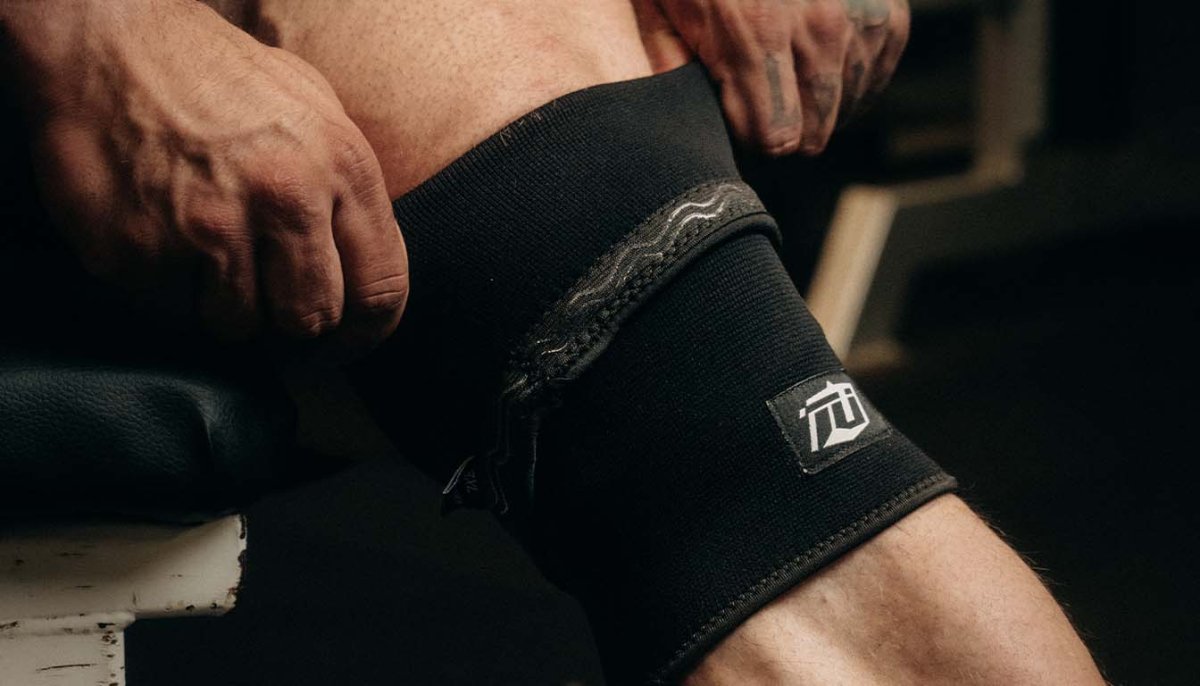
Post-session hygiene is a common oversight in strength training. Use the dedicated wet/dry compartments to isolate your heavy duty knee sleeves after a session. These sleeves absorb significant moisture and can develop odours if left in the main compartment with clean clothes. By separating them, you maintain the integrity of your kit and ensure your bag stays fresh between training days.
Quick-Access Essentials
Accessibility matters when you only have 60 seconds between sets. Use the front "admin" pockets of your tactical gym backpack for smelling salts, wrist wraps, and figure-8 straps. This organisation allows you to grab your essentials without opening the main clamshell. It keeps your focus entirely on the platform rather than your luggage. If you need a bag built for this level of utility, view our professional Tactical Back Packs here.
Why Choose a Team Industry Tactical Backpack?
Selecting a tactical gym backpack is an investment in your training infrastructure. Our bags aren't mass-produced fashion items; they're professional-grade tools designed by lifters who understand the grit of the UK strength scene. Every component is built to handle the extreme weight of strongman and powerlifting gear. We use high-density fabrics and reinforced stitching because we know that gear failure during a commute or a competition isn't just an inconvenience, it's a distraction from your goals.
Our philosophy is rooted in collective collaboration. Every purchase helps us support UK strength federations and local events, strengthening the community we serve. We offer a pragmatic solution for athletes who value reliability over hyperbolic marketing. A quick actionable tip: always check the reinforced handles on your bag. These are essential for lifting a fully loaded 45L pack into a locker or car boot safely, ensuring the straps don't fail under the tension of a heavy kit.
A Vital Part of Your Strength Infrastructure
Our tactical gym backpack integrates perfectly with the wider Team Industry range. It provides specific, secure storage for your 13mm lever belts and heavy duty knee sleeves. This ecosystem ensures your equipment remains protected and organised, allowing you to focus entirely on your performance. It's the dependable choice for athletes who require stability in their daily operations.
Get the Gear
Stop settling for bags that break under the pressure of serious training. You need equipment that matches your work ethic and survives the harshest gym environments. Browse our full collection of tactical backpacks and strength gear today. Join the community and invest in gear that's built to last for years of heavy lifting.
Prepare Your Kit for Peak Performance
A reliable gear system is a fundamental part of your training infrastructure. By choosing a tactical gym backpack with heavy-duty 900D construction, you ensure your bag survives the high-stress environment of a powerlifting or strongman gym. You've learned that a clamshell design and modular compartments are essential for managing the bulk of 13mm lever belts and protecting your apparel from liquid chalk. These features allow you to focus on the platform rather than your luggage.
Every Team Industry bag is tested by professional UK strength athletes to guarantee it handles the heaviest loads without failure. Our equipment is designed specifically for those who value stability and pragmatic design. Investing in professional-grade gear supports the wider UK strength community and ensures you have a dependable partner for every session.
Upgrade your gym carry with a Team Industry Tactical Backpack today. Train with confidence knowing your gear is as resilient as your work ethic.
Frequently Asked Questions
Are tactical gym backpacks waterproof?
Most professional tactical gym backpacks are water-resistant rather than fully waterproof. The high-density 900D polyester fabric used in our Tactical Back Packs naturally repels light rain and moisture. This protection is essential for UK athletes travelling between the car and the gym. You shouldn't submerge the bag in water; moisture can eventually seep through the zips and stitching during prolonged exposure to heavy downpours.
What size tactical backpack do I need for powerlifting gear?
You should choose a size based on your daily equipment volume. A 35L tactical gym backpack is ideal for standard sessions including shoes and a change of clothes. If you carry a 13mm Lever Belt, multiple pairs of shoes, and Heavy Duty Knee Sleeves, a 45L model is the pragmatic choice. This larger capacity ensures you don't strain the zips when packing bulky strength equipment.
Can I use a tactical gym backpack as cabin luggage on a flight?
Yes, most 35L and 45L tactical gym backpack designs fit within standard airline carry-on dimensions. These bags are a popular choice for travelling athletes because the compression straps allow you to reduce the bag's profile when it isn't fully loaded. Always check your specific airline's size and weight restrictions before arriving at the airport. The durable construction ensures your gear remains protected in overhead lockers during international competitions.
How do I clean my tactical gym backpack without damaging the material?
Clean your bag using a soft brush or cloth with mild soap and lukewarm water. You should avoid machine washing or using a tumble dryer; the heat and agitation can degrade the water-resistant coatings and internal liners. Focus on spot cleaning high-contact areas like the handles and shoulder straps. After cleaning, hang the bag to air dry completely in a well-ventilated area away from direct sunlight to maintain the fabric's integrity.
Why is a clamshell opening better for gym bags?
A clamshell opening allows the bag to unzip and lay completely flat like a suitcase. This design is superior for strength athletes because it provides immediate visibility of all your equipment. You won't have to dig through a dark main compartment to find small items like liquid chalk or Wrist Wraps. It makes packing and unpacking significantly more efficient, especially when managing large items like lifting belts.

Share:
Heavy Duty Knee Sleeves: The Ultimate Guide to Support and Performance