

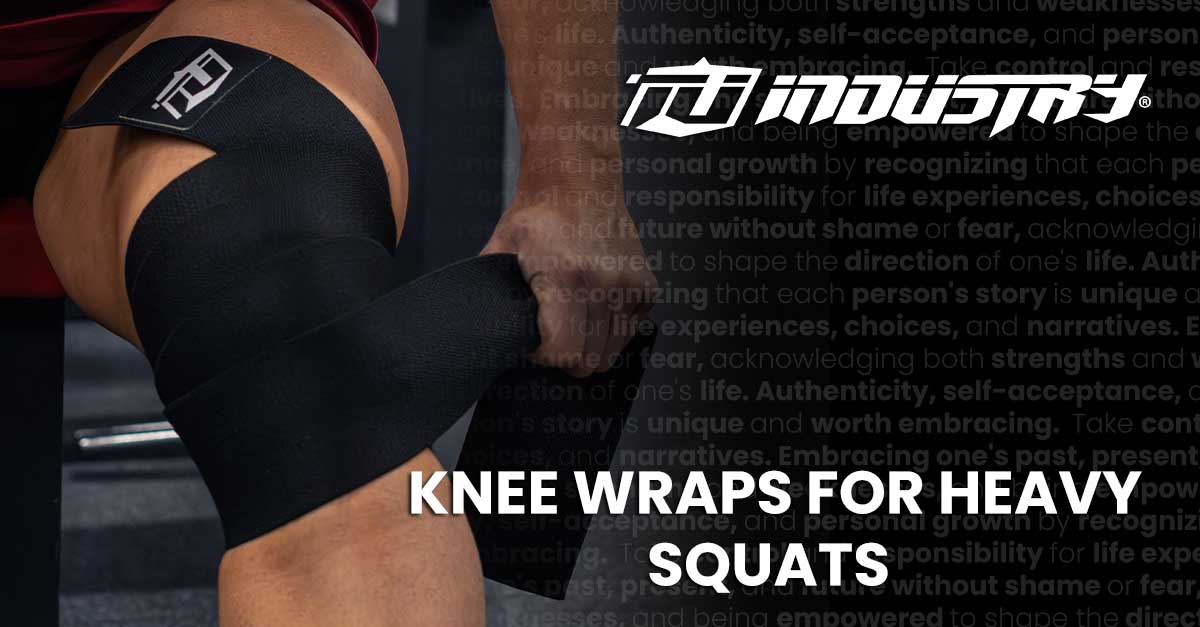
Knee Wraps for Heavy Squats: Benefits, Uses & Training Tips
When it comes to weight training, the squat is king. It builds strength, muscle, and overall athletic performance. But as the weight on the bar increases, so does the stress on your knees. That’s why many lifters turn to knee wraps for squats.
Whether you’re a competitive powerlifter or someone pushing heavy loads in the gym, understanding the benefits of knee wraps for heavy squats can help you lift more safely and effectively.
What Are Knee Wraps in Weightlifting?
Knee wraps are long, elastic bands—usually about 72 inches—wrapped tightly around the knees before heavy lifting. Unlike knee sleeves (which offer compression and warmth), knee wraps provide mechanical support by storing energy during the squat and releasing it as you push back up.
This makes them especially popular in powerlifting competitions and among lifters training near their one-rep max.
Benefits of Knee Wraps for Squats
1. Increased Squat Strength and Performance
Knee wraps work like a spring. As you descend into the squat, the elastic material stretches and stores energy. When you drive upward, that stored energy helps propel you out of the bottom position—allowing you to lift heavier weights.
2. Reduced Stress on Knee Joints
Heavy squats place significant pressure on the knees. Knee wraps provide extra support by limiting excessive movement, which helps reduce wear and tear on ligaments, tendons, and cartilage.
3. Better Stability Under Heavy Loads
When you’ve got serious weight on your back, stability is everything. Knee wraps give a “locked-in” feeling, helping you stay tight and maintain proper form throughout the lift.
4. Confidence Boost During Max Effort Lifts
Lifting heavy is as much mental as it is physical. With knee support wraps, lifters often feel more confident going for personal records, knowing their joints are protected.
5. Ability to Handle Heavier Training Loads
Because of the rebound effect, lifters often find they can add extra pounds to the bar when using knee wraps. This makes them especially valuable during testing or peaking cycles.
When Should You Use Knee Wraps?
Knee wraps aren’t meant for every training session. They’re best used for:
-
One-rep max attempts
-
Heavy squats (85–100% of max)
-
Powerlifting meets
-
Training cycles focused on strength PRs
For everyday training, warm-ups, or moderate weights, knee sleeves are a better option since they support the joint without restricting movement.
Drawbacks of Knee Wraps
While knee wraps offer significant benefits, they also have some limitations:
-
They can change squat mechanics by encouraging more forward knee travel.
-
Wrapping them tightly takes time and practice.
-
Not necessary for beginners or general fitness lifters.
Final Thoughts on Knee Wraps
If you’re serious about heavy squats and want to protect your knees while pushing big numbers, knee wraps are a valuable tool. They provide support, stability, and a mechanical edge that can take your squat performance to the next level.
Just remember: knee wraps should be used strategically for max effort training—not as a crutch for every workout.
Discover Team Industry Knee Wraps and Supports here: https://teamindustry.co.uk/collections/joint-support
❓ FAQ: Knee Wraps for Squats
1. Are knee wraps good for squats?
Yes, knee wraps are excellent for heavy squats. They improve stability, reduce joint stress, and allow lifters to move more weight.
2. Do knee wraps make you squat more?
Yes. The elastic material in knee wraps stores energy during the squat and releases it as you push upward, helping you lift heavier loads.
3. What’s the difference between knee wraps and knee sleeves?
-
Knee wraps: Provide mechanical support and help with heavier squats.
-
Knee sleeves: Offer compression, warmth, and joint support for general training.
4. Should beginners use knee wraps?
Beginners don’t need knee wraps. It’s better to build raw strength and proper squat form before using wraps for heavy lifts.
5. How tight should knee wraps be?
Knee wraps should be snug enough to provide support without cutting off circulation. Most lifters prefer a tight wrap for max lifts and a looser wrap for training. Overall knee wraps are too tight to keep on for all your sets and need to be re wrapped each time you take to the platform.

Share:
Weight Lifting Benefits: How Strength Training Boosts Health & Longevity
Knee Sleeves Vs Knee Wraps - Which Ones To Wear When?