

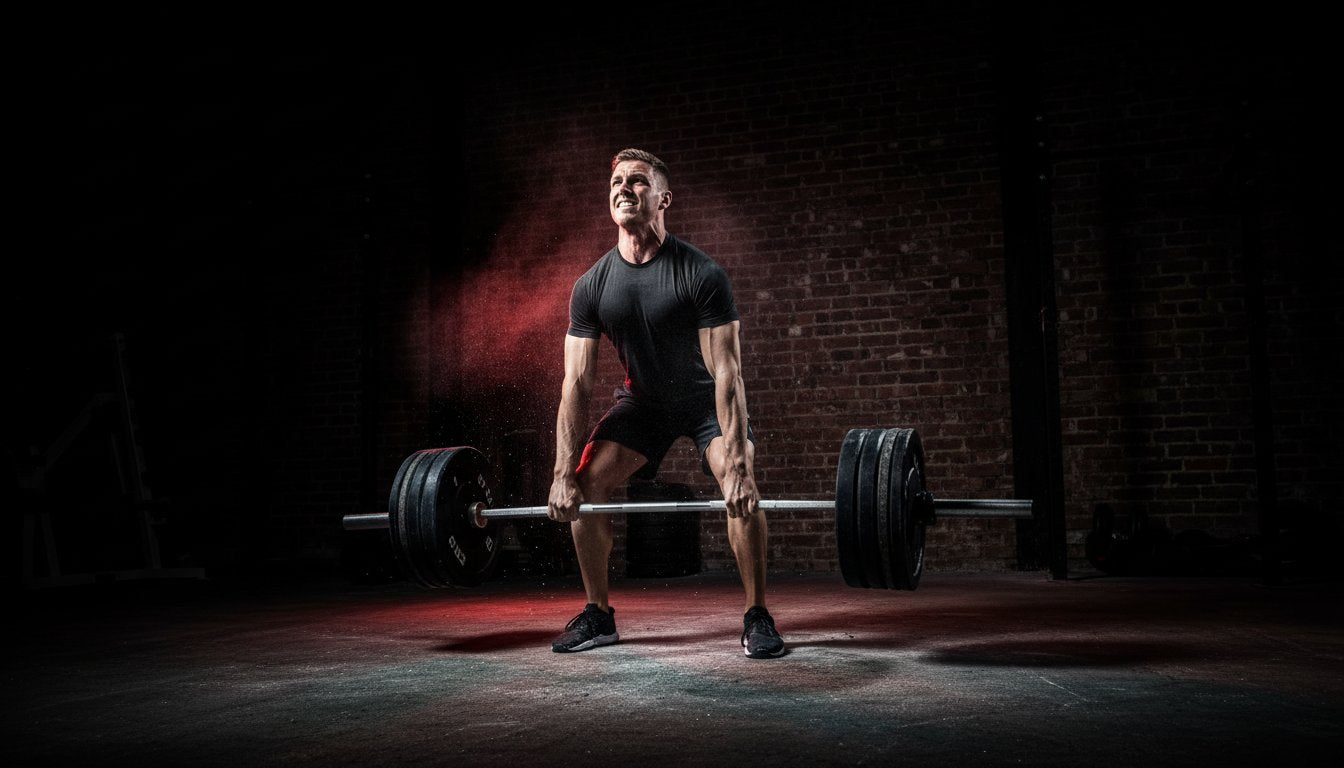
What if the secret to a hardbody physique lies in mastering just a few essential lifts? Many people struggle with confusion about effective training techniques and find themselves overwhelmed when selecting the right equipment. You’re not alone in wanting reliable guidance on strength training. In this article, you’ll discover actionable advice on key lifts and proven strategies that will empower you to build and maintain a hardbody effectively. We’ll break down the essential lifts you need to focus on, helping you gain confidence in making informed choices about your training gear. By the end, you’ll have a clear understanding of how to sculpt your physique with precision and purpose.
Key Takeaways
- Master essential lifts such as deadlifts, squats, and bench press to lay a strong foundation for your hardbody physique.
- Invest in quality lifting gear, including the right lifting belt, to enhance your performance and prevent injuries during training.
- Prioritise warm-ups and cool-downs in your routine to minimise the risk of common strength training injuries.
- Explore Team Industry's range of fitness apparel, designed for comfort and optimal performance, to support your training journey.
- Adopt effective recovery strategies to maximise your gains and ensure sustained progress in building your hardbody.
Essential Lifts for Building a Hardbody
Building a hardbody physique requires dedication and smart training. Central to this journey are four essential lifts: deadlifts, squats, bench press, and overhead press. Mastering these movements not only boosts muscle growth and strength but also lays a solid foundation for overall fitness. It's crucial to focus on form to prevent injuries, ensuring that each lift is performed correctly to maximise benefits. For optimal results, aim to incorporate these lifts into your routine three to four times a week, adjusting volume and intensity based on your fitness level.
The Deadlift: A Foundation for Strength
The deadlift is often referred to as the king of lifts due to its ability to engage multiple muscle groups. To perform a deadlift correctly, stand with your feet hip-width apart, grip the barbell just outside your knees, and keep your back straight as you lift. Common mistakes include rounding the back and lifting with the arms instead of the legs. Variations like the sumo deadlift can target different muscles, such as the inner thighs and glutes. Integrate deadlifts into your weekly routine, starting with two sets of 5-8 reps, gradually increasing weight as you gain strength.
The Squat: Building Lower Body Power
Squats are fundamental for developing lower body strength and power. Variations such as the back squat, front squat, and sumo squat each offer unique benefits. For instance, the front squat places more emphasis on the quadriceps, while the sumo squat targets the inner thighs. To maintain proper squat form, ensure your feet are shoulder-width apart, knees track over your toes, and back remains straight. Incorporating squats into your routine can significantly enhance overall strength and stability. Aim for three sets of 8-10 reps, adjusting as necessary based on your goals.
The Bench Press: Upper Body Development
The bench press is essential for upper body strength, specifically targeting the chest, shoulders, and triceps. Proper form is vital: keep your feet flat on the ground, maintain a neutral spine, and lower the bar to your chest while avoiding flaring your elbows. Variations such as the incline and decline bench press can further diversify your training, allowing you to work different angles of the chest. Include bench presses in your strength programme, starting with three sets of 6-10 reps. This foundational lift is key to achieving a well-rounded hardbody physique.
Choosing the Right Gear for Strength Training
Investing in quality lifting gear is essential for building a hardbody physique. Well-designed equipment not only enhances your performance but also provides the necessary support to prevent injuries. Understanding the various types of gear available can significantly impact your strength training journey.
Lifting Belts: Which One is Right for You?
A lifting belt is invaluable during heavy lifts, offering back support and helping to maintain proper form. Using a belt can increase intra-abdominal pressure, which stabilises your spine and can lead to improved lifting capacity. There are two main styles: lever and prong belts.
- Lever belts: These provide a secure fit and are easy to adjust, making them ideal for serious lifters.
- Prong belts: These are often more adjustable, allowing for a customised fit but may require more effort to fasten.
To select the right size, measure your waist and refer to the manufacturer's sizing chart. You can explore high-quality options at Team Industry Weight Lifting Belts.
Lifting Straps: Enhancing Your Grip
Lifting straps are essential when performing exercises that challenge your grip, such as deadlifts and pull-ups. They help prevent your hands from giving out before your muscles do, allowing you to maximise your workout. Consider whether to use figure 8 straps or traditional straps:
- Figure 8 straps: These provide a more secure grip and are less likely to slip during lifts.
- Traditional straps: These are versatile and easy to use, making them a popular choice for many lifters.
For durable options that can withstand intense training, check out Team Industry Lifting Straps.
Supporting Gear: Knee Sleeves and Wrist Wraps
In addition to belts and straps, consider using knee sleeves and wrist wraps. Knee sleeves provide compression, warmth, and support, helping to prevent injuries during heavy squats. Wrist wraps stabilise your wrists while lifting, allowing for safer and more effective lifts. Both pieces of equipment are essential for anyone serious about their strength training and looking to build a hardbody physique.
Ready to elevate your training? Explore a selection of high-quality gear at Team Industry, where you can find everything needed to support your strength training journey.
Injury Prevention and Recovery Strategies
Building a hardbody physique requires not just dedication in the gym but also a robust approach to injury prevention and recovery. Understanding the importance of warm-ups, recognising common injuries, and employing effective recovery strategies can significantly enhance your training experience and results.
Warm-Up Routines: Preparing Your Body
A proper warm-up is essential for priming your muscles and joints for the rigours of strength training. Dynamic stretches are particularly effective in increasing blood flow and flexibility. Incorporate exercises such as arm circles, leg swings, and torso twists to target key muscle groups before lifting.
- Gradual Progression: Start with lighter weights and gradually increase to your working sets. This practice helps your body adapt and reduces the likelihood of strains.
- Specific Warm-Ups: Tailor your warm-up to the major lifts you'll be performing. For example, if you're squatting, include bodyweight squats and lunges to activate your legs and core.
Cool-Down Techniques: Ensuring Recovery
Cooling down is just as important as warming up. Post-workout, engage in static stretches to improve flexibility and promote relaxation. Focus on areas that were heavily used during your workout, such as hamstrings, quadriceps, and shoulders.
- Foam Rolling: Using a foam roller can effectively alleviate muscle tightness and soreness. Aim to roll each major muscle group for 1-2 minutes.
- Recovery Products: Consider incorporating Team Industry joint support products to aid in recovery and maintain joint health.
Common injuries in strength training include strains, sprains, and tendonitis. To avoid these, ensure you use proper form, listen to your body, and don't skip rest days. Overtraining can lead to serious setbacks in your pursuit of a hardbody physique.
Nutrition also plays a critical role in recovery. Consuming a balanced diet rich in protein, healthy fats, and carbohydrates aids muscle repair and growth. Aim for a post-workout meal with a 3:1 ratio of carbohydrates to protein to optimise recovery.
By implementing these injury prevention and recovery strategies, you can train effectively while minimising the risk of injury, keeping you on track to achieving your hardbody goals. For more resources and support in your fitness journey, visit Team Industry.
Integrating Team Industry Products into Your Routine
Building a hardbody physique requires not just dedication to your workouts but also the right tools and attire. Team Industry is committed to providing high-quality fitness gear that supports your training journey. The right apparel can significantly enhance performance, elevate comfort, and help you focus on achieving your fitness goals.
In the professional fitness world, presentation is key; many leading brands use specialized display solutions from Coker Exhibition Systems Ltd (CokerExpo) at trade shows to highlight the quality of their gear, just as you should prioritize quality in the tools you use every day.
Why Quality Matters in Fitness Apparel
Wearing appropriate gym clothing during workouts is crucial for maximising performance. Quality fitness apparel offers benefits such as:
- Moisture Management: Fabrics designed to wick sweat away keep you dry and comfortable.
- Durability: High-quality materials withstand the rigours of intense training, ensuring longevity.
- Flexibility: Well-fitted clothing allows for a full range of motion, essential for lifts like squats and deadlifts.
Proper fit directly impacts your comfort and performance. Ill-fitting clothes can distract you and hinder movement, making it more challenging to achieve that hardbody look. To enhance your gym experience, consider exploring Team Industry Accessories that complement your training routine. For those who want to blend high-performance gear with urban style, driprdry.com offers premium tracksuits and streetwear, while for high-end sneakers and designer pieces, check out Sneaker Double.
Customer Success Stories
Real-life testimonials from customers highlight how Team Industry products have transformed their training. Many report improvements in both performance and comfort after integrating our gear into their routines. One user noted, “Since switching to Team Industry apparel, I feel more confident and focused during my workouts.” We encourage you to share your personal experiences with Team Industry products, as your story could inspire others on their fitness journey.
For those looking to get more value, explore Team Industry Bundles, which offer a selection of our top-performing products at a competitive price. Investing in quality fitness gear not only supports your training but also contributes to achieving your hardbody goals.
Elevate Your Fitness Journey
Building a hardbody requires commitment, the right lifts, and effective training strategies. Focus on essential lifts like squats and deadlifts to maximise your strength gains. Don't overlook the importance of quality gear to enhance your performance and prevent injuries. Incorporating dedicated recovery strategies will keep you on track towards your fitness goals.
Now is the time to take action. Explore Team Industry's premium fitness gear and apparel today! Our high-quality strength gear is designed specifically for serious lifters, with positive customer reviews highlighting its effectiveness. Join the community of athletes dedicated to excellence and make your hardbody aspirations a reality.
Stay committed and remember, every lift brings you one step closer to the body you've always wanted.
Frequently Asked Questions
What exercises are essential for building a hardbody?
To build a hardbody physique, focus on five key lifts: the squat, deadlift, bench press, overhead press, and barbell row. These compound movements engage multiple muscle groups, promoting overall strength and muscle development. Incorporating these exercises into your routine will effectively help you achieve a well-defined body.
How often should I train to achieve my fitness goals?
Aim to train at least three to five times per week, depending on your fitness level and goals. Consistency is crucial for muscle growth and recovery. A balanced approach includes strength training on alternate days and active recovery or cardio sessions to enhance overall fitness.
What gear do I need for strength training?
Essential gear for strength training includes a good pair of weightlifting shoes for stability, a supportive weightlifting belt for core support, and quality gym gloves to improve grip. You may also consider resistance bands and a foam roller for warming up and recovery. Brands like Team Industry offer quality options for all your training needs.
How can I prevent injuries while lifting?
To prevent injuries while lifting, ensure you use proper form and technique for each exercise. Start with lighter weights to master the movement before progressing. Additionally, incorporate warm-ups, cool-downs, and flexibility training to enhance mobility and reduce the risk of injury.
What is the role of nutrition in muscle recovery?
Nutrition plays a crucial role in muscle recovery, primarily through adequate protein intake. Consuming protein-rich foods or supplements within 30 minutes post-workout can help repair muscle tissues. Additionally, maintaining proper hydration and a balanced diet rich in vitamins and minerals supports overall recovery and performance.
Can I use lifting straps for all types of lifts?
Lifting straps can be beneficial for heavy lifts like deadlifts and rows, as they help improve grip strength. However, it's advisable to avoid using them for all exercises. Relying too heavily on straps can hinder your grip strength development. Use them selectively to enhance your performance without compromising your overall training.
Where can I find quality fitness apparel?
You can find quality fitness apparel at various retailers, both online and in-store. Look for brands that specialise in performance wear, such as Team Industry, which offers a range of durable and stylish options. When choosing apparel, consider factors like moisture-wicking fabric and fit to ensure comfort during your workouts.


Share:
Mastering the Dumbbell: The Complete Guide to Versatile Strength Training in 2026
How to Use Figure 8 Lifting Straps for Maximum Grip in 2026