

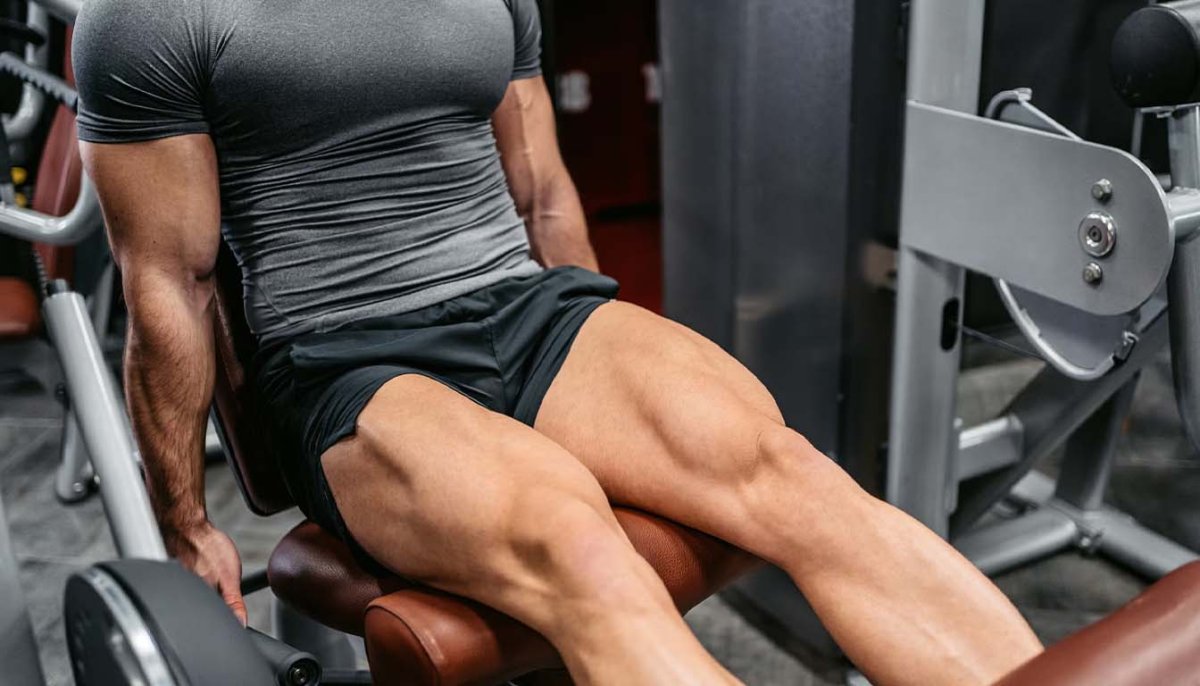
Did you know a ten-week study revealed that the rectus femoris and hamstrings see almost zero growth from squatting alone? It's a frustrating reality for many lifters who put in the hard work but still face stagnant leg growth. You likely agree that a heavy barbell session should be enough to see results, yet your lower body development isn't matching your effort. Finding the best gym routine to develop your legs requires more than just grit; it demands a calculated balance of heavy compound loading and strategic isolation.
This guide provides a professional-grade routine that merges powerlifting strength with bodybuilding hypertrophy to help you build a true hardbody physique. We'll address common issues like knee discomfort and grip fatigue on RDLs while showing you how to structure your training for maximum efficiency. You'll also understand which gear, such as Heavy Duty Knee Sleeves or a 13mm Lever Belt, is necessary for supporting heavy loads. Let's get started.
Key Takeaways
- Achieve a "hardbody" physique by integrating powerlifting strength with bodybuilding hypertrophy to target every muscle group from the quadriceps to the calves.
- Learn the best gym routine to develop your legs through a step-by-step programme that transitions from heavy primary movers to high-volume posterior chain work.
- Improve your lifting longevity and bracing power by incorporating essential gear like Heavy Duty Knee Sleeves and a 13mm Lever Belt for your heaviest sets.
- Drive long-term results through progressive overload and stay comfortable during high-intensity sessions with the Industry Oversized Tee.
The Fundamentals of Lower Body Development
Building a resilient lower body requires a comprehensive understanding of the four primary muscle groups:
- Quadriceps: The front-facing powerhouses responsible for knee extension.
- Hamstrings: Essential for knee flexion and hip extension.
- Glutes: The primary drivers for power and stability.
- Calves: Critical for ankle mobility and explosive movement.
While many programs focus solely on aesthetics, the best gym routine to develop your legs prioritises the "Hardbody" concept. This philosophy ensures your physique looks as powerful as it performs. You aren't just chasing a temporary "pump" through metabolic stress; you're building dense muscle fiber through consistent mechanical tension.
The industry standard for lower body development relies on heavy compound movements. These exercises recruit multiple joints and muscle groups simultaneously, creating the necessary stimulus for growth. The Squat (exercise) remains the cornerstone of this approach. It allows for the highest level of loading while engaging the entire lower chain.
The Role of Mechanical Tension in Muscle Growth
Lifting heavy loads is the primary driver for leg density. When you subject your muscles to high levels of tension, you trigger a robust hormonal response and structural adaptations. Compound lifts are superior because they allow you to move the most weight. This total-body demand is what separates a functional, powerful look from one that's merely aesthetic.
Anatomy of a Strength-First Leg Session
Structure your sessions by prioritising the "Big Lifts" while your central nervous system is fresh. Start with your heaviest compound movement before moving into accessory work. To prevent muscular imbalances and ensure long-term joint health, balance these heavy lifts with unilateral exercises. Using professional gear like a 13mm Lever Belt can help you maintain intra-abdominal pressure during these critical opening sets. This ensures you're braced for maximum output and safety.
The Industry Hybrid Leg Routine: A Step-by-Step Programme
To implement the best gym routine to develop your legs, you must move from high-intensity power work to high-volume hypertrophy. This structure ensures you build thick muscle tissue and functional strength simultaneously. Follow this four-step sequence for optimal results:
- Step 1: The Primary Mover. Barbell Back Squats. Perform 3-5 sets of 5 reps. This builds a foundation of raw power.
- Step 2: The Posterior Chain King. Romanian Deadlifts (RDLs). Perform 3 sets of 8-10 reps to develop hamstring thickness and hinge strength.
- Step 3: Hypertrophy Volume. Leg Press or Hack Squat. Perform 3 sets of 12-15 reps to maximise metabolic stress and muscle growth.
- Step 4: Unilateral Finishing. Walking Lunges or Bulgarian Split Squats. Perform 2 sets of 10-12 reps per leg to fix muscular imbalances.
Mastering the Barbell Squat
Success starts with technique. Keep your chest up and drive your knees outward to create space for your hips. For a deeper, safer movement, focus on your bracing sequence before you unrack the bar. You can find detailed technical cues in our guide on Mastering the Squat. Consistent form is the only way to ensure long-term progress without injury.
Optimising the Romanian Deadlift (RDL)
The RDL is a hinge, not a pull. Push your hips back until you feel a deep stretch in your hamstrings while keeping the bar close to your shins. Avoid rounding your lower back by maintaining a neutral spine throughout the movement. Often, your grip will fail before your legs are fully fatigued. Using Industry Figure 8 Lifting Straps allows you to focus entirely on the posterior chain without worrying about the bar slipping. If you want to push your limits safely, consider adding professional strength gear to your training kit.
Essential Strength Gear for Heavy Leg Days
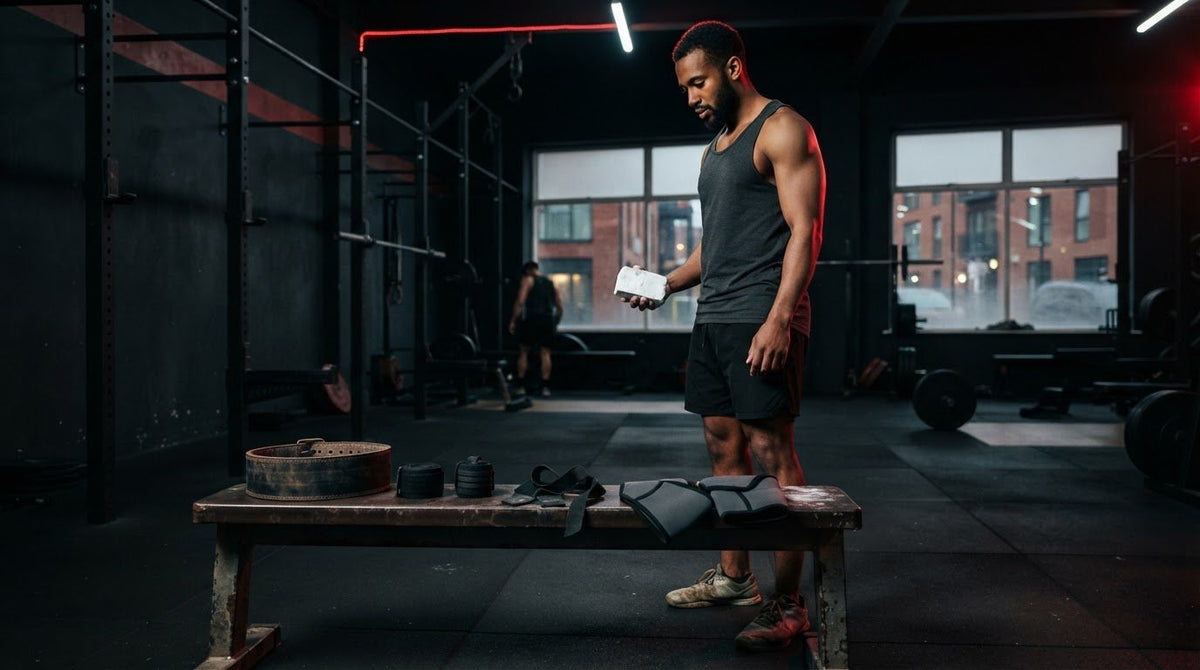
Executing the best gym routine to develop your legs requires more than just effort; it requires technical support to handle the physical demands of heavy loading. Professional gear allows you to push sets closer to absolute failure while managing the inherent risks associated with high-intensity training. Refer to our Guide to Professional Strength Gear for a deeper look at equipment standards and safety.
Knee Sleeves vs. Wraps: Which Do You Need?
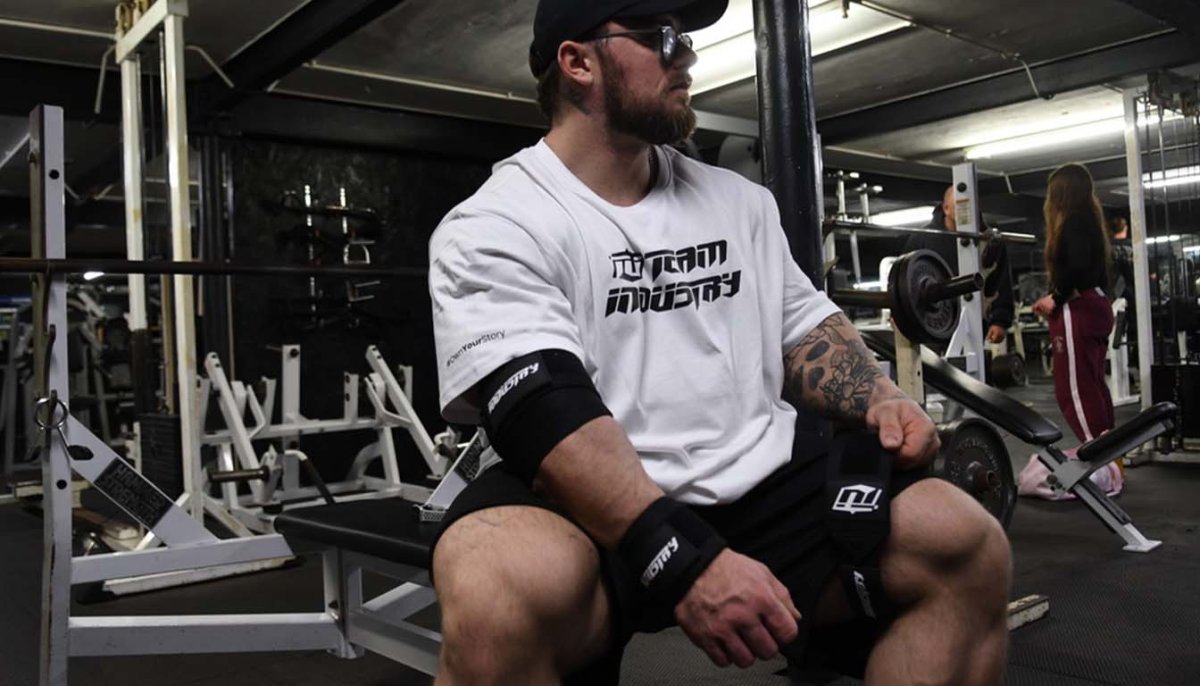
Knee sleeves provide compression, warmth, and improved proprioception, making them essential for joint longevity during high-frequency training. While wraps are designed for maximal poundage in competitive powerlifting, Heavy Duty Knee Sleeves are the non-negotiable choice for everyday leg sessions. They keep the joint stable throughout high-volume squatting sets without the restrictive setup time of wraps. This support is vital for maintaining form when fatigue sets in during the later hypertrophy stages of your routine.
Bracing and Intra-Abdominal Pressure
Proper bracing is the foundation of a safe heavy lift. A 13mm Lever Belt acts as a rigid wall for your abdominals to push against, significantly increasing intra-abdominal pressure. This stabilises the spine during high-load movements like squats and Romanian Deadlifts. While a 10mm belt offers more flexibility for general accessory work, the 13mm version provides the maximum support required for your heaviest compound sets. It ensures your core remains a solid pillar, preventing the lower back discomfort that often halts progress.
Using the right equipment ensures you spend more time under the bar and less time recovering from preventable strain. Upgrade your training kit by browsing our Industry strength gear to ensure you're prepared for the rigours of a professional-grade leg session.
Maximising Recovery and Long-Term Progression
Growth doesn't stop when you leave the weight room. The best gym routine to develop your legs is only as effective as the recovery phase that follows. You must apply progressive overload with military precision. This involves adding weight to the bar, increasing repetitions, or refining your technical execution every single week. Without this measured approach, your progress will eventually stall.
Large muscle groups like the quadriceps and hamstrings require substantial nutrient density and consistent sleep to repair. During high-intensity sessions, your choice of attire significantly impacts your focus and performance. The Industry Oversized Tee is the professional choice for temperature regulation. It provides the necessary range of motion for deep squats while managing moisture. For a broader look at performance gear, consult our Bodybuilding Apparel Guide.
Tracking Your Lifts
An industry specialist never guesses their numbers. You need a detailed training log to ensure you're moving forward. Recording your sets, reps, and RPE (Rate of Perceived Exertion) prevents the plateaus that occur when lifters rely on memory. Long-term leg development is a result of data-driven adjustments. If you don't track your output, you can't manage your growth.
Active Recovery and Mobility
On rest days, use light movement to flush lactic acid and maintain joint health. Active recovery is a vital component of the best gym routine to develop your legs. Wearing Industry Performance Leggings provides the graduated compression needed to support blood flow during these mobility sessions. This proactive approach ensures you're ready for your next heavy session without lingering stiffness or discomfort. Stay committed to the process outside the gym to see the results inside it.
Build Your Foundation for Long-Term Strength
Developing a powerful lower body requires a calculated balance of heavy compound loading and high-volume hypertrophy. You now have a professional-grade blueprint that addresses common pains like knee discomfort and grip fatigue. By following the best gym routine to develop your legs, you ensure that your physique looks as strong as it performs. Success in the weight room is built on consistency, proper bracing, and the discipline to track every lift.
Team Industry gear is designed by lifters, for lifters, using heavy-duty materials built for the grit of a professional gym. Our equipment is the trusted choice for professional UK powerlifters and strongmen who demand durability and reliability under maximum loads. Don't let inferior gear limit your progress or compromise your safety during heavy compounds.
Shop the full Team Industry Strength Gear collection here
Stay focused on the fundamentals and push for progressive overload every week. You've got the plan; now it's time to put in the work.
Frequently Asked Questions
How many times a week should I train legs for the best results?
You should train legs one to two times per week for optimal results. High-frequency training allows for greater weekly volume, but your legs require significant recovery time due to the size of the muscle groups involved. Research suggests targeting 5 to 20 sets per muscle group weekly. If you're following the best gym routine to develop your legs, focus on quality over quantity to ensure full repair between sessions.
Do I really need a lifting belt for leg day?
A lifting belt is essential for maintaining safety during heavy compound lifts like squats and deadlifts. It provides a rigid surface for your core to push against, increasing intra-abdominal pressure and stabilising your spine. For maximum support on your heaviest sets, we recommend a 13mm Lever Belt. This professional-grade gear helps you push closer to failure while reducing the risk of lower back strain.
Can I build big legs without doing barbell squats?
You can build impressive legs without barbell squats by using alternatives like hack squats, leg presses, or Bulgarian split squats. While the traditional squat is the gold standard for mechanical tension, individual biomechanics or injuries might make other movements more effective for you. The best gym routine to develop your legs focuses on progressive overload across any heavy compound movement that allows you to safely increase weight over time.
Should I use lifting straps for Romanian Deadlifts?
You should use lifting straps for Romanian Deadlifts if your grip fails before your hamstrings are fully fatigued. The RDL is designed to target the posterior chain, and holding a heavy bar shouldn't be the limiting factor. Using Figure 8 Lifting Straps ensures the bar stays secure, allowing you to focus entirely on the hip hinge and muscle contraction for better growth.
What is the best rep range for leg growth?
The best rep range for leg growth is a hybrid approach that combines low and moderate repetitions. Perform your primary heavy movements in the 5 to 8 rep range to build raw strength and density. Follow this with accessory exercises in the 10 to 15 rep range to maximise metabolic stress and hypertrophy. This variety ensures you recruit both fast-twitch and slow-twitch muscle fibres for total lower-body development.
Share:
The Best Gym Routine to Build a Big Back: Complete Guide
The Best Gym Routine for Bigger Arms: A Complete Guide