

The Benefits of Smelling Salts for Weightlifting: A Deep Dive into the Hype
If you've ever watched powerlifters backstage at a meet or scrolled past a video of someone violently inhaling a mystery ampoule before a massive deadlift, you've seen smelling salts in action. What once lived in the realm of medical emergencies is now a staple in many serious lifters’ gym bags.
But what exactly are smelling salts, and do they really enhance performance in the gym? Let’s break it down.
What Are Smelling Salts?
Smelling salts are a combination of ammonium carbonate and perfume. When opened or crushed, they release ammonia gas, which irritates the mucous membranes in the nose and lungs. This triggers an inhalation reflex, causing you to breathe faster and become more alert.
Originally used to revive people from fainting, they've found a second life in sports—especially powerlifting, weight training, strongman and bodybuilding.
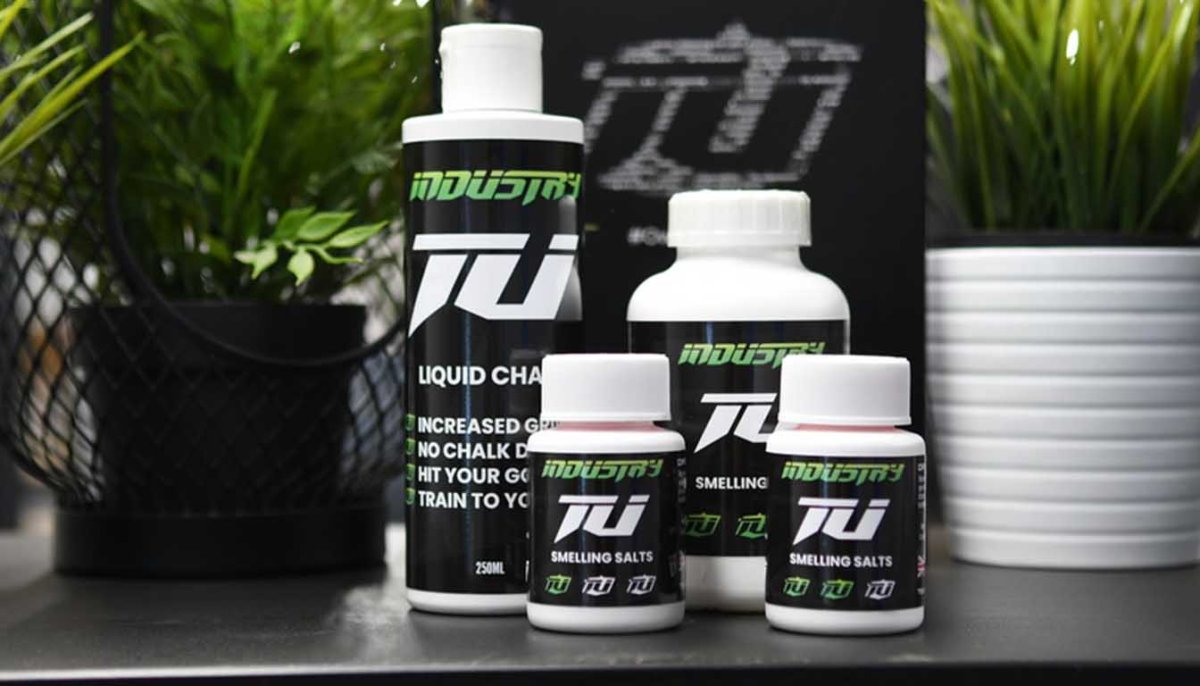
Team Industry offer 3 types of smelling salts
Level 1 - Entry - https://teamindustry.co.uk/collections/accessories/products/industry-smelling-salts-strength-1
Level 2 - Competition - https://teamindustry.co.uk/collections/accessories/products/industry-smelling-salts-strength-2
Level 3 - Advanced / Experienced lifter - https://teamindustry.co.uk/collections/accessories/products/industry-smelling-salts-strength-3
Why Lifters Use Smelling Salts
1. Increased Alertness and Focus
The main benefit? A sharp neurological jolt. When you inhale the ammonia, your body responds with a mini "fight or flight" reaction. Heart rate spikes, breathing deepens, and for a brief moment, you're hyper-aware. This can help you zone in right before a max-effort lift.
2. Adrenaline Boost
The body's response to smelling salts can lead to a temporary release of adrenaline. That hormone surge may translate into increased strength output and explosiveness—especially helpful for one-rep max attempts.
3. Breaking Through Mental Barriers
Sometimes, lifting heavy isn't just physical—it's psychological. That cloud of self-doubt or hesitation before a heavy squat can kill momentum. Smelling salts shock your system and override hesitation, helping you commit fully to the lift.
4. Arousal Regulation
For many athletes, managing arousal (how “amped up” you are) is crucial. Too calm, and you're sluggish. Too hyped, and technique breaks down. Smelling salts can provide just the right spike in arousal—if used strategically.
When (and When Not) to Use Them
✅ Good Times to Use:
-
Attempting a new PR
-
Feeling mentally foggy before a lift
-
Before big lifts during competition
❌ Times to Avoid:
-
During warm-ups or submaximal training
-
When relying on them as a crutch every session
-
If you have respiratory issues or heart conditions
Are There Any Risks?
Used occasionally and responsibly, smelling salts are generally safe. However, chronic overuse can irritate the nasal passages, desensitise your nervous system to stimulation, and potentially lead to dependence for motivation.
More seriously, those with asthma, heart conditions, or high blood pressure should steer clear or consult a medical professional first.
Final Thoughts:
Smelling salts aren’t magic, but they can be a powerful tool when used sparingly and purposefully. They won’t fix poor technique, lack of sleep, or inconsistent training—but they can give you the edge to push through that mental wall when the bar feels impossibly heavy.
As with anything in fitness: use with intention, not obsession.
To Long, Didn't Read:
-
Smelling salts trigger a strong neurological reaction that increases alertness.
-
Benefits include heightened focus, adrenaline boost, and mental prep before big lifts.
-
Use them sparingly, ideally only for top sets or competition.
-
Not a substitute for proper training, recovery, or mental discipline.
Have you tried smelling salts before a lift? Share your experience in the comments below!
Shop all Team Industry accessories here - https://teamindustry.co.uk/collections/accessories

Share:
Weight Lifting Belts - The Only Guide You'll Ever Need
The Best Accessories for Bodybuilding: Knee Sleeves, Wrist Wraps, Elbow Sleeves & More