


What if adding another event session is the very thing holding back your progress? Strongman rewards event skill, but heavy carries, lifts and event practice all add fatigue. If you’re unsure how to structure a strongman training week, the answer isn’t to cram in more work. Balance event practice with the foundational strength work that supports it, then leave enough room to recover.
It’s understandable to wonder how often to practise events or how to fit them around squats, deadlifts and pressing. A practical week often uses three or four training days, with each session serving a clear purpose. This guide explains how to organise those days, offers an adaptable weekly template and shows how to adjust your workload when fatigue, missed sessions or recovery needs disrupt the plan. Use it as a framework, not a rigid schedule you have to follow at all costs.
Key Takeaways
- Set your week around upcoming events, available training days and the strength or skill that needs the most attention.
- Learn how to structure a strongman training week by giving event practice, main lifts and supporting work distinct roles.
- Use the four-session example as a flexible starting point, not a fixed prescription.
- Adjust training when recovery or performance slips, and avoid cramming missed sessions into fewer days.
Start Your Strongman Training Week With Clear Priorities
A useful training week has three jobs: support event performance, develop general strength and let you train consistently. A strongman training week balances event practice, foundational lifting and recovery around your goals and capacity. Since strongman events demand both strength and practical skill, plan for the demands of the sport, not just time spent lifting. The Strongman (strength sport) overview offers background on its events and format.
Before choosing sessions, consider what events are coming up or what you’re training towards, how much experience you have and how many sessions you can realistically complete. Then identify your current limiting factor: event technique, pressing strength, loaded carries or recovery. These answers give you a more useful starting point than copying a standard split.
Choose the events and strength qualities that matter most
Let likely competition events or a clear training goal guide your event practice. If a medley includes a yoke and farmer’s walk, rehearse the relevant carries. If overhead events are a priority, practise the implement and movement pattern available to you. Keep technical practice distinct from general strength work: technique sessions build familiarity and efficient execution, while foundational lifts develop qualities that transfer across events. Both matter. Give a weak point more attention by shifting the emphasis, not by adding hard work to every session.
Set a realistic weekly training capacity
Map your available training slots alongside work, travel, family commitments and other recovery needs. Assign sessions to days you can protect most weeks. If your schedule allows fewer sessions than an advanced athlete’s routine, don’t force the extra work into shorter gaps. A repeatable plan gives you room to practise, progress and recover. An ambitious split that regularly gets missed is harder to build on. Start with the capacity you have, then review it as your circumstances change.
Balance Strongman Events, Main Lifts, and Recovery
Each part of the week has a job. Event practice develops familiarity and execution; foundational lifts build strength that carries across events; supporting exercises address gaps without taking over the session. When planning how to structure a strongman training week, consider the fatigue each element creates, not just how many exercises fit on paper.
| Training element | Purpose | Example | Fatigue demand |
|---|---|---|---|
| Event practice | Build skill or event-specific capacity | Atlas stones, yoke carries, farmers walks, log press | Variable |
| Foundational lifts | Develop general strength | Squat, deadlift, overhead press | Moderate to high |
| Supporting work | Address a specific weakness | Targeted upper-back or trunk exercises | Low to moderate |
| Recovery | Allow fatigue to settle between demanding sessions | Rest or easy movement | Low |
Give event practice a clear place in the plan
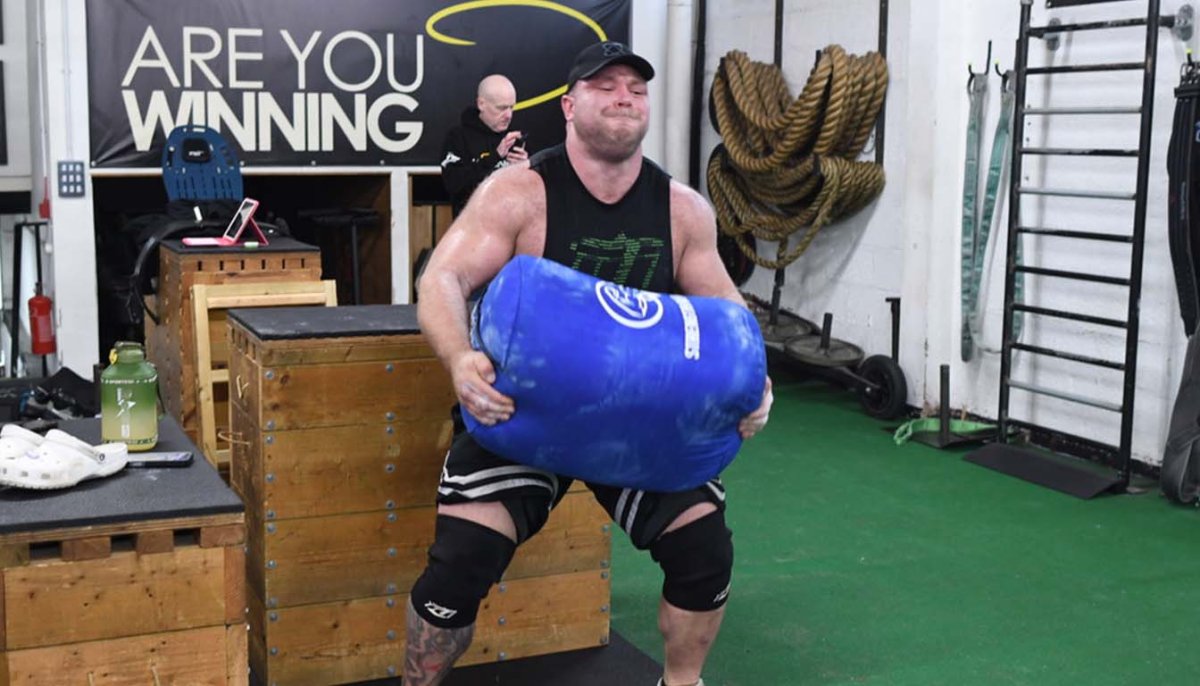
Skill-focused practice uses manageable effort to rehearse positions, setup and transitions. Heavier event work challenges performance and can create substantial fatigue. Prioritise events that match your competition or current goal. Rotate secondary implements when useful, rather than trying to train every event hard each week. A demanding yoke or stone session can affect lower-body lifting, so space taxing work where practical.
Keep foundational strength work purposeful
Choose squat, deadlift and pressing variations to support the demands of your events. If heavy carries already challenge your legs and trunk, avoid making every lower-body lift equally demanding that week. Give each supporting exercise a clear purpose, such as addressing a specific weakness, rather than adding volume by default. Recovery days belong in the plan; they’re not missed training.
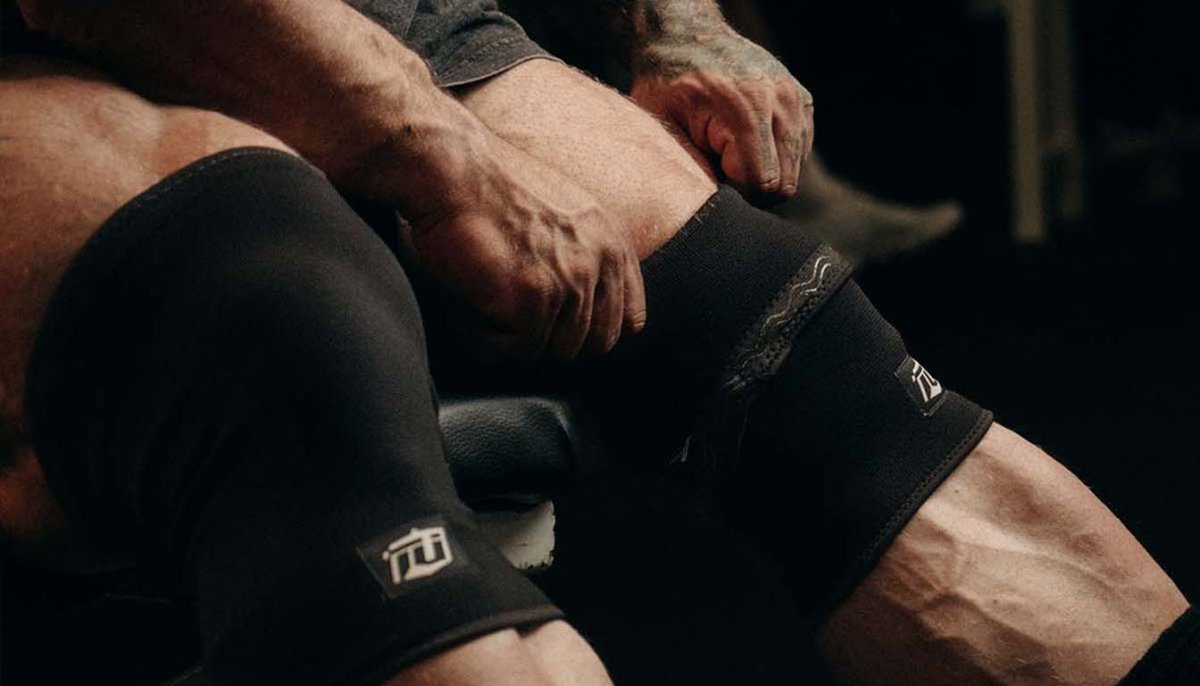
Weekly training stress needs to remain recoverable. Progress depends on being able to adapt and train consistently, not accumulating fatigue faster than you can manage it. If practical, use strength gear suited to your training, but let the plan determine the workload.
Build an Adaptable Strongman Training Week Step by Step
Use this four-session layout as an example, not a prescription. The order creates space between demanding work, but place the sessions around your calendar and recovery. Give each workout a clear purpose rather than copying the same weekdays regardless of your circumstances.
What could a four-session week look like?
- Session one, event technique: Practise competition-relevant movements, focusing on setup, positions and transitions. Prioritise quality rather than turning every set into a test.
- Session two, primary strength: Build a key quality with a main lift, such as a squat or press, then add limited supporting work.
- Recovery interval: Take a rest or lighter day before the next demanding session. Use the gap to recover rather than squeezing in missed hard work.
- Session three, event loading: Train a priority event with more emphasis on work capacity or load. Stop before fatigue undermines your execution.
- Session four, supporting work: Address a specific weakness with manageable accessory work or a less demanding lift.
For a three-session week, combine a short technique block with one strength session, then keep a separate event-focused day and a mixed strength or support session. Trim accessory volume before stacking extra hard sets. This gives event skill and strength work a place without making every workout long or exhausting.
Place event-specific practice around the main lifts
Don’t automatically schedule your hardest yoke or stone session after your heaviest squat or deadlift. Both can challenge your legs and trunk, so separate them where your calendar allows or make one session lighter. Keep accessories tied to a clear need rather than using them to turn each workout into a conditioning test. For suitable pulling work, lifting straps can support your grip when appropriate. Choose only the strength training gear that fits your needs.
To put this template into practice, start with the event you need to improve, then arrange the other sessions around it.
Adjust Your Strongman Week as Training and Recovery Change
A rough session doesn’t always mean your programme needs changing. Look for a repeated pattern: event performance slipping, planned work feeling harder than usual, or recovery not catching up between sessions. A simple training log can help you spot changes. Record what you trained, the event practice completed, how demanding the session felt and how you recovered before the next one.
When should you change the weekly plan?
Review the pattern across several sessions instead of reacting to one difficult day. If the same issue keeps appearing, make a small adjustment first. Reduce low-priority accessory work, lower the demand of an event session or move a hard workout to allow more recovery. Reassess your event priorities and response regularly, but give each sensible change time to work.
If you miss a session, don’t cram the whole plan into fewer days. Keep the most important upcoming session, then drop or move lower-priority work. For example, if you miss a demanding event day, avoid placing it directly beside a heavy related lift just to preserve the original calendar. Resume the plan with enough space to perform each session well.
Make equipment support the session, not dictate it
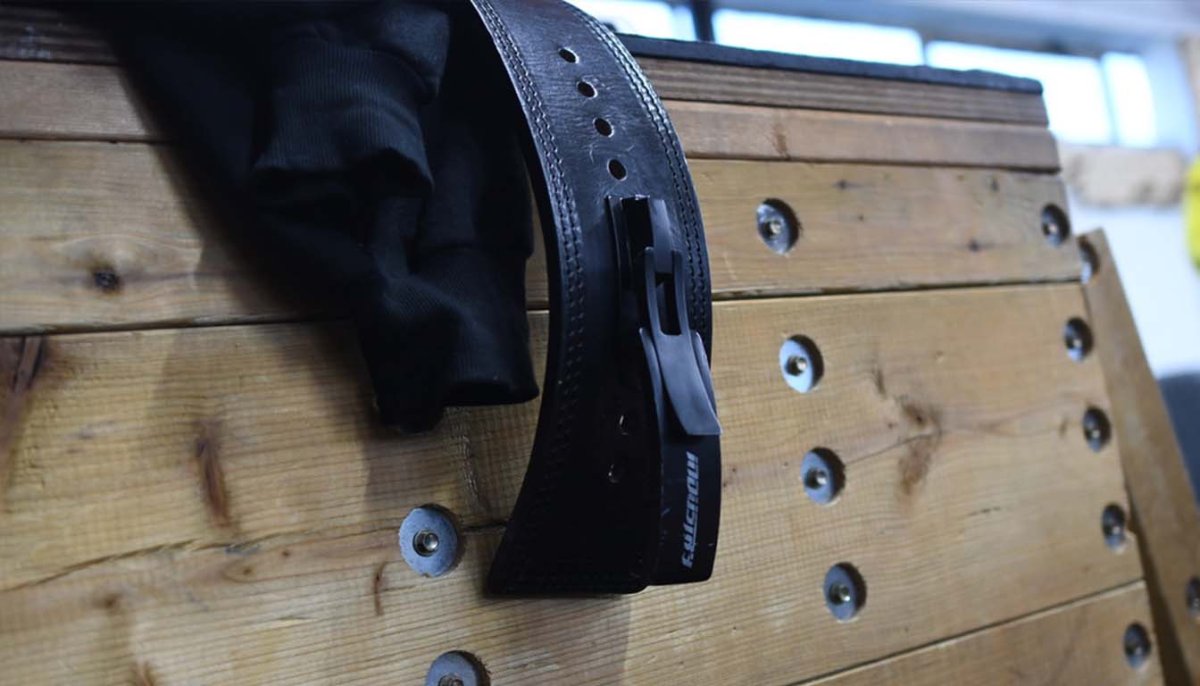
Prepare only what the planned work calls for. Straps may suit some pulling work, while a belt or wrist wraps may be relevant to particular lifts. Use equipment as support, not as a reason to add extra sets or change the session. A strongman training gear guide can help you consider what equipment fits your sessions.
To put how to structure a strongman training week into practice, write down the week ahead, assign a purpose to each available session and protect recovery time between demanding work. Follow the plan and use your log to guide the next adjustment. If you’re preparing equipment for those sessions, explore the Team Industry strength gear collection.
Put Your Next Training Week Into Action
Turn the plan into a working routine by writing down the sessions you can realistically complete, giving each one a clear purpose and noting what you want to improve. Treat the week as a starting point, then use your training log to make considered adjustments as your performance and recovery respond. This practical approach to how to structure a strongman training week helps you build consistency without expecting every week to go perfectly.
Team Industry supports strength-sport federations and events, and brings over 10 years of fitness-industry experience to serving athletes. The right equipment can support your sessions, while your priorities and recovery should continue to guide the plan.
Explore Team Industry strength gear for equipment suited to strength training. Set your priorities, make room to recover and take the next session one step at a time.
Frequently Asked Questions
How many days a week should you train for strongman?
There’s no single right number of strongman sessions each week. Frequency depends on experience, recovery, available time and event demands. Start with a repeatable schedule that includes event practice, foundational strength work and recovery. Track your response across several weeks, then adjust if progress or recovery consistently declines. That gives you a basis for how to structure a strongman training week.
Should you train strongman events every workout?
Strongman event practice matters, but every workout doesn’t need to be an event session. Use technical work to rehearse setup or transitions, and reserve demanding loading for events tied to your goals or competition. For example, practise a log clean, then schedule heavier event work separately. Distribute sessions so event work supports, rather than crowds out, foundational lifting.
Can beginners combine strongman events with regular weight training?
Yes, beginners can combine strongman events with regular weight training if the total workload stays manageable. Start by learning one event movement with controlled repetitions, then pair it with lifts such as a press for overhead work. Keep notes on technique and soreness, and build gradually. Consistent practice and recovery matter more than matching an experienced athlete’s weekly volume.
What should you do if you miss a strongman training session?
If you miss a session, don’t try to fit every lift and event into the next workout. Choose the week’s priority piece, such as event technique, and complete it at a suitable session. Continue with the remaining schedule; drop lower-priority accessories if needed. One absence is a small disruption, not a reason to rewrite your programme from scratch.
Should event training come before or after strength lifts?
Let the session’s main goal decide. If event technique or a competition-specific movement needs your focus, practise it before fatiguing strength work. If the priority is a main lift, start with that instead, then add event practice at an effort that supports good execution. Consider fatigue, safety and weekly workload; don’t force one order for every session all week.
Share:
Sumo vs Conventional Deadlift for Your Body Type: How to Choose
Gym clothing brands for UK lifters, with prices and fit