

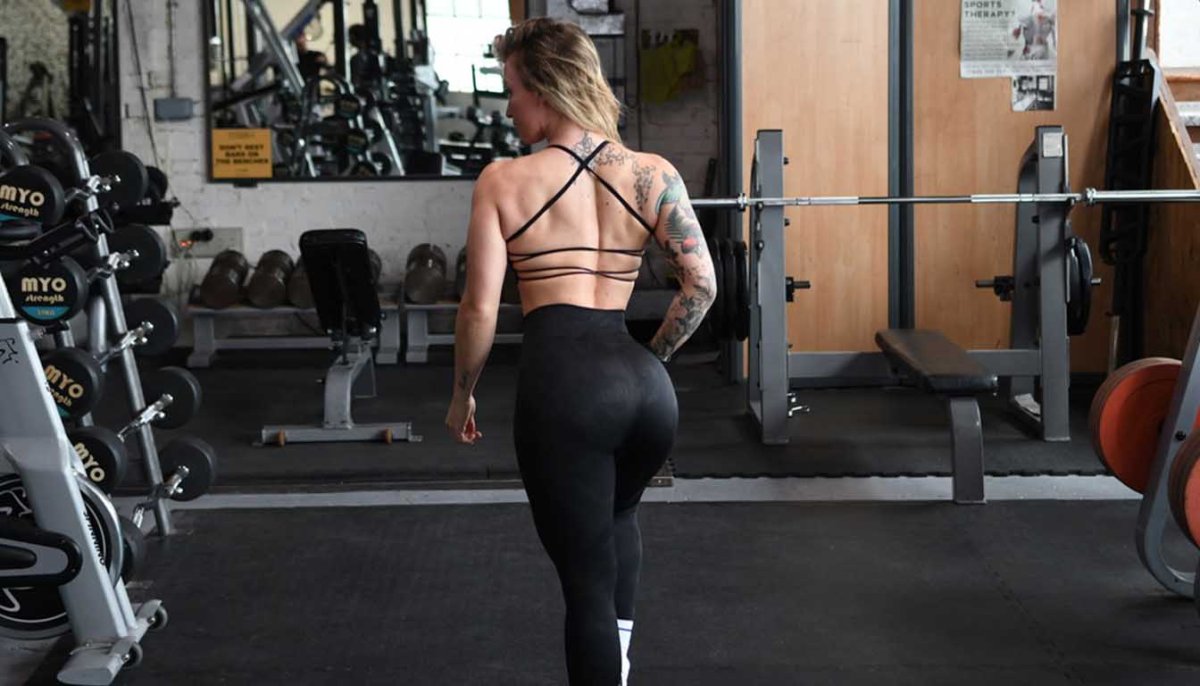
That soft pair of cotton leggings might feel like an everyday staple, but natural fibres were never engineered to survive a heavy barbell session. If you've ever dealt with a waistband that sags during deadlifts, damp fabric clinging to your thighs, or material turning sheer in the hole of a squat, you aren't alone. Lifters across the UK regularly ask: are performance leggings better than cotton when pushing serious weight? The short answer is yes, but understanding the textile science explains why.
This guide highlights the critical differences between performance fabrics and cotton leggings so you can train without chafing, sagging, or distracting sweat patches. You'll learn how material composition, moisture management, and knitting methods directly influence squat security and skin comfort. We outline the essential technical benchmarks you need to choose durable apparel that retains its compressive tension wash after wash.
Key Takeaways
- Explore how fibre composition answers whether are performance leggings better than cotton for intense strength training, contrasting hydrophilic natural cellulose with fast-drying hydrophobic synthetics.
- Discover the mechanics of capillary action and how high-grade performance knits pull sweat away from the skin to eliminate friction, chills, and chafing.
- Learn why dense interlock double-knits and high elastane content ensure reliable squat-proof opacity and structural waistband recovery under heavy barbell loads.
- Use an objective activity checklist to match your workout demands to technical gym wear while saving soft cotton layers for low-impact rest days.
Performance Leggings vs Cotton: The Key Differences
Lifting weights places unique mechanical demands on activewear. Lifters evaluating whether are performance leggings better than cotton must first examine raw fibre construction. Cotton relies on short, plant-based cellulose fibres that are naturally hydrophilic. They soak up perspiration directly into their hollow core. In contrast, performance leggings utilise hydrophobic synthetic microfibres, such as nylon and polyester, which naturally resist liquid absorption and protect against aggressive knurled barbell friction.
| Feature | Cotton Leggings | Performance Synthetics |
|---|---|---|
| Moisture Behaviour | Absorbs sweat internally; stays damp | Wicks moisture across exterior surface |
| Elastic Recovery | Low; bags out at knees and waist | High; snaps back via elastane tension |
| Abrasion Resistance | Prone to pilling and friction tears | High tensile strength against barbells |
| Primary Application | Casual loungewear and rest days | Heavy compound lifting and training |
How Fibre Composition Dictates Gym Performance
Plant-based cotton cellulose lacks the structural memory required for resistance training. During repetitive squats and hinges, cotton yarns stretch mechanically but cannot recoil, causing waistband slippage and saggy knees. Continuous synthetic filaments solve this problem. When engineered alongside elastane, they deliver four-way mechanical stretch that compresses muscles and rebounds instantly after deep hip flexion. For dedicated athletes exploring whether are performance leggings better than cotton for demanding sessions, technical synthetic knits clearly supply the structural integrity that natural cotton cannot sustain under heavy loads.
Moisture Wicking and Temperature Regulation in the Gym
An intense lifting session can generate between 0.5 and 2.0 litres of perspiration per hour. Managing that liquid output dictates your core temperature and training comfort. Lifters frequently ask whether are performance leggings better than cotton for staying dry during heavy sets. The technical answer lies in liquid transport. Moisture wicking is the active mechanical transport of liquid sweat along synthetic micro-capillaries to the fabric's outer face for rapid evaporation. Synthetic activewear knits dry within two to three hours, keeping your skin dry and maintaining stable thermal regulation between rest periods.
When activewear lacks capillary action, sweat pools directly against your skin. This causes three distinct physical problems during training:
- Frictional drag: Wet fabric creates abrasive surface shear against your inner thighs.
- Rapid chilling: Trapped liquid turns cold during two-to-three-minute rest intervals.
- Seam friction: Saturated seams swell, rubbing the groin and hip joints raw.
Why Cotton Retains Water Weight During Intense Training
Natural cotton fibres hold up to twenty-five times their weight in water, absorbing liquid into their hollow core with a standard moisture regain rate of 7.0% to 8.5%. In contrast, nylon sits near 4.0% to 4.5% and spandex at barely 1.0% to 1.3%. Saturated cotton clings to the epidermis, turning heavy and taking over six hours to air dry under identical gym conditions. If you want dependable training comfort without clammy fabric drag, upgrading to the purpose-built Industry Performance Leggings from Team Industry keeps you completely dry from your first warm-up set to your final heavy single.
Squat-Proof Opacity, Seam Strength, and Shape Retention
Deep compound movements place extreme mechanical stress on activewear. Across the glutes and lower back, fabric experiences 30% to 40% elongation during a below-parallel barbell squat. Lifters deciding whether are performance leggings better than cotton need fabrics that handle this strain without thinning or tearing. Pairing high-performance bottoms with complementary upper-body layers, such as breathable men's gym clothes, ensures your entire training kit can withstand serious barbell work.
The Squat Test: Evaluating Opacity Under Maximum Tension
Standard single-knit fabrics shed 12% to 18% of their visual density when stretched past 40% elongation, creating unwanted transparency under gym downlights. Cotton jersey lacks both tensile density and multi-directional recovery. Performance legwear prevents this through 32-gauge interlock double-knit construction. Packing more needles per inch creates an opaque mechanical barrier. Combined with 240 to 300+ GSM fabric weight and resilient elastane, it delivers complete opacity and snaps back after every heavy rep.
Resisting Barbell Abrasion and Seam Blowouts
Sharp knurling on Olympic barbells quickly shreds low-tensile cotton fibres during deadlifts and cleans. Performance synthetics utilise continuous nylon filaments that resist surface abrasion. They also incorporate four-needle flatlock seams and gusseted crotches to disperse directional force without popping threads. If you want squat-proof security and proven durability under maximum barbell loads, equip your gym bag with Industry Performance Leggings to lift with total confidence.
How to Choose Between Performance and Cotton Leggings
Selecting the right fabric comes down to training intensity and mechanical load. When deciding whether are performance leggings better than cotton, assess your weekly schedule against a practical activity checklist:
- Choose technical performance blends: For heavy barbell squats, deadlifts, high-intensity conditioning, and any session generating heavy perspiration or equipment friction.
- Choose soft cotton: For light warm-up mobility, casual post-workout walks, and rest-day lounging where uncompressed comfort takes priority.
Proper laundry care protects your investment. Always wash technical activewear inside out at 30°C and avoid fabric softeners. Softeners leave a waxy chemical residue that clogs moisture-wicking micro-capillaries and locks in stubborn workout odours. Air dry your leggings naturally away from radiators to ensure synthetic fibres retain their stretch and compressive tension over time.
Activity-Based Fabric Selection Framework
Match your activewear to three core variables: liquid sweat output, hip range of motion, and equipment friction. High-friction barbell movements require dense synthetic knits that resist knurling abrasions and maintain complete opacity. Many strength athletes prefer wearing technical compression leggings on their lower half while pairing them with a relaxed cotton tee up top. As you organise your gym bag for demanding training blocks, combine your technical bottoms with reliable supports from the lifting accessories collection to maintain joint stability under load.
Upgrade Your Training With Purpose-Built Strength Apparel
When stepping into the squat rack, your gym wear should work just as hard as you do. Answering whether are performance leggings better than cotton ultimately comes down to durability, moisture control, and structural support. While cotton excels for low-intensity rest days, heavy compound lifting demands technical microfibres that pull perspiration away from your skin and hold their shape through full range of motion.
Investing in high-tensile double-knits eliminates frustrating gym distractions like sheer fabric, rolling waistbands, and abrasive seam friction. Ready to train without compromises? Upgrade your training wardrobe with squat-tested Industry Performance Leggings at Team Industry today. Engineered specifically for heavy barbell work and dynamic strength training, each pair features durable fabric blends built for complete squat-proof confidence, backed by fast nationwide UK delivery. Step up to the bar with certainty and push your training further.
Frequently Asked Questions
Are performance leggings better than cotton for weightlifting workouts?
Yes, performance leggings are substantially better for weightlifting because they provide multidirectional compression and tensile durability. They utilise synthetic filaments that maintain waistband tension through deep hip hinges and squats without sagging. Cotton fibres stretch out mechanically after repeated knee bends, while performance knits rebound instantly to keep you supported under the bar.
Can you wear cotton leggings for intense gym sessions and cardio?
You can wear them, but cotton is not recommended for intense, high-sweat training. Natural fibres absorb moisture into their core, becoming heavy, damp, and slow to dry. This trapped sweat creates friction against your skin, leading to severe chafing during repetitive conditioning work. Performance leggings move moisture away from the body to keep you cool and dry.
Why do cotton leggings become see-through during squats?
Cotton leggings turn sheer because their single-knit construction lacks the thread density needed to handle extreme fabric elongation. When you reach full depth, the fabric across your glutes stretches significantly, widening the gaps between the yarns. In evaluating whether are performance leggings better than cotton, high-gauge synthetic interlock double-knits maintain complete visual opacity even under peak barbell tension.
How do I prevent performance leggings from smelling after hard workouts?
Wash your performance leggings promptly after sessions using a sports-specific detergent, and always skip fabric softeners. Softeners coat synthetic microfibres in a waxy barrier that traps bacteria and locks in sweat odours. Adding a cup of white distilled vinegar to the rinse cycle breaks down residual oils, keeping your technical fabrics fresh and breathable wash after wash.
Do performance leggings prevent skin chafing better than cotton tights?
Performance leggings prevent chafing far more effectively because they combine flatlock seam construction with active moisture management. Lifters asking are performance leggings better than cotton will find that synthetics eliminate wet surface drag against the inner thighs. By drying quickly and sitting flush against your skin, high-grade technical leggings protect high-friction areas throughout high-volume training blocks.
Share:
Best Oversized T-Shirts for Bodybuilders: 2026 Guide
The Ultimate Guide to stiff wrist wraps