

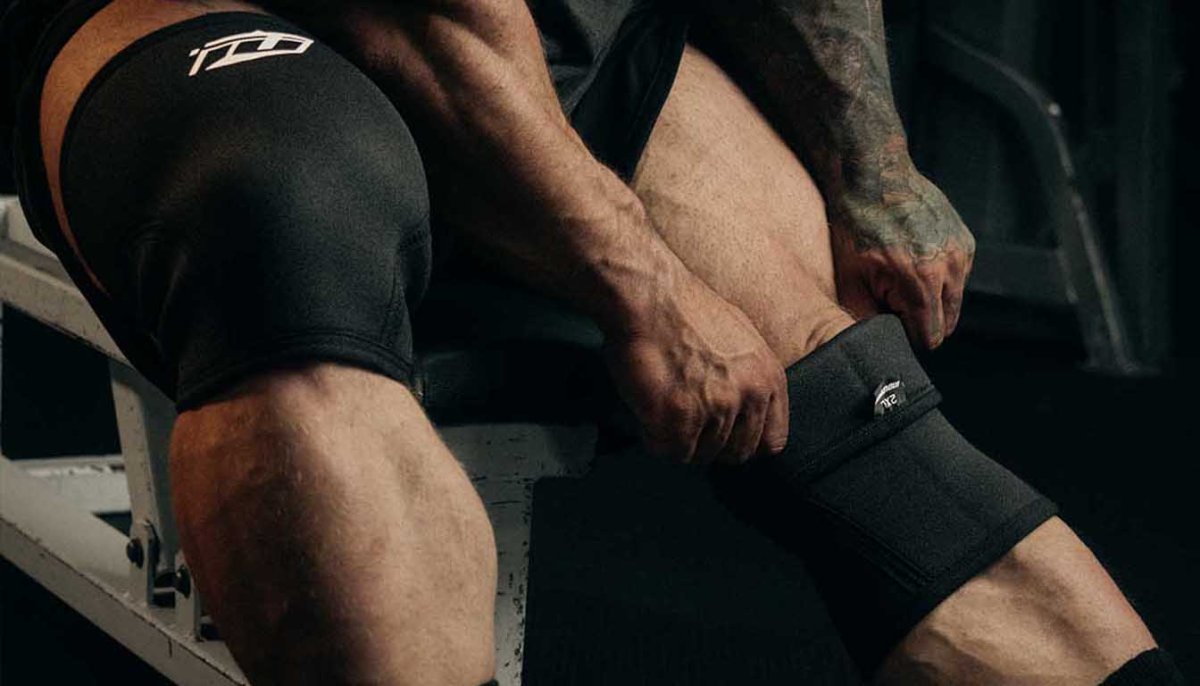
Why are you spending £15 every few months on a pair of sleeves that slide down your shins before you've even finished your warm-up sets? It's tempting to think that all neoprene is created equal. Most lifters start with budget options, only to find they lose their "pop" and stretch out within weeks of heavy squatting. You are likely asking, are expensive knee sleeves worth it, especially when the price gap between a generic pair and professional-grade gear feels so wide.
We agree that your equipment shouldn't be a recurring subscription to disappointment. This guide cuts through the marketing hype to show you how premium support actually improves your performance and joint longevity. We will break down the true ROI of gym gear, comparing material durability and compression consistency so you can invest in equipment that lasts years instead of months. You'll learn how to identify gear that provides a genuine rebound in the squat while protecting your skin from irritation. It's time to trade temporary fixes for reliable, heavy-duty support that builds confidence under the bar.
Key Takeaways
- Learn to distinguish between recreational and professional tiers by evaluating neoprene density and the quality of seam reinforcement.
- Understand the material science of high-density SBR neoprene found in professional options like Heavy Duty Knee Sleeves to ensure consistent compression and rebound.
- Evaluate if are expensive knee sleeves worth it by using a cost-per-session analysis that compares a four-year lifespan against cheap alternatives that stretch within months.
- Identify the specific "tipping point" in your strength journey when moving to heavy-duty support becomes a pragmatic investment for joint longevity and performance.
The Knee Sleeve Price Gap: What Are You Actually Paying For?
Many lifters start with a low-cost pair from a general retailer, assuming all neoprene performs the same. This is rarely the case. When asking if are expensive knee sleeves worth it, you must look at the manufacturing standards behind the gear. Professional equipment is designed for maximal compression, whereas recreational sleeves are primarily built for joint warmth. A standard compression garment might offer basic comfort, but it won't provide the mechanical advantage needed for a heavy squat.
Recreational vs. Professional Grade
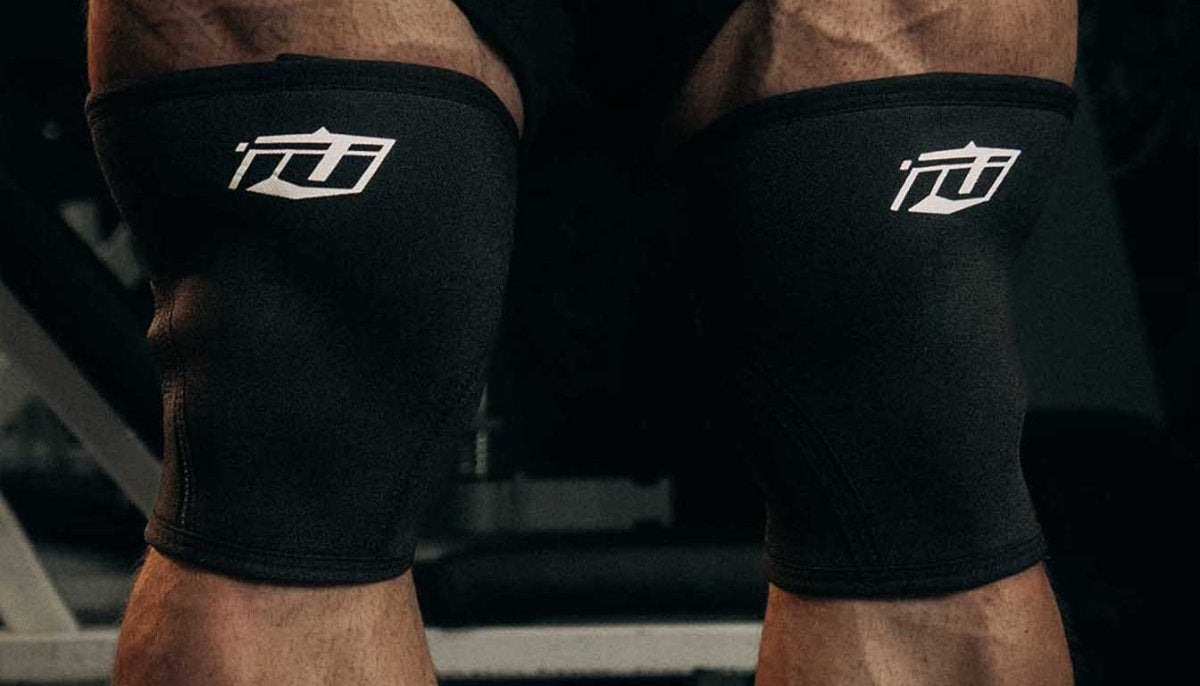
Recreational sleeves usually feature a thinner, more pliable material. These are sufficient for high-rep metabolic work or keeping joints warm between sets. However, they often fail under the intense loads found in powerlifting or strongman. High-end options, like Heavy Duty Knee Sleeves, use high-density SBR neoprene. This material resists "bottoming out" and maintains its shape even after years of use. Professional gear prioritises structural integrity over simple flexibility.
The Role of Brand Prestige vs. Performance
Don't assume you're only paying for a logo. While some brands carry a prestige tax, the price usually reflects material sourcing and reinforced stitching. Cheap sleeves are a false economy; they often lose elasticity within six months of regular use. Professional sleeves are built with reinforced seams that don't split under high internal pressure. Look for specifications like 7mm thickness and anatomical 4-panel construction rather than just brand popularity. Consistency is the goal. You want the same level of support on your hundredth session as you had on your first. High-grade materials ensure that the "pop" out of the hole remains stable over the long term.
The Anatomy of Professional Grade: Neoprene, Stitching, and Compression
Professional sleeves rely on high-density SBR (Styrene Butadiene Rubber) neoprene rather than the cheap, foam-filled alternatives found in budget models. Understanding this material difference is key when deciding if are expensive knee sleeves worth it for your specific training goals. Neoprene memory is the ability of a sleeve to return to its original shape and thickness after being compressed during a heavy squat. If your gear fails this test, you're losing the support you paid for.
Density Matters: Why 7mm Isn’t Always 7mm
Many manufacturers claim a 7mm thickness, but the density of that material varies wildly. Cheap 7mm sleeves are often "squishy" and easily compressed by hand; these provide warmth but negligible lateral stability. Professional-grade options use a much denser neoprene that resists compression. This density provides a tangible "rebound" effect out of the hole, helping you maintain positioning when the weight gets heavy. It's the difference between a sponge and a structural support.
Seam Integrity and Tapered Fits
The construction method determines how long your gear survives. Budget sleeves often use basic glue or single-row stitching, leading to the "blowouts" common during deep squats. Professional gear utilizes anatomical 4-panel construction to mirror the natural curve of the leg. This prevents bunching behind the knee and ensures the sleeve stays in place. When considering if are expensive knee sleeves worth it, look for reinforced, double-stitched seams and flat-lock stitching to prevent skin chafing. This design ensures the sleeve moves with you, not against you.
For lifters moving into serious strength training, investing in Heavy Duty Knee Sleeves ensures your gear remains a tool for performance rather than a distraction during your sets.
The Cost-Per-Session Analysis: Budget vs. Professional Sleeves
Calculating the Return on Investment (ROI) for your gym bag requires looking past the initial checkout price. Many athletes ask, are expensive knee sleeves worth it, when they could buy three pairs of budget sleeves for the same price. However, a professional-grade sleeve typically lasts two to four years under heavy use. In contrast, budget alternatives often lose their structural integrity within six months. This makes the professional choice far more economical over a thousand-session training block.
Reliable support is about more than just finances. Consistent compression reduces the risk of minor joint tweaks that can stall your progress for weeks. When your gear is dependable, you spend less time adjusting sleeves and more time focused on the lift. This reliability is a cornerstone of a high-quality Strongman Training Gear UK setup, where equipment failure isn't an option.
Durability and Performance Retention
A sleeve that loses 20% of its compression in a year is no longer performing its primary job. Professional sleeves are built to resist this degradation. Beyond performance, choosing gear built to last reduces the environmental impact of disposable fitness equipment. Investing in quality means less waste and better long-term support for your joints.
When "Cheap" Becomes Expensive
The hidden costs of frequent replacements add up quickly. There is also a psychological price to pay. Professional gear provides a consistent mental "cue" for heavy lifting that budget gear lacks. Knowing your support won't slip or bunch during a maximal effort builds the confidence required for heavy compounds. If you value equipment that stays as hard as you train, consider investing in Heavy Duty Knee Sleeves to ensure your gear never dictates your performance limits.
Choosing Your Pair: When to Invest in Heavy Duty Support
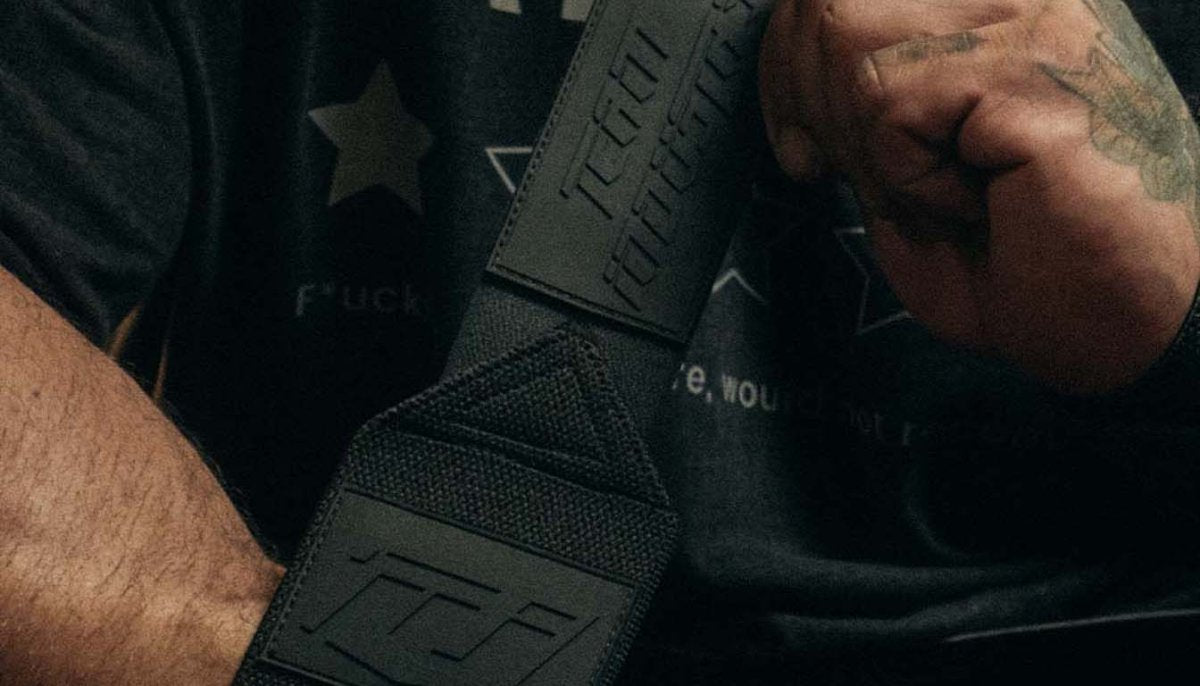
Deciding when to upgrade from bare knees or light sleeves is a functional choice. The tipping point usually arrives when your recovery can't keep pace with your volume, or when you notice a lack of stability during maximal efforts. If you're lifting heavy compounds twice a week or more, asking are expensive knee sleeves worth it becomes less about the price and more about protecting your training longevity. For a complete kit, we suggest pairing your sleeves with professional lifting straps to ensure your grip doesn't fail before your legs do.
Before you buy, use this audit checklist to ensure the gear meets professional standards:
- Material Density: Ensure it's high-grade SBR neoprene that resists compression.
- Seam Type: Look for reinforced, flat-lock stitching to prevent blowouts and skin irritation.
- Sizing Accuracy: A tapered fit is essential to prevent the sleeve from sliding mid-set.
Matching Gear to Your Discipline
Powerlifters require maximal rebound out of the hole, making a stiff 7mm sleeve the standard. Strongmen, however, need a balance of support and mobility for moving events like the Yoke or Farmers Walk. For these athletes, durability is the priority. Bodybuilders might value the joint lubrication and warmth provided by Team Industry Heavy Duty Knee Sleeves, which help maintain fluid movement during high-volume leg sessions.
Final Verdict: Are They Worth It?
The investment is mandatory for anyone serious about strength. High-quality gear doesn't just provide a physical advantage; it offers the mental security needed to attack heavy weights. Professional sleeves outlast budget options by years, making them the pragmatic choice for the serious lifter. Stop replacing cheap gear every six months. View the full Team Industry range to upgrade your training kit with equipment built for the UK strength community.
Invest in Equipment That Matches Your Ambition
Choosing professional gear is a pragmatic step for any lifter moving past the introductory phase of strength training. High-density SBR neoprene and reinforced stitching aren't just premium features; they're essential components for consistent joint support and mechanical advantage in the squat. We've seen how budget alternatives often stretch and fail within months, leading to a cycle of frequent replacements and inconsistent performance. Ultimately, deciding if are expensive knee sleeves worth it comes down to your commitment to training longevity and the reality of cost-per-session value.
Rooted in the UK strength community, our gear is built to withstand the specific demands of Powerlifting and Strongman. Don't let sub-standard equipment dictate your limits or compromise your safety during heavy compounds. It's time to equip yourself with tools designed for high-intensity durability. Upgrade to professional-grade Heavy Duty Knee Sleeves today and feel the difference that genuine compression makes. Your knees will thank you as the weights continue to climb.
Frequently Asked Questions
How long should a pair of expensive knee sleeves last?
A high-quality pair of knee sleeves should last between two and four years with regular training. This longevity depends on how well you maintain them and the frequency of your heavy sessions. While budget alternatives often stretch out within months, professional-grade materials like those in Heavy Duty Knee Sleeves retain their structural integrity. Consistent care, such as air drying after use, ensures they remain a reliable part of your kit.
Do expensive knee sleeves actually increase your squat max?
High-end sleeves provide a tangible rebound effect out of the hole, which can lead to a slight increase in your squat max. This mechanical advantage comes from the density of the neoprene resisting compression at the bottom of the movement. Beyond the physical lift, the consistent support provides a mental cue that builds confidence under heavy loads. If you are wondering are expensive knee sleeves worth it, the performance boost often justifies the initial cost.
Can I wash professional-grade knee sleeves without ruining the compression?
You can wash professional sleeves, but you must avoid high heat to protect the neoprene. Hand wash them in cold water with a mild detergent and always allow them to air dry completely. Never use a tumble dryer or a radiator, as extreme heat breaks down the SBR material and ruins the compression. Regular cleaning prevents bacteria build-up and ensures your gear remains hygienic without compromising its supportive properties during heavy sessions.
Is there a difference between powerlifting and weightlifting knee sleeves?
Powerlifting sleeves are typically 7mm thick and designed for maximal stiffness to support heavy, slow-speed squats. Weightlifting sleeves are often 5mm thick or use more flexible neoprene to allow for the deep, fast knee flexion required in the snatch and clean and jerk. Choosing the right pair depends on your primary discipline. For those focused on raw strength and stability, the 7mm Heavy Duty Knee Sleeves are the industry standard.
Should I size down in expensive knee sleeves for more support?
Sizing down is a common practice for competitive lifters seeking maximal compression, but it carries risks. If the sleeve is too tight, you risk popping the reinforced seams or cutting off circulation. We recommend following the official size guide based on your calf and knee measurements. If you are between sizes, choosing the smaller option can provide a tighter fit, but ensure the sleeve doesn't bunch or cause skin irritation during your movements.
Share:
Tactical Gym Backpacks: Guide for Strength Athletes
Oversized Gym Pump Cover: 2026 Strength Athlete Guide