

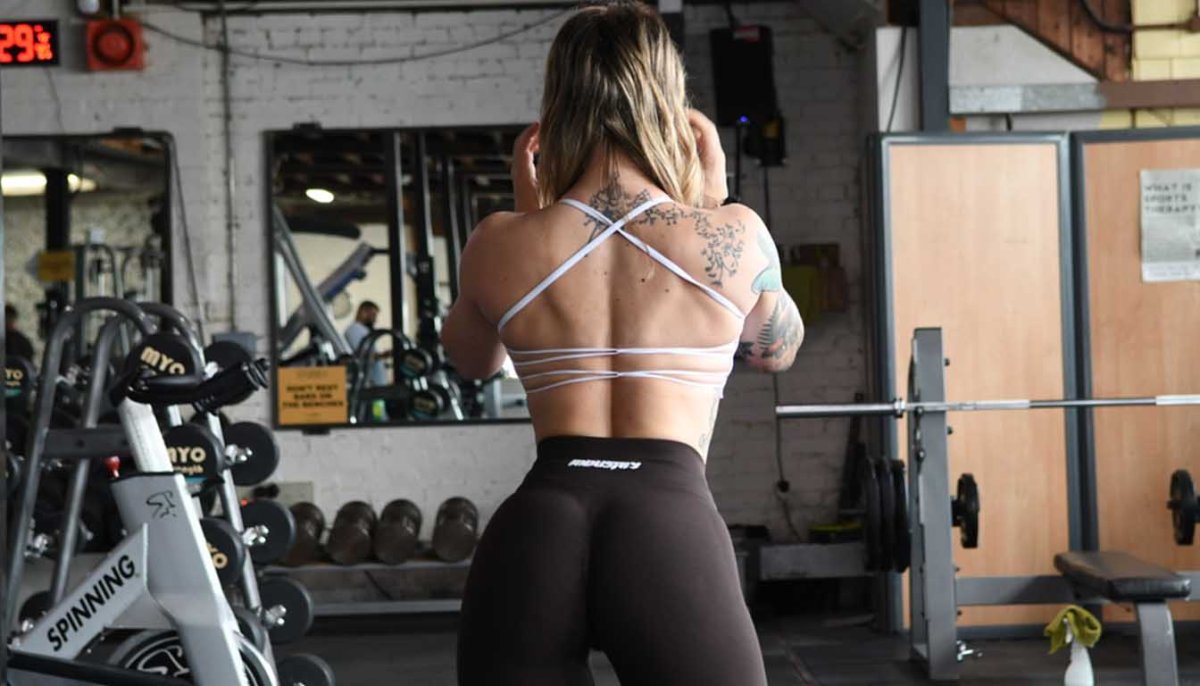
Most gym wear is designed for the mirror, but true powerlifting leggings are a piece of technical equipment designed for the platform. You've likely felt the frustration of a waistband rolling down mid-brace or seeing your fabric thin out during a deep squat. It's a common issue when standard activewear meets the brutal reality of heavy barbell training. We understand that gear failure isn't just an inconvenience; it's a distraction that can compromise your focus. Durability is non-negotiable when you're under the bar.
This guide identifies the specific technical requirements for gear that survives heavy squats and aggressive barbell knurling while providing the muscle support you need. You'll learn how to find 100% opaque materials that withstand the friction of every deadlift. We will examine fabric density, compression levels, and the specific construction of Industry Performance Leggings to help you select gear that lasts. By the end, you'll know exactly what to look for to ensure your equipment is as reliable as your technique.
Key Takeaways
- Identify the technical differences between standard gym wear and professional-grade powerlifting leggings to ensure your gear provides the necessary compression for heavy lifts.
- Learn why high fabric density and reinforced flatlock seams are essential for preventing material failure and resisting barbell abrasion during high-volume sessions.
- Master the sizing nuances for developed quads and glutes to ensure your gear works in tandem with Heavy Duty Knee Sleeves.
- Understand how Industry Performance Leggings provide the stability and durability needed for the UK strength community's highest standards.
What Defines Professional-Grade Powerlifting Leggings?
Professional-grade powerlifting leggings are high-denier compression garments built specifically for the demands of the powerlifting sport. Unlike standard activewear, which often prioritises aesthetics or basic sweat-wicking, these are designed to support the musculature during the squat, bench press, and deadlift. They act as a protective barrier against aggressive barbell knurling, which can easily shred lower-denier fabrics during high-volume sessions.
The distinction between standard gym wear and specialized gear is clear when you look at structural integrity. While "gym leggings" focus on seamless comfort or visual effects, powerlifting-specific gear prioritises durability. Technical differences include:
- Fabric Density: Higher GSM (Grams per Square Metre) to prevent sheerness.
- Reinforcement: Heavy-duty stitching to withstand maximal expansion.
- Abrasion Resistance: Materials that don't pill or tear when the bar drags against the shins or thighs.
Compression vs. Flexibility: Finding the Balance
High-level compression isn't just about fit; it's about performance. It improves proprioception, your body's ability to sense its position, which is critical when hitting depth in a heavy squat. Proper compression aids blood flow and stabilises muscle groups under tension. However, the fabric must remain functional. It needs to allow a full range of motion without pinching or restricting you at the bottom of the movement. Gear like Industry Performance Leggings is engineered to provide this stability while maintaining the elasticity required for deep hip flexion.
The 'Squat-Proof' Standard in Powerlifting
In this sport, "squat-proof" is a technical requirement, not a marketing buzzword. Total opacity is vital for confidence on the platform. We recommend testing fabric under maximal stretch conditions. Professional gear uses high-density weaves to ensure the material remains non-sheer even at your widest stance. This reliability allows you to focus entirely on your bracing and execution rather than equipment failure.
Technical Features: Barbell Abrasion and Fabric Density
While many brands focus on "squat-proof" as a visual trait, serious lifters require gear that is "barbell-proof." High GSM (Grams per Square Metre) is the primary indicator of fabric longevity. A denser weave resists the aggressive knurling of a power bar during deadlifts, protecting your skin from abrasions. This thickness also ensures the material doesn't thin out over time, maintaining its structural integrity through years of training. Choosing high-density powerlifting leggings means your gear won't fail when the bar makes contact.
Construction matters as much as the fabric itself. Flatlock seams are a requirement for professional-grade gear. These seams lay flat against the body to prevent chafing and provide the tensile strength needed to handle the internal pressure of a maximal lift. Without reinforced stitching, standard seams are prone to blowouts during high-stress movements. Durable gear must be built to withstand the expansion of the muscles during a heavy eccentric phase.
Fabric Composition for Strength Athletes
Durability starts with the raw materials. Nylon-based blends are often preferred for their superior resistance to abrasion compared to polyester. However, the ratio of Elastane is what dictates shape retention. A high-quality blend ensures your gear snaps back into place after hundreds of squat cycles, preventing the sagging that often plagues cheaper alternatives. Additionally, these technical fabrics offer moisture-wicking properties, keeping you dry during long sessions in heavy-duty gyms.
Waistband Engineering: Preventing the Roll
A shifting waistband is a significant distraction when you're attempting a heavy single. High-waisted designs offer better core support and integrate seamlessly with weight lifting belts. This compatibility is vital for maintaining a strong brace. Non-slip technology and specific paneling ensure the leggings stay in place, even during the extreme lateral tension of a wide-stance sumo deadlift. If you need gear that stands up to this pressure, our Industry Performance Leggings provide the stability required for elite training.
Choosing the Right Fit for the Big Three
Standard fashion sizing often fails to account for the 'Lifter's Physique.' When selecting powerlifting leggings, you must prioritise measurements for developed quads and glutes rather than just waist size. A fit that's too tight in the thighs will overstretch the fabric, compromising the density we discussed earlier. Measure the widest part of your hips and thighs to ensure the compression remains supportive without restricting circulation or causing the material to sheer out at the bottom of a squat.
Length is another functional consideration. While 7/8 lengths are popular for breathability, full-length options provide essential shin protection during deadlifts. This extra layer acts as a barrier against the bar, reducing the risk of skin tears when pulling close to the body. If you frequent gyms with aggressive knurling, the full-length coverage is a pragmatic choice for long-term skin health.
Leggings and Gear Compatibility
Your apparel must work with your equipment. Many athletes prefer wearing Heavy Duty Knee Sleeves over their leggings to keep the sleeves from sliding during high-rep sets. Ensure your leggings have enough surface friction to hold the neoprene in place. Check that the waistband sits flat under your weight lifting belts. A bulky or rolling waistband can interfere with your brace and cause painful pinching during a maximal effort lift.
Maintenance for Longevity
Preserving the technical properties of your gear requires specific care. Always wash your gear in cold water and avoid fabric softeners; these chemicals break down the elastane fibres responsible for compression. Air drying is essential to prevent heat damage that leads to sagging. For gear built to survive these rigorous standards, view our Industry Performance Leggings to upgrade your training kit.
Maximising Performance with Industry Performance Leggings
Industry Performance Leggings represent a shift from standard gym wear toward specialized strength equipment. These powerlifting leggings are built specifically for the grit of the weight room; they don't follow fast-fashion trends. By choosing gear designed by strength specialists, you ensure every seam and fabric panel supports the high-stress environment of a heavy training block. Investing in professional-grade apparel justifies itself through longevity and consistent performance under the bar.
Our focus remains on serving the UK powerlifting and strongman community with grounded, no-nonsense gear. These products integrate seamlessly with our all-mens-apparel and all-womens-apparel ranges. This ensures a cohesive kit that meets the technical demands of the sport while maintaining a professional standard.
The Team Industry Advantage
The core of our design philosophy is collective collaboration. Every piece of equipment, including our powerlifting leggings, is tested by active lifters within the community. This process identifies potential failure points before a product reaches your gym bag. We prioritize reliability and safety standards so you can train with confidence. There is no room for hyperbolic marketing; we deliver functional gear that works as hard as you do.
Complete Your Training Kit
Building a reliable training kit goes beyond a single item. Many athletes pair their leggings with Industry Oversized Tees to achieve the classic powerlifting silhouette. This combination offers the right balance of coverage and mobility for heavy sessions. For accessory work, integrate our lifting straps to maintain your volume when grip fatigue sets in. A complete, specialized kit allows you to maintain operational excellence throughout your entire program.
Equip Yourself for the Platform
Selecting the right powerlifting leggings is about more than finding a pair that fits. It's about securing technical equipment that supports your bracing, protects your skin from barbell knurling, and maintains its integrity under maximal loads. We've established that high-denier, barbell-resistant fabric and reinforced flatlock seams are the standard requirements for any serious athlete. By prioritising gear designed by strength athletes for the UK community, you ensure your apparel is as reliable as your training program.
Our Industry Performance Leggings provide the stability and durability needed for consistent progression. They represent a commitment to quality that justifies the investment for any lifter focused on longevity. When your gear works in harmony with your technique and supplementary equipment like knee sleeves and belts, you can focus entirely on the weight. Shop the Industry Performance Leggings for your next heavy session and experience gear trusted by the UK powerlifting community. Stay focused, stay disciplined, and keep pushing the standard.
Frequently Asked Questions
Are powerlifting leggings different from regular gym leggings?
Yes, powerlifting leggings are technical equipment designed for high-stress environments. Unlike standard gym wear that prioritises aesthetics or light cardio, these feature a higher Grams per Square Metre (GSM) count. This density provides the compression needed to stabilise muscle groups during heavy squats. They also include reinforced stitching to prevent blowouts under maximal tension, ensuring the gear survives the physical nature of strength sports.
How do I know if my powerlifting leggings are squat-proof?
You can verify opacity by performing a deep squat in a well-lit area. Professional-grade gear uses high-density weaves to remain 100% opaque even at maximal stretch. If the fabric thins or reveals skin during your widest stance, it fails the squat-proof standard. We recommend testing your gear under the specific conditions of your training to ensure confidence on the platform and total focus during your lift.
Can I wear leggings in a powerlifting competition?
Competition rules vary by federation, so always consult your specific rulebook. Most organisations allow leggings to be worn under a singlet, provided they don't have pockets or zippers. However, some federations require bare legs for deadlifts to allow judges to see knee lockout clearly. If you are training for a specific event, ensure your gear meets the current regulatory compliance and safety standards of that body.
Will barbell knurling ruin my performance leggings?
Aggressive barbell knurling can shred standard activewear, but Industry Performance Leggings are built with abrasion-resistant nylon blends. These materials are specifically chosen to survive the bar dragging against your shins or thighs during the pull. While no fabric is entirely indestructible over years of heavy use, professional gear significantly reduces pilling and tearing. This durability ensures your investment lasts through multiple high-volume training cycles.
Should I size up or down for compression leggings?
You should typically stay true to your measurements, accounting for developed quads and glutes. Sizing down too far can restrict circulation and overstretch the fabric, which leads to premature wear and sheerness. Conversely, sizing up might cause the waistband to roll or slip during a lift. Use a tape measure to find your current dimensions and follow the size guide to ensure optimal compression and stability.
Share:
Are Expensive Knee Sleeves Worth It? A Professional Guide to Gym Gear ROI
Oversized Gym Pump Cover: 2026 Strength Athlete Guide