
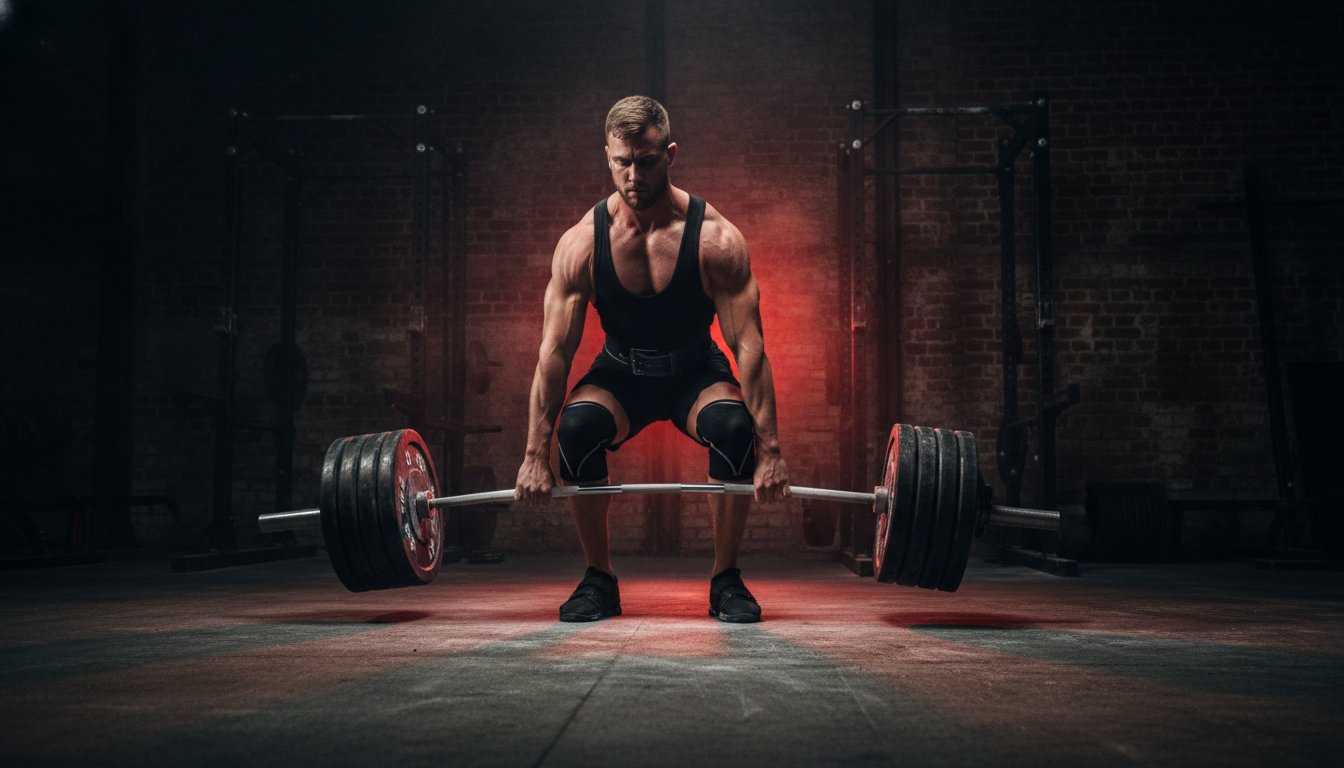
A single centimetre of misplaced leather or an unapproved logo can end your competition before you even touch the barbell. You've put in months of hard work, so it's natural to feel anxious about kit checks or the confusing differences between IPF and untested federation rules. At Team Industry UK, we understand that technical compliance is the baseline for platform success. This guide explains exactly what to wear for first powerlifting meet to ensure you stay within the March 1, 2026, technical regulations while maintaining maximum support for your heavy attempts.
We'll show you how to navigate the latest equipment standards, such as the 2026 IPF update that makes deadlift socks optional if your singlet legs cover the shin. You'll also learn how to build a compliant kit bag, whether you're investing in mid-tier leather belts that range from £75 to £125 or premium knee sleeves that can cost over £70. We'll break down the essentials, from our 13mm Lever Belt to Heavy Duty Knee Sleeves, so you can step into the warm-up room with the confidence of a seasoned professional.
Key Takeaways
- Understand the technical requirements for singlets and 100% cotton crew neck t-shirts to ensure a seamless pass through the initial kit check.
- Learn exactly what to wear for first powerlifting meet by balancing technical compliance with high-performance gear like a 10mm or 13mm Lever Belt for maximum core stability.
- Utilise 7mm neoprene Heavy Duty Knee Sleeves to provide the industry-standard compression and joint warmth required for heavy competition attempts.
- Select footwear based on your specific mechanics and ensure you have knee-high socks to meet the safety standards for the deadlift.
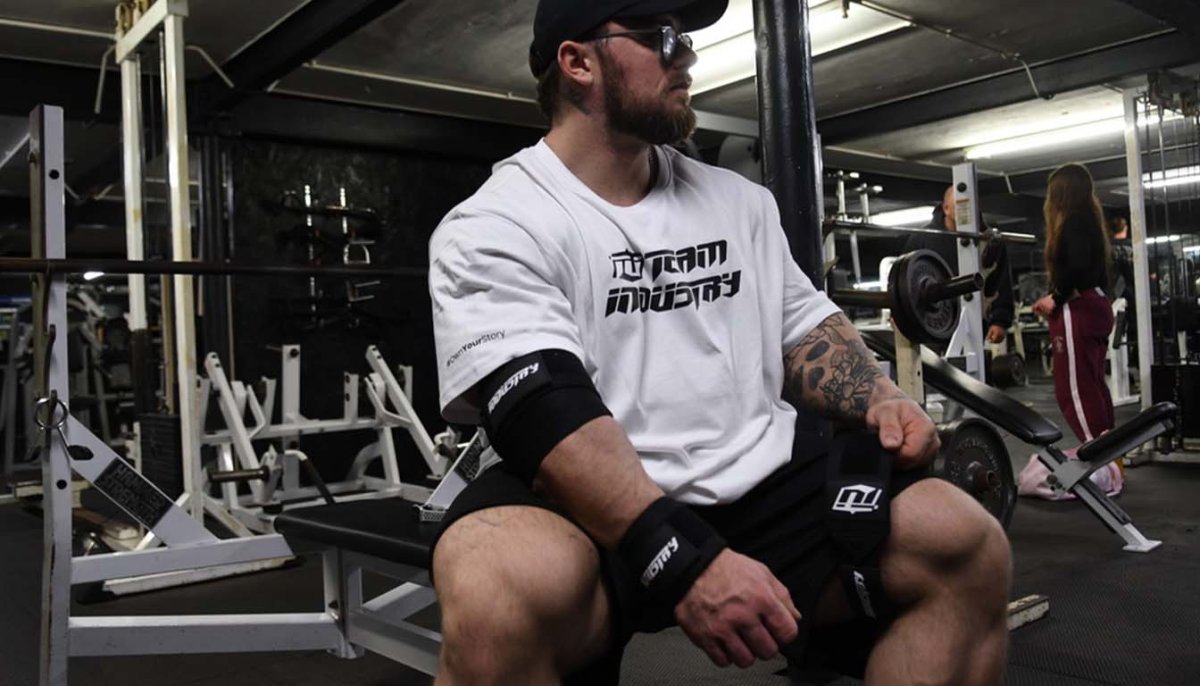
- Maintain muscle temperature and comfort during the long competition day by layering with an Industry Oversized Tee between your lifting flights.
The Mandatory Kit: Singlets and Technical T-Shirts
The singlet is the foundation of your competition attire. While it might feel unfamiliar, it serves a critical technical purpose. Judges need a clear view of your hip crease during the squat and your joints during the lockout. When deciding what to wear for first powerlifting meet events, the singlet is the non-negotiable first item. It must be a one-piece, non-supportive garment that allows for full range of motion and visibility.
The 'Underwear Rule' is where many beginners fail their first kit check. For male lifters, standard briefs are mandatory. Boxers or 'compression' shorts with any leg length are strictly prohibited. The material must not be supportive or contain rubber-like substances. Additionally, ensure your garment is free from offensive logos or unapproved commercial branding. Most local meets are lenient, but British Powerlifting (BP) and IPF events require logos to be within specific size limits to maintain compliance.
Choosing a Compliant Singlet
Select a singlet made from a single-ply material like polyester or nylon. A tighter fit is technically superior because it prevents excess fabric from bunching. This is vital during the squat, where loose material can catch the bar as you descend. Ensure the leg length doesn't extend past the mid-thigh to maintain compliance with 2026 standards for Powerlifting visibility. If you're unsure about what to wear for first powerlifting meet kit checks, always opt for a plain design to avoid logo disputes.
The Technical T-Shirt
You must wear a t-shirt under your singlet for the squat and bench press. It must be a 100% cotton or polyester-blend crew neck with no pockets, buttons, or zips. This layer protects your skin from the knurling of the bar and provides essential friction on the bench press. While an Industry Oversized Tee is perfect for staying warm between flights, you'll need a standard-fit shirt for the platform. Ensure the sleeves end above the elbow so judges can clearly see the lockout.
Supportive Equipment: Belts, Sleeves, and Wraps
While the singlet is your uniform, supportive equipment functions as the engine for your performance. It provides the mechanical advantage and safety needed to move maximum weight. When planning what to wear for first powerlifting meet, choosing gear that passes technical inspection is just as vital as the support it offers. Most federations, as detailed in the USA Powerlifting Rulebook, restrict belt width to 10cm and sleeve thickness to 7mm. Adhering to these standards ensures you don't face rejection at the morning kit check.
The 'Approved List' is a reality for many lifters. Using gear from trusted brands ensures your kit meets technical specifications for length, width, and material. This removes unnecessary stress on the morning of the meet, allowing you to focus entirely on your warm-ups. It's much better to invest in compliant gear once than to scramble for a loaner belt minutes before your first squat attempt.
Lever Belts vs. Prong Belts
A Team Industry Lever Belt offers a distinct advantage on meet day: speed. Between attempts, you need to breathe and recover. A lever allows you to flick the belt open in a second, whereas a prong belt can be a struggle to remove when you're out of breath. While some suggest a 13mm belt is essential, a 10mm Lever Belt is often the superior choice for a first meet. It breaks in faster and conforms to the body more easily, preventing the severe bruising that can occur with stiffer 13mm alternatives.
Joint Support Essentials
Knee sleeves are the industry standard for squats. They provide warmth, compression, and a slight elastic rebound at the bottom of the lift. Using Heavy Duty Knee Sleeves made from 7mm neoprene ensures you meet the maximum thickness allowed by most federations while providing vital proprioception.
Wrist wraps are equally critical for the bench press. They act like a cast, keeping the wrist joint stacked and preventing the bar from rolling back. Choose a length that provides enough revolutions around the joint without becoming so bulky that it interferes with your grip. If you want to maximise your bench stability, consider our range of high-grade Wrist Wraps designed for heavy attempts.

Footwear and the 'Deadlift Sock' Rule
The final lift of the day introduces a specific regulation that often catches beginners off guard. While you might train in ankle socks, the platform requires knee-high coverage for the deadlift. This isn't a fashion choice; it's a mandatory hygiene standard designed to prevent blood from your shins transferring to the barbell. When considering what to wear for first powerlifting meet events, remember that any skin-to-bar contact on the shins will lead to a failed lift or a request to change before you're allowed to pull.
A common mistake for first-time competitors is bringing lifting straps to the platform. While our Weight Lifting Straps are essential for managing heavy training volume, they are strictly prohibited during a sanctioned lift. You must rely entirely on your grip strength. For additional guidance on meet day preparation and technical checklists, reviewing New Lifter Tips can help you avoid these common technical pitfalls before you arrive at the venue.
The Deadlift Setup
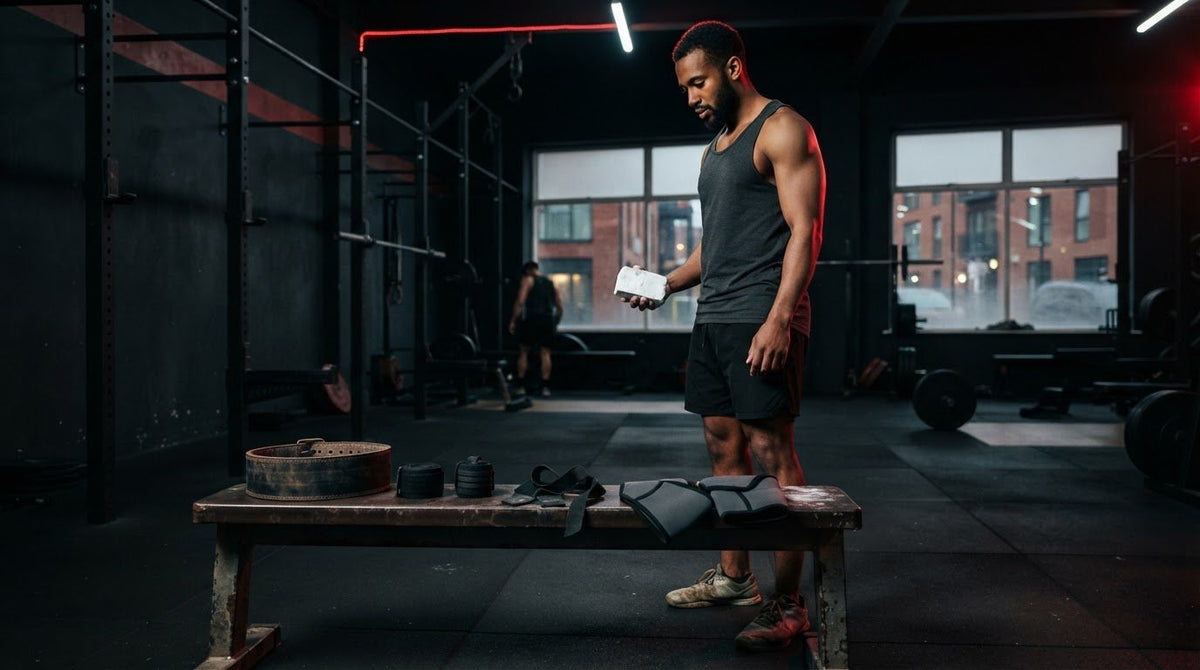
Your socks must cover the entire shin, ending just below the knee. This creates a smooth surface for the bar to glide over, reducing friction and protecting your skin. Since you can't use straps, grip becomes the primary limiting factor. Using Liquid Chalk provides a secure, mess-free alternative to traditional blocks. Many UK venues now prefer liquid versions to maintain cleanliness in the warm-up area. It ensures your hands stay dry through the entire pull without leaving a cloud of dust.
Footwear Strategy
Footwear choice depends on your individual mechanics. Heeled squat shoes can help you hit depth if you have limited ankle mobility. Conversely, flat soles or deadlift slippers are preferred for the pull to keep you as close to the floor as possible. Reducing the distance the bar travels by even a single centimetre can make the difference between a successful lift and a miss. It's vital to test your chosen footwear at least 28 days before the meet. Secure your competitive edge by browsing our full range of strength gear and accessories today.
Off-Platform Apparel: Managing the 'Meet Day' Grind
Powerlifting meets are endurance events that often span 8 to 10 hours from the initial weigh-in to the final deadlift. While the platform demands strict technical gear, your strategy for what to wear for first powerlifting meet success must include comfort during the long gaps between flights. Warm-up rooms are notoriously unpredictable. They often swing from freezing in the early morning to stiflingly hot as athletes and spectators fill the venue. Managing your body temperature is critical for maintaining muscle elasticity and peak performance.
Pack a dedicated bag for the morning. Your final checklist should include items that prioritise recovery and ease of movement between lifts. Consider these essentials for the off-time:
- Comfortable sliders or crocs to let your feet breathe between heavy attempts.
- Spare 100% cotton t-shirts to replace damp layers after a high-effort squat flight.
- A high-quality hoodie to keep your core temperature stable and block out distractions.
- A Team Industry Shaker Bottle for consistent hydration and electrolyte intake throughout the day.
Staying Warm and Ready
An Industry Oversized Tee is the perfect outer layer for the warm-up room. It fits easily over your singlet and technical t-shirt, allowing you to stay warm without feeling restricted or bulky. Keeping your muscles at an optimal temperature is vital for injury prevention, especially during the 60 to 90-minute breaks between the bench press and the deadlift. When you're deciding what to wear for first powerlifting meet logistics, never underestimate the value of a loose, breathable layer that you can shed seconds before stepping onto the platform.
The Mental Edge
Looking the part provides a psychological advantage in a high-pressure environment. When you enter a venue with professional, dependable apparel, it builds internal confidence and signals your readiness to the judges. The Team Industry philosophy is built on providing reliability from the first squat to the final deadlift. We believe that by choosing a kit you trust, you remove the anxiety of equipment failure. This allows you to focus entirely on the weight and the commands of the head referee. Efficiency and excellence aren't just for the platform; they start with how you prepare for the entire day.
Step Onto the Platform with Total Confidence
You've done the heavy lifting in the gym; now it's time to ensure your gear matches your effort. Success on meet day depends on mastering the technical rules for singlets and deadlift socks while choosing equipment that provides maximum stability. From our professional-grade 13mm lever belts to our heavy-duty joint support, every piece in our collection is built to meet the rigorous standards of the UK strength community. Our dedicated team provides the expertise you need to navigate federation-specific regulations with ease.
Understanding what to wear for first powerlifting meet events removes the anxiety of kit checks. This allows you to focus entirely on your nine attempts and the commands of the head referee. By prioritising both platform compliance and off-platform comfort, you ensure that your first competition is a professional and rewarding experience. Shop Professional Strength Gear for Your First Meet and secure the reliable support you need for your competitive debut. You've earned your spot on the platform. Go out there and lift with conviction.
Frequently Asked Questions
Do I really need to wear a singlet for my first powerlifting meet?
Yes, a singlet is a mandatory requirement for all sanctioned powerlifting competitions. This one-piece garment ensures that referees have an unobstructed view of your hip crease during the squat and your knees and elbows during lockouts. Without one, you won't be allowed to step onto the platform. It's the most critical part of what to wear for first powerlifting meet events to ensure technical compliance and fair judging.
Can I wear my normal gym leggings under my singlet?
Standard competition rules prohibit wearing leggings or any long-legged compression gear under your singlet. Most federations require lifters to wear standard briefs or brief-style underwear that doesn't extend down the leg. While our Industry Performance Leggings are excellent for maintaining muscle warmth during heavy training sessions, they aren't permitted on the platform. Always check your specific federation's 2026 rulebook for any religious or medical exceptions that might allow leg coverage.
What kind of t-shirt is allowed under the singlet during competition?
You must wear a 100% cotton or polyester-blend crew neck t-shirt with no pockets, buttons, or zips. The shirt must have sleeves that end above the elbow to allow judges to verify a full lockout on the bench press. While you might prefer an Industry Oversized Tee for your warm-ups, your platform shirt should be a standard fit. This prevents excess fabric from bunching and obscuring your form during the lift.
Why are deadlift socks mandatory in powerlifting?
Deadlift socks are mandatory to prevent shins from bleeding and contaminating the barbell. Since the bar travels directly against the skin, the risk of abrasions is high. According to the March 1, 2026, technical updates, socks must cover the entire shin up to the knee. This rule protects both the athlete and the equipment, ensuring a hygienic environment for every lifter in the flight. It's a non-negotiable safety standard across all major UK federations.
Are lifting straps allowed in a powerlifting competition?
Lifting straps are strictly prohibited in all sanctioned powerlifting meets. You must rely on your raw grip strength to secure the bar. While our Weight Lifting Straps are essential for handling high-volume training blocks in the gym, they can't be used on the platform. Competitors usually choose between a hook grip or a mixed grip to manage the weight. Practising your competition grip for at least 28 days before the meet is highly recommended.
Can I use my own chalk at a powerlifting meet?
Most venues provide a communal chalk bowl, but you can bring your own to ensure consistency. Many UK event organisers now encourage the use of Liquid Chalk to reduce dust and keep the venue floors clean. It provides a reliable, high-friction surface for your hands and is much easier to transport in your kit bag than a messy block of dry chalk. Always ensure your chalk doesn't contain any unapproved sticky substances or resins.
Share:
How to Stop Knee Sleeves from Rolling Down: A Lifter’s Guide to Grip and Fit
How to Prevent Calluses from Lifting: The Ultimate Hand Care Guide for Lifters