

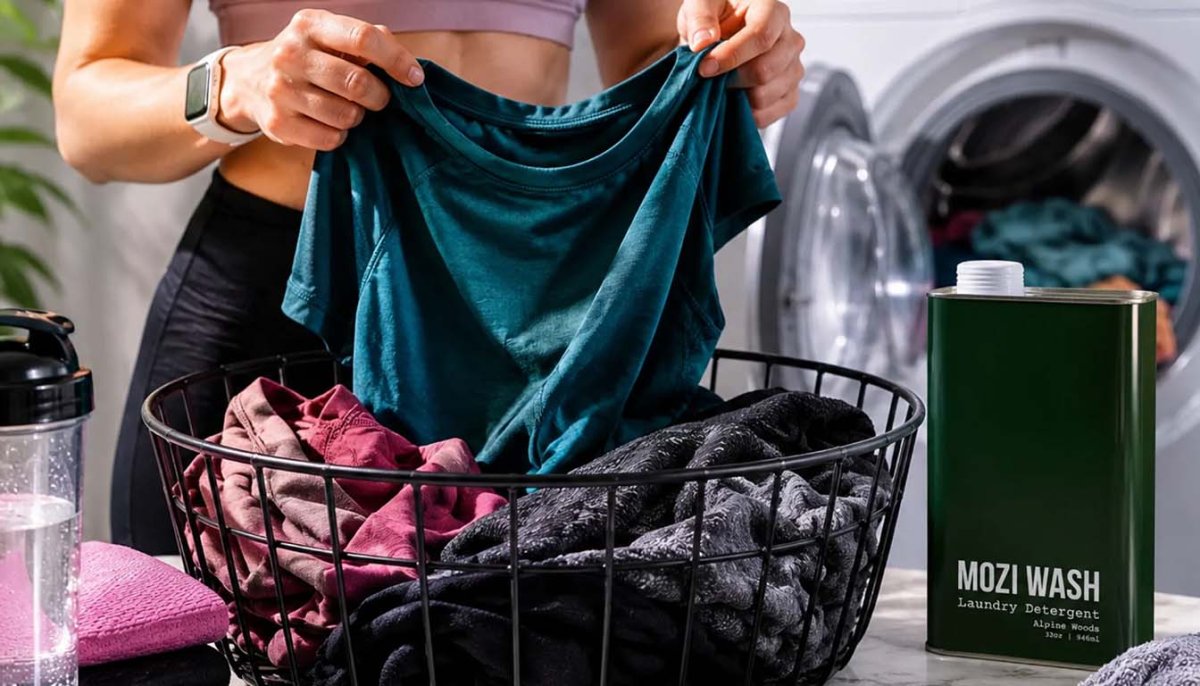
Approximately 58% of activewear products globally are made from polyester blends, a fabric that excels at moisture-wicking but is notorious for retaining stubborn bacteria. If you have ever pulled a clean shirt from the drawer only to realize it still smells like the gym, you aren't alone. Learning how to wash gym clothes to remove smell is a critical skill for any lifter who values their equipment. Standard laundry habits often fail to penetrate technical fibers, leaving oils and odors trapped deep within the weave of your apparel.
We understand that high-performance gear is an investment in your training. You shouldn't have to choose between a clean scent and the durability of your Heavy Duty Knee Sleeves or Industry Performance Leggings. This guide provides professional, field-tested methods to eliminate odors while protecting the lifespan of your strength equipment. We will break down the specific detergents that actually work, the sanitization standards you should look for, and a simple, repeatable routine that keeps your kit operational for the long term.
Key Takeaways
- Understand why synthetic fibers in items like Industry Performance Leggings trap body oils and how to combat the "permastink" caused by bacteria.
- Implement a pre-wash protocol by air-drying sweaty gear immediately and turning garments inside out to target the areas with the most sebum buildup.
- Master the professional washing strategy using 30°C cycles to protect the elastane in your Industry Oversized Tee while learning how to wash gym clothes to remove smell.
- Discover the "Sink Soak" method for deep-cleaning Heavy Duty Knee Sleeves and Figure 8 Lifting Straps without compromising their structural integrity.
- Establish a repeatable laundry routine that extends the operational lifespan of your professional-grade strength equipment and keeps your kit odor-free.
Understanding the Science of Gym Gear Odour
Many lifters assume that sweat is the primary source of the stench in their kit. It isn't. The real issue lies in the chemistry of your gear. Synthetic fabrics used in high-performance items, such as Industry Performance Leggings, are designed to be hydrophobic. This means they repel water to keep you dry. However, these materials are also oleophilic, meaning they actively attract and hold onto body oils.
These oils and dead skin cells get lodged in the microscopic grooves of the technical fibres. This creates an environment where bacteria flourish. Odour in gym clothes is not caused by sweat itself, but by the bacteria that thrive on the oils trapped within synthetic fabric weaves. When this buildup becomes permanent, it's often called "permastink." Understanding this process is the first step in learning how to wash gym clothes to remove smell effectively.
To better understand this concept and see a quick breakdown of the process, watch this helpful video:
Standard laundry detergents are typically formulated for natural fibres like cotton. They work well for surface dirt but often fail to penetrate the tight, oil-attracting weaves of technical apparel. If the detergent can't reach the trapped sebum, the bacteria remain. The smell then returns as soon as your body heat reactivates those microorganisms during your next heavy set.
The Role of Fabric Softener in Odour Retention
Fabric softeners are the enemy of performance gear. They work by depositing a waxy coating over the fibres to make them feel soft. For technical items, including mens gym clothes, this coating acts as a physical barrier that locks bacteria inside the fabric. It also clogs the pores of the material, which destroys the moisture-wicking properties you need during training. To keep your gear functional and fresh, stop using softeners for your gym load immediately.
The Pre-Wash Protocol: Stopping Bacteria in Its Tracks
Don't toss damp gear directly into a dark wash basket. This common mistake creates an ideal breeding ground for bacteria and mould. Air-dry your kit immediately after your session. Lay it over a drying rack or the edge of the tub. This simple step stops the "permastink" from setting in before you even start the machine, which is a vital part of how to wash gym clothes to remove smell.
Turn every garment inside out before loading the drum. Most bacteria and skin oils accumulate on the inside of the fabric where it touches your skin. By flipping your gear, you ensure the water and detergent hit the areas with the highest sebum buildup. This is a foundational tactic in how to wash gym clothes to remove smell while protecting the outer finish of the fabric. Following a professional routine to defunk your smelly gym clothes ensures your kit stays operational and fresh for every session.
If your clothes have reached a point where a standard wash isn't enough, use a vinegar soak. Mix one part white vinegar with four parts cold water and submerge your kit for 30 minutes. This acid helps break down mineral deposits and body oils that trap odours. If you use liquid chalk, pre-treat any white marks with a damp cloth before soaking to ensure the residue doesn't set during the heat of the wash cycle.
Sorting Your Strength Gear
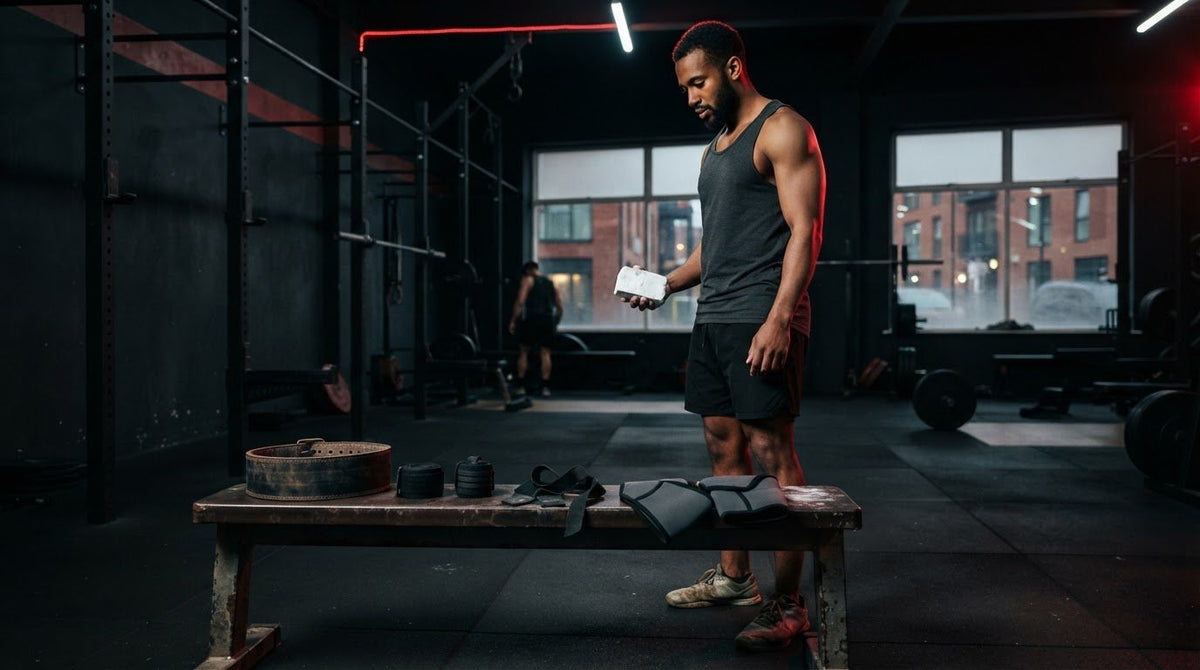
Always separate your technical apparel from heavy-duty equipment. Washing Team Industry Lifting Belts or leather items alongside lightweight tees can cause unnecessary wear and tear. Heavy gear requires a specialized cleaning approach to maintain its structural integrity over time.
Management of Fasteners
Close all Velcro on your wrist wraps and lifting straps. Exposed hooks will snag and ruin the delicate fibres of your training shirts. Taking ten seconds to secure these fasteners protects your investment and keeps your high-performance strength gear in top condition for years of heavy lifting.
The Professional Washing Machine Strategy for Lifters
Set your machine to a cold or cool cycle, specifically 30°C. While some appliance manufacturers suggest high heat for sanitization, this is a mistake for performance gear. High temperatures cause the elastane in your Industry Oversized Tee to lose its memory and snap, leading to a baggy, distorted fit. Cold water is more than sufficient when you use the correct laundry chemistry.
Use a specialist sports detergent designed to break down the oils that standard soaps miss. If you only have access to standard liquid detergent, reduce the amount you use by half. Excess soap creates a waxy film that actually traps bacteria against the fabric. Add half a cup of bicarbonate of soda directly into the drum before starting the cycle. This alkaline boost neutralises acidic odours and is a vital tactic in how to wash gym clothes to remove smell effectively.
Always execute an extra rinse cycle. Modern high-efficiency machines use minimal water, which often leaves soap and broken-down sebum trapped within the tight weave of technical fibres. A second rinse ensures every trace of grime is flushed out. This prevents the "clean" scent from disappearing the moment your body heat rises during a session. Mastering these steps is the most reliable way how to wash gym clothes to remove smell while maintaining the integrity of your kit.
Drying for Longevity
Keep your gear away from the tumble dryer. High heat doesn't just damage the "stretch" of your apparel; it bakes in any remaining bacteria, making the stench permanent. Air-drying is the only professional choice for maintaining your kit. Hang your clothes in a well-ventilated area or, ideally, in direct sunlight. UV rays act as a natural disinfectant that kills any remaining microorganisms.
Upgrade your training wardrobe with durable Industry Performance Leggings built to withstand frequent cleaning without losing their shape.
How to Clean Heavy-Duty Strength Gear and Accessories
Heavy-duty gear requires a more calculated approach than standard training apparel. Neoprene and thick cotton webbing are prone to deep-seated bacteria that standard machine cycles can't always reach. If you only focus on your shirts and leggings, your gym bag will continue to smell due to the organic matter trapped in your accessories. Understanding how to wash gym clothes to remove smell must include a strategy for your specialized equipment.
For Heavy Duty Knee Sleeves, use the "Sink Soak" method. Fill a basin with cool water, add a tablespoon of mild soap, and half a cup of bicarbonate of soda. Submerge the sleeves for at least 60 minutes, then rinse them thoroughly until the water runs clear. This process targets the porous structure of the neoprene where bacteria flourish. Always air-dry them completely before your next session to prevent moisture from sitting in the material.
Managing lifting straps is equally vital for hygiene and safety. To clean Figure 8 Lifting Straps, hand wash them in warm water with a small amount of detergent. Avoid the high-speed spin of a washing machine. Aggressive machine cycles can fray the heavy-duty cotton and weaken the strap's capacity to support your heaviest pulls. Proper hand-washing is a key component of how to wash gym clothes to remove smell without compromising structural integrity.
Leather Team Industry Lifting Belts should never be fully immersed in water. Full immersion causes the leather to dry out and eventually crack, which is a significant safety risk. Instead, wipe the belt down with a damp cloth after every session to remove surface sweat and salt. Apply a high-quality leather conditioner every few months to keep the material supple and dependable for years of service.
Team Industry Shaker Bottles are susceptible to "protein funk" if not handled with discipline. Rinse your shaker with hot water immediately after your post-workout shake. For a deeper clean, soak the bottle and lid in a mixture of water and white vinegar once a week. This neutralises lingering organic residue and keeps your bottle operational and scent-free.
When to Replace Your Gear
Even with a rigorous maintenance routine, gear eventually reaches the end of its operational life. If your sleeves or straps retain a pungent odour even after a deep soak, the bacteria have likely compromised the material permanently. Inspect your gear after every wash. Look for thinning neoprene, frayed stitching on straps, or Velcro that no longer grips firmly. These are clear signals that it's time to retire the item and invest in fresh equipment to ensure your training remains safe and professional.
Maintain Your Kit for Peak Performance
Proper maintenance is a non-negotiable part of the lifting lifestyle. By implementing the "Sink Soak" method for your heavy-duty sleeves and sticking to a strict cool-wash cycle for your technical apparel, you protect the high-performance materials that support your training. These simple, repeatable steps prevent the buildup of "permastink" and keep your kit operational for the long term. Mastering how to wash gym clothes to remove smell ensures your equipment remains a reliable partner in the gym rather than a distraction during your heaviest sets.
Team Industry provides professional-grade gear built for the toughest sessions. Our equipment is trusted by the UK strength community because it's designed by lifters, for lifters. We understand the grit of the training floor and the reality of gear maintenance. Upgrade your training wardrobe with Team Industry Performance Apparel to ensure you have the highest quality kit for your next session. Take care of your gear, and it will take care of you through every personal best and heavy rep.
Frequently Asked Questions
Can I use bleach on my white gym clothes to remove smells?
Avoid using chlorine bleach on high-performance apparel. Bleach is too aggressive for technical fabrics and will degrade the elastane in your Industry Performance Leggings, causing them to lose their fit and elasticity. For whites, use an oxygen-based whitener or a vinegar soak to brighten the fabric and kill bacteria without compromising the material's structural integrity.
How often should I wash my knee sleeves?
Wash your Heavy Duty Knee Sleeves every two to three weeks if you train four times a week. If you sweat heavily during your sessions, you should increase this frequency to once a week. Waiting too long allows bacteria to deeply penetrate the neoprene, making the odour much harder to eliminate even with a deep soak.
Why do my gym clothes smell like ammonia?
An ammonia scent often indicates that your body is burning protein for fuel during intense sessions, or it results from bacteria breaking down urea in your sweat. Learning how to wash gym clothes to remove smell is essential here, as standard cycles won't neutralise these specific chemical compounds. A vinegar pre-soak is the most effective way to break these chemical bonds before the main wash.
Is it safe to wash lifting straps in the washing machine?
Don't put your Figure 8 Lifting Straps in the washing machine. The high-speed agitation and heat can weaken the heavy-duty cotton and cause the stitching to fray over time. Hand wash them in warm soapy water to ensure they remain a reliable partner for your heaviest deadlifts while maintaining their grip and safety standards.
Does baking soda really help remove gym odours?
Baking soda is highly effective because its alkaline properties neutralise the acidic nature of body oils and sweat. Adding half a cup to your wash cycle is a proven tactic in how to wash gym clothes to remove smell. It acts as a natural deodoriser that works alongside your detergent to flush out trapped bacteria from the microscopic grooves of technical fibres.
Share:
Bodybuilding Competition Essentials UK: The Ultimate Show Day Checklist 2026
Lever Belt vs Prong Belt: Which Lifting Belt is Right for Your Strength Goals?