
Recent data shows that 42.3% of health-conscious individuals now rank getting stronger as their top priority. As you push toward a new personal best, your powerlifting apparel should function as a precision tool rather than just a gym outfit. It's common to feel overwhelmed by strict technical updates, such as the IPF 2026 rulebook changes effective March 1. You don't want to waste money on equipment that lacks support or gets flagged by a regional official during a kit check.
We understand the grit required for heavy compound movements and the need for gear that stands up to the pressure. This guide provides a clear roadmap to selecting the right equipment to enhance your mechanical leverage and protect your joints during maximal efforts. You'll learn the specific differences between daily training wear and competition-legal gear. We cover everything from 13mm Lever Belts to Heavy Duty Knee Sleeves, ensuring your setup is both safe and compliant. By the end, you'll have the practical knowledge needed to improve your lifting mechanics and step onto the platform with confidence.
Key Takeaways
- Understand how high-quality powerlifting apparel provides essential joint compression and mechanical carryover to keep you safe under heavy loads.
- Learn how the pragmatic design of the Industry Oversized Tee creates a stable shelf for the barbell during max-effort squats.
- Discover how professional-grade tools like the 13mm Lever Belt and Heavy Duty Knee Sleeves maximize intra-abdominal pressure and joint stability.
- Establish a "practice as you play" routine by breaking in your competition-spec gear during training sessions to ensure total reliability on the platform.
What is Powerlifting Apparel and Why Does it Matter?
Professional powerlifting apparel consists of specialised clothing and equipment designed to support joints, improve grip, and withstand extreme mechanical stress. Beyond simple gym wear, these items act as functional tools for increasing stability and force production during maximal efforts. In the context of Powerlifting, gear is an extension of the athlete's body that facilitates safer, more efficient movement patterns.
Effective gear serves three primary roles in a lifter's journey:
- Safety: High-grade materials provide joint compression and warmth, which helps maintain ligament integrity under load.
- Performance: Specific designs offer mechanical carryover, allowing you to transfer force more effectively through the kinetic chain.
- Compliance: Standardised equipment ensures you meet federation rules, such as the updated IPF 2026 technical standards.
The right fabric and fit prevent common lifting issues like bar slippage or skin abrasions. High-density textiles withstand the friction of barbell knurling, ensuring your powerlifting apparel lasts through years of heavy training cycles without shredding.
The Difference Between General Gym Wear and Powerlifting Gear
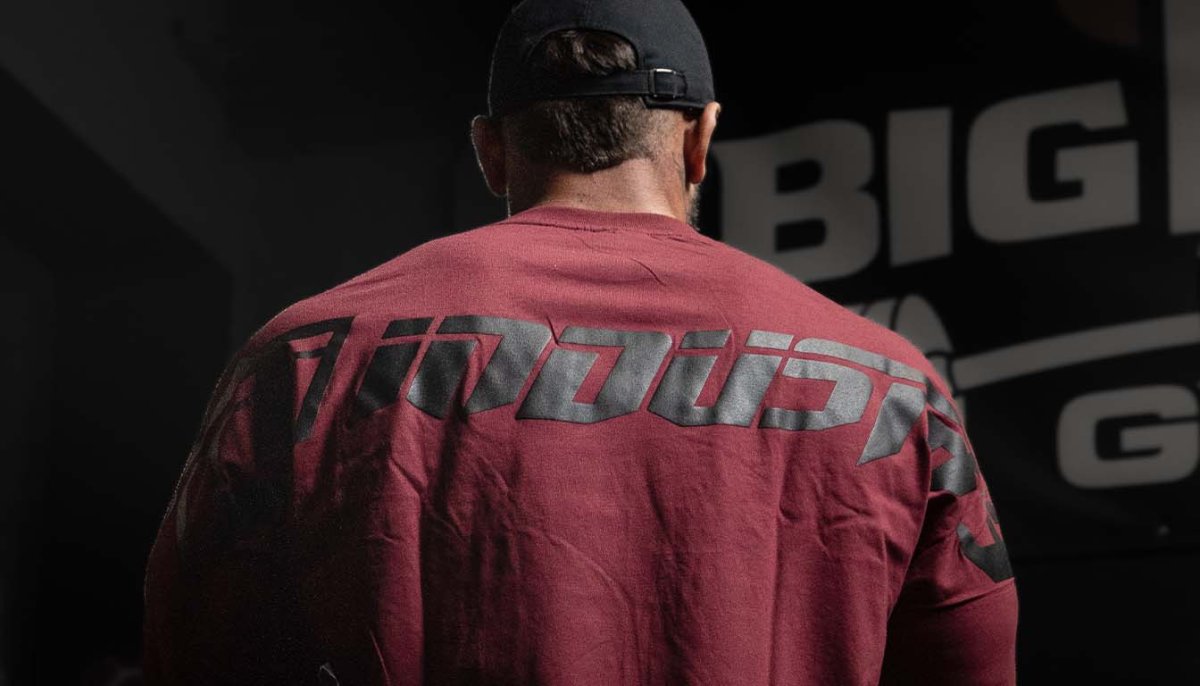
Standard polyester gym shirts often fail during heavy low-bar squats. The slick fabric allows the bar to slide down the back, which compromises your shelf and spinal alignment. Opting for a cotton-based Industry Oversized Tee provides the necessary friction to lock the barbell in place. This pragmatic choice prioritises a secure lift over the high-gloss look of standard activewear that doesn't grip the steel.
Material thickness also plays a critical role in deadlift protection. Thin leggings provide no barrier against the bar, leading to painful shin abrasions. Using Industry Performance Leggings ensures you have the durability required for high-volume pulling sessions. Transitioning from gear that merely looks good to equipment that helps you lift well is a hallmark of a serious strength athlete who understands the grit of the platform.
Performance Apparel: The Foundation of Every Lift
Your choice of powerlifting apparel dictates how well you interact with the steel. While many athletes focus solely on supportive accessories, the base layers you wear are critical for technical execution. Standard activewear often relies on slippery, synthetic fabrics that fail under the mechanical stress of a max-effort lift. Choosing garments with high cotton content ensures the barbell remains locked against your body, providing the friction necessary for safety and force transfer. It's the difference between a bar that stays put and one that shifts mid-rep during a heavy set.
The Utility of the Industry Oversized Tee
The oversized fit is a pragmatic choice for serious lifters. An Industry Oversized Tee allows for a full range of motion without restricting the lats or shoulders during the setup. Unlike sleek "dry-fit" materials that cause bar slippage during low-bar squats, heavy cotton provides a non-slip surface. This fabric helps create a secure "shelf" for the barbell. Use a heavy cotton tee to increase friction against the bench, preventing sliding during heavy presses. The National Strength and Conditioning Association highlights that proper equipment choice is vital for safety and performance.
Leggings and Bottoms for Heavy Pulling
Deadlifts require specific protection to prevent "deadlift rash" caused by the bar dragging against the shins. Using Industry Performance Leggings creates a durable barrier that reduces friction while maintaining essential joint compression. These materials must be squat-proof to ensure opacity and structural integrity during deep repetitions. If you want to upgrade your training kit, explore our range of performance tops and bottoms designed for the grit of the platform. Investing in high-density textiles ensures your gear won't sheer or fail when the weight gets heavy. Proper bottoms provide both the coverage and the confidence needed for high-volume training cycles.
Essential Supportive Gear for Maximum Strength
While base layers provide essential friction, supportive hardware is what truly allows you to handle maximum loads. This category of powerlifting apparel focuses on joint stabilization and the creation of intra-abdominal pressure. Using a Team Industry Lifting Belt provides a rigid wall for your core to brace against. This is essential for maintaining spinal integrity during heavy squats and deadlifts where mechanical stress is at its peak.
Choosing Between a 10mm and 13mm Lever Belt
Selecting the right thickness depends on your needs and federation rules. A 10mm belt offers a pragmatic balance of support and flexibility, making it easier to reach a proper starting position in the deadlift. For maximum rigidity, the 13mm Lever Belt is the industry standard. The lever mechanism ensures a consistent, secure fit every time you step onto the platform, allowing you to focus entirely on the lift.
The Role of Knee Sleeves and Wrist Wraps
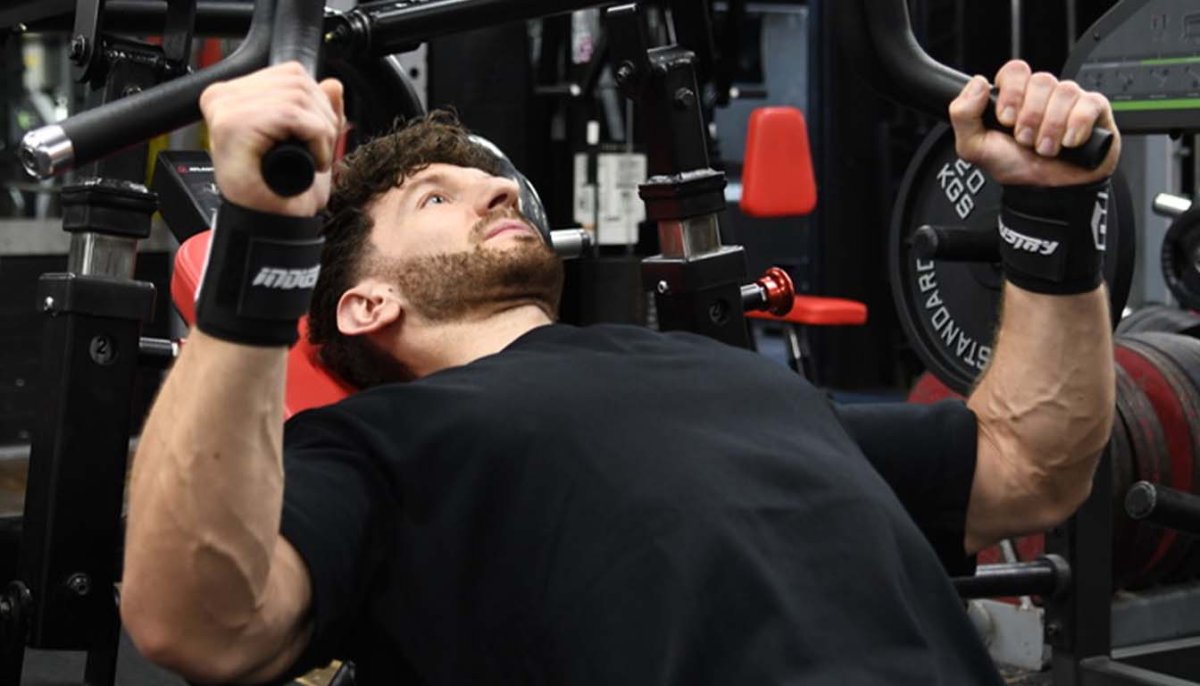
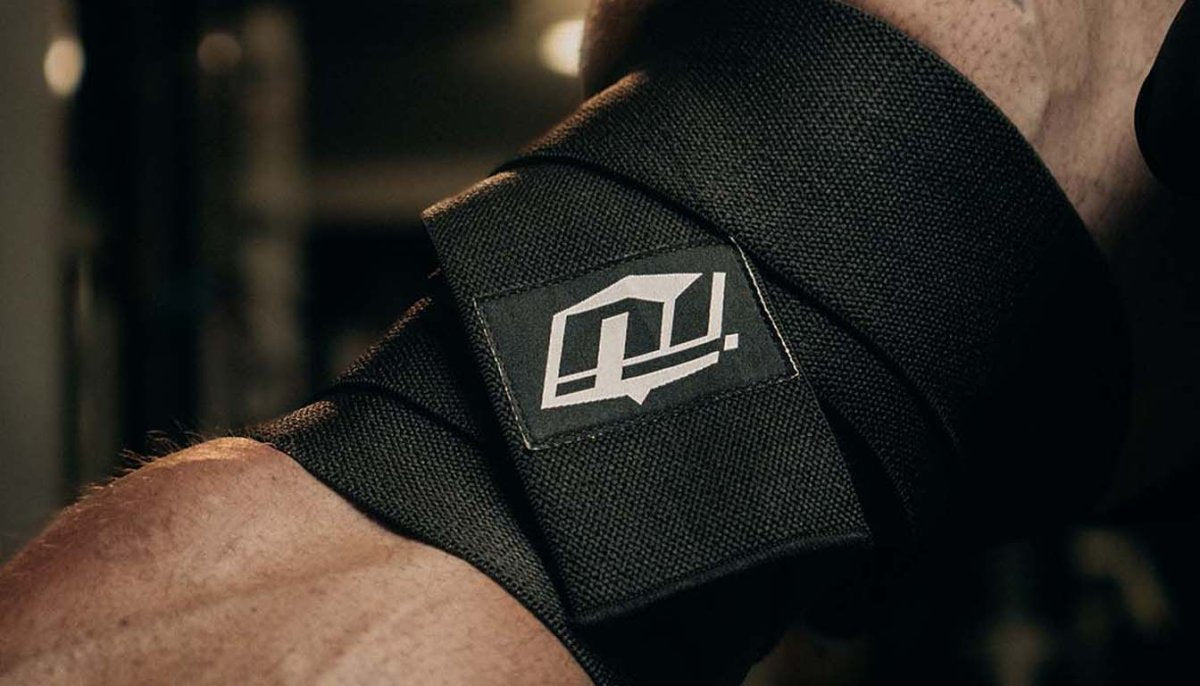
Heavy Duty Knee Sleeves are non-negotiable for joint longevity. They provide compression and warmth, which improves proprioception and offers a mild elastic carryover at the bottom of a squat. Similarly, wrist wraps prevent excessive extension during heavy pressing. For the bench press, using 16" Industry Wrist Wraps Blackout offers the necessary cast-like support without excessive bulk.
Maintaining your joints is a long-term investment in your strength career. If you're ready to secure your next PR, buy professional joint support gear here. These tools are designed by lifters who understand the grit of the training hall. They ensure your powerlifting apparel setup is complete and ready for the platform.
Building Your Powerlifting Kit: Training vs. Competition
Transitioning from standard gym clothes to specialized powerlifting apparel requires a shift in mindset. You must "practice as you play" to ensure your technique remains consistent under the pressure of a heavy platform attempt. Using different gear in training can alter your proprioception and leverage, leading to unexpected misses during a meet. Breaking in new leather belts and stiff neoprene sleeves during high-volume training cycles is essential. This process ensures the equipment conforms to your specific anatomy before you face the judges.
Understanding Federation Rules (IPF, GPC, etc.)
Compliance is just as important as performance when selecting your kit. The IPF 2026 technical rules, effective March 1, 2026, mandate t-shirts with sleeves ending below the deltoid and singlets made of a single-layer, non-supportive fabric. Professional-grade gear is a safer long-term investment than budget alternatives that may fail a kit check or degrade under mechanical stress. Choosing all industry strength gear ensures your equipment meets these rigorous standards while providing the durability required for years of heavy lifting.
Essential Accessory Checklist
While the belt and sleeves are the core of your setup, specific accessories refine your performance during technical sessions. Use this checklist to round out your training bag:
- Liquid Chalk: Provides a mess-free, reliable grip for both the deadlift and the bench press.
- Lifting Straps: Allow you to overload your pulling movements by removing grip strength as a limiting factor in training.
Start with the basics. A dependable lifting belt and heavy-duty knee sleeves should be your first priority. As your strength grows and your goals become more specific, you can expand your powerlifting apparel collection to include advanced supportive tools. This pragmatic approach ensures you have the support you need at every stage of your lifting career.
Secure Your Strength and Step Onto the Platform
Selecting the right powerlifting apparel is a pragmatic step toward reaching your full potential on the platform. You now understand that gear serves as more than a uniform; it's a functional system designed to enhance stability and ensure joint longevity. Whether you're breaking in a 13mm Lever Belt or utilizing the friction of a cotton tee for a more secure squat, every choice should support your technical execution. Staying compliant with federation rules ensures your hard work in the gym translates into valid lifts.
At Team Industry, we provide heavy-duty construction for UK lifters who demand reliability. Our equipment, including professional-grade 13mm Lever Belts, is designed by strength athletes who understand the grit of the sport. We focus on quality and durability so you can focus on the weight. Ready to upgrade your kit? Shop the full Team Industry Powerlifting Collection today. Build your foundation with gear that works as hard as you do.
Frequently Asked Questions
Do I need a 10mm or 13mm powerlifting belt?
Choose a 10mm belt if you prioritize flexibility and a faster break-in period, especially for the deadlift. A 13mm Lever Belt is the standard for maximum stability during heavy compound lifts. It offers superior rigidity for the core to brace against. Most competitive lifters eventually move to 13mm to ensure they have the highest level of support possible under maximal loads.
What is the best material for powerlifting t-shirts?
Heavyweight cotton is the best material because it provides essential friction against the barbell and the bench press. Smooth synthetic fabrics often cause the bar to slide during low-bar squats, which compromises your safety. Using an Industry Oversized Tee ensures the bar stays locked in place. This pragmatic choice focuses on technical stability rather than just moisture-wicking properties found in standard activewear.
Can I use general gym leggings for powerlifting?
General gym leggings often lack the density required to withstand the friction of a knurled barbell. High-quality powerlifting apparel like Industry Performance Leggings provides a durable barrier against shin abrasions and bruising. They also offer superior compression and are guaranteed to be squat-proof. Investing in specialized bottoms ensures your gear won't sheer or tear during deep, heavy repetitions in the training hall.
How tight should my powerlifting knee sleeves be?
Your Heavy Duty Knee Sleeves should feel cast-like and provide significant compression without cutting off circulation. A proper fit improves proprioception and joint warmth during heavy squats. If you can slide them on without any effort, they are likely too loose to provide a performance benefit. However, they shouldn't be so tight that they prevent you from reaching full depth or cause sharp pain during your sets.
Are lever belts better than prong belts for powerlifting?
Lever belts are generally preferred for powerlifting because they provide a consistent, secure fit every time you engage the mechanism. Unlike prong belts, you don't have to struggle to pull the strap tight before a heavy set. A Team Industry Lifting Belt with a lever allows for immediate, aggressive bracing. While prong belts are easier to adjust between different exercises, the reliability of a lever is superior for platform performance.
Share:
Bodybuilding Clothing: The Ultimate Guide to Performance and Fit
Weight Lifting Knee Wraps: The Athlete’s Guide to Support and Performance