

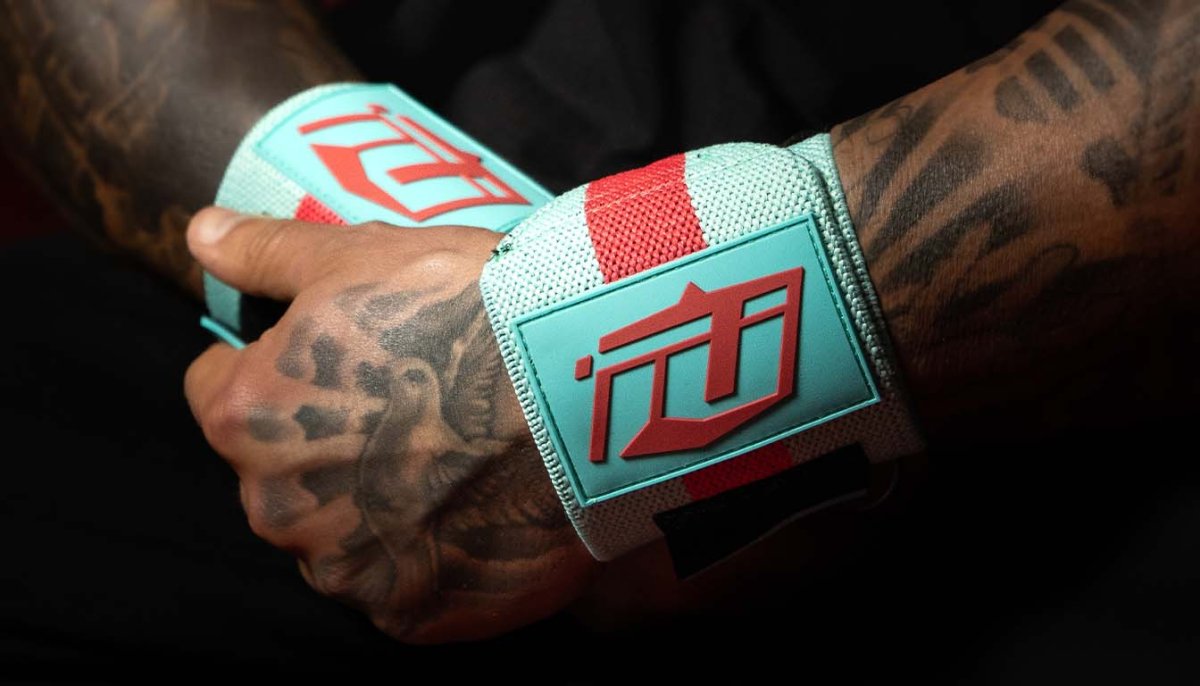
A wrist wrap is a tactical tool, not just a gym accessory. If you have ever felt your wrists buckle under a heavy bench press or noticed your gear losing its tension after only one season, you are likely using equipment that does not match your biomechanical needs. Finding the best wrist wraps for powerlifting is about more than just picking a stiff fabric. It requires a calculated choice based on your lifting style, joint health, and the current federation technical standards that remain in effect through December 2026.
You likely agree that even a small amount of unintended wrist hyperextension can bleed force and turn a potential personal record into a missed lift. It is frustrating to manage joint pain when your muscles are otherwise prepared for a heavy session. We understand the grit required to compete at a high level and the necessity of equipment that stands up to that pressure without failing when the weight gets heavy.
This guide will show you how to select professional-grade support that stabilizes your heaviest attempts and protects your joints. We will provide a clear path to choosing the right length and stiffness for your specific goals. You will also learn how to navigate competition rules and maintain your gear so it lasts well beyond a single season of training.
Key Takeaways
- Understand how the "cast effect" creates a rigid column for force transfer to stop wrist hyperextension during heavy lifts.
- Identify the best wrist wraps for powerlifting by selecting a length between 16" and 24" to balance support with ease of application.
- Master technical wrapping methods like the "Spiral" or "X" style to ensure the wrap sits directly over the wrist joint.
- Learn to pair Industry Wrist Wraps with a Team Industry Lifting Belt for maximum stability.
- Evaluate the stiffness of your gear against your specific lifting style and federation standards to ensure it's compliant and durable.
Understanding Wrist Wrap Mechanics for Powerlifting
Powerlifting demands total stability. Wrist wraps are heavy-duty elasticated bands designed to prevent hyperextension during heavy pressing and squatting. Unlike standard gym accessories, these wraps provide the necessary compression to keep the wrist joint in a neutral position. This alignment is critical because even a slight bend under a maximal load can lead to failed attempts or acute injury.
High-quality gear creates what lifters call the "Cast Effect." This turns your forearm and hand into a single, rigid column for force transfer. By utilizing wrist brace mechanics, the wrap ensures that energy travels directly from your primary movers through to the barbell. If your wrist collapses backward, you lose that direct line of force. Investing in the best wrist wraps for powerlifting allows you to eliminate this energy leak, often resulting in an immediate improvement in bench press stability.
Protecting the small bones of the wrist, specifically the scaphoid and lunate, is a primary function of these wraps. Under several hundred pounds of pressure, these bones are vulnerable to shifting or impingement. Proper compression keeps the carpal bones tightly packed. It is also important to distinguish these from lifting straps. While straps help you hold onto a bar during a deadlift, wrist wraps are purely for joint support and immobilization. They serve different tactical purposes in a strength program.
When to Introduce Wraps into Your Training
Don't rely on wraps for every set. We recommend using wrist wraps primarily for your top sets or any work exceeding 80% of your one-rep max. Using them for warm-ups can hinder the development of your natural grip and the stabilizing muscles in your forearms. Reserve the extra support for when the intensity requires a rigid cast to maintain safety and performance. This balanced approach ensures you build a strong foundation while having the professional-grade support ready for your heaviest attempts.
Choosing the Right Stiffness and Length
Selecting the best wrist wraps for powerlifting requires an understanding of how material tension interacts with your joint. Flexible wraps offer a degree of mobility that suits lifters who prefer some wrist extension or those performing high-volume accessory work. In contrast, stiff wraps are engineered for total immobilization. You should look for heavy-duty velcro and high-grade elastic that maintains its tension over time. Equipment that frays after a few sessions isn't just a waste of money; it's a safety risk.
The length you choose dictates how many revolutions you can wrap around the joint. While some brands suggest 18" as a standard, many UK athletes find that 16" to 24" wraps provide the ideal balance. This length allows for enough overlapping layers to create a rigid structure without being overly bulky. When applying your gear, following Certified Hand Therapist advice regarding joint alignment helps prevent long-term strain. Always ensure your choice aligns with your federation's technical standards, as rules regarding length and thumb loops are strictly enforced through 2026.
Stiff Wraps for Maximal Bench Pressing
For wide-grip benchers, "casting" the wrist is essential. A stiff wrap eliminates any backward tilt, ensuring the bar stays directly over the radius and ulna. This position maximizes force transfer. You'll likely sacrifice some comfort for this level of stability. It's a calculated trade-off that pays off during a third attempt on the platform.
Medium Support for Squats and Accessories
Squats often place unexpected stress on the wrists, particularly in a low-bar position. Using a wrap with medium support can alleviate referred elbow pain by preventing the wrist from collapsing under the bar's weight. These are also better for accessory movements where you need support without complete immobilization. If you need a versatile option that handles both heavy pressing and squats, the 16" Industry Wrist Wraps are designed as the standard for serious strength athletes.
Application Techniques for Maximum Stability
Even the best wrist wraps for powerlifting provide zero benefit if they sit entirely on your forearm. To achieve a true cast, the material must bisect the wrist joint itself. This placement prevents the joint from moving independently of the forearm, which is where most force leaks occur. For low bar squats, a spiral wrap often suffices to keep the wrist from collapsing under the bar's downward pressure. However, for a maximal bench press, an X-pattern wrap provides superior rigidity by creating multiple overlapping layers directly over the carpal bones.
Achieving competition-ready tightness requires a calculated approach. For a 1-rep max, the wrap should be tight enough to feel slightly numbing; this ensures no micro-movements occur during the lift. You must release this tension immediately after your set to restore blood flow. Leaving wraps tight between sets can lead to nerve compression and diminished performance in subsequent rounds. Practice your wrapping technique during your 80% sets to ensure you can replicate the tension under the pressure of a heavy attempt.
The Proper Way to Wrap Your Wrists
Follow this step-by-step process for a secure fit:
- Step 1: Anchor the wrap using the thumb loop, but keep it loose so it's easy to remove. Don't pull against the loop to create tension, as this can snap the elastic.
- Step 2: Create a solid base just below the joint before moving upward to cover the wrist. Each revolution should overlap the previous one by at least half the width of the wrap.
- Step 3: Secure the velcro while keeping your wrist in a neutral, straight position. Don't wrap with your wrist already bent, as this defeats the purpose of the support.
Common Competition Mistakes
Technical errors can lead to red lights on the platform. The thumb loop must be removed from your thumb once the wrap is secure. Leaving it on during the lift is a common rule violation in most federations. Additionally, ensure your gear complies with the 8cm width restriction enforced by most governing bodies. To avoid these technical pitfalls and ensure your gear stands up to the grit of the platform, consider using Industry Wrist Wraps, which are designed to meet strict competition standards while providing maximum durability.
The Team Industry Standard for Strength Athletes
Professional strength equipment must withstand the harsh environment of a high-intensity gym. We engineered the Industry Wrist Wraps for lifters who prioritize performance over aesthetics. While many brands focus on gym fashion, we focus on the grit of the UK strength community. Our gear is developed through direct feedback from active strongmen and powerlifters who test these products to their failure points. This collaborative approach ensures that when you choose what we consider the best wrist wraps for powerlifting, you are using equipment proven on the platform.
Total stability requires a holistic approach to your gear. Pairing your wraps with a Team Industry Lifting Belt creates a unified support system for your core and joints. This combination is essential for maintaining proper bracing and alignment during maximal attempts. If you are unsure which gear suits your current training block, our experts are available online or at our physical UK shop to provide pragmatic, professional advice. We don't just sell equipment; we provide the tools necessary for operational excellence in the squat rack.
Why Our Blackout Range Dominates
Finding the best wrist wraps for powerlifting shouldn't involve guesswork. Versatility is the core of the Blackout range. The 16" length provides enough revolutions for a stiff cast on the bench press while remaining manageable for overhead pressing or high-bar squats. We use a high-tension elastic that maintains its rebound properties even after hundreds of heavy sessions. This durability ensures your investment lasts more than a single competitive season. Check out our full range of strength gear for your next meet. Our commitment to quality and regulatory compliance ensures you can step onto the platform with total confidence in your kit.
Secure Your Strength for the Platform
Stabilizing your wrists is a foundational requirement for any serious strength athlete. You now understand how the "cast effect" eliminates force leaks and why technical application, such as removing thumb loops during a lift, is vital for competition compliance. Selecting the best wrist wraps for powerlifting comes down to matching your specific biomechanical needs with equipment that won't fail under pressure.
Team Industry gear is built for the reality of heavy training. We use heavy-duty materials designed for maximal loads; this ensures your support remains consistent through every session. As a brand trusted by UK Strongman and Powerlifting athletes, we provide equipment that stands up to the grit of the platform. If you prefer to test your gear in person, visit our physical shop for an expert fitting to find your perfect match.
Shop Professional Powerlifting Wrist Wraps at Team Industry UK
Take the guesswork out of your gear. With the right support and technical mastery, you're ready to focus entirely on the weight. We look forward to seeing your progress in the gym and on the platform.
Frequently Asked Questions
Do wrist wraps actually help you bench more?
Yes, they help you bench more by eliminating energy leaks at the wrist joint. By providing a "cast effect," the best wrist wraps for powerlifting ensure that force from your chest and shoulders travels directly into the barbell. This stability allows you to focus entirely on the press rather than managing joint wobble. While they don't increase muscle strength, they maximize the efficiency of your existing power during maximal attempts.
How long should powerlifting wrist wraps be?
Most powerlifters find that 16" to 24" wraps offer the best balance of support and ease of use. A 16" length, like our Industry Wrist Wraps, provides enough revolutions to secure the joint without excessive bulk. While 36" wraps offer maximum immobilization, they take longer to apply and can be cumbersome during a fast-paced training session. It's better to choose a length that you can apply quickly between sets.
Can I use wrist wraps for every workout?
Don't use them for every set. You should reserve wrist wraps for your heaviest sets or percentages above 80% of your max. Using them for every movement can lead to a reliance on the gear and might hinder the development of your natural grip and forearm stability. We recommend training without them during warm-ups to build foundational strength. Integrate them only when the load requires professional-grade support to maintain safety.
What is the difference between stiff and flexible wrist wraps?
Stiff wraps are designed for maximal immobilization, essentially casting the wrist to prevent any movement during a heavy bench press. Flexible wraps offer more comfort and allow for a small degree of wrist extension, making them suitable for high-volume accessory work. Finding the best wrist wraps for powerlifting depends on your lifting style; wide-grip benchers typically prefer the rigidity of a stiffer material to maintain a neutral and secure joint position.
How do I wash my powerlifting wrist wraps without ruining them?
Hand wash your wraps in cold water with a mild detergent to preserve the elasticity and velcro integrity. Don't use a washing machine or tumble dryer, as high heat and agitation will break down the fibers and cause the material to lose its tension. Once cleaned, lay them flat to air dry away from direct sunlight. This maintenance routine ensures your gear remains dependable and maintains its rebound properties for multiple competitive seasons.
Share:
How Tight Should Wrist Wraps Be? A Weightlifting Guide
How to Use Lifting Straps for Deadlifts: Step-by-Step Guide