

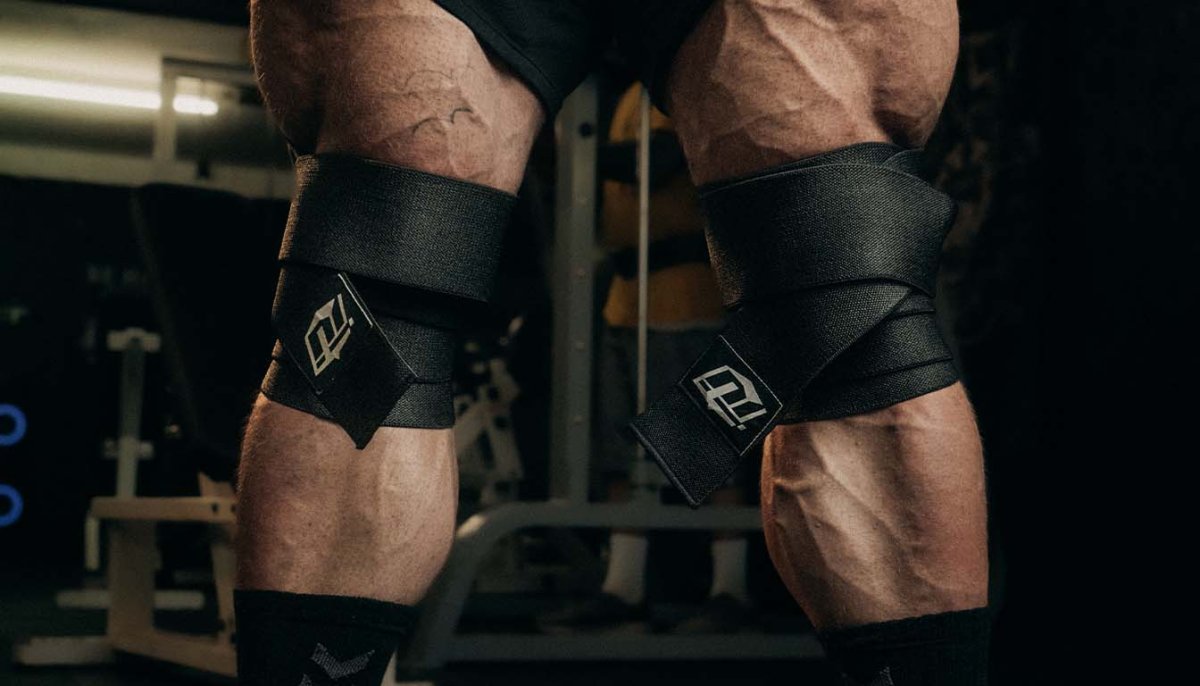
What if the wrap that feels tightest is the one making your squat less repeatable? Advanced techniques for using knee wraps start with control, not maximum tension. If direction, overlap or pressure changes between sets, support can feel unpredictable. Pulling harder is not a reliable fix. Wraps should reinforce a practised squat, not disguise uncertain mechanics or knee discomfort.
A secure, consistent setup matters most when the weight gets heavy. This guide explains how to apply wraps consistently, practise the technique and programme wraps for selected sessions, while keeping some training unwrapped. You’ll also learn how wraps differ from sleeves and how to choose a method that suits your lifting goals. If you’re preparing for competition, check the current rules for your federation and division before relying on wraps. The aim is a repeatable approach, not a setup where tighter automatically means better.
Key Takeaways
- Use advanced techniques for using knee wraps to build a repeatable setup, not simply to maximise tightness.
- Follow a consistent application sequence, adapting the direction and overlap to the wrap design.
- Reserve wraps for planned squat work that matches your training purpose, and track your setup to identify what feels consistent.
- Compare wraps by intended use, feel and training context to choose an approach that fits your lifting practice.
Advanced knee-wrap techniques start with purpose, not maximum tightness
Knee wraps are supportive lifting equipment that you wind around the knee and adjust for a squat session. Lifters may use them for selected heavy sets or competition-specific practice, but a tighter wrap isn’t automatically a better one. A useful setup is one you can apply consistently and tolerate while squatting with control.
Knee wraps can support a planned lifting setup, but they can’t guarantee a stronger squat, prevent injury or correct poor technique. The sport of powerlifting includes the squat as a competition lift, so practising with the equipment you plan to use can be relevant when preparing for specific conditions.
For a visual example of one lifter’s setup, watch this step-by-step video:
When advanced lifters may use knee wraps
Use wraps for planned heavy-set work when your goal is to practise squatting with them. Don’t default to wearing them for every squat set. Let your training purpose and comfort guide the choice, and treat wrapping as performance practice, not treatment or rehabilitation. If knee pain persists, don’t use wraps to mask it; seek assessment from an appropriate health professional.
Knee wraps versus knee sleeves for lifting
Wraps are wound around the knee, giving the lifter control over their placement and tension. Sleeves are pulled over the knee and provide a different, less adjustable fit. Neither option suits every lifter or session, so consider your training context and personal comfort. Explore Team Industry joint-support gear for knee-support options. For a separate support category, see lifting wrist wraps.
How to apply knee wraps consistently for heavy squats
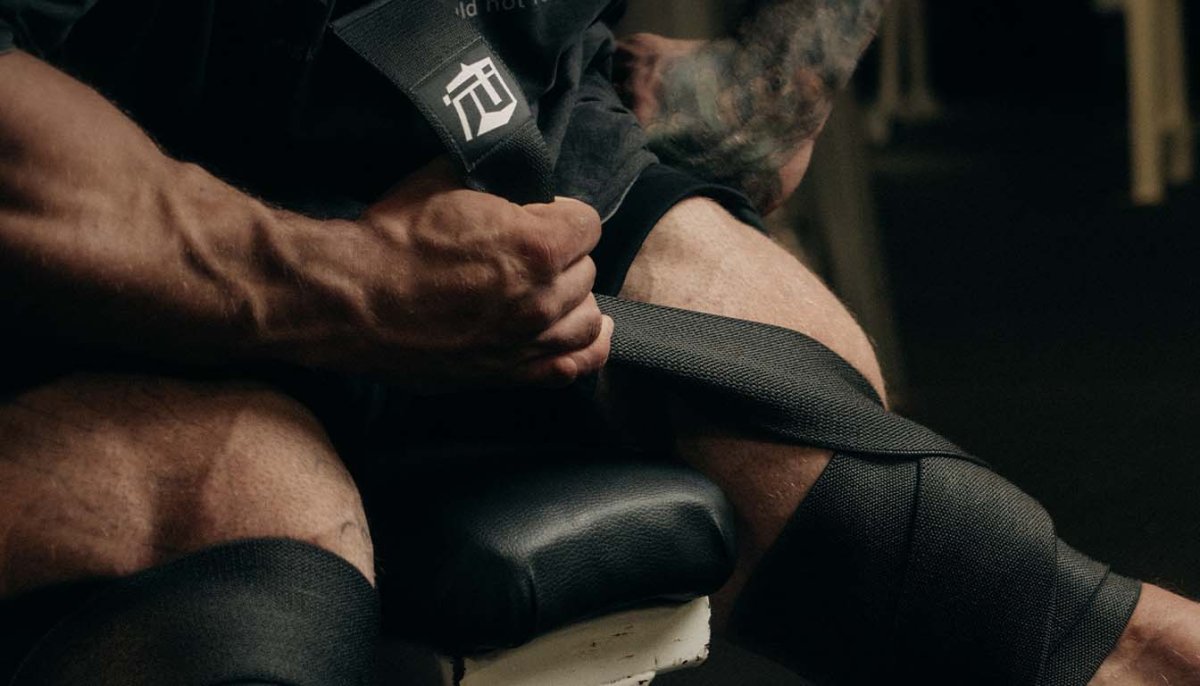
Consistency comes from repeating the same setup, not chasing maximum tightness. These advanced techniques for using knee wraps give you a process to practise. The exact direction and overlap depend on the wrap’s design, so follow its instructions rather than assuming one pattern works for every wrap.
Set wrap direction, overlap and tension
Start by checking the wrap’s instructions, particularly if its construction specifies a wrapping direction. Secure the starting point, then work around the knee with smooth, consistent overlap. Keep the fabric flat and avoid folds or sudden changes in pressure. Aim for even tension you can reproduce on both legs. Don’t pull harder just to make the wrap feel more secure. If you notice discomfort, numbness or altered sensation, stop and reassess the fit before lifting.
Wraps can feel different across lifters and setups, so judge your own application through practice. A 2023 analysis of competition data indicates that effects may vary by weight class, and that wraps may be detrimental to maximal squat performance for some lifters. This is a reason to assess your own setup rather than assume tighter tension or more overlap is always better.
Check your setup before unracking
Use the same application sequence on both knees, then check that the wraps feel consistent and let you get into your normal squat position. Rehearse the sequence during lighter sets before using heavier loads. If the wraps shift, bunch or change how you set up, pause and adjust. Don’t carry an inconsistent setup into the set.
Before you unrack, check:
- Both wraps sit smoothly, with consistent overlap.
- Tension feels even and comfortable, with no numbness or altered sensation.
- You can assume your usual squat position and move under control.
Once you have a repeatable method, explore Team Industry joint-support gear for knee-support options.
How to programme knee wraps without relying on them for every squat
Build wraps into your programme for a clear reason, such as practising your planned setup for demanding squat work. Keep other sets unwrapped when that fits your training goal. This lets you assess your squat without wraps and practise with them when the session calls for it. Advanced techniques for using knee wraps include deciding when to use them, not just how to apply them.
Progress from practice sets to heavier work
Rehearse your wrapping sequence at manageable loads before using it for more demanding sets. Record the setup, perceived tension and how the squat felt. Note whether the wraps stayed comfortable and your movement remained controlled. If you adjust your approach, change one variable at a time, such as tension or when in the session you wrap. That makes it easier to identify what is repeatable without relying on a fixed progression timeline or loading formula.
Tighter doesn’t automatically mean better support or results. A wrap that feels excessively restrictive may make it harder to settle into your usual setup. Use your training notes to guide decisions instead of assuming more tension must help.
When discomfort or competition rules change the plan
Stop and reassess if wrapping causes pain, numbness or an unusual change in how you move. Don’t push through to complete a planned set. If you’re preparing for competition, check the current rulebook for your federation and division before practising with wraps as part of your plan. Equipment rules can differ, so don’t assume your training setup is permitted. For broader strength-sport context, read our strongman training gear guide.
Choose support to suit the session. If you’re considering knee-support options, explore Team Industry joint-support gear.
Choose knee wraps that suit your lifting practice
Choose wraps based on your session purpose and how they feel in practice, not on the assumption that one setup suits every lifter. General gym training and competition preparation can call for different equipment choices. If you’re preparing for an event, check the current rulebook for your federation and division before using wraps in competition.
Match wrap choice to your training context
Use this comparison to clarify what you need from your setup. Preferred tension and feel are individual, so practise progressively before making wraps part of demanding work.
| Training context | What to consider | Practical check |
|---|---|---|
| General gym training | Whether wraps suit the purpose of the session or unwrapped squats fit better. | Check comfort and whether your usual squat setup feels controlled. |
| Competition preparation | Whether wraps are permitted in your federation and division, and whether your setup matches the rules. | Practise the intended competition setup and review the current rulebook. |
For related training equipment, browse strength-training equipment. Team Industry Weight Lifting Knee Wraps are one knee-support option to compare with your training needs. Review the product information and consider whether they suit your intended use.
Build a repeatable pre-squat wrap routine
Before unracking, check that both wraps sit consistently, the tension feels comfortable and you can move into your squat position under control. If anything feels wrong, pause and reassess rather than forcing the set. Keep a brief training log with your wrap setup, perceived tension, session purpose and how your squat felt. Comparing these notes across sessions can help you identify a repeatable approach.
Advanced techniques for using knee wraps come down to matching the setup to your training and practising it consistently. When you’re ready to compare options, explore Team Industry knee support.
Make every wrapped squat a deliberate choice
Advanced techniques for using knee wraps come down to a consistent setup, a useful training purpose and a tension level you can manage. Practise your application before relying on wraps for demanding sets, and keep unwrapped work where it fits your programme. If you’re preparing for competition, check the current rules for your federation and division.
Log how you wrapped, how the setup felt and how you moved through the squat. Use those notes to refine your routine instead of assuming tighter is better. If knee discomfort persists, don’t use wraps to mask it; seek appropriate assessment.
Team Industry supports athletes across strength sports, including powerlifting and strongman, with Weight Lifting Knee Wraps among its knee-support options. When you’re ready to explore, browse Team Industry’s store. Build your method patiently, keep the setup repeatable and let your training plan guide the choice.
Frequently Asked Questions
How tight should knee wraps be for squats?
Wraps should feel secure and consistent, not painfully tight. Aim for even tension that lets you set up and squat under control. If you notice pain, numbness or altered sensation, stop and reassess the wrap before lifting. The right feel can vary between lifters, so practise at manageable loads and don’t assume extra tension automatically means better support or results.
Should I use knee wraps for every squat session?
No, knee wraps don’t need to be part of every squat session. Use them for planned sets when they match your training purpose, such as practising a competition-specific setup, and keep other work unwrapped when that fits your programme. Rehearse your application at manageable loads first. Note how the setup feels so you can decide whether it is useful for future sessions.
Do knee wraps make you squat more weight?
They may change how a heavy squat feels, but they can’t guarantee that you’ll lift more weight. Your result depends on factors including your technique, training and how well you tolerate the setup. Practise with wraps and assess your own performance rather than relying on assumptions. They’re supportive equipment, not a substitute for sound mechanics or appropriate programming.
How do you wrap your knees for squats?
Follow the wrap’s instructions, secure the starting point and wind it around the knee with smooth, consistent overlap. Direction and overlap can depend on the wrap design, so there isn’t one universal pattern. Aim for even, repeatable tension rather than pulling as tightly as possible. Check that both wraps feel consistent and allow a controlled squat before unracking.
Can you wear knee wraps in powerlifting competitions?
It depends on the federation and competition division, so check the current rulebook before competing. Under International Powerlifting Federation rules valid through 2026, knee wraps are permitted in Equipped competitions, but not in Classic competitions. Other organisations may set different requirements. Make sure your equipment and wrapping practice match the rules for your specific event rather than assuming wraps are allowed.
Share:
Knee Wraps for Strongman: A Beginner’s Guide for 2026
Deadlift Setup Checklist for Safety: Prepare for Every Rep