


Your central nervous system doesn't care about your personal bests; it only cares about your survival. You've likely experienced those weeks where eight hours of sleep still leaves you feeling drained, or your evening sessions leave you 'wired but tired' and unable to switch off. It's a common struggle for dedicated lifters in the UK who push their limits without accounting for the adrenal response and the total physiological cost. We understand that hitting a plateau isn't just about your programming; it's about your internal recovery capacity.
This guide explores how your adrenal glands dictate your power in the gym and provides pragmatic strategies to manage stress for peak performance. We'll break down the balance between adrenaline and cortisol, offer practical tips to improve your recovery, and explain how using a Team Industry Lifting Belt can help manage systemic fatigue. You will learn exactly when to push for a new PR and when to take a necessary de-load to ensure long-term strength gains.
Key Takeaways
- Understand how your adrenal glands produce the andernal hormones required to drive explosive power and sustain high-volume training sessions.
- Learn to distinguish between adrenaline-led force and cortisol-driven energy to optimise your workout structure for maximum efficiency.
- Recognise the subtle physical indicators of HPA Axis Dysregulation before they lead to a complete training plateau or chronic fatigue.
- Discover how professional-grade gear, such as a Team Industry Lifting Belt, can lower the perceived stress of heavy lifts to protect your recovery capacity.
What Are Adrenal Glands and Why Do They Matter for Athletes?
The adrenal glands are small, triangular organs situated atop each kidney. While their size is modest, their role as the body's primary stress responders is critical for any athlete. For lifters, these glands are the source of andernal hormones that dictate your total energy levels and power output during a session. They manage the endocrine system’s reaction to the physical trauma caused by heavy resistance training. This ensures your body can meet the demands of the bar while protecting your internal systems from excessive strain.
The Anatomy of a Lift: Cortex vs. Medulla
Understanding the internal structure of these glands helps you manage your training intensity effectively. The adrenal cortex handles long-term energy management by producing cortisol. This hormone helps mobilise fuel during high-volume sessions. Conversely, the adrenal medulla is the source of your immediate fight or flight adrenaline rush. This sudden surge is what allows you to move heavy loads with explosive speed. Balancing these two outputs is the key to consistent progress without hitting a wall.
Why 'Andernal' Health is the Foundation of Strength
Maintaining andernal health is essential for operational excellence in the gym. These glands regulate blood pressure and heart rate, ensuring your cardiovascular system can support a maximal PR attempt. They also produce aldosterone, which manages your hydration and salt balance. If this system is compromised, you'll likely experience cramping and poor recovery. Using professional-grade gear, such as a Team Industry Lifting Belt, can help reduce the perceived stress of a lift. This allows you to train hard while minimising the unnecessary systemic fatigue that leads to burnout. Consistent performance requires a body that's as resilient internally as it is strong externally.
Adrenaline and Cortisol: The Hormonal Engine of Your Workouts
Adrenaline and cortisol function as the chemical spark and fuel for every heavy session. Adrenaline, or Epinephrine, provides the immediate surge in force production required for heavy singles or explosive movements. It’s the reason you can pull a heavy deadlift that feels impossible during your initial warm-ups. Meanwhile, cortisol manages the mobilisation of glucose, providing the sustained fuel needed for high-volume bodybuilding or strongman sessions. The HPA Axis serves as the primary communication line between your brain and your physical strength. Maintaining a calculated balance is essential for your andernal health; excessive cortisol levels often lead to muscle protein breakdown and stalled progress.
Hacking the Adrenaline Rush with Smelling Salts
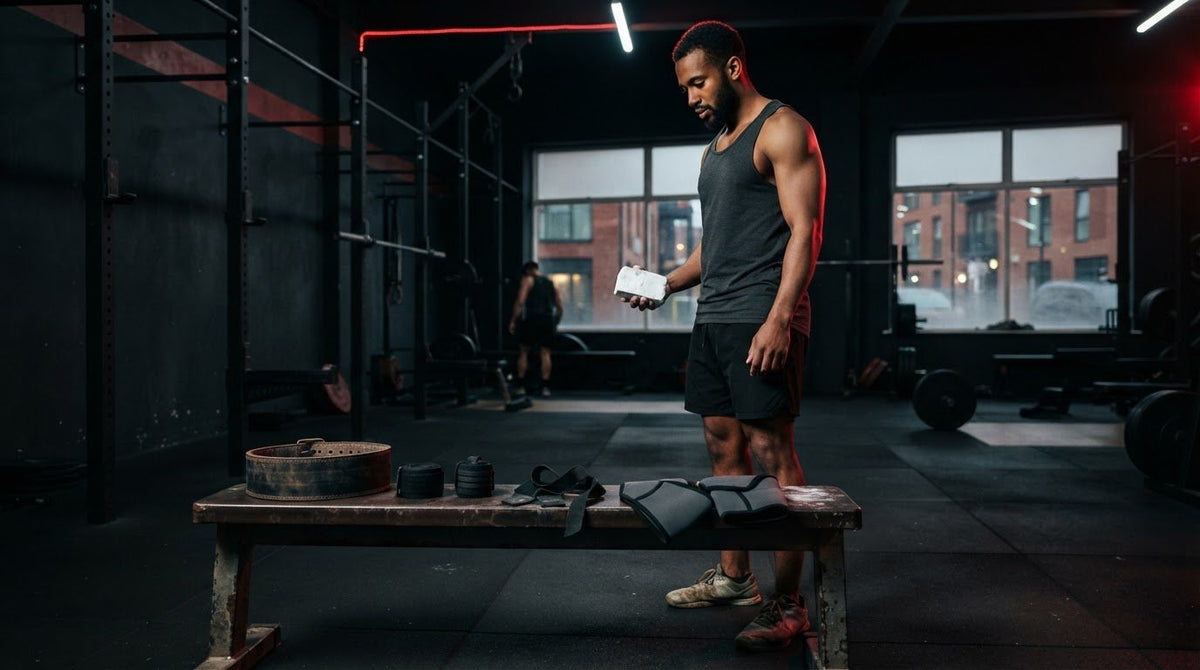
Using Smelling Salts is a proven method to trigger an acute inhalation reflex. This creates a sharp sympathetic nervous system spike, instantly priming you for a maximal effort. For long-term andernal efficiency, use salts pragmatically. Save them for your heaviest top sets rather than every warm-up to prevent over-taxing your system. This approach ensures the stimulus remains effective when you truly need it most.
The Cortisol Trap: When Training Becomes Counter-Productive
Chronic high-intensity training without sufficient rest keeps your stress hormones permanently elevated. It is vital to understand how cortisol and adrenaline affect your body over long periods. When cortisol stays high, it disrupts your sleep quality and prevents the deep recovery cycles required for muscle growth. This often leads to a "wired but tired" state where your performance drops despite feeling on edge. If you find your morning drive disappearing, it’s a sign to scale back the intensity. To stay efficient during these heavy sessions, using professional Weight Lifting Belts can reduce the total systemic load on your body, allowing for better recovery between sessions.
Identifying and Managing Adrenal Stress for Better Recovery
Adrenal fatigue is a frequent topic in the strength community, though it is clinically recognised as HPA Axis Dysregulation. This condition occurs when the feedback loop between your brain and your andernal glands becomes desensitised due to chronic stress. You can find detailed medical information regarding adrenal gland function and cortisol to understand the underlying mechanics. Warning signs often include a total loss of 'morning drive,' a sudden decrease in appetite, and persistent, nagging joint pain that doesn't resolve with standard rest.
Reducing systemic strain is a pragmatic way to protect your recovery capacity. Using grip aids from Team Industry allows you to maintain training volume without over-taxing your nervous system. For a deeper look at this, read our Mastering Your Pull guide. Implementing a scheduled de-load week every four to six weeks is also essential. This period allows your andernal sensitivity to return to baseline, ensuring you stay responsive to training stimuli.
Symptoms of Overtraining in Strength Athletes
- A noticeable decrease in 'pop' or explosiveness during movements such as the snatch or jump squat.
- An increased resting heart rate and heightened irritability in daily life outside the gym environment.
Pragmatic Recovery Strategies
Nutrition plays a vital role in supporting your system after heavy sweating. Prioritise magnesium and salt intake to replenish what is lost during intense sessions. Ensure your active recovery days remain low-intensity, such as light walking. This keeps the nervous system in a parasympathetic state rather than triggering another stress response. To support your training longevity, explore our full range of professional-grade strength gear today.
Practical Strategies to Support Your Adrenal Health
Prioritising sleep hygiene is the most effective way to ensure cortisol levels drop naturally in the evening, allowing for deep restorative sleep. Strategic caffeine management is equally crucial for long-term progress. Avoid "double-scooping" pre-workout for every session to prevent andernal desensitisation and chronic jitters. If you rely on high-dose stimulants to function, you aren't managing your baseline recovery effectively. Using professional equipment is another pragmatic step to manage internal stress. A Weight Lifting Belt provides the necessary intra-abdominal pressure and security to lift with confidence. This physical support lowers the psychological and physical stress of a maximal effort. For a broader overview of essential equipment, see our Strongman Training Gear UK guide.
Reducing Systemic Fatigue with the Right Equipment
Accessory movements often accumulate significant fatigue if your grip or stability becomes the limiting factor. Using Lifting Straps on high-volume rows or RDLs saves your central nervous system (CNS) for the main compound lifts. This ensures you aren't "leaking" energy on secondary tasks. Similarly, the psychological benefit of Wrist Wraps is vital. By providing structural joint stability, they reduce the injury anxiety associated with heavy pressing. This prevents an unnecessary andernal spike before you even unrack the bar, keeping you calm and focused.
The Team Industry Approach to Sustainable Strength
The Team Industry philosophy is built on the reality of the labour-intensive strength world. We believe in providing professional-grade gear for athletes who train hard but recover harder. Operational excellence in the gym requires a long-term view of both hormonal health and physical performance. Don't let poor stress management or inadequate equipment halt your progress. Shop our full range of professional strength gear to support your journey toward sustainable, high-level strength.
Mastering Your Operational Infrastructure for Long-Term Strength
Mastering your internal environment is just as vital as following a strict programming cycle. You now understand that your adrenal health serves as the operational infrastructure for every lift. By managing the andernal response through strategic recovery and intelligent gear selection, you protect your body from the pitfalls of chronic fatigue. Remember to prioritise sleep hygiene, use de-loads effectively, and rely on equipment that reduces systemic strain during heavy sessions. It's about training smarter to ensure your endocrine system remains responsive to the stimulus of the bar.
We provide professional-grade equipment for UK lifters who demand reliability and results. Our gear is trusted by Strongman and Powerlifting athletes across the country to deliver dependable support when the loads get heavy. Don't let burnout stall your progress when the right strategies can keep you moving toward your next personal best. Maximise your performance with Team Industry Strength Gear and build a foundation for sustainable, high-level strength. Keep training hard and stay focused on your long-term goals.
Frequently Asked Questions
What is 'adrenal fatigue' in the context of bodybuilding?
Adrenal fatigue is a colloquial term for HPA Axis Dysregulation, where the body's stress response system becomes less responsive to intense training. In bodybuilding, this often manifests as a sudden loss of muscle fullness, a poor pump during sessions, and chronic lethargy. It's essentially an operational failure of your andernal hormone production. Managing this requires a focus on recovery and reducing unnecessary systemic load through professional-grade equipment.
Can smelling salts damage my adrenal glands if used too often?
Smelling salts won't physically damage the glands, but overusing them can lead to a desensitised sympathetic nervous system. They work by triggering an acute inhalation reflex, which causes a sharp adrenaline spike. If used for every set, your body adapts, requiring more stimulus for the same effect. Save Smelling Salts for your top sets to maintain their effectiveness and protect your long-term andernal response.
How does cortisol affect my ability to build muscle?
Cortisol is a catabolic hormone that, when chronically elevated, can inhibit muscle protein synthesis and promote tissue breakdown. While essential for mobilising energy during a workout, excessive levels interfere with the testosterone-to-cortisol ratio. This imbalance makes it harder to recover from high-volume sessions. Using tools like a Team Industry Lifting Belt helps lower the perceived physical stress of heavy loads, potentially mitigating excessive cortisol spikes.
Should I stop training if I feel my adrenals are taxed?
You don't necessarily need to stop training, but you must shift to a de-load or active recovery phase. Total cessation can sometimes lead to further lethargy; however, reducing intensity by 40 to 50 percent allows your nervous system to recover. Focus on low-impact movements and ensure your sleep hygiene is flawless. This pragmatic approach ensures you maintain your technique while allowing your hormonal baseline to stabilise.
What are the best supplements for adrenal support for lifters?
Magnesium and high-quality sea salt are foundational for supporting adrenal function, especially after heavy sweating in the gym. These minerals help regulate the electrical signals in your nervous system and maintain blood pressure. Some lifters also find success with adaptogens like Ashwagandha to help modulate the cortisol response. Always prioritise these micronutrients alongside a structured recovery plan to ensure your body can handle the demands of strength sports.
Share:
Oversized Gym Pump Cover: 2026 Strength Athlete Guide
How Often Should You Replace Knee Sleeves? A Lifter’s Guide to Gear Longevity