

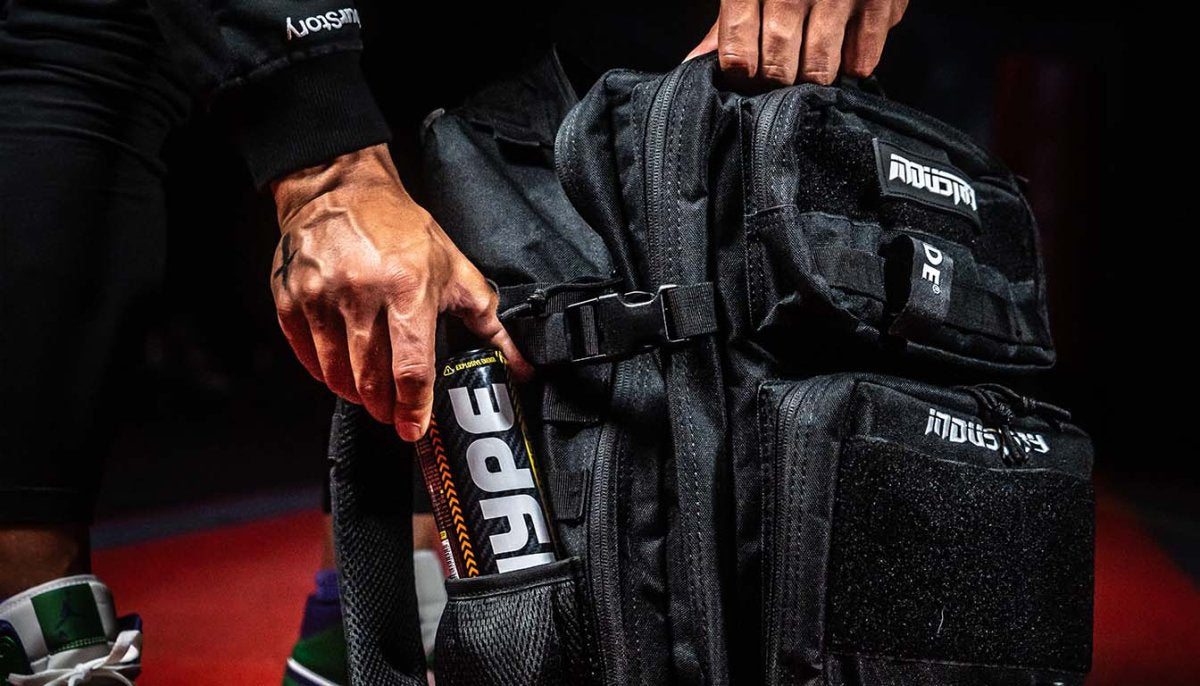
A standard duffel bag is often the weakest link in a strength athlete's preparation. When you're managing a 13mm lever belt, heavy-duty knee sleeves, and liquid chalk, a basic zip-and-go bag quickly becomes a disorganized mess. You've likely dealt with the frustration of digging for wrist wraps at the bottom of a dark compartment or finding your clean clothes covered in chalk. Choosing a high-quality tactical gym backpack solves these logistical headaches by providing a dedicated home for every piece of kit.
In this guide, you'll discover how to select and organize the perfect bag to manage your heavy-duty strength gear with ease. We'll examine the durability of materials like 1050D nylon and why modular MOLLE systems are essential for 2026. We also compare industry standards like the 5.11 RUSH series with specialized options like the Tactical Back Packs from Team Industry. Whether you need a compact 25L bag or a full 45L setup, you'll learn how to prioritize comfort and durability for your most demanding training sessions.
Key Takeaways
- Learn to select the optimal capacity for your specific gear requirements, comparing compact 25L commuter options with high-capacity 45L professional-grade bags.
- Master strategic packing techniques for your tactical gym backpack by positioning heavy lever belts against the back panel to ensure maximum stability and load-bearing comfort.
- Discover why high-denier materials like 900D Oxford polyester provide the necessary durability to survive the abrasive, chalk-heavy environment of a strength gym.
- Implement professional maintenance habits, including the "Air-Out" rule, to prevent bacteria build-up and protect the waterproof integrity of your training equipment.
Why Strength Athletes are Switching to Tactical Gym Backpacks
Strength athletes are moving away from traditional duffels in favor of more specialized equipment. A professional tactical gym backpack is a front-loading, high-capacity rucksack designed to withstand the abrasive environment of a powerlifting or strongman facility. Unlike the traditional "black hole" duffel bag, these packs offer structured, vertical organization. The 180-degree "clamshell" opening is a practical game-changer; it allows you to lay the bag flat and access every piece of kit mid-workout without emptying the entire contents on a chalky floor. Beyond the physical utility, a dedicated kit bag serves as a psychological anchor, helping you maintain training consistency and focus before you even step through the gym doors.
The Problem with Standard Gym Bags
Standard gym bags often fail because they lack structural integrity. When you're carrying heavy metal plates or thick leather belts, soft-sided bags lose their shape and become difficult to carry. This structural failure leads to "lost gear syndrome." Small essentials like smelling salts or liquid chalk frequently disappear into the corners of a single-compartment design. You don't want to waste energy digging for wrist wraps during a timed rest period. Efficiency in the gym begins with how you manage your loadout.
The Modular Advantage for Lifters
Customization is the primary benefit of tactical gear. Most designs incorporate the MOLLE system, which lets you attach external pouches for shaker bottles or extra storage. This modularity ensures your bag grows with your training needs. External compression straps are particularly useful for securing bulky items that won't fit inside. You can easily strap down a foam roller or a Team Industry Lifting Belt to the exterior of the pack. This frees up internal volume for your lifting shoes and change of clothes while keeping your primary support gear visible and ready for use.
Anatomy of a High-Performance Tactical Gym Backpack
Durability in a tactical gym backpack starts with material density. 600D and 900D Oxford polyester are the industry standards for a reason; they offer superior abrasion resistance compared to standard consumer nylon. These high-denier fabrics are often paired with a waterproof PVC lining. This internal coating is critical for protecting your clean apparel from sweat or accidental leaks if you carry liquid chalk. It ensures that spills stay contained, preventing damage to the rest of your equipment.
Understanding Capacity and Dimensions
Capacity is measured in liters, typically split into three functional tiers. A 25L bag suits commuters who only need lifting shoes and a change of clothes. The 35L version serves as a versatile daily driver for most athletes. However, the 45L model is the gold standard for strongman and powerlifting competitors. It provides the necessary volume to house a 13mm lever belt, heavy-duty knee sleeves, and multiple pairs of shoes without forcing the zips or compromising the bag's shape.
Zips and Stitching: The Failure Points
Hardware reliability defines a pack's operational life. You must prioritize heavy-duty zips that won't burst under the internal pressure of a full kit. High-stress attachment points require reinforced "Box-X" stitching to prevent the shoulder straps from tearing away over time. Ergonomics are equally vital for heavy carries. Ventilated back padding and adjustable chest straps help distribute weight across the torso, reducing strain on your shoulders during long commutes. If you're looking for a bag that meets these specifications, the Tactical Back Packs at Team Industry are designed specifically for the rigours of the strength community.
Organising Your Loadout: Packing for Max Effort
Effective organisation in your tactical gym backpack improves both session efficiency and carry comfort. Always place your heaviest items, such as belts and footwear, at the base of the main compartment and flush against the back panel. This alignment keeps the centre of gravity close to your body, preventing the bag from pulling on your shoulders. Use internal mesh pockets to secure small essentials like wrist wraps and smelling salts. For hybrid athletes, the dedicated laptop sleeve provides a padded barrier that separates your professional electronics from your training gear.
Fitting the Big Gear
Fitting a 13mm lever belt is often the biggest challenge. Instead of forcing it into a circle, coil it tightly and place it at the bottom of the bag. This creates a stable base for other items. Keep your lifting shoes in the bottom compartment or a separate internal divider to prevent dirt and chalk from contaminating your clean clothes. If your Heavy Duty Knee Sleeves are damp after a session, use an external pouch or a "wet pocket" to allow for better airflow and hygiene.
The Accessories Pouch
Organise your lifting straps and thumb tape in the smaller front compartments for immediate access during your warm-up. This prevents you from digging through the main section mid-set. Secure your Team Industry Shaker Bottle using the side-compression straps to ensure it remains upright and leak-free throughout your commute. Proper load management ensures you spend less time managing gear and more time under the bar. Ready to upgrade your carry? Explore the full range of Tactical Back Packs at Team Industry to find your perfect fit.
Maintenance and Longevity: Protecting Your Investment
A high-quality tactical gym backpack is built for the long haul, but the environment of a strength gym is notoriously harsh. Chalk residue is more than just a cosmetic issue; it's an abrasive substance that can work its way into zips and fabric fibres over time. To maintain the structural integrity and appearance of your bag, you must implement a consistent maintenance routine. Beyond cleaning, the "Air-Out" rule is your best defence against bacteria. Don't leave damp knee sleeves or sweaty apparel inside a zipped bag overnight. Open all compartments after your session to allow moisture to evaporate, protecting both the fabric and your gear from persistent odours.
Cleaning Your Tactical Bag
Proper cleaning preserves the waterproof PVC lining and the high-denier polyester fibres. You should always avoid machine-washing your pack. The agitation and heat can delaminate internal coatings and weaken the reinforced stitching. Instead, use a stiff-bristled brush to remove dry chalk and dust from the exterior and MOLLE webbing. For spills or internal stains, spot clean with a damp cloth and mild soap. Always hang the bag in a well-ventilated area to air dry, keeping it out of direct sunlight to prevent the fabric from becoming brittle.
Final Checklist Before You Buy
Regularly inspect high-stress areas, specifically the shoulder strap attachment points and the buckles. Catching minor fraying early prevents a total failure when you're carrying a full 45L loadout. When selecting your next bag, prioritise these three pillars: Volume (45L for full kit), Material (900D density), and Compartmentalisation (clamshell opening). Team Industry Tactical Back Packs are engineered to meet these professional standards, ensuring they survive the grit of any powerlifting or strongman facility. If you're ready to improve your organisation, upgrade your gym storage with Team Industry Tactical Back Packs today.
Upgrade Your Training Logistics
Transitioning from a disorganized duffel to a professional modular system is a practical step in streamlining your daily preparation. By selecting a tactical gym backpack with high-denier materials and a 180-degree clamshell opening, you eliminate the common friction of managing heavy lever belts and specialized footwear. You now understand that maintaining these packs through the "Air-Out" rule and targeted spot cleaning ensures your equipment survives the abrasive environment of a strength facility for many years.
Our collection is designed by lifters for lifters, featuring heavy-duty 600D construction and the specific compartmentalization required for elite performance. We offer fast UK-wide shipping to ensure you can restructure your training loadout without unnecessary delay. Reliable gear management allows you to focus entirely on the session ahead rather than digging for lost kit in the bottom of a dark bag.
View the Team Industry Tactical Back Pack Range and take control of your gym storage today. Your focus belongs on the bar, not your bag.
Frequently Asked Questions
Is a 45L tactical backpack too big for a standard gym locker?
A 45L tactical gym backpack typically fits into standard UK gym lockers, provided you don't overfill the external pockets. Most lockers accommodate bags up to 50cm in height. Because these packs are soft-sided, you can compress the fabric to suit narrower spaces. If your local facility uses smaller day-lockers, consider the 25L or 35L versions instead to ensure a secure fit without forcing the locker door.
Can I use my tactical gym backpack as a carry-on for flights?
Most 25L and 45L tactical packs meet standard airline carry-on dimensions for major UK carriers. A 45L bag usually measures approximately 50cm x 30cm x 30cm, which fits within the overhead compartment. However, budget airlines often have stricter limits for under-seat storage. Always check your specific carrier's requirements before traveling. The clamshell opening makes these bags ideal for airport security checks as they lay flat for easy scanning.
What is the MOLLE system on gym bags and how do I use it?
The MOLLE system consists of heavy-duty nylon webbing stitched into the exterior of the bag. You use these loops to attach modular pouches, carabiners, or specialized accessories like a Team Industry Shaker Bottle holder. To use it correctly, weave the straps of your attachment through the webbing on both the bag and the accessory. This creates a secure, vibration-resistant bond that won't fail during transit.
Are tactical gym backpacks waterproof or just water-resistant?
Most professional tactical packs are water-resistant rather than fully waterproof. They utilize high-density polyester with an internal PVC coating to repel rain and contain internal spills from liquid chalk. While they withstand heavy rain during a commute, they shouldn't be submerged. If you frequently train in extreme outdoor conditions, applying a supplementary waterproof spray to the exterior seams can provide an extra layer of operational security.
How much weight can a high-quality tactical gym bag safely hold?
A high-quality tactical gym backpack can safely manage loads between 15kg and 25kg. Reinforced Box-X stitching on the shoulder straps and the use of 900D polyester prevent the fabric from tearing under the weight of heavy lever belts and lifting shoes. For maximum longevity, always use the chest straps when carrying loads over 10kg. Explore the Tactical Back Packs at Team Industry for bags rated for heavy use.
Share:
Weight Lifting Knee Wraps: The Athlete’s Guide to Support and Performance
Deadlift Technique: The Professional Guide to Mastering Form and Power