

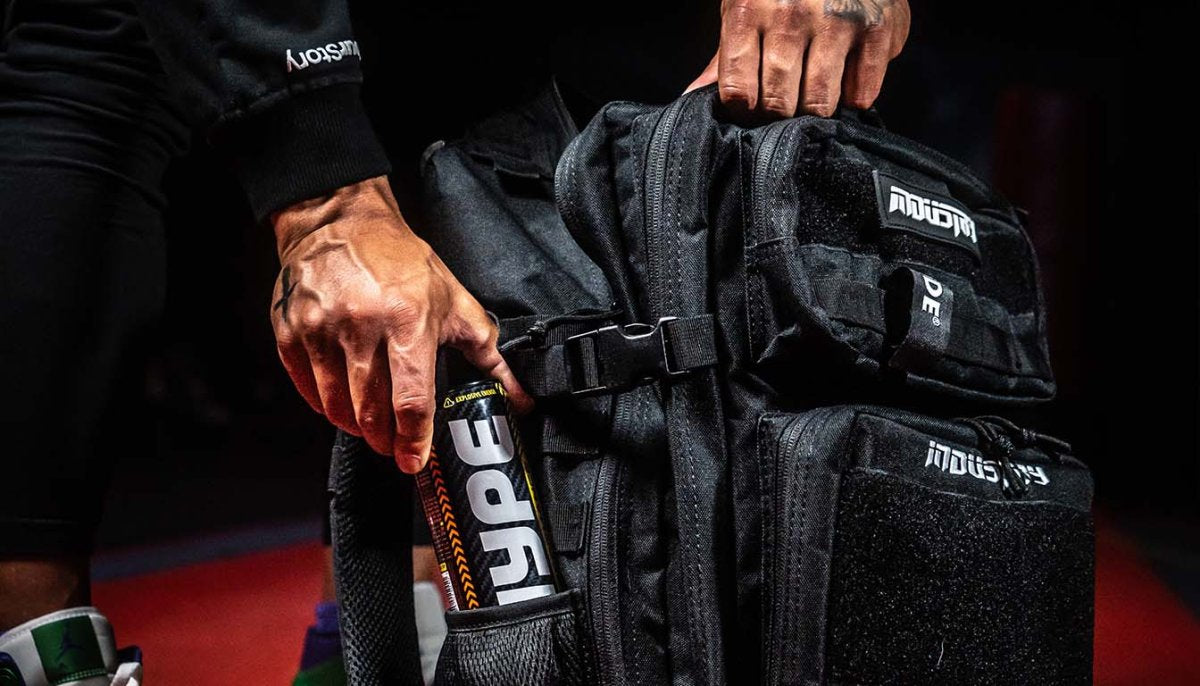
Your gym bag shouldn't be the weakest link in your training session. For strength athletes, a standard duffel often fails when loaded with a 13mm lever belt and heavy-duty knee sleeves. Flimsy zips break and straps dig into your shoulders, making the walk to the platform more difficult than it needs to be. Investing in a high-quality tactical gym backpack provides a modular organisational system that survives the high-stress environment of a strength gym. It's about more than just carrying kit; it's about reliability when you're moving heavy loads.
We understand the frustration of losing figure 8 lifting straps in a "black hole" main compartment. This guide will help you choose a durable bag that lasts years and features specific sections for wet gear and valuables. You'll discover how to carry your Team Industry Lever Belt internally or externally without causing damage. We'll walk through the essential features every powerlifter needs to ensure their equipment remains protected and accessible; this allows you to focus entirely on your next lift while supporting the wider UK strength community.
Key Takeaways
- Learn why the clamshell design is superior to standard bags for accessing lifting straps and accessories without digging through your kit.
- Identify whether a 35L daily bag or a 45L competition-ready tactical gym backpack is the correct choice for your specific gear requirements.
- Discover the logical way to pack heavy items like 13mm lever belts and knee sleeves to protect your apparel and maintain bag balance.
- Understand how professional-grade construction ensures your equipment handles the grit of the UK strength scene and the weight of heavy-duty gear.
What Makes a Gym Backpack "Tactical"?
A tactical gym backpack isn't just a style choice; it's a piece of engineering designed to withstand the grit of the UK strength scene. These bags are inspired by military gear and prioritise functionality through a 180-degree clamshell opening and high-denier fabrics. Most professional-grade versions use 900D polyester or nylon, which resists tearing even when packed with metal-lever belts or sharp equipment edges.
To better understand how these features perform in a real-world setting, watch this detailed review:
The clamshell design allows the bag to open flat like a suitcase. You won't have to dig through a "black hole" to find your liquid chalk or figure 8 lifting straps. This heavy-duty construction matches the high standards we set for our weight lifting belts, ensuring your kit remains protected during transport.
The MOLLE System Explained
The MOLLE load-carrying system consists of rows of heavy-duty nylon webbing. For a strength athlete, this modularity is invaluable. You can clip wet knee sleeves to the outside to air out or attach a shaker bottle using a carabiner. It keeps damp or bulky items away from your dry apparel while freeing up internal space for your main equipment.
Tactical vs. Traditional Duffel Bags
Standard duffel bags rely on a single shoulder strap that creates uneven pressure when carrying 20kg of gear. A tactical gym backpack uses dual padded straps and chest buckles to distribute weight across your torso. Instead of one chaotic main compartment, you get dedicated pockets for laptops, valuables, and wet gear. It's a more efficient way to manage your training day and protect your investment in high-quality equipment.
Key Features to Evaluate Before Buying
Choosing a tactical gym backpack requires balancing volume with practical utility. A 35L bag usually suffices for daily training sessions. However, if you're traveling for a competition and need space for multiple pairs of shoes, a change of clothes, and a 13mm lever belt, a 45L+ tactical gym backpack is more appropriate. It's about having the right tool for the job.
Hardware quality is non-negotiable. Look for oversized, heavy-duty zips that won't burst when you're packing bulky gear. Standard zippers often fail under the internal pressure of a stiff lifting belt. Efficient compartment logic is also vital. Dedicated laptop sleeves and "secret" pockets keep your electronics and keys isolated from chalk dust. You can complement these high-capacity bags with our range of accessories, such as shaker bottles that fit securely in side pockets.
Material and Weather Resistance
UK athletes deal with unpredictable weather. Your bag needs a water-resistant coating to keep your apparel dry during the commute. We recommend checking for reinforced stitching at high-stress points like the shoulder strap anchors and top handles. These areas bear the most tension when you're lifting a fully loaded 20kg bag from the floor to your back.
Comfort and Adjustability
Proper ergonomics prevent injury before you even reach the platform. Adhering to orthopaedic guidelines on backpack loading ensures you distribute weight evenly across your torso. Sternum straps are essential for keeping the load centered, while waist belts help transfer weight to your hips during longer walks. Vented back panels provide necessary airflow, reducing the risk of "gym back" sweat during your journey. If you're looking for gear that matches this level of reliability, explore the full Team Industry strength gear collection.
Packing for Strength: Organising Heavy Gear
Packing a tactical gym backpack for a heavy session requires a strategic approach. Unlike generic fitness bags, these allow you to manage the significant bulk of powerlifting equipment. To fit a stiff 13mm lever belt, coil it into a tight circle and place it in the center of the main compartment. You can also use the external compression straps to secure the belt to the outside of the bag. This creates more internal space for your shoes and apparel.
Strategic load placement is essential for comfort and spinal health. According to biomechanical research on backpack load carriage, placing the heaviest items closest to your spine reduces musculoskeletal strain. Position your belt and weightlifting shoes against the back panel to ensure better balance during your commute. Always store your liquid chalk in a separate, sealed pocket. A leak in the main compartment can ruin your lifting kit and oversized tees.
The "Dirty" Section
After a high-volume session, your heavy duty knee sleeves will be damp and hold odours. Use the dedicated wet/dry compartments to isolate them from your clean gear. This maintains hygiene and prevents moisture from damaging your leather lifting straps. If your bag lacks a specific wet section, use the MOLLE webbing to clip the sleeves to the exterior so they can air out immediately.
Quick-Access Essentials
Efficiency matters when you're on a tight clock between sets. Use the front "admin" pockets to organise smelling salts, wrist wraps, and figure-8 straps. Referencing our guide on lifting straps can help you decide which small items are vital for your specific pull. Having these tools accessible within seconds ensures you don't waste energy digging through your tactical gym backpack. Ready to upgrade your organisation? View our full range of Industry strength gear to find the right tools for your training.
Why Choose a Team Industry Tactical Backpack?
A Team Industry tactical gym backpack is built for the reality of the platform and the strongman arena. We've tested these bags against the heavy loads required for competitive lifting. Every detail reflects the grit of the UK strength scene because lifters designed them. For example, check the reinforced top handles. They're essential for lifting a fully loaded 45L bag into a locker or car without the stitching failing. We prioritize dependable construction that handles the weight of professional powerlifting gear without compromise.
Choosing our gear means joining a community. We follow a philosophy of collective collaboration, where every purchase supports investment in UK strength federations and events. We aren't just selling a bag; we're providing a reliable partner for your training journey. Our brand stands for stability and reliability within the fast-moving operational sectors of strength sports. We understand the manual and technical requirements of your sport and build our products to meet those high standards.
A Vital Part of Your Strength Infrastructure
Our tactical gym backpack functions as a central hub for your equipment ecosystem. It integrates seamlessly with our 13mm lever belts, heavy-duty knee sleeves, and figure-8 straps. For athletes who value stability and reliability, this is the pragmatic choice. You don't need hyperbolic marketing; you need gear that doesn't quit when the bag is heavy and the commute is long. It's about building a foundation of equipment that supports your performance every time you step into the gym.
Get the Gear
Ready to upgrade your training setup? Browse our full collection of tactical backpacks and strength gear to find professional-grade solutions. We're committed to operational excellence and supporting the lifters who make this community what it is. Join a movement that values durability and community support as much as the weight on the bar.
Build Your Training Foundation
A high-quality tactical gym backpack is more than a simple storage solution; it's a vital piece of infrastructure for any serious strength athlete. By selecting a bag with heavy-duty 900D construction, you ensure your equipment remains protected during every commute. We've highlighted how clamshell designs improve accessibility and how ergonomic loading supports your physical health. These technical details allow you to focus entirely on your training session rather than struggling with failing zips or disorganized gear.
Our backpacks are tested by professional UK strength athletes to handle the specific bulk of Strongman and Powerlifting gear. This pragmatic approach to design ensures that every strap and compartment serves a functional purpose. It's time to invest in a carry system that matches the intensity of your sessions. Upgrade your gym carry with a Team Industry Tactical Backpack today. We're proud to support your journey toward your next personal best.
Frequently Asked Questions
Are tactical gym backpacks waterproof?
Most tactical gym backpacks are water-resistant rather than fully waterproof. The high-denier 900D polyester fabric used in professional-grade bags provides excellent protection against heavy rain during your commute. While the material keeps your apparel dry, water can eventually seep through zips or seams during prolonged exposure. We recommend using internal dry bags for electronics if you frequently travel in extreme weather conditions to ensure maximum equipment safety.
What size tactical backpack do I need for powerlifting gear?
Choosing the correct volume depends on your specific training kit. A 35L tactical gym backpack is ideal for daily sessions if you don't need to carry competition-specific extras. If you carry a stiff 13mm lever belt and bulky knee sleeves, a 45L bag is the more pragmatic choice. This larger capacity ensures you have enough room for competition day essentials without overstretching the zips.
Can I use a tactical gym backpack as cabin luggage on a flight?
Yes, most 35L and 45L tactical backpacks meet standard airline cabin luggage requirements. Their rectangular shape and compression straps allow you to reduce the bag's profile to fit into overhead lockers easily. Always verify the specific dimensions with your airline before traveling. These bags are excellent for international competitions because they keep your vital gear, like wrist wraps and smelling salts, within reach so you don't lose time during your journey.
How do I clean my tactical gym backpack without damaging the material?
Avoid machine washing your bag as it can degrade the water-resistant coating and damage the internal structure. We recommend spot cleaning with a damp cloth and mild detergent for surface stains. For deeper odors from used heavy duty knee sleeves, leave the bag fully open in a well-ventilated area. Regular maintenance prevents chalk buildup and ensures the high-denier fabric remains durable for years of heavy use.
Why is a clamshell opening better for gym bags?
A clamshell opening allows the bag to unzip and lay completely flat like a suitcase. This design provides immediate visibility of all your equipment, from large shoes to small items like liquid chalk. Traditional top-loading bags create a "black hole" effect where smaller accessories settle at the bottom. The clamshell structure ensures you can retrieve your gear quickly during short rest intervals without emptying the entire bag.
Share:
Adrenal Glands and Performance: A Lifter's Guide to Stress and Strength
How Often Should You Replace Knee Sleeves? A Lifter’s Guide to Gear Longevity