

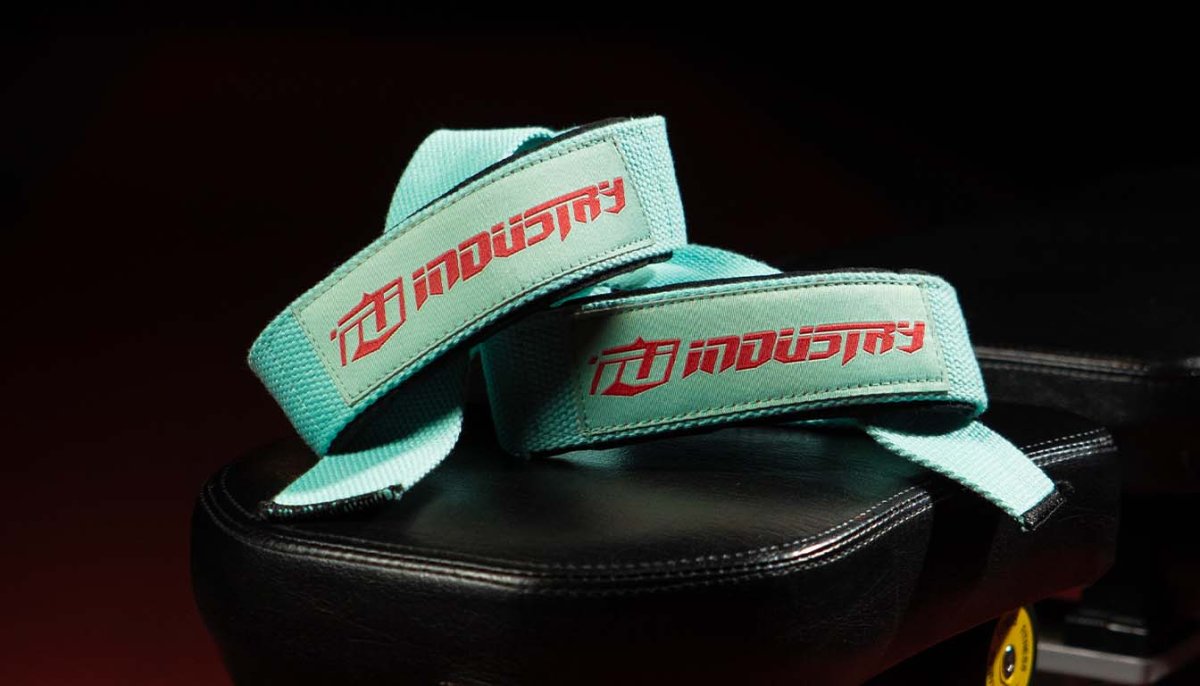
Research indicates that using lifting straps can increase your deadlift 1-repetition max by as much as 19.2 percent. That is a significant margin that can turn a stalled training cycle into a record-breaking session. Learning how to use lifting straps for deadlifts is a technical skill that moves the bottleneck from your grip strength to your posterior chain. This allows your hamstrings and back to work to their full potential without the bar slipping mid-set.
It is frustrating when your hands give out before your legs do, or when uneven strap tension causes the barbell to tilt during a heavy pull. You want a secure, locked-in feeling that gives you the confidence to move serious weight. This guide provides a clear, step-by-step breakdown for mastering both classic lasso and Figure 8 Lifting Straps. We will cover the exact wrapping techniques to prevent skin pinching and ensure you can perform more reps with heavier loads while maintaining total control of the bar.
Key Takeaways
- Understand how to bypass grip fatigue so your posterior chain can reach its full potential during heavy pulling sessions.
- Master the technical "Motorcycle Grip" and learn exactly how to use lifting straps for deadlifts to ensure a secure, slack-free connection to the barbell.
- Identify whether the versatile Lasso style or the specialized Figure 8 Lifting Straps are better suited for your specific training goals.
- Learn the correct placement techniques to prevent skin pinching and ensure even tension across the bar for a more stable lift.
- Implement the "Top Set" rule to strategically use straps for heavy volume while maintaining your raw grip strength during warm-ups.
Why Use Lifting Straps for Deadlifts?
The deadlift is a total-body movement, but your grip is often the first point of failure. This "grip bottleneck" occurs when your legs and back are capable of pulling more weight than your hands can hold. When you learn how to use lifting straps for deadlifts, you remove this limitation. This is particularly vital for hypertrophy. To grow your lats and hamstrings, those muscles must reach failure. If the bar slips before they're fully taxed, you're leaving gains on the gym floor.
To better understand this concept, watch this helpful video:
High-volume pulling is incredibly taxing on the body. Using straps reduces the mental and physical energy required to squeeze the bar, which helps preserve your central nervous system for subsequent sets. There's also a clear safety benefit to consider. Many lifters use a mixed grip to prevent the bar from rolling, but this can increase the risk of bicep tears on the supinated arm. Switching to a double-overhand grip with straps, especially when performing various deadlift variations, keeps your arms in a safer, neutral position.
Straps vs. Chalk: When do you need the extra help?
Chalk is an excellent tool for improving friction, but it has its limits. While liquid chalk is a staple for most training sessions, factors like heavy sweat or worn-down bar knurling can eventually overcome it. When you're moving toward your heaviest sets or highest volume, the mechanical advantage of a strap is more reliable than the friction of chalk alone. Use chalk for your warm-ups and switch to straps when the weight exceeds your raw holding capacity.
Are Lifting Straps Considered Cheating?
Some purists claim straps are a crutch, but this depends entirely on your specific training goals. If you're preparing for a powerlifting meet where straps are prohibited, you must practice your competition grip. However, if your goal is building raw strength or muscle mass, straps are simply a tool for operational efficiency. Using Figure 8 Lifting Straps isn't cheating; it's a calculated decision to ensure your grip doesn't dictate your overall progress.
Lasso vs. Figure 8: Choosing Your Weapon
Selecting the right gear depends on your specific training discipline. The Lasso strap is a versatile all-rounder, while the Figure 8 is a specialized tool for maximum loads. When learning how to use lifting straps for deadlifts, you'll find that material choice is just as critical as the design. Heavy-duty cotton or leather provides superior friction and durability compared to cheap nylon, which often slips under heavy tension. For those focused on pure strength, Figure 8 Lifting Straps offer a unique mechanical advantage that eliminates grip as a factor entirely.
The Pros and Cons of Lasso Straps
Classic Lasso straps are the industry standard for a reason. Their primary advantage is safety. You can let go of the bar instantly if you lose your balance or need to bail from a lift. This versatility makes them suitable for rows, pulldowns, and various deadlift styles. You can learn more about the mechanics of how to use lifting straps to ensure your wrap is secure. However, they can be fiddly to set up. Wrapping the second hand requires dexterity, which can be frustrating during high-intensity sets. If you need a reliable all-rounder, consider the Industry Classic Lifting Straps for your next session.
The Pros and Cons of Figure 8 Straps
Figure 8 straps are the gold standard for strongman and max-effort pulls. They create a "locked-in" feeling by looping around the wrist, under the bar, and back over the wrist. They create a mechanical lock. This makes it almost impossible for the bar to drop. The downside is that you are physically tethered to the barbell. You cannot dump the weight in an emergency, so they require technical proficiency. Mastery of how to use lifting straps for deadlifts safely means knowing when you need this total lockdown and when the quick release of a Lasso strap is more appropriate. For many athletes, having both styles in their training bag is the best approach to handle different rep ranges and intensities.
Step-by-Step: How to Wrap Lifting Straps Correctly
Technical precision during setup determines the success of your lift. When learning how to use lifting straps for deadlifts, you must focus on the "Motorcycle Grip" technique. This involves wrapping the strap and then rotating the barbell toward you to remove any remaining slack. This creates a rigid connection that prevents the bar from shifting mid-pull. Ensure the material lies completely flat against the steel. Any bunching or overlapping creates "hot spots" that lead to bruising or skin pinching under heavy loads.
Symmetry is another critical factor. Use the knurling marks on the bar to ensure both hands are at equal distances from the centre. An off-centre grip causes the bar to tilt, putting uneven stress on your spine and shoulders. This technical attention is vital when Optimising Your Deadlift Programme for long-term strength gains. For a dependable wrap that stays secure throughout high-volume sets, use the Industry Classic Lifting Straps.
How to Use Lasso Straps (Single Loop)
- Step 1: Thread the tail through the loop to create a circle and slide it onto your wrist. The tail should run parallel to your thumb.
- Step 2: Lay the tail under the bar. Wrap it around the barbell in the opposite direction of your fingers to create a secure counter-tension.
- Step 3: Tighten the wrap by rotating the bar toward you like a motorcycle throttle. Squeeze the bar and the strap together before you begin the pull.
How to Use Figure 8 Straps
- Step 1: Put your hand through the first loop of the "8" so the strap rests on your wrist.
- Step 2: Pass the remaining length of the strap under the barbell.
- Step 3: Reach through the second loop that has come up from under the bar. Place your hand on the barbell and grip it directly, locking the strap in place.
Ready to eliminate grip failure? Secure your pair of professional-grade Weight Lifting Straps today and focus entirely on your strength.
Optimising Your Deadlift Programme with Straps
Integrating straps into your routine requires a strategic approach to ensure you don't compromise your natural grip strength. The "Top Set" rule is a standard protocol where you perform all warm-up sets raw. Only when the load exceeds your ability to hold the bar securely should you apply your gear. This ensures your forearms and hands receive enough stimulus to stay strong while allowing your back and legs to push into heavier territory during your primary working sets.
When you reach those max-effort sets, stacking your equipment is often necessary for safety and performance. Combining straps with a Team Industry Lifting Belt provides the intra-abdominal pressure and grip security needed for high-intensity sessions. However, remember that straps are a supplement. You should still include direct forearm work, such as farmer’s carries or plate pinches, to maintain a well-rounded foundation. This balanced approach prevents your hands from becoming a permanent weak link in your lifting chain.
Common Mistakes to Avoid
A frequent error when learning how to use lifting straps for deadlifts is wrapping the tail in the same direction as your fingers. This creates a rolling effect that actually makes the bar more likely to slip out of your palm. Always wrap the strap under and around the bar so it creates counter-tension against your grip. Another mistake is using straps for every single set. If you never pull raw, your grip strength will eventually atrophy, making you entirely dependent on the gear even for lighter accessory work.
Caring for Your Strength Gear
Proper maintenance extends the life of your equipment and ensures operational safety. For cotton Weight Lifting Straps, a regular hand wash in cold water with mild detergent is recommended. This removes sweat and chalk build-up that can stiffen the fabric over time. Always inspect your straps before a heavy session. Look for frays, thinning sections, or tears in the stitching. If the structural integrity is compromised, replace them immediately to avoid a mid-lift failure during a heavy pull.
Maximise Your Pulling Potential
Mastering how to use lifting straps for deadlifts ensures your grip never dictates the limits of your progress. By applying the "Motorcycle Grip" and selecting the right tool for your specific goals, you can focus entirely on the mechanics of the lift. Whether you prefer the versatile Lasso style or the absolute security of Figure 8 straps, the technical precision of your wrap is what creates a stable, locked-in connection to the bar.
Consistency in your setup leads to consistency in your strength gains. Using professional-grade gear with heavy-duty reinforced stitching provides the reliability required for high-intensity training. These tools are tested by professional strongmen and powerlifters to withstand the rigours of the heaviest UK lifting sessions. We provide national UK delivery on all strength gear to ensure you have the right equipment for your next session.
Shop the full Team Industry Lifting Straps collection for professional-grade support. It's time to step up to the platform with confidence and smash your deadlift PBs.
Frequently Asked Questions
Do lifting straps weaken your grip over time?
Straps only weaken your grip if you rely on them for every single set in your programme. If you follow the "Top Set" rule mentioned earlier, your grip strength remains intact because you pull raw during your warm-ups. Direct forearm work alongside your main lifts ensures your natural holding power continues to develop while the straps handle the extreme loads.
Can I use figure 8 straps for movements other than deadlifts?
Figure 8 Lifting Straps are primarily designed for deadlifts, shrugs, and heavy rows where a total mechanical lock is required. They are not suitable for Olympic lifts like cleans or snatches because you cannot bail from the bar quickly. For general pulling movements where you might need to release the weight in an emergency, the Industry Classic style is the safer choice.
How tight should lifting straps be on my wrists?
Your straps should be snug enough to prevent slipping but loose enough to avoid cutting off circulation or causing excessive bruising. When learning how to use lifting straps for deadlifts, aim for a fit that allows the material to sit flat against your skin. This distributes the weight evenly across the wrist joint and prevents the "hot spots" that often lead to skin pinching during high-volume sessions.
Are leather or cotton lifting straps better for heavy deadlifts?
Cotton is generally preferred for heavy deadlifts because it absorbs chalk well and provides immediate friction against the bar. Leather Weight Lifting Straps are exceptionally durable and mould to your wrists over time, but they can feel slick until they are properly broken in. For most UK lifters, heavy-duty cotton offers the most dependable "bite" on the barbell knurling right out of the bag.
Should I use straps for my warm-up sets?
You should avoid using straps for your warm-up sets to ensure your grip strength isn't neglected. Pulling raw for lower weights trains your hands to handle significant tension. Once you reach roughly 80 percent of your max or find the bar slipping, that is the correct time to implement how to use lifting straps for deadlifts to finish your heavy working sets with technical precision.

Share:
Best Powerlifting Wrist Wraps: 2026 Selection Guide
Heavy Duty Knee Sleeves: The Lifter’s Guide to Maximum Joint Support