

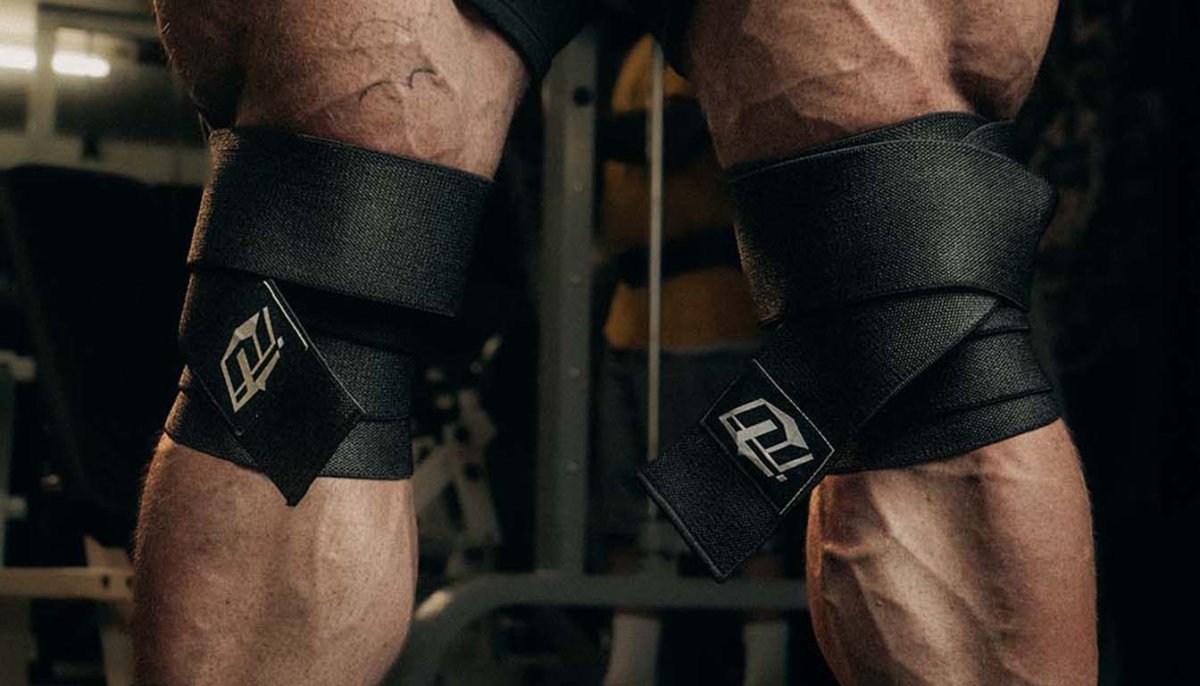
Your confidence in a heavy squat isn't just about leg strength; it's about whether your joints feel stable enough to handle the descent. Most serious lifters have felt that momentary hesitation at the bottom of a rep when the knees feel exposed. Using heavy duty knee sleeves changes this dynamic by providing the compression and mechanical support required for elite strength training. It's a pragmatic solution for those who understand that in a high-stakes lifting environment, your equipment must be as reliable as your work ethic.
This guide will show you how professional-grade sleeves protect your joints and boost your performance under significant loads. You'll learn the difference between a competition fit and a training fit, how to prevent sleeves from sliding down during sets, and the best ways to keep your gear fresh. We're here to provide the practical technical knowledge you need to hit new personal bests with total joint security. By the end of this article, you'll have the confidence to push your limits without compromising your long-term health.
Key Takeaways
- Understand how the compression from heavy duty knee sleeves creates a mechanical rebound, helping you drive safely out of the bottom of a heavy squat.
- Compare the benefits of 7mm neoprene and double-ply materials so you can choose the right level of support for your specific strength goals.
- Master the professional sizing technique by measuring both your knee joint and calf to find a fit that remains secure under load.
- Learn how to integrate knee support with other essential gear to ensure total stability and confidence when moving maximal weight.
Why Heavy Duty Knee Sleeves are Essential for Serious Strength Athletes
Standard knee sleeves found in local retail shops are often designed for general fitness or light jogging. In contrast, heavy duty knee sleeves are specialized high-compression tools built specifically for maximal loads. These sleeves use dense, stiff materials that resist deformation. This resistance creates a physical rebound effect at the bottom of a squat. As the material compresses in the "hole," it stores kinetic energy, providing a mechanical advantage that helps you drive upward. It's a functional boost that bridges the gap between raw strength and technical efficiency.
Beyond the mechanical pop, these sleeves maintain critical joint warmth. Increased temperature reduces the viscosity of synovial fluid, which acts as the knee's natural lubricant. This process ensures the joint moves smoothly under hundreds of kilograms. When selecting your lifting accessories, choosing professional-grade gear is a prerequisite for anyone following a serious strength program.
The Science of Compression and Joint Stability
Compression does more than just keep you warm; it significantly improves proprioception. This is your body's ability to sense its position and movement in space. By providing constant tactile feedback, heavy duty knee sleeves help you maintain a better bar path during heavy sets. They also provide lateral support, reducing the risk of the patella shifting out of alignment when the pressure is highest. This stability is vital for preventing the minor tracking issues that often lead to chronic inflammation.
Performance vs. Protection: Why You Need Both
Professional sleeves offer a tactical advantage by ensuring your joints remain protected while you push for new personal bests. This is why "heavy duty" is the non-negotiable standard for strongman and powerlifting disciplines. Our joint support range is engineered to handle these extreme forces without losing shape. It's about having the reliability to focus entirely on the lift, knowing your equipment won't fail when the weight gets heavy.
Neoprene vs. Double Ply: Which Heavy Duty Sleeve is Right for You?
Choosing the correct material for your heavy duty knee sleeves is a tactical decision based on your specific strength goals. Most powerlifters rely on 7mm neoprene. This material is the industry standard because it balances high-level compression with the heat retention necessary for joint health. It's also the primary material used for IPF-approved gear, making it essential for competitive lifters who must adhere to strict equipment regulations. While neoprene is resilient, it requires careful handling to avoid nicks or tears over years of heavy use.
Double ply sleeves offer a different advantage. Constructed from a rugged blend of polyester and rubber, these sleeves provide a significant mechanical rebound. They are a staple in strongman circles where the goal is moving maximal weight by any means necessary. Unlike neoprene, double ply doesn't offer the same level of warmth, but its durability is unmatched in high-friction environments. These sleeves won't lose their shape even after hundreds of sessions under extreme loads.
Choosing Based on Your Primary Discipline
Powerlifters should generally stick with 7mm neoprene. It provides a consistent feel that mimics the movement of a raw squat while offering enough support to protect the tendons. Strongman athletes, however, often benefit from the extra stiffness of double ply. This material helps stabilize the knee during dynamic movements like the overhead press or yoke walk where lateral stability is constantly tested. If you're ready to upgrade your gear, explore our joint support range to find your perfect match.
Stiffness Levels: Training vs. Competition
There's a clear trade-off between comfort and performance. For high-volume training blocks, a standard heavy duty knee sleeves fit is ideal. It allows for better blood flow during long sessions. When you're approaching a competition or a 1RM attempt, you might consider an "Extra Stiff" option. This maximizes the rebound effect, though it can be uncomfortable for more than a few minutes. You should evaluate your current strength level before opting for the stiffest variants, as they require significant force to compress effectively.
How to Measure and Size Your Knee Sleeves for a Professional Fit
Achieving a professional fit requires more than a guess. Start by measuring the circumference of your knee joint with a straight leg. Next, measure the thickest part of your calf. If your calf is significantly larger than your knee, prioritize the calf measurement to ensure your heavy duty knee sleeves can pass over it without damaging the seams.
You must then choose between a "Standard Fit" for daily training or a "Competition Fit" by sizing down once for maximal compression. To put them on, use the "Fold and Pull" technique. Fold the top half of the sleeve down over the bottom, pull it up to your mid-calf, then flip the top back up over your knee. This prevents the material from bunching and saves your thumbs from unnecessary strain during your warm-up.
The Sizing Down Debate: Is Tighter Always Better?
Sizing down offers more mechanical support but carries risks. While the extra "pop" is helpful for a 1RM, restricted blood flow can hinder performance during longer sets. Check for these signs that your sleeves are too tight:
- Tingling or numbness in the feet during a set.
- Skin pinching or deep bruising at the joint crease.
- Inability to reach full depth because the material is too thick to compress.
Maintenance: How to Stop the "Sleeve Stink"
Neoprene absorbs sweat, which leads to bacteria build-up and the infamous "sleeve stink." Air-dry your gear after every session; never leave them in a closed gym bag overnight. For deep cleaning, hand wash only with mild detergent and cool water. Avoid machine drying, as high heat destroys the elasticity of heavy duty knee sleeves. Ready for a secure fit? Pick up your Heavy Duty Knee Sleeves and follow these steps for the best results.
Maximising Your Squat with Team Industry Heavy Duty Gear
Our Heavy Duty Knee Sleeves are a cornerstone of our range, built specifically to withstand the high-load scenarios typical of competitive strength sports. These heavy duty knee sleeves provide the necessary compression to keep your joints secure during maximal attempts. For total stability, you should pair these sleeves with a professional Weight Lifting Belt. While the sleeves manage joint pressure, the belt handles intra-abdominal pressure. This combination creates a rigid pillar of support from your core to your knees. Once the heavy compound sets are finished, use Lifting Straps for accessory movements. This allows you to maintain training volume without grip fatigue limiting your progress.
We're deeply committed to the UK strength community. Team Industry isn't just a supplier; we invest in regional athlete events to support the growth of powerlifting and strongman. We understand the grit required to compete, and we build gear that reflects that reality.
Building Your Professional Strength Kit
Coordinating your joint support with other accessories creates a cohesive training setup where every tool has a purpose. If you're local, visit our Wormley shop to try on gear. It's the most reliable way to find your perfect size and feel the material's stiffness before starting a new training block. Our staff can provide practical advice on which fit suits your current lifting style.
The Team Industry Advantage
Buying from a brand that understands the reality of strongman and powerlifting ensures gear that lasts. We don't use hyperbolic marketing; we focus on pragmatic, professional-grade durability. Our equipment is designed to handle the friction and force of elite-level training. Stop leaving kilos on the platform because of unreliable equipment. Invest in gear that matches your commitment to the sport and gives you the confidence to hit new PBs.
Take the Next Step in Your Strength Journey
Selecting the right equipment is a pragmatic step toward reaching your full potential on the platform. You now understand how material choice and precise sizing impact your stability and mechanical advantage. By maintaining your gear properly and integrating it with a complete support system, you ensure that every training session is as productive as possible. Consistency is the key to progress; your gear should support that goal.
Investing in professional-grade heavy duty knee sleeves provides the mental and physical security needed to handle maximal loads. We're proud to be a brand trusted by the UK strength community. Our equipment stands up to the grit of powerlifting and strongman. We provide nationwide shipping on all strength accessories to ensure you have the tools you need wherever you train.
Upgrade your support with Team Industry Heavy Duty Knee Sleeves. It's time to stop worrying about your joints and start focusing on your next personal best.
Frequently Asked Questions
How long do heavy duty knee sleeves usually last?
Heavy duty knee sleeves typically last between 12 and 24 months when used for three or more sessions per week. Their lifespan depends heavily on your maintenance routine and the frequency of high-load sets. To maximize durability, always air-dry them after training and avoid machine washing. If you notice the neoprene thinning or the stitching beginning to fray, it's time to consider a replacement to maintain consistent joint support.
Can I wear knee sleeves for my entire workout or just heavy sets?
You can wear your sleeves for the entire session, but most athletes prefer to slide them on just before their primary compound lifts. Keeping them on for accessory work provides constant warmth, which helps blood flow. However, if you've chosen a competition fit, the high compression might become uncomfortable during a long workout. Many lifters find it practical to keep them around their ankles between heavy squat sets to manage heat.
What is the difference between knee sleeves and knee wraps?
Knee sleeves are a continuous tube of neoprene or ply material designed for compression and warmth. In contrast, Weight Lifting Knee Wraps are long strips of elastic fabric that you manually wrap around the joint. Wraps provide significantly more mechanical assistance but require more time to apply between sets. Sleeves offer a more versatile balance of protection and ease of use for standard training blocks.
Do knee sleeves help with existing knee injuries or just prevention?
These tools primarily function as a preventative measure by stabilizing the joint and keeping it warm. While heavy duty knee sleeves can help manage minor aches or tendonitis by providing compression, they aren't a substitute for medical rehabilitation. If you have a significant structural injury, you should consult a specialist before relying on equipment to mask pain. For healthy lifters, they provide the security needed to train through high-volume cycles safely.
Is it normal for knee sleeves to be very difficult to put on at first?
It's completely normal for new heavy duty knee sleeves to feel exceptionally tight, especially if you've opted for a competition fit. The material is designed to resist stretching to provide maximal support under load. Use the "fold and pull" technique mentioned earlier to manage the resistance. If you can't get the sleeve over your calf after several attempts, the size is likely too small and could risk damaging the reinforced stitching during use.
Share:
How to Use Lifting Straps for Deadlifts: Step-by-Step Guide
Gym Fashion UK: The 2026 Strength Athlete’s Style & Performance Checklist